

At 8:02 a.m., the city is in motion. Subway doors slide open. Crosswalks flood with coats and coffee cups. Sunlight catches glass buildings at just the right angle. Someone’s headphones are on. Someone’s blazer hits perfectly at the waist. Someone’s boots echo sharply against the pavement. For a long time, this hour felt like an obligation. A rush. A blur between alarm clock and inbox.
In 2026, it’s something else. The commute has become a runway. Not in the loud, influencer way. Not in the ring-light-on-the-sidewalk way. But in the quiet, cinematic, main-character sense. The 8:02 a.m. train platform is now a stage. And hybrid life is the reason why.
Hybrid Life Gave the Commute Rarity
Before hybrid schedules, commuting was repetition: five days a week, same route, same crowd, same drained feeling. When something hits you daily, your brain stops giving it meaning—it becomes logistics. That’s why the commute used to feel like a tax you paid for having a job.
Hybrid life didn’t appear out of nowhere. It became a compromise after the remote-work boom proved two things at once. A lot of work could happen from home, and a lot of people still wanted some in-person time for collaboration, culture, or simply feeling less isolated. Companies also realized hybrids could be a practical middle lane—smaller office footprints, easier hiring across cities, and fewer employees burning out from five-day commuting. The result was the new norm: two or three “in-office” days, the rest remote, with schedules that flex week to week.

Dressing for the Transition
There’s something powerful about dressing for movement. The commute is liminal space—the bridge between private self and public self. On remote days, that bridge collapses. Pajamas blur into productivity. The laptop opens and you’re “on” before your brain even catches up.
But when you step outside at 8:02 a.m., you’re entering a different mode. The outfits that work best for the commute have their own language: practical but elevated. Functional but deliberate. Structured coats. Clean sneakers or sleek boots. Tailored trousers that still allow movement. Minimal makeup that looks good in natural light and doesn’t demand a touch-up every hour. You’re not dressing for a camera. You’re dressing for motion. And that’s exactly why it lands.
The Soundtrack Effect
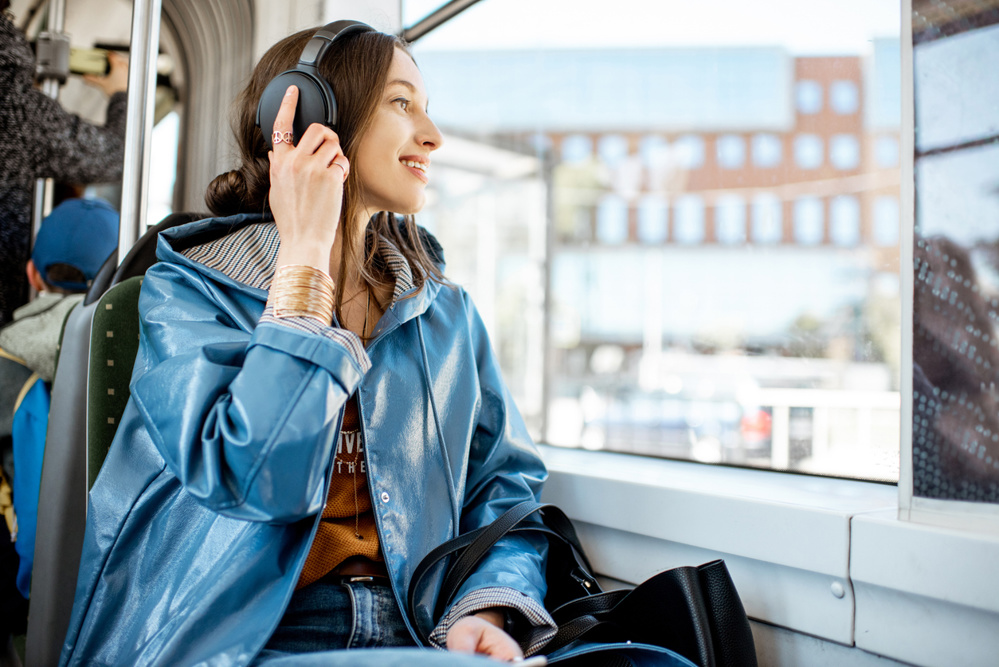
The 8:02 a.m. runway isn’t silent. Headphones are part of the uniform now. The playlist isn’t random—it’s curated specifically for transit. A song hits differently when it’s paired with footsteps, cold air, and city rhythm. That three-minute track becomes a bridge between versions of you.
Music turns a crowded platform into a scene. Suddenly, waiting for the train feels like the opening shot of your day instead of wasted time. It’s not a delusion. It’s reframing. And in a culture obsessed with main-character energy, the commute is the easiest place to build a montage without even trying. A good soundtrack doesn’t fix delays. But it changes the texture of the moment—and texture is what makes life feel like yours.
Why This Feels So 2026
We’re living in an era that craves intentional friction. For years, convenience dominated everything: tap to order, tap to stream, tap to join a meeting. Life compressed into screens. Even socializing got flattened into a thread or a reaction. Hybrid life reintroduced physical transitions. Walking to the station. Waiting in line for coffee. Standing shoulder to shoulder with strangers. These micro-frictions sound annoying on paper, but in a hyper-digital world they can feel grounding.
The commute forces presence. You notice the weather. The architecture. The light hitting your sleeve. These details don’t exist on Zoom. And after years of living through screens, real-life texture feels like luxury. That’s the shift: the commute isn’t being romanticized because it’s perfect. It’s being romanticized because it’s real.
The Commute as Social Theater
There’s also a subtle social dynamic at play. The morning commute is one of the few remaining public rituals where strangers share space without needing to perform for each other. You clock outfits. You register energy. You observe posture, bags, shoes, headphones, the way someone carries themselves through a crowd. It’s a collective runway without commentary.
No one is filming you. No one is rating you. But you’re still aware of being seen—and that awareness does something. You stand taller. You adjust the strap of your bag. You move with a little more purpose. The platform becomes a quiet performance of competence and cool. And because it’s not “content,” it feels cleaner. More human. More like life used to feel before everything had to be posted to count.
Coffee as Prop, Not Just Caffeine
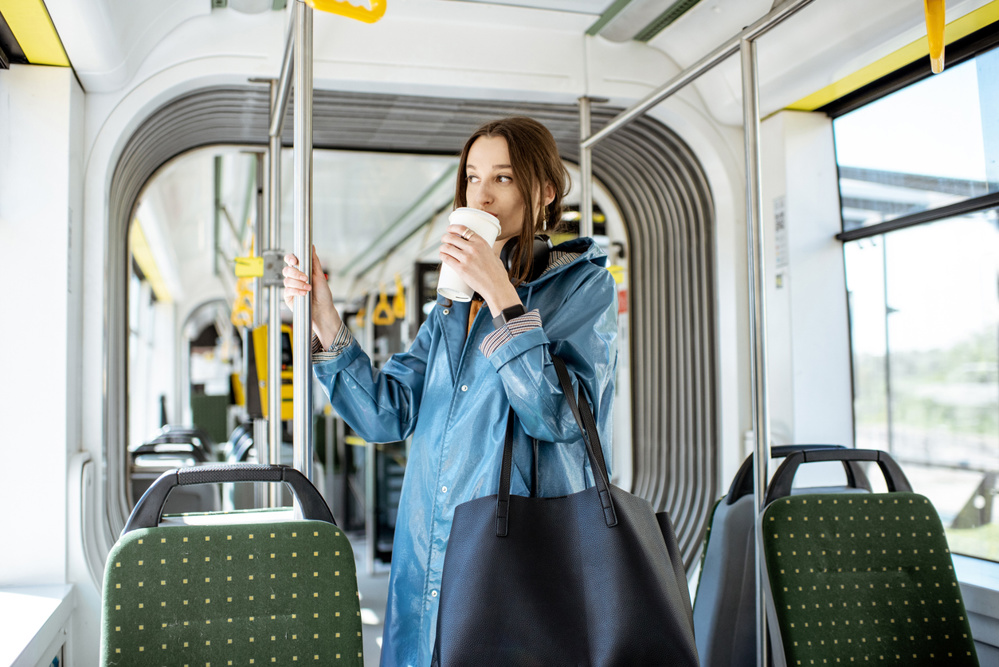
Every runway has accessories, and in the commute era the coffee cup is the main one—not because caffeine is new, but because the stop is. It’s a tiny ritual that turns “I’m rushing” into “I’ve started my day.” You step into a warm place, pick something deliberately (even if it’s the same order every time), and for two minutes you’re not scrolling, not answering, not speed-walking. You’re just choosing.
The sensory part matters more than we admit: the cup warming your hands, the steam hitting your face, the lid clicking shut, the first sip that tells your nervous system, “okay, we’re moving now.” That little sequence becomes a hinge between identities—home-self to public-self—especially on hybrid days where you’re switching modes less often, so the transition feels sharper.
Office Days and the Return of the “Third Place”
Another reason the commute is having a moment: people missed public life more than they realized. Remote life shrank our worlds. Even when we were productive, everything felt private and contained. Hybrid work brought back “third place” energy—the cafés, sidewalks, trains, lobbies, and little shared spaces where you feel part of a city instead of just a person with Wi-Fi.
That’s why people care about route rituals now: the café that knows your order, the train car you always aim for, the exact walking path that makes the morning feel less rushed. Those habits aren’t random—they’re rebuilding a social nervous system. Pop culture is romanticizing city life again for the same reason. “City girl mornings,” street-style obsession, and the renewed allure of being out in the world aren’t just aesthetic—they’re emotional. The city represents possibility. The commute is the daily door into that feeling.
Why This Change Matters Today
It’s tempting to call the “commute runway” idea aesthetic coping. But there’s something deeper making it stick: the commute is one of the few parts of modern life that still interrupts autopilot. You can scroll on the train, sure, but the real world still taps you on the shoulder—weather, strangers, noise, motion, the song that hits at the exact moment the doors open. Reality keeps insisting you’re here.
That interruption is valuable in 2026 because so much of life is optimized to remove pauses. Hybrid work reintroduced a pause on purpose: a buffer between roles. Buffers protect identity. They give your brain time to transition—to stop being “home you” and become “public you,” then later to stop being “work you” and return to yourself.
So yes, the platform is a runway. But it’s also a boundary. A small act of agency: my pace, my soundtrack, my presence. In a culture drowning in noise, that’s not shallow. That’s a quiet way of taking your life back.
The Return Trip Glow
The evening commute has its own runway. Golden hour through bus windows. Reflections in subway glass. The city softens as you move away from work. There’s satisfaction in leaving physically. Closing a laptop is one thing. Walking onto a platform and watching your office disappear behind you is another.
The return trip becomes decompression. You replay conversations. You plan dinner. You exist in between. Hybrid life restored that buffer—space to transition back into yourself instead of dragging work energy straight into your living room. And buffers are rare. That’s why they feel luxurious.
Conclusion
The 8:02 a.m. train platform may never be glamorous in the traditional sense. There will still be delays. Spilled coffee. Missed connections. Weather that disrespects your hair. But in 2026, it’s no longer invisible. It’s the moment the coat swings on. The playlist starts. The city opens. The private self shifts into public presence. The commute isn’t dead time anymore—it’s the runway where the episode begins. Whether anyone else notices or not, that brief stretch of sidewalk between your front door and the station is yours.