

If you want the truth about an It Girl, don’t check her grid. Check her nightstand. Not in a creepy way—more in a cultural anthropology way. In 2026, we’ve gotten fluent in the difference between what’s performative and what’s personal. A red carpet look is a statement. A “what’s in my bag” video is a soft ad. But the nightstand? The nightstand is where the day ends. It’s what someone reaches for when no one’s watching.
That’s exactly why it has become such a tell. The objects beside the bed don’t just sit there. They signal what kind of life someone is building: calm or chaos, private or public, analog or hyper-online, taste-driven or trend-driven. In an era obsessed with micro-curation—Letterboxd logs, book lists, mood boards, “wind-down routines”—the nightstand is basically an identity summary in a 12-inch square.
Why Nightstands Became the New Personality Proof
For years, celebrity culture trained us to read style as identity. We dissected outfits the way we used to dissect interviews: silhouettes, designers, “era” coding. But the internet also broke our trust in the obvious stuff. We can feel media training. We can spot a brand deal from a mile away. We’ve seen enough curated “authenticity” to know that public personality often comes with lighting and strategy.
So we started looking for quieter evidence—proof of interiority. That’s where nightstands come in. They’re not optimized for virality. They’re optimized for function. The best ones aren’t impressive because they’re expensive; they’re compelling because they’re consistent. The items within arm’s reach tell you what a person does at 12:30 a.m. when the performance drops.
In 2026, that’s the new flex: not being seen everywhere, but having a private rhythm. Having taste that shows up in habit, not just in captions.
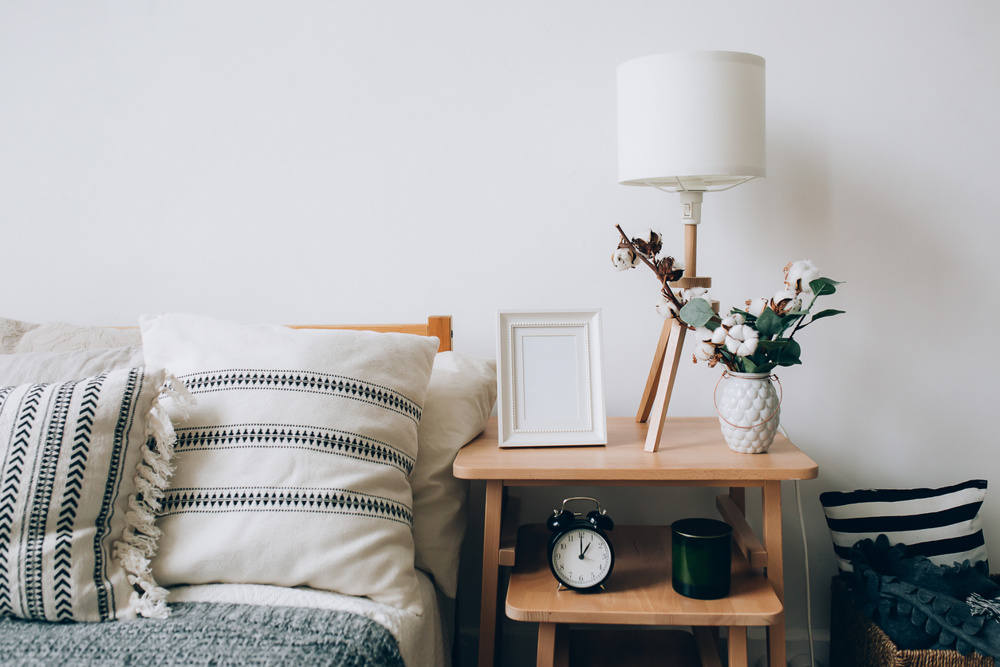
The Nightstand Rule: What You Reach For Matters More Than What You Own
Here’s the core idea that ties everything together: the nightstand is not storage—it’s proximity. No one “accidentally” keeps something next to their bed. That space is earned. It’s reserved for comfort, attention, and tomorrow. The stuff that makes you feel okay. The stuff that helps you shut down. The stuff that sets you up for the morning. That’s why nightstands read like a personality blueprint. They’re where your values become physical:
- Do you treat rest like collapse or ceremony?
- Do you choose stimulation or softness at night?
- Do you archive your life or let it dissolve into the feed?
In a world of infinite choices, the items you keep closest are your real priorities—whether you admit it or not.
The Six Nightstand Archetypes (and Why They’re Not Random)
Think of this as a guide, not a personality test. In 2026, we don’t just admire what people wear—we obsess over how they wind down. The nightstand is the smallest, most revealing corner of that story: it shows what you reach for when your phone isn’t the main character.
1) The Literary Minimalist
This nightstand has one book—just one—and it’s clearly being read. Cracked spine. Dog-eared pages. Maybe a slim bookmark. A warm reading lamp. A ceramic cup that looks like it’s been refilled a thousand times. There’s a notebook, but it’s not aesthetic. It’s used. The literary minimalist isn’t stacking ten trending titles for show. She’s moving slowly through one. She cares about depth more than display. She doesn’t need clutter to feel interesting.
In pop culture terms, this is the vibe behind the “hot person with a paperback” phenomenon—the reason people lose their minds when a celebrity gets photographed carrying literary fiction. It signals interiority. It’s the anti-algorithm accessory: something that can’t be autoplayed, monetized, or speed-run.
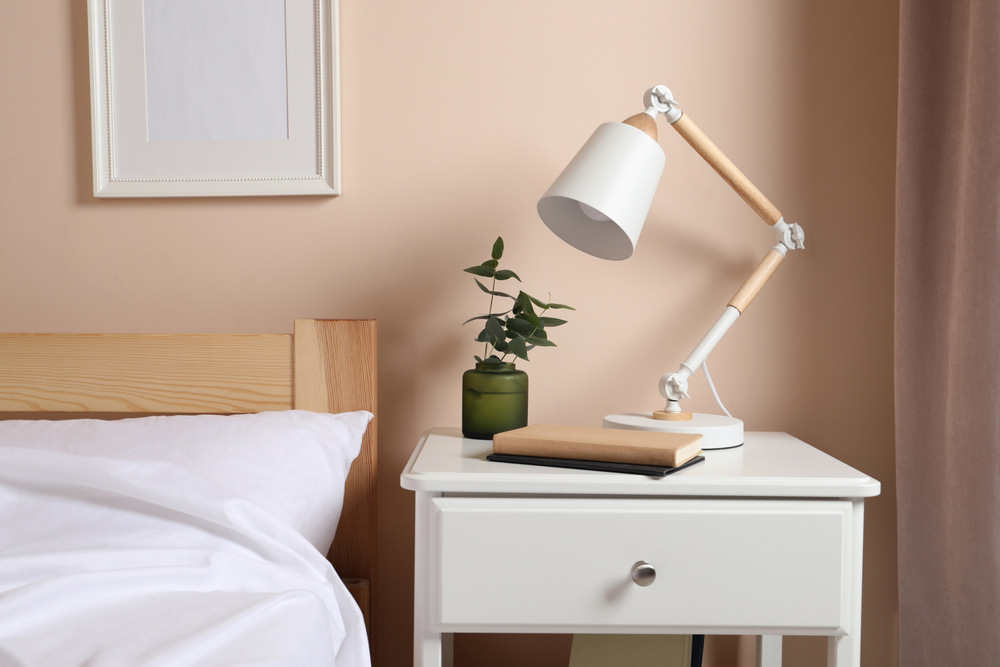
2) The Wellness Architect
This nightstand looks like it could coach you through a nervous system reset. Magnesium. Lip balm. A sleep mask. A water carafe that makes hydration feel like a ritual. A tiny essential oil roller. Maybe a sunrise alarm clock. Maybe a charging dock for a sleep tracker. But it doesn’t feel clinical. It feels intentional—like soft systems, not strict rules.
This is the girl who treats rest as luxury. Not laziness. She’s not anti-nightlife; she’s anti-burnout. She’s the reason “wind-down culture” is everywhere right now—why “bedtime routines” have replaced hustle content, and why the new status symbol is being unreachable for an hour. This is also why the nightstand is such a 2026 obsession: we’re no longer just admiring what people wear. We’re admiring how they regulate.
3) The Analog Romantic
This nightstand reads like a short film. Printed photos. A disposable camera or a tiny point-and-shoot. A matchbook from a bar. A folded letter. A fountain pen. A small stack of ephemera that would never survive the algorithm: ticket stubs, a museum tag, a receipt saved “for later.”
The analog romantic is living in the hard-copy renaissance. She’s not rejecting technology—she’s refusing to let it be the only place her life exists. In a year where so much content looks generated, filtered, or replicated, physical objects feel like receipts. A printed photo can’t be swallowed by a feed. A matchbook can’t be “optimized.” A letter can’t be reposted without losing its intimacy. This is why analog has become the new luxury: it protects the moment.
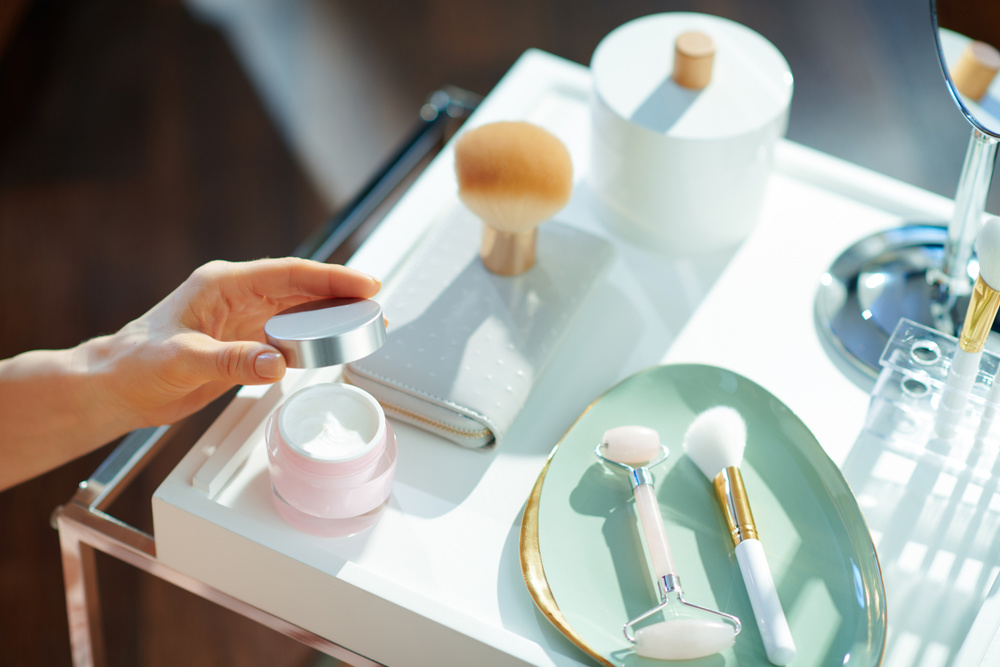
4) The High-Low Collector
This nightstand is full of tension—in the best way. A luxury skincare bottle beside a drugstore hand cream. A vintage paperback stacked under a glossy new hardcover. A designer lip gloss next to a chipped ceramic tray. It’s not messy; it’s layered.
The high-low collector isn’t loyal to categories. She’s loyal to feeling. She doesn’t want a single-aesthetic life. She wants range. She’ll pair a “serious” novel with a chaotic rom-com. She’ll mix a perfectly designed candle with a random hotel pen she stole because it writes well. This is basically the Cinematic Outfit Era, but for objects: contradiction as a point of view. In 2026, we’re tired of hyper-cohesive sameness. We trust people who can hold multiple genres.
5) The Pop Culture Archivist
This is the Letterboxd-coded nightstand. A screenplay. A film photography book. A poetry collection someone referenced in an interview. A small stack of sticky notes marking pages. Wired headphones. Maybe even a DVD or a printed zine—something that signals, I’m not just consuming culture, I’m studying it.
This is where the Ayo Edebiri–type taste comes in: smart but not pretentious, deeply referential without being gatekeep-y. In a moment where audiences care about process, influence, and “show your work,” the pop culture archivist feels powerful. She’s building a reference library, not just a vibe. It also reflects a bigger shift: celebrities are becoming curators, and fans are following them into cultural literacy.
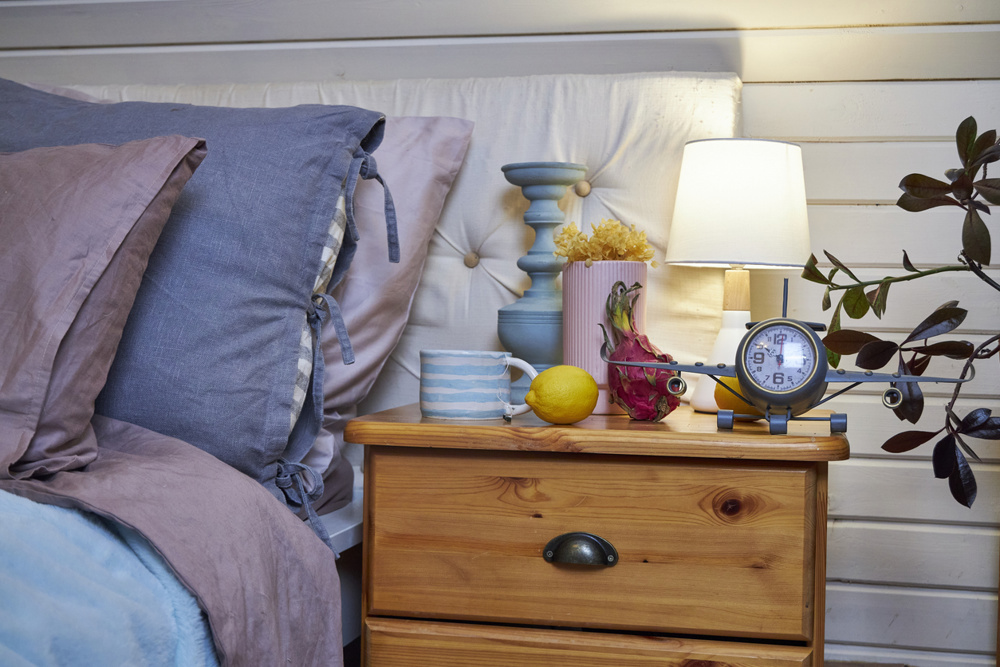
6) The Soft Chaos Muse
This nightstand is lived-in. Lip balm without the cap. A glass of water half-finished. Jewelry draped over the lamp. Notes scribbled on random paper. Three books mid-read. A pen that definitely leaks. It’s not “aesthetic clutter.” It’s evidence of motion.
The soft chaos muse doesn’t pretend to be minimalist. She’s in process. She thrives in overlap. Her nightstand looks like her brain: creative, romantic, slightly impulsive. She’s the reason “messy authenticity” is trending again—why people are exhausted by over-polished perfection and hungry for texture. In 2026, soft chaos reads as human. Not low-effort—human-effort. The nightstand becomes proof that a real person lives here, not an optimized persona.
The Phone Placement Test
If there’s one nightstand detail that says everything, it’s where the phone sleeps.
- Phone on the pillow: you fall asleep scrolling. Your brain never lands.
- Phone on the nightstand: you want control, but you’re still reachable.
- Phone across the room: you’re serious about rest. You’re building friction on purpose.
- Phone in another room: you’re in the Analog Girl / intentional absence lane.
This isn’t moral judgment—it’s just a cultural tell. In 2026, attention is currency. Where you place your phone is where you place your life.
Why This Trend Matters Right Now
The nightstand obsession isn’t random—it’s a very 2026 response to the way life feels online. We’re tired of performance, so we’re hunting for proof of real life. Big aesthetics are easy to fake; micro-rituals are harder. A nightstand is quiet evidence that someone has habits, not just branding. At the same time, taste has shifted from spectacle to subtlety.
We’re in the era of “curated by”: curated playlists, curated reading lists, curated Letterboxd logs. The nightstand fits because it’s curation without announcement—identity expressed through proximity, not projection. That’s why it can feel more revealing than a closet tour: a closet is who you want the world to see, but a nightstand is who you are when you stop being seen.
Build Your Own Without Copying Someone Else
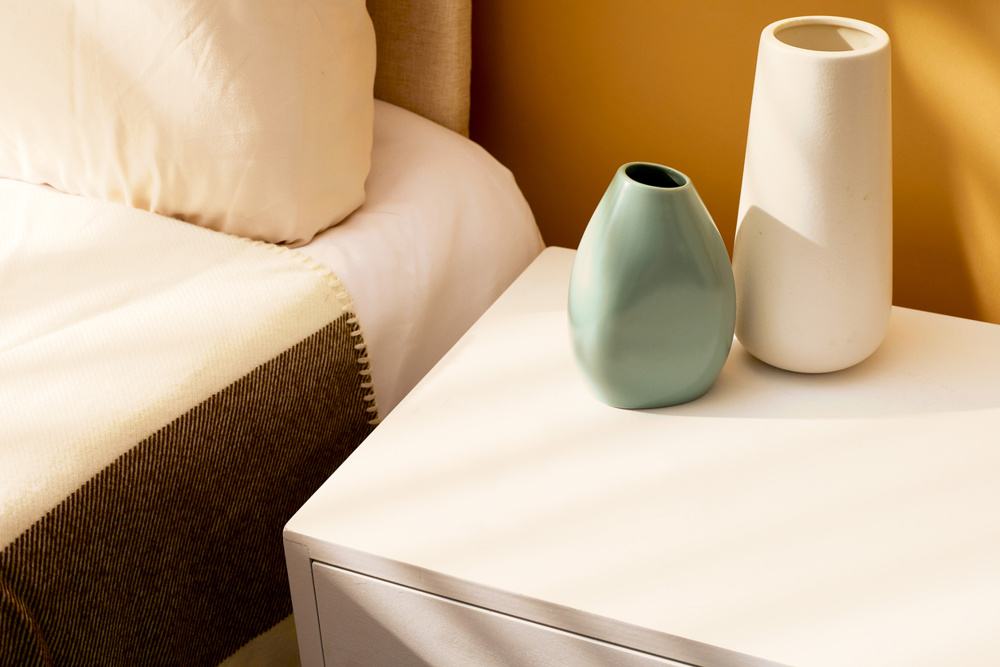
The temptation is to aestheticize it—buy a poetry book you won’t read, add a candle for the photo, and call it a day. But the best nightstands don’t look curated; they function curated. If you want yours to feel intentional, start with three simple categories: one comfort item (lip balm, hand cream, candle, eye mask), one attention anchor (a book, journal, crossword—anything that replaces the scroll), and one “tomorrow tool” (water, meds, a planner, a charger placed with intention). If it looks good but doesn’t actually help you wind down, it’s décor—not ritual.
Conclusion
Your favorite It Girl’s nightstand isn’t aspirational because it’s expensive or perfect. It’s aspirational because it feels cohesive. It tells a quiet story about how she ends her day—how she protects her attention, how she keeps her memories, how she edits her life when the audience is gone. And the real twist is: you’re telling that story too. In 2026, the loudest flex isn’t what you post. It’s what you reach for when the lights are low, the day is over, and you’re finally just you.