

There was a time when the most glamorous thing you could order at a bar was whatever had the highest proof. Tequila towers. Champagne parades. Espresso martinis stacked like trophies. For years, nightlife equated excess with excitement. But 2026 has quietly rewritten the script.
Now, the coolest nights out don’t begin with a shot—they begin with a conversation. About botanicals. About balance. About bitterness. About the finish on a smoked rosemary cordial. The new flex isn’t how much you can drink. It’s how well you can taste.
From Party Culture to Presence Culture
The underlying change isn’t that people stopped liking nightlife. It’s that people stopped wanting to disappear inside it. After years of overstimulation—work bleeding into nights, scrolling bleeding into mornings, a constant hum of notifications and news—being present has become its own kind of luxury. You can feel it across culture: the rise of “soft living,” the obsession with nervous-system care, the renewed love for routines that protect your energy instead of burning it for content.
Even the way we talk about fun has shifted. We don’t just want a night out. We want a night that doesn’t cost us the next day. That’s where sober-curious living moved from niche to normalized. Not as a moral stance, but as a vibe shift. In 2026, turning down alcohol often reads less like restriction and more like self-possession. It says: I’m here for the room, not the blur. I’m here for the soundtrack, not the hangover. I’m here to remember it.
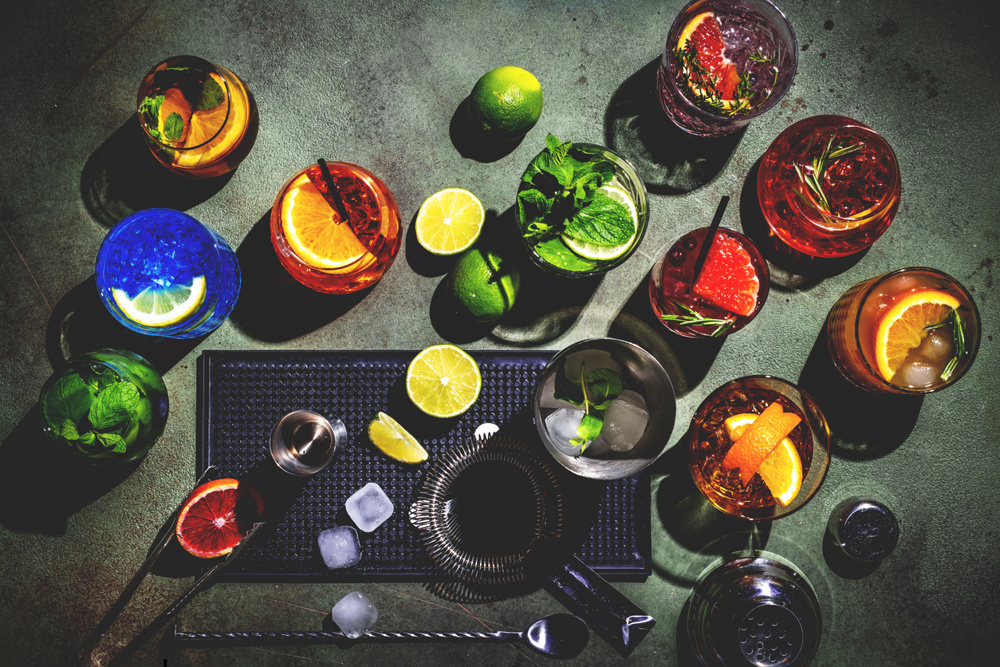
Mocktails, But Make Them Serious
The mocktail of 2026 isn’t a sad soda with lime. It’s layered, structured, and complex. It has acidity, depth, and aroma. It’s built like a wine pairing, not an afterthought.
Enter the mocktail sommelier—a bartender who treats non-alcoholic beverages with the same reverence once reserved for natural wine or rare whiskey. They’ll ask what mood you’re in. Bitter or bright? Herbaceous or floral? Something grounding or something sparkling?
Menus now read like tasting notes:
- Smoked lapsang souchong with blackcurrant reduction
- Clarified citrus cordial with basil oil
- De-alcoholized aperitif finished with orange peel mist
This isn’t abstinence. It’s craftsmanship.
Why This Feels So 2026
A lot of trends claim they’re about taste, but most are really about emotion. The mocktail boom is lasting because it mirrors the current cultural mood: intentional, curated, a little softer, and quietly proud of being functional. Energy is currency now. People protect their sleep the way they once protected their Friday plans, and waking up clearly feels like wealth. A night that doesn’t spiral into next-day anxiety isn’t boring—it’s a win. At the same time, control has started to read as luxury.
Social norms have shifted too. Declining alcohol no longer demands an explanation; choice is enough. And as “soft health” has gone mainstream, wellness feels less like punishment and more like sustainability. Drinking less doesn’t have to be an identity—it can simply be a preference. That’s why mocktail culture has become aesthetic as well as practical. A coupe glass filled with something botanical and balanced fits the new night-out mood: sleek silhouettes, warm lighting, and conversations that stretch instead of slur.
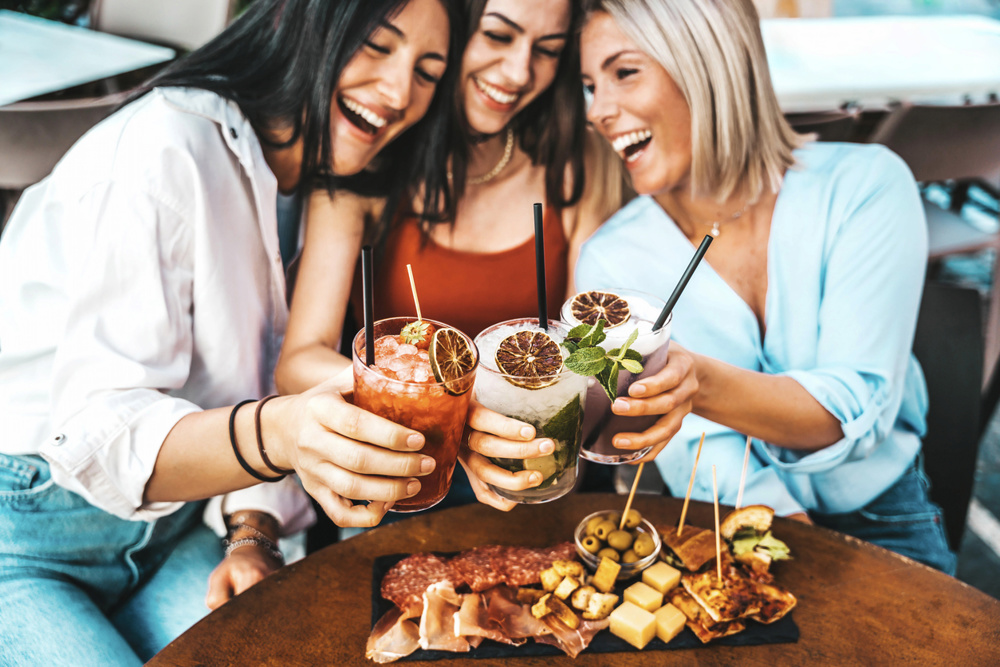
Pop Culture Has Entered the Chat
You can tell something is culturally real when it shows up beyond wellness circles—when it becomes part of the backdrop. And the sober-curious shift is everywhere in the way pop culture is styled right now.
- Events and parties increasingly serve strong non-alcoholic options, not just water and soda—because a room full of people trying to be “on” for photos doesn’t necessarily want to be drunk.
- Dating culture has expanded: “Let’s grab a drink” now often includes the assumption that the drink might be zero-proof.
- Online personality culture has changed too. The chaotic “blackout recap” energy doesn’t land the way it used to. People still want stories, but they want them in full sentences, not fragments.
There’s also a subtle narrative element: being sober-curious reads like character development. In a world obsessed with “eras,” choosing clarity becomes part of the storyline. Not forever. Not as a public vow. Just as a choice that signals intention.
Taste Is the New Tolerance
In previous nightlife eras, stamina was status. The flex was how many rounds you could handle, how late you could stay out, how chaotic the story sounded the next day. Tolerance was treated like personality and excess equaled edge.
Now, taste is the status marker. Instead of proving how much you can consume, you prove how well you can discern. Can you identify the herbs in a botanical spritz? Notice the layered bitterness in a non-alcoholic amaro? Appreciate the balance between sweetness, acid, smoke, and texture? Mocktail culture rewards attentiveness over endurance. It elevates flavor literacy over alcohol tolerance.
This mirrors broader cultural shifts too. Fashion has moved toward quality over quantity. Wellness has shifted from extremes to sustainability. Across the board, curation is replacing chaos—and nightlife is following suit.
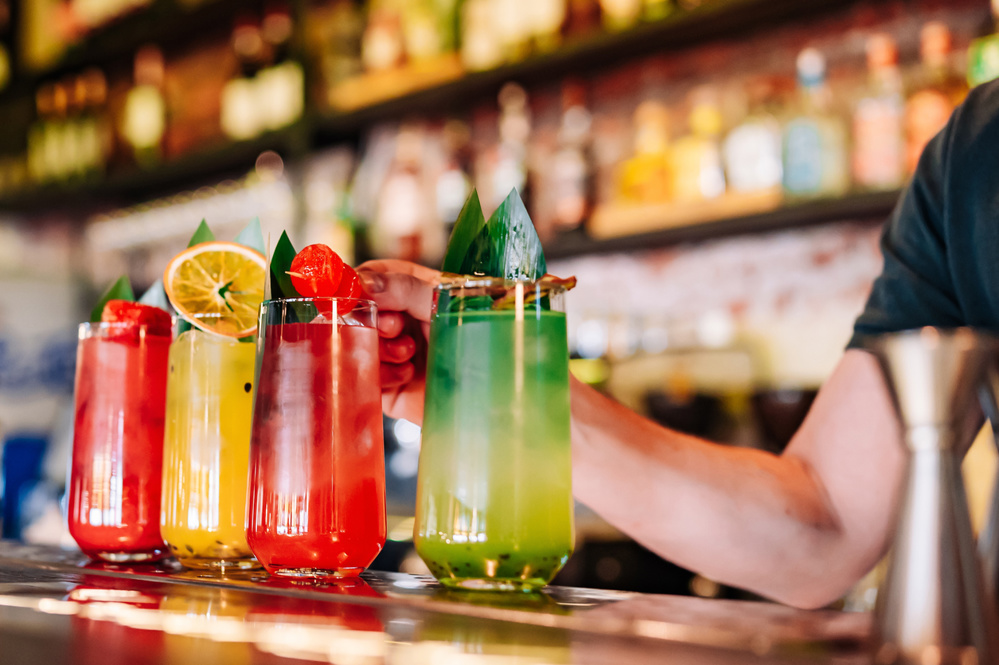
The Energy Economy
There’s also a very practical reason this shift is sticking: people are exhausted. Work bleeds into personal time. Notifications never stop. Social feeds hum in the background of everything. Attention is fractured, and energy feels finite.
In that context, heavy drinking often costs more than it gives. The hangover isn’t just physical—it’s emotional and cognitive. A night that ends without regret, without spiraling anxiety, without sacrificing the next day? That feels like a win. Sobriety—or even just moderation—becomes less about moral positioning and more about energy management. Ironically, removing excess makes the night feel lighter. When you’re not pushing past your limits, you’re more present. You laugh harder. You listen better. You go home on your own terms.
Is This the End of Alcohol?
Not necessarily. Alcohol isn’t disappearing, and for many people, it remains part of celebration and culture. But what has shifted is its exclusivity. It no longer owns nightlife the way it once did. There’s room now for nuance. Room for alternating between drinks and mocktails. Room for skipping alcohol entirely without explanation. Room for nights that feel indulgent but don’t require recovery days.
The mocktail sommelier isn’t replacing the bartender—they’re expanding the menu of what “fun” can look like. In 2026, a good night out isn’t defined by how much you consume. It’s defined by how present you feel while you’re there.
A Quick Counterpoint: This Trend Can Get Performative
It’s worth saying: not drinking isn’t automatically virtuous, and mocktail culture isn’t automatically inclusive. Sometimes the “new sobriety” vibe gets packaged as a superiority complex, or as a luxury trend that only exists in places where a zero-proof drink costs as much as an entrée. And sometimes the conversation around sobriety can get weirdly moral, like everyone’s choices need to be ranked.
But the best version of this shift isn’t purity. It’s permission. Permission to choose what works for your body. Permission to be in the room without needing to numb yourself. Permission to treat zero-proof as a real option, not a consolation prize. That’s the cultural upgrade: not “alcohol is out,” but “alcohol isn’t the only way to have a good night.”

How to Order Like a Mocktail Sommelier
If you want to participate in this trend without overthinking it, here’s the easiest way to sound like you know what you’re doing:
Start with a mood:
- Bright (citrus, tonic, bubbles)
- Bitter (aperitif-style, herbal, dry)
- Smoky (tea-based, spice, roasted notes)
- Soft (vanilla, coconut water, gentle fruit)
Pick a “style” you already like:
- Spritz
- margarita-style
- negroni-style
- something highball/tonic-forward
- something tea-forward and complex
That’s it. You don’t need a speech. The point is to treat the drink like a choice, not an apology.
Conclusion
The new sobriety isn’t about moral superiority. It’s about the atmosphere. It’s about walking into a room and choosing presence over performance. In 2026, the coolest nights out don’t blur—they glow. They’re curated, intentional, and remembered in full color. A coupe glass filled with something botanical and balanced can feel just as celebratory as champagne—maybe more—because it signals the new kind of luxury we’re all craving.