

There was a time when exclusivity in nightlife meant velvet ropes and bottle service. A hidden door. A members-only list. A bartender who knew your name and your usual. The point was indulgence—access to excess. In 2026, exclusivity still exists. But the flex looks different.
Now the cool invite isn’t to a chaotic afterparty—it’s to a sober speakeasy. A dimly lit room with velvet booths and zero-proof pairings. A tasting menu built around botanicals instead of bourbon. A DJ set that ends before 1 a.m. so everyone can go home clear-headed. Welcome to Sober Speakeasy Season—the era of no-hangover social clubs, and presence is the new luxury.
The Cultural Hangover (and Why We’re Done With It)
The move toward sober speakeasies didn’t happen in isolation. It’s a response to a collective burnout that’s been building for years. For a long time, nightlife equated chaos with glamour. The messier the recap, the better the story. Being the last one standing was a badge of honor.
But that badge started to feel heavy. As workdays stretched longer and digital life blurred into personal time, the physical and emotional cost of excess became harder to ignore. Hangovers weren’t just headaches — they were anxiety spirals, disrupted sleep, lost productivity, and emotional fog. The aftermath began to outweigh the moment. The sober speakeasy isn’t anti-fun. It’s an anti-recovery-day culture. It asks a simple question: what if the night felt good while it was happening — and still felt good the next morning?
View this post on Instagram
What Exactly Is a Sober Speakeasy?
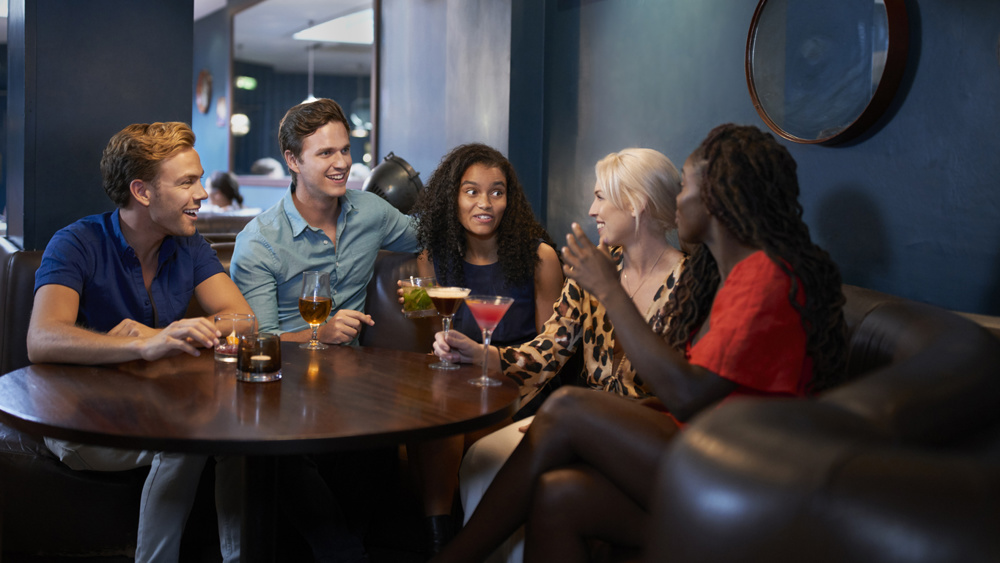
A sober speakeasy isn’t just “a bar without alcohol.” It’s a reimagined nightlife environment where atmosphere, flavor, and pacing do the work alcohol used to do. The lighting is warm and low. The music is curated, not punishing. Seating feels intentional—booths you sink into, corners you can actually talk in, a room designed for connection instead of chaos. And the menu doesn’t read like an apology. It reads like a tasting list.
Instead of “mocktail” being code for soda-with-lime, drinks are built with structure: bitterness, acidity, aroma, finish. The bartender asks questions the way a sommelier would. Bright or bitter? Herbal or citrus? Sparkling or smoky? Something that feels clean and crisp, or something moody with depth?
A typical night might include a zero-proof flight where each drink has a distinct personality:
- Bright: a clarified citrus spritz with grapefruit peel and basil oil
- Bitter: a de-alcoholized aperitif-style drink finished with orange mist
- Smoky: lapsang souchong tea with blackcurrant reduction and a rosemary “smoke” note
Nothing about it feels like deprivation. It feels designed. Elevated. A night out that still has ceremony.
From Bottle Service to Botanical Service
For years, status in nightlife was tied to endurance. How much you could drink. How late you could last. How outrageous the recap sounded. “I blacked out” was treated like a punchline. Tolerance was a weird kind of badge. Now the status marker is discernment. People want to taste the night, not just survive it.
In sober speakeasy culture, the flex isn’t double-fisting shots. It’s being able to clock the cardamom. To appreciate bitterness without needing alcohol to make it feel “real.” To understand balance—sweetness that doesn’t collapse into syrup, smoke that doesn’t overwhelm, citrus that finishes clean.
It’s the same shift you’ve seen in fashion and food: less quantity, more curation. The point isn’t to consume more. It’s to consume better.
Why This Feels So 2026
The sober speakeasy movement aligns seamlessly with the current “smart, soft health” era. Wellness in 2026 isn’t rigid or punishing. It’s sustainable. People care about how they feel — not just how they look in photos. Sleep is no longer negotiable. Mental clarity is prioritized. Energy is treated like a finite resource. Choosing not to drink — or to drink less — fits naturally into that rhythm. It doesn’t require a dramatic identity shift. It’s simply an extension of caring about tomorrow.
There’s also an aesthetic component. The current vibe isn’t messy party energy. It’s an edited romance. Clean silhouettes. Intentional details. A coupe glass filled with something botanical complements that mood far better than a neon shot glass ever could.
The Rise of the No-Hangover Social Club
Here’s where the movement gets bigger than bars: a sober speakeasy is the venue. The no-hangover social club is the ecosystem. It’s what happens when sober nightlife becomes repeatable, community-driven, and programmed like culture—not just like service.
These spaces aren’t only about drinks. They’re hybrid rooms: part lounge, part listening space, part salon. The events are the point. A vinyl night where the DJ plays full albums. A poetry reading in a candlelit corner. A themed tasting evening built around “bitter,” “bright,” and “smoky.” A conversation series. A guest set. A late-night café vibe, but dressed like a speakeasy.
And crucially, the night has a beginning, middle, and end. Doors at 8, music at 9, peak at 11 and soft close by 12:30. It doesn’t drag until everyone’s sloppy. It lands, intentionally. That structure is why it feels exclusive, but not exclusionary. The “membership” isn’t about gatekeeping. It’s about consistency—knowing the room will protect the vibe.
Pop Culture’s Quiet Pivot
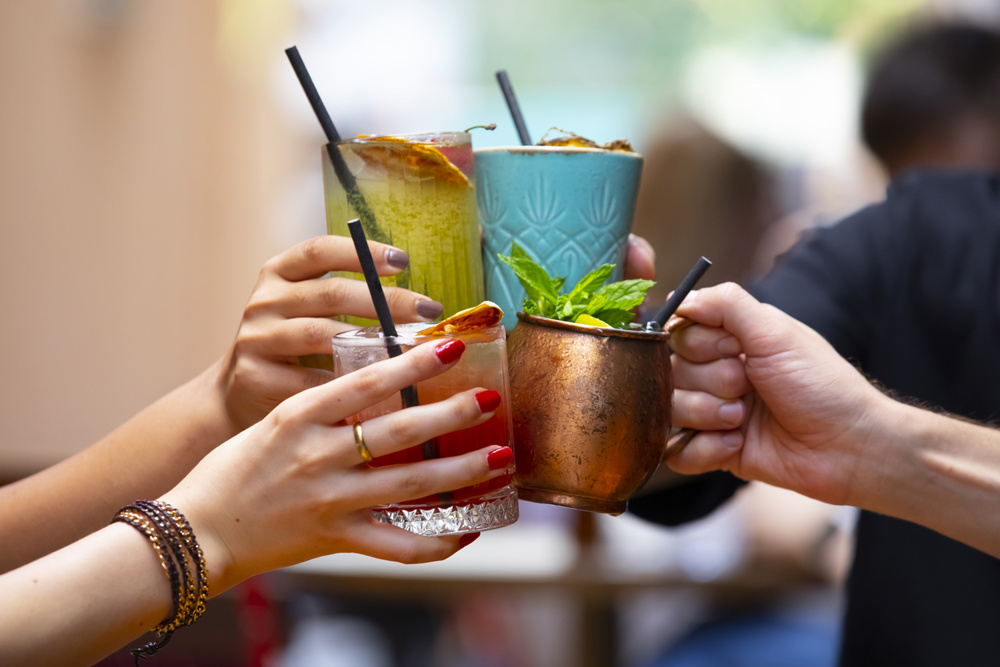
Cultural cues reinforce this shift. Fashion events now feature elaborate non-alcoholic pairings alongside champagne. Music industry afterparties include zero-proof tasting menus. Celebrities speak casually about sobriety or moderation without framing it as a dramatic reinvention.
What’s changed is the tone. Not drinking no longer demands an explanation. It doesn’t signal withdrawal from culture. In many circles, it signals control. And control reads as aspirational in 2026. Pop culture isn’t glamorizing self-destruction the way it once did. The chaotic party archetype has been replaced by something more composed. Nightlife is adjusting accordingly.
The Energy Economy
There’s also a deeply unglamorous reason this movement works: people are exhausted. Workdays bleed into nights. Notifications never fully stop. Social media turns “rest” into another performance. In that environment, heavy drinking can feel less like release and more like sabotage. It disrupts sleep, spikes anxiety, and eats the next day alive.
A sober night out becomes a form of self-respect. Not superiority. Not purity. Just a practical choice that protects your baseline. And ironically, when you remove the crash, the night gets lighter. Laughter feels sharper. Music hits cleaner. Conversations stretch without dissolving. The payoff isn’t only “no hangover.” It’s “I remember everything—and it was still fun.”
Redefining “Fun”
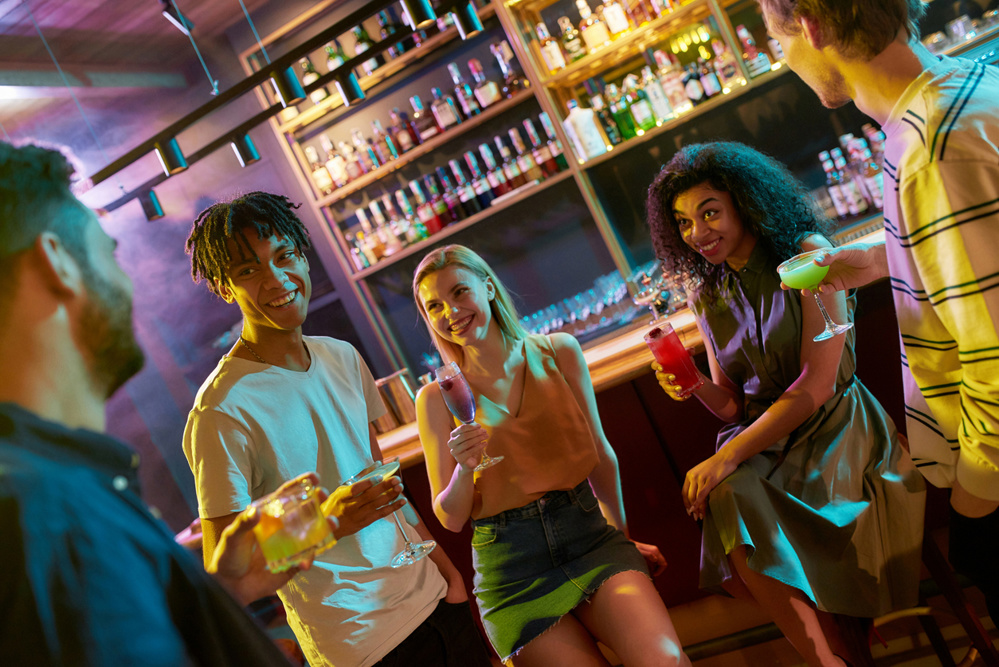
For decades, “fun” was tied to losing control. The new definition doesn’t reject wildness—it rejects automatic excess. The point isn’t to make nightlife sterile. It’s to make it sustainable. A 2026 sober speakeasy night looks like this: You arrive dressed like the scene matters—structured coat, sleek boots, jewelry that catches low light. The room is warm and intimate. You order something smoky and citrusy. The bartender explains the finish. You sip slowly.
You talk. You notice details. You leave before exhaustion hits—not because the night was boring, but because it felt complete. And the next morning, you wake up without dread. You don’t need to piece together your own story. That’s the new luxury.
Is Alcohol Over?
Not at all. Alcohol isn’t disappearing. For many people, it remains part of celebration and culture. But what’s changed is its monopoly. There’s space now. Space for alternating. Space for opting out without explanation. Space for nights built around connection rather than consumption. The sober speakeasy isn’t anti-alcohol. It’s an anti-automatic excess. It’s nightlife redesigned around intention.
A Quick Counterpoint: When “Sober Cool” Gets Weird
It’s worth saying: not everyone has access to these spaces. Some are expensive. Some are city-centric. Some will inevitably get turned into an aesthetic trend that feels more about status than substance.
There’s also a risk of moralizing. “Sober cool” can get preachy if people treat it like a purity badge. That kills the vibe fast. The point isn’t to judge people who drink. It’s to break the monopoly alcohol used to have over what counts as a good night. The healthiest version of this trend is simple: more options, more choice, less pressure either way.
The Bigger Picture: Control as the New Glamour
Zoom out and you’ll see the real cultural shift underneath the mocktails. 2026 glamour is about control. Control over your time. Your energy. Your choices. Your narrative. For years, the most glamorized public image was someone unraveling spectacularly. Now the aspirational image is someone composed. Present. Self-aware. Still having fun, but on purpose.
The velvet rope is still there. It just guards something different now: clarity, taste, atmosphere, and the kind of night that doesn’t cost you tomorrow.
Conclusion
Sober Speakeasy Season isn’t prohibition. It’s refinement. It’s walking into a room where the drinks are crafted, the lighting is intentional, and the conversation doesn’t dissolve into chaos. It’s leaving before the night collapses and waking up without regret. It’s realizing you can still have glamour without the crash. In 2026, the coolest nights out don’t blur. They glow. Same velvet booths—just a different kind of buzz.