

The 1980s transformed the candy industry into a vibrant playground of bold flavors, eye-catching packaging, and cultural milestones.
From the cinematic rise of Reese’s Pieces in E.T. to the tangy punch of Sour Patch Kids and the novelty of Big League Chew, these treats became more than snacks—they were cultural icons.
Their inventive designs and daring tastes continue to spark nostalgia, proving that 80s candy was as much about experience as it was about sugar.
Key Takeaways
- 1980s candy packaging embraced neon colors, bold typography, and pop culture tie-ins.
- Reese’s Pieces became iconic through E.T.‘s groundbreaking product placement.
- Sour Patch Kids helped popularize tart flavors before Warheads arrived in the U.S.
- Big League Chew revolutionized bubble gum with its shredded format and baseball branding.
- Movie theater classics like Skittles became integral to 80s cinema culture.
The Colorful World of 80s Candy Box Designs
Candy packaging in the 1980s embraced the decade’s aesthetic of neon colors, flashy graphics, and cartoon mascots. Companies shifted from plain wrappers to glossy, metallic designs that stood out on crowded shelves.
Bright typography and pop culture references—from arcade games to music videos—made candy boxes collectible in their own right. Advances in printing allowed resealable pouches and intricate visuals, reflecting the era’s love for bold expression and convenience.
The decade’s big hair aesthetic even influenced candy packaging with voluminous designs and exaggerated proportions.
How E.T. Made Reese’s Pieces a Household Name
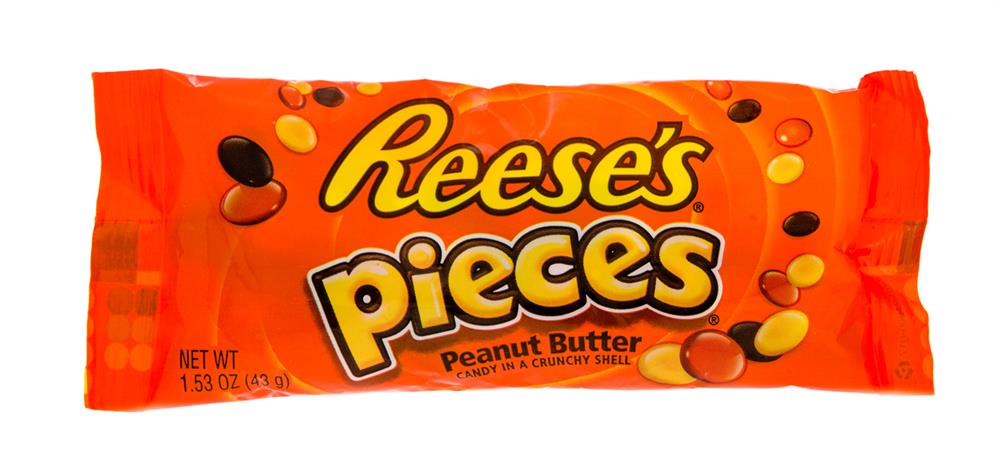
Reese’s Pieces, launched in 1978, initially struggled until its pivotal appearance in Steven Spielberg’s E.T. the Extra-Terrestrial (1982).
When Mars turned down the opportunity to feature M&M’s, Hershey seized the chance to promote Reese’s Pieces.
Hershey’s $1 million marketing investment (not a paid placement) resulted in sales tripling within weeks, cementing the candy’s place in pop culture. This move remains one of cinema’s most successful product tie-ins, intertwining peanut butter candy with 80s movie magic.
Sour Revolution: When Tart Became Trendy
The 1980s introduced a craving for tart, bold flavors. Sour Patch Kids, rebranded in 1985 from the original “Mars Men” in Canada, combined mischievous mascots with a unique sweet-and-sour punch. While Warheads didn’t hit U.S. shelves until 1993, the groundwork for sour candy popularity was laid during this era.
Much like the catchy tune of the 1970s Meow Mix jingle that remained stuck in people’s heads for decades, these sour candy brands created memorable experiences that became embedded in popular culture.
Baseball, Bubble Gum, and Big League Chew
In 1980, former baseball players Rob Nelson and Jim Bouton developed Big League Chew, a shredded gum designed as a fun, safe alternative to chewing tobacco.
Sold in colorful pouches featuring animated baseball players, the gum quickly became a dugout and playground favorite. With $18 million in first-year sales, it proved that candy could combine novelty, function, and cultural relevance.
Movie Theater Candy Classics That Defined the Decade
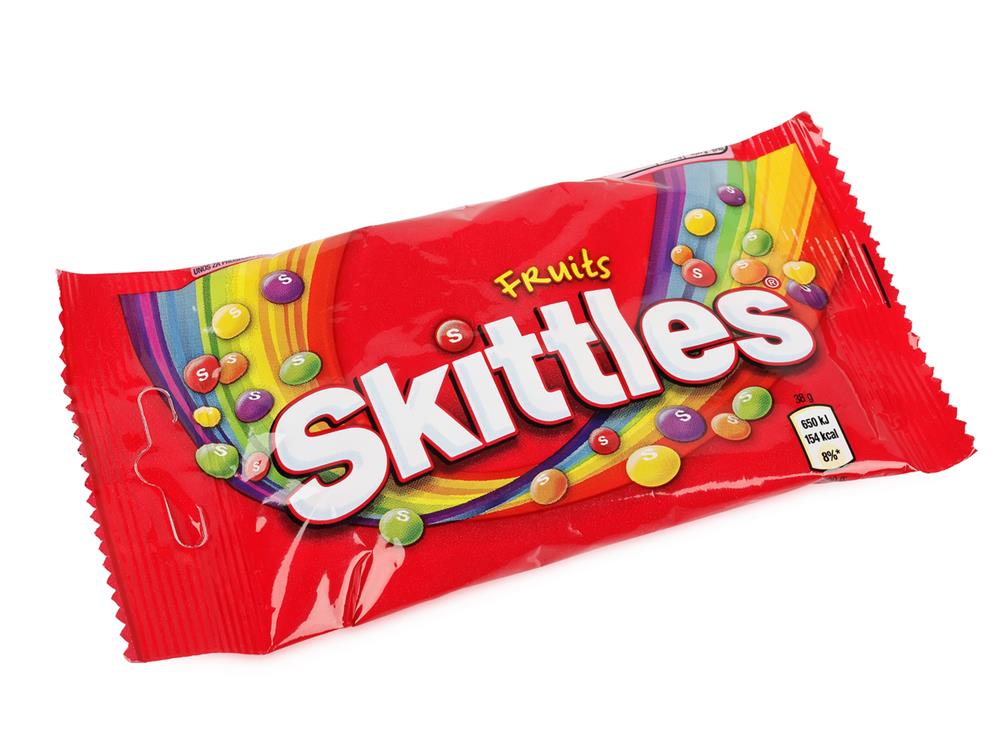
Movie theaters became prime venues for candy innovations. Skittles, introduced to the U.S. in 1979 and widely distributed by 1982, rose to prominence with its “Taste the Rainbow” campaign.
SweetTarts and Sour Patch Kids thrived as sharable box candies, while Reese’s Pieces dominated as a post-E.T. movie snack. These treats not only enhanced cinema outings but also became intertwined with blockbuster culture and 80s entertainment.
Legacy and Lasting Impact
The candy innovations of the 1980s left a permanent mark on the confectionery world. Their creative designs, daring flavors, and pop culture crossovers shaped the way candy was marketed and consumed. Decades later, many of these sweets enjoy nostalgic revivals, proving that the bold, playful spirit of 80s candy still resonates with audiences today.