

The 1970s brought us some of the catchiest jingles in advertising history. These tunes are so memorable that you might still find yourself humming them today. From snacks to insurance, these jingles did more than sell products—they became part of our everyday lives. Let’s revisit ten jingles from the 1970s that are impossible to forget.
1. My Bologna Has a First Name
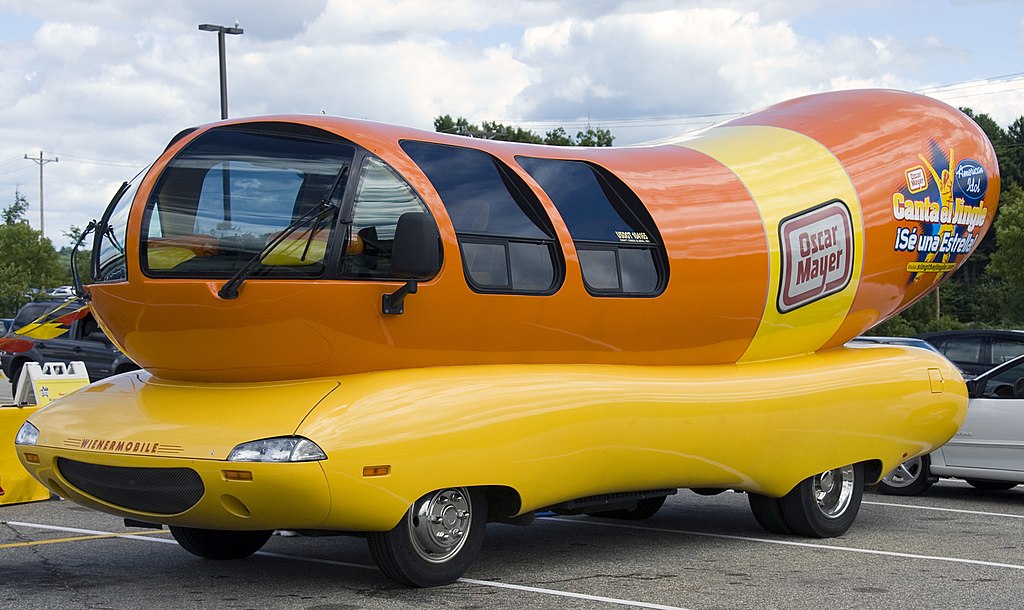
The Oscar Mayer jingle, “My bologna has a first name, it’s O-S-C-A-R,” became hugely popular in the 1970s. The charming commercial featured kids singing and spelling out the brand name. Created by advertising agency J. Walter Thompson, the tune cleverly helped children—and adults—remember how to spell “Oscar Mayer.” It wasn’t just catchy; it taught you something. This friendly approach made Oscar Mayer bologna a household staple, embedding it deeply into American culture.
2. Ring Around the Collar
“Ring Around the Collar” was a famous jingle used by Wisk detergent. It humorously addressed a common laundry challenge: dirty shirt collars. The repetitive jingle, almost teasing in tone, stuck easily in people’s minds. Housewives especially related to this ad, as it addressed a familiar issue while subtly reminding them of household responsibilities. The catchy tune made Wisk a top choice in the laundry aisle, helping it stand out in a competitive market.
3. I Am Stuck on Band-Aid
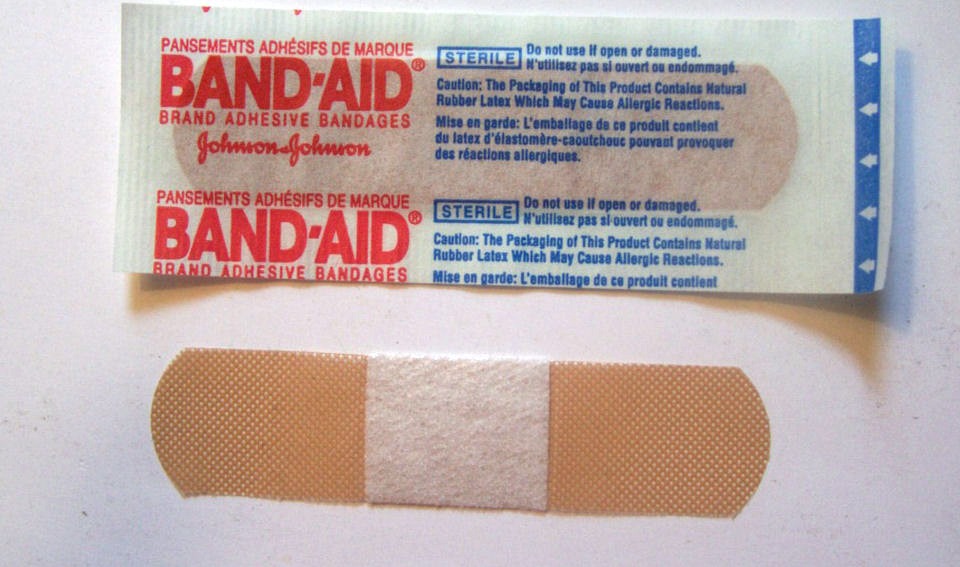
Barry Manilow crafted the unforgettable “I am stuck on Band-Aid, ’cause Band-Aid’s stuck on me” in 1975. Its simple lyrics and melody quickly captured children’s attention. Kids across the nation sang along, associating Band-Aid with healing minor cuts and scrapes. The jingle didn’t just sell Band-Aids; it became a comforting part of childhood memories. This emotional connection helped Band-Aid maintain a strong presence even decades later.
4. Like a Good Neighbor

Another classic from Barry Manilow is State Farm’s “Like a Good Neighbor.” This reassuring tune emphasized trust and reliability, qualities people want from insurance. Its simple, friendly melody communicated a clear message: State Farm was always nearby, ready to help. The jingle has lasted decades, constantly refreshed but always sticking to its original comforting theme, making State Farm a trusted name across generations.
5. Ace Is the Place
“Ace is the place with the helpful hardware man” clearly showed Ace Hardware’s commitment to customer service. Introduced in the 1970s, this jingle quickly became familiar. Ace targeted homeowners and DIY enthusiasts, emphasizing friendly help rather than just selling products. Even though the wording evolved over time, the message of helpfulness stayed strong. This memorable tune made Ace Hardware a go-to spot for household projects.
6. You Deserve a Break Today
In 1971, McDonald’s launched “You Deserve a Break Today.” This jingle appealed directly to busy families needing a quick, enjoyable meal together. It wasn’t simply selling burgers; it was offering relaxation and family time without kitchen stress. Famous actors like John Amos and Anson Williams featured in these commercials, further cementing McDonald’s as a family-friendly spot. This jingle contributed significantly to McDonald’s enduring popularity.
7. I’d Like to Teach the World to Sing
Coca-Cola’s iconic “I’d Like to Teach the World to Sing” was created by Bill Backer in 1971. At a time when peace and unity were especially important, this jingle struck a chord. It quickly became more than just an ad; it symbolized harmony and global friendship. Different artists, including the Hillside Singers, made the song famous beyond commercials. Even today, it’s remembered as a powerful message of unity from the 1970s.
8. Two All-Beef Patties
“Two all-beef patties, special sauce, lettuce, cheese, pickles, onions on a sesame seed bun” was McDonald’s catchy way of promoting the Big Mac. Created in 1974, this jingle cleverly helped customers remember exactly what was in their signature burger. Its rhythmic structure made it easy and fun to memorize. The Big Mac quickly became a beloved sandwich, and the jingle itself turned into a pop-culture reference appearing in TV shows and movies.
9. Meow, Meow, Meow, Meow
Meow Mix introduced their unforgettable jingle in 1976. With simple lyrics—just repeating “Meow, meow, meow, meow”—this tune easily grabbed attention. Cat owners everywhere recognized it immediately. Surveys showed that years after it stopped airing, people still vividly remembered this catchy tune. It even found its way into pop culture references and, humorously, was reportedly used by the CIA due to its irritating yet unforgettable melody. Regardless of how people felt, it undeniably made Meow Mix memorable.
10. Hot N Juicy
Wendy’s “Hot N Juicy” jingle, featuring actor Jonathan Winters, launched in the 1970s. Winters humorously played multiple characters, emphasizing Wendy’s commitment to fresh, delicious burgers. The phrase “Hot N Juicy” highlighted Wendy’s quality ingredients, making it stand out in a crowded fast-food market. Its humor and simplicity made it relatable, effectively capturing audiences’ attention and turning Wendy’s into a household name.
Why Were These Jingles So Effective?
These jingles worked well because they were short, catchy, and easy to remember. They often had simple tunes, repetitive lyrics, and clear messages. Without today’s constant stream of online ads and social media, jingles stood out as a creative and engaging way for brands to remain memorable. They tapped into everyday life, directly addressing practical needs or common experiences, such as doing laundry, eating meals, or taking care of small injuries.
By speaking directly to these relatable concerns, jingles created emotional connections that resonated deeply with audiences, ensuring they remained a memorable part of people’s lives long after they aired.
The Impact Today
Even decades later, these jingles remain part of popular culture. People often sing or hum these familiar tunes, instantly transported back to simpler times. Some jingles have evolved slightly, but their core messages remain the same, proving their timeless appeal.
Nostalgia and Connection
Jingles from the 1970s evoke powerful feelings of nostalgia. They represent childhood, family moments, and simpler days. Brands used jingles to create emotional bonds with customers, turning simple products into lifelong memories.
In a way, these jingles shaped how we think about advertising, demonstrating that the simplest messages often have the strongest impact. Next time you hear one, let it take you back to those cheerful days of catchy melodies and unforgettable slogans.