

The 1980s revolutionized footwear by blending fashion, function, and cultural expression. From the rise of Nike Air Jordans and Reebok Freestyles to the rebellious appeal of combat boots and the playful charm of jelly shoes, this decade’s shoes became more than practical necessities—they were bold statements of identity.
Whether in corporate boardrooms, punk clubs, or aerobics studios, 80s footwear set trends that still shape today’s sneaker and fashion culture.
Key Takeaways
- Air Jordans and Reebok Freestyles turned athletic shoes into lifestyle icons.
- Combat boots symbolized punk rebellion and counterculture expression.
- Jelly shoes brought colorful plastic designs into high-fashion circles.
- Professional pumps reflected the rise of women in corporate America.
- 80s footwear innovations shaped today’s sneaker culture and fashion marketing.
The Athletic Revolution: Sneakers That Defined a Decade
The 1980s elevated athletic shoes from gym gear to cultural icons. Nike’s Air Force 1 (1982) debuted as the first basketball shoe with Nike Air cushioning, while the Air Jordan 1 (1985) capitalized on Michael Jordan’s rising stardom to spark sneaker culture. The Baltimore “Color of the Month” program even seeded the collector’s market that defines today’s sneakerheads.
Meanwhile, Reebok Freestyle, launched in 1982, was designed for women during the aerobics boom. Its high-top silhouette and vibrant colors made it a fitness and streetwear favorite, helping Reebok briefly overtake Nike in sales. These trends marked a pivotal shift, making sneakers essential not only for athletes but for youth fashion worldwide.
Rebellious Soles: Combat Boots and Punk Footwear
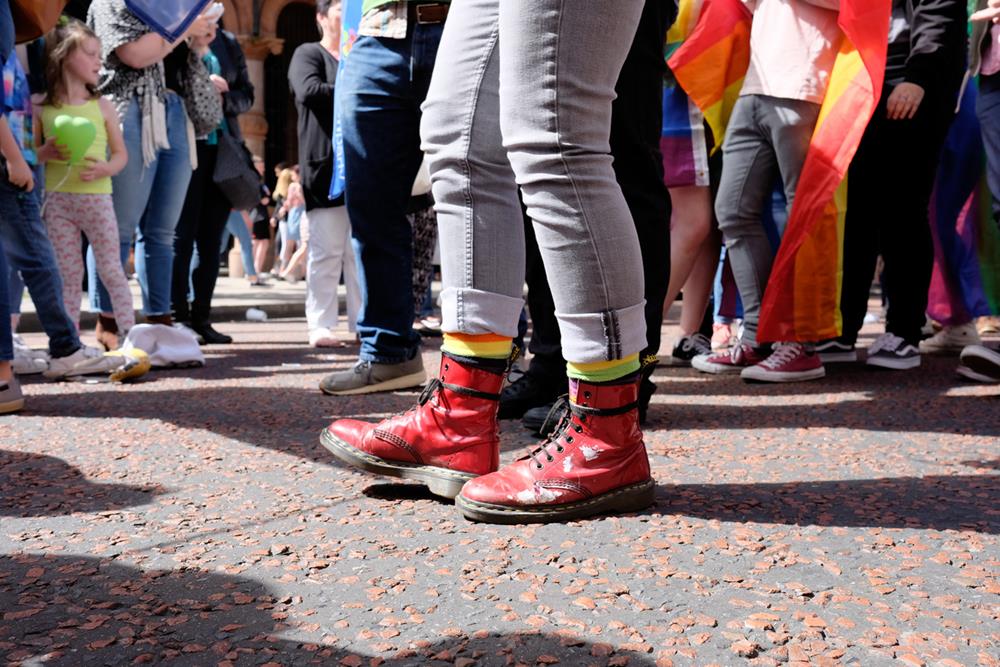
Originally crafted for soldiers, combat boots were reimagined in the 1980s as symbols of defiance. UK punk bands like The Clash and alternative scenes in New York adopted Dr. Martens as cultural armor, pairing them with ripped jeans, leather jackets, and spiked accessories. The boots became integral to punk and goth fashion, reflecting anti-establishment attitudes and working-class roots.
By the decade’s end, combat boots had transcended subcultures to influence grunge and mainstream fashion, proving their versatility as both rebellious and functional footwear.
Plastic Fantastic: The Rise of Jelly Shoes and Neon Trends
The 1982 World’s Fair in Knoxville introduced jelly shoes—brightly colored, flexible PVC sandals that quickly became a global sensation. Their lightweight, waterproof design made them ideal for summer, while affordable prices ensured accessibility. Bloomingdale’s brought jellies to the U.S. in 1983, ordering thousands of pairs after spotting them in Paris boutiques.
Fashion designers like Jean-Paul Gaultier and Thierry Mugler later incorporated jellies into high-fashion collections, proving that even playful plastic could have runway appeal. These shoes embodied the 80s love for synthetic materials and vibrant self-expression.
Power at Your Feet: Professional Pumps of the Working Woman
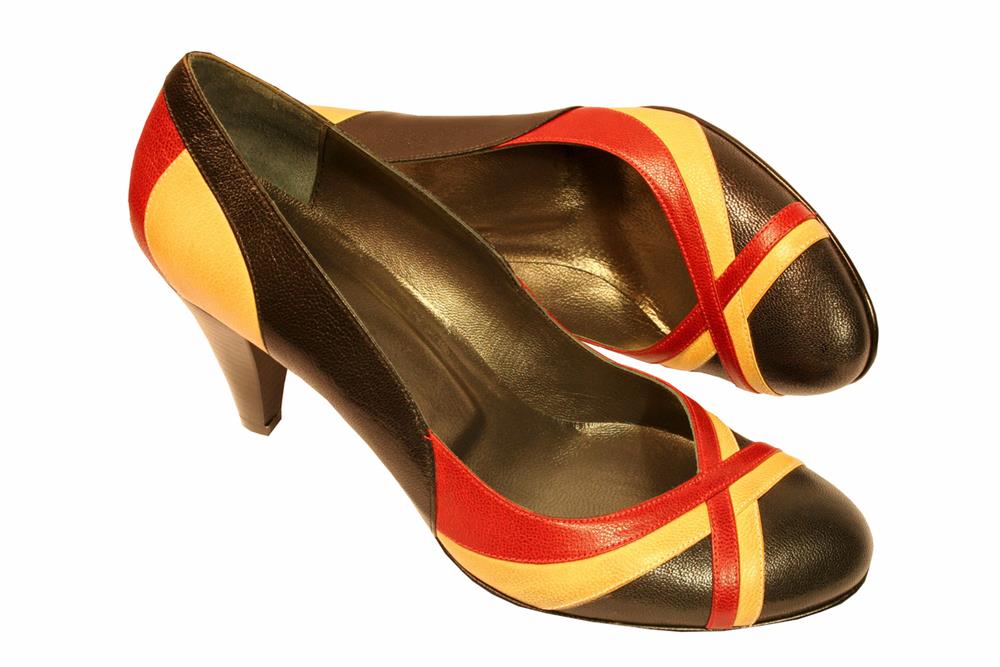
As women entered corporate America in greater numbers, the power suit demanded an equally commanding shoe. Pointed-toe pumps with modest 1–2 inch heels became staples, balancing femininity with authority. Dyeable pumps offered versatility, while white pumps briefly became fashionable in 1984 for pairing with pantyhose.
This shift wasn’t just about style—it reflected a cultural moment where women asserted their place in the workplace, using fashion as part of their professional identity.
Iconic Brands That Shaped 80s Footwear Culture
The 1980s saw brands fiercely compete for cultural dominance:
- Nike‘s Air Jordans bridged basketball performance and streetwear credibility.
- Reebok became a fitness fashion leader with its aerobics-centric Freestyles.
- Adidas gained hip-hop cachet through Run DMC’s“My Adidas” anthem and endorsement deal.
- Converse Chuck Taylors and Vans slip-ons remained go-to shoes for skaters and rockers.
- Dr. Martens solidified its punk and goth credentials.
This mix of athletic innovation, subcultural adoption, and celebrity influence shaped footwear marketing strategies for decades to come.
1980s Footwear: Trends That Walked Into History
The 1980s redefined shoes as expressions of personal style and cultural identity. From sneakerheads to high-fashion devotees, modern footwear trends owe much to this transformative decade. Whether through neon jellies or iconic Jordans, 80s shoes continue to inspire designers and consumers alike, proving these styles are more than nostalgic—they’re timeless.