

The 1950s was a decade like no other when America was buzzing with energy and optimism. After the challenges of World War II, the country was ready to embrace change and celebrate newfound prosperity.
Because of the economic growth, this decade also became a time when pop culture truly began to take shape. The ’50s laid the groundwork for many aspects of modern pop culture, so let us take a nostalgic trip back to the Fabulous ’50s and explore the iconic trends that defined the era.
1. The Rise of Rock ‘n’ Roll
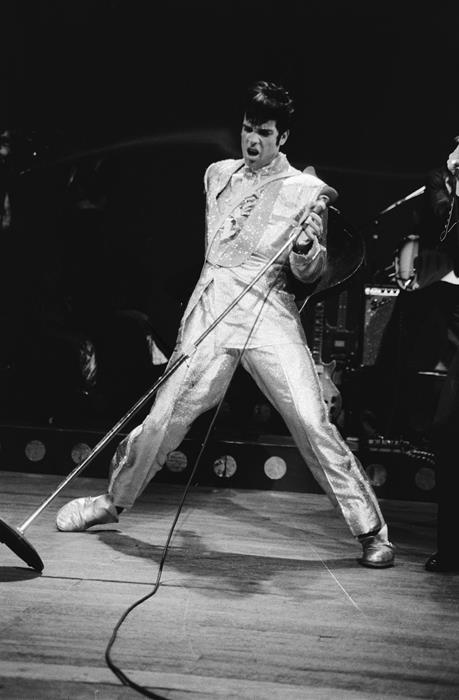
The 1950s were all about shaking things up, and nothing did that quite like rock ‘n’ roll. Imagine being a teenager back then—suddenly, this exciting new sound made you want to get up and dance. It was fast, loud, and completely different from the music your parents listened to.
At the heart of this musical revolution was none other than Elvis Presley. With his slicked-back hair, flashy outfits, and signature dance moves, Elvis became the face of rock ‘n’ roll. His songs like “Heartbreak Hotel” and “Hound Dog” were instant hits, capturing the youth’s rebellious spirit like nothing else.
Artists like Chuck Berry and Little Richard brought energy and edge to their performances, and their songs often touched on themes that resonated with young listeners—freedom, love, and a bit of rebellion.
2. Teenage Rebellion and the Music Scene
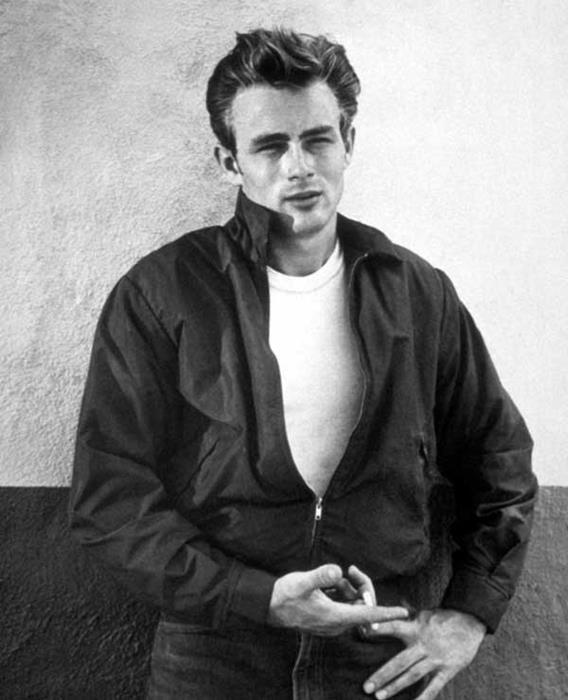
Speaking of rebellion, the 1950s were a time when teenagers started finding their own voice, and rock ‘n’ roll was the soundtrack to this newfound independence. For the first time, young people had music that spoke directly to them.
Rock ‘n’ roll was more than just about the music – it was a whole new attitude. It gave young people a way to express themselves, and, in many ways, it defined the teenage experience in the 1950s. It gave teens a way to break away from the traditions of their parents.
Parents didn’t always get it. They worried this new music was too wild, loud, or dangerous. But for teenagers, that was part of the appeal. Rock ‘n’ roll was theirs, a symbol of their generation’s unique identity. It was fun, daring, and revolutionary.
3. The Golden Age of Television

The 1950s were when television really took off, becoming a central part of everyday life for American families. After a long day, families would gather around their TV sets, ready to be entertained.
TV shows like “I Love Lucy” became household favorites. Everyone knew Lucy’s hilarious antics, and tuning in each week became a ritual. Then there was “The Ed Sullivan Show,” where you could catch the latest musical acts, including a young Elvis Presley making his television debut. These shows didn’t just entertain – eventually, they became part of the culture, something everyone talked about.
Television also changed how we shopped. Commercials brought products right into living rooms, making them impossible to ignore. Suddenly, everyone wanted the latest gadgets, the newest toys, and the most popular brands. TV was driving a new wave of consumerism.
By the end of the 1950s, television had become a must-have. It shaped how people spent their evenings, what they bought, and even how they saw the world. The small screen had a huge impact, making the 1950s truly the golden age of television.
4. Advertising and Consumer Culture

The 1950s were all about buying things. With the economy booming after World War II, people had more disposable income to spend, and advertisers knew exactly how to get them to open their wallets. This decade saw the birth of modern consumer culture, and television was the perfect tool to spread the word.
Ads were everywhere, and they were hard to resist. Whether it was a catchy jingle or a memorable slogan, commercials made products seem like must-haves. Suddenly, everyone wanted the latest appliances, the trendiest clothes, and the coolest cars. Brands became household names, and owning certain products became a way to show you were keeping up with the times.
Advertising in the 1950s also shaped how people thought about themselves and their lives. Ads promised happiness, convenience, and a better life if only you bought this or that product. They created a culture where buying things wasn’t just about need—it was about identity and status.
By the end of the decade, consumer culture was in full swing. Shopping was not just a chore but an experience. And with TV beaming these messages right into people’s living rooms, it’s no wonder that the 1950s became the era of the consumer.
5. The New Look and Teen Fashion

Fashion in the 1950s was all about looking good and feeling confident. After the simplicity of wartime styles, the fashion world was ready to embrace something new and exciting. Enter Dior’s “New Look,” which completely changed how women dressed. With its cinched waists, full skirts, and elegant lines, the New Look was all about glamour and femininity. Women everywhere wanted to capture that sophisticated style, which quickly became the decade’s fashion standard.
Beyond high fashion, teenagers were making their mark on the fashion world, too. For the first time, young people had their distinct style. Teen fashion wasn’t just a smaller version of what adults wore – it was something entirely different. Girls were rocking poodle skirts, saddle shoes, and ponytails, while boys were all about leather jackets, rolled-up jeans, and slicked-back hair. These styles became a way for teens to express their growing independence and individuality.
6. Cars as Status Symbols

In the 1950s, cars became more than just a way to get from point A to point B—they were a symbol of freedom, style, and success. Owning a car was a big deal, and the kind of car you drove said a lot about who you were. With the economy booming, more people could afford to buy cars, and the auto industry took off, offering flashier, faster, and more stylish models.
Teens especially loved their cars. Getting a driver’s license and your own set of wheels was a rite of passage for young people. It meant freedom—freedom to go where you wanted when you wanted and to hang out with friends without needing a ride from your parents. Cruising around town, showing off your car, and maybe even heading to a drive-in theater became a favorite pastime.
Cars in the 1950s were designed to stand out. Think big fins, lots of chrome, and bright colors. Models like the Chevrolet Bel Air and the Ford Thunderbird are stylish enough to be a statement. Driving one of these meant you were on top of the world.
7. Drive-In Culture
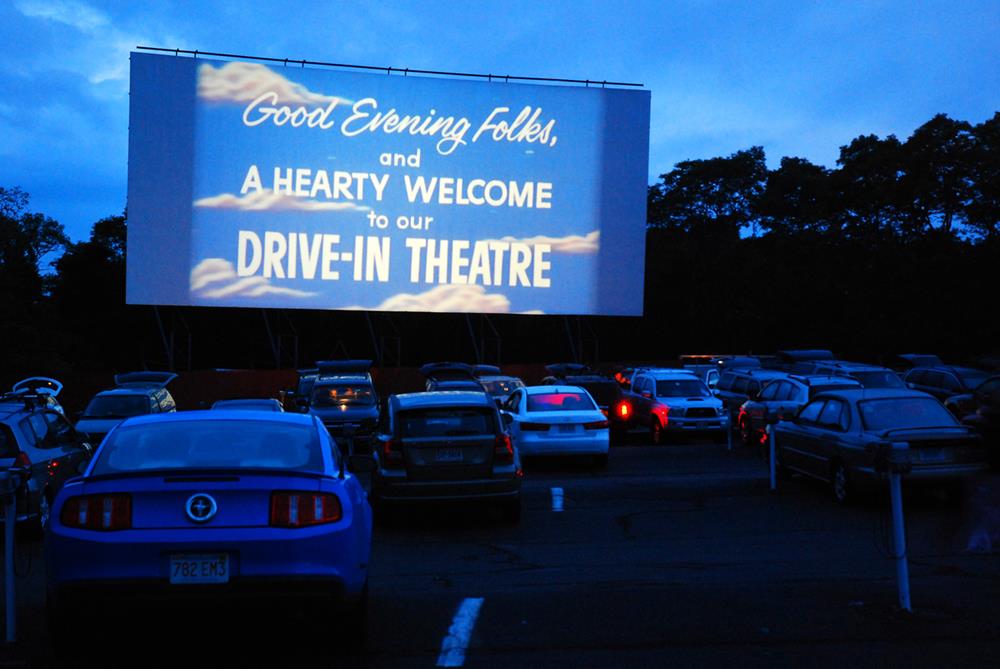
Imagine it’s a warm summer night in the 1950s. You hop in the car with your friends or family, and instead of heading to a regular movie theater, you drive to a big outdoor screen under the stars. This was the magic of drive-in theaters, a uniquely 1950s experience that combined America’s love of cars with the thrill of going to the movies.
Drive-ins were the perfect place for a night out. You could watch the latest Hollywood hits without even leaving your car. Families loved them because kids could wear their pajamas, and teens loved them because they offered a bit of privacy—who wouldn’t want to catch a movie while cuddled up with a date? And, of course, there was always a snack bar with popcorn, soda, and those classic drive-in hot dogs.
It was more than just about the movies. Drive-ins became social hubs where people could gather, hang out, and enjoy the freedom of having your own set of wheels. They were a big part of 1950s youth culture, offering a fun and affordable way to spend an evening.
8. The Beat Generation and Literature
But the 1950s was not just about rock ‘n’ roll, teenage rebellion, and cool cars—there was also a literary revolution brewing. Enter the Beat Generation, a group of writers and poets who were tired of the status quo and wanted to shake things up. These were the rebels of the literary world, and they had a big impact on how people thought about life, art, and society.
Writers like Jack Kerouac, Allen Ginsberg, and William S. Burroughs became the voices of this movement. They rejected the conventional, buttoned-up way of life that was so common in the 1950s and instead embraced a more spontaneous, free-spirited approach. Kerouac’s novel On the Road captured this perfectly, telling the story of cross-country adventures filled with jazz, poetry, and a quest for meaning beyond the material world.
The Beat Generation lived out its philosophy. It questioned authority, pushed back against conformity, and explored new ways of thinking about everything from art to politics. Its work often dealt with themes of alienation, freedom, and the search for deeper truths in a world that seemed increasingly superficial.
Though not everyone understood or appreciated their work at the time, the Beats laid the groundwork for future countercultures and left a lasting mark on American literature. Their bold, unconventional approach challenged readers to see the world differently and opened up new possibilities for artistic expression.
9. The Birth of Suburbia

The 1950s was the decade when suburbia really took off. After World War II, millions of Americans left the crowded cities and moved to newly built suburbs, where they could have a house with a yard, good schools for their kids, and a sense of community. This was the start of the suburban dream, and it completely reshaped American life.
Suburbs like Levittown, with rows of nearly identical houses, popped up all over the country. These neighborhoods offered a fresh start for many families, promising a peaceful, safe environment away from the hustle and bustle of the city. For a lot of people, owning a home in the suburbs became a symbol of success and stability.
Suburbia changed how people lived. With everyone having their own home and car, life became more centered around family and home activities. The suburban lifestyle also fueled the consumer boom, as families filled their new homes with all the latest appliances, furniture, and gadgets. And with more space, backyards became a big part of social life, with barbecues and outdoor gatherings becoming weekend staples.
While the suburbs brought a sense of comfort and routine, they also had their critics. Some saw them as too uniform and conformist, where everyone was trying to keep up with the Joneses. Despite this, the suburban boom was a defining feature of the 1950s, shaping the way Americans lived and thought about the American Dream.
Conclusion
Looking back, it’s clear that the 1950s transformed American culture. The decade brought us rock ‘n’ roll, the golden age of television, suburban life, and so much more. These trends laid the groundwork for the cultural landscape we know today. As we continue to enjoy the legacies of this vibrant decade, it’s fun to remember where it all began.