

The 1950s were a time of transformation in the fashion world, and at the heart of it all were the models who brought glamour and style to life. These women weren’t just mannequins showcasing clothes; they became icons in their own right, redefining beauty standards and setting trends that would influence generations to come. In this post, we’ll take a closer look at some of the most famous models of the 1950s and how they helped shape the fashion industry as we know it today. Whether you’re a fashion enthusiast or just curious about the past, you’ll discover how these trailblazers left an indelible mark on the world of style.
The Rise of Fashion Models in the 1950s
The 1950s marked a significant shift in the fashion world, and at the center of this change were the fashion models who became the faces of the industry. Before this era, models were often seen as anonymous figures just to display their clothes. But the 1950s changed all of that.
With the rise of fashion magazines like Vogue and Harper’s Bazaar, models began to gain recognition and popularity. Their faces were everywhere—on magazine covers, in advertisements, and in glamorous photo spreads. This visibility made them household names and allowed them to influence what women wore and how they styled themselves.
Photography also played a huge role in this shift. Talented photographers like Richard Avedon and Irving Penn didn’t just take pictures of clothes—they captured the models’ essence, turning them into icons. These photographers helped create a new type of celebrity: the fashion model.
As a result, models in the 1950s weren’t just showing off the latest designs—they were setting trends and inspiring women across the world to emulate their looks.
Iconic 1950s Models
The 1950s brought us some of the most unforgettable fashion icons, with models who redefined what it meant to be glamorous and stylish. Let’s take a closer look at a few of these trailblazers who impacted the fashion world.
Dorian Leigh

Dorian Leigh is often credited as one of the first supermodels. With her striking features—high cheekbones, almond-shaped eyes, and a sophisticated style—Dorian quickly became one of the most sought-after models of her era. She graced countless magazine covers, including multiple issues of Vogue, and worked with top designers like Christian Dior and Jacques Fath.
Dorian wasn’t just a pretty face; she had a magnetic presence that translated through the camera, making her a favorite of photographers such as Irving Penn and Richard Avedon. Her work helped define the look of the 1950s and was instrumental in setting the stage for what it meant to be a supermodel. Even today, her influence can be seen in the world of fashion, as she remains a symbol of timeless elegance and sophistication.
Suzy Parker
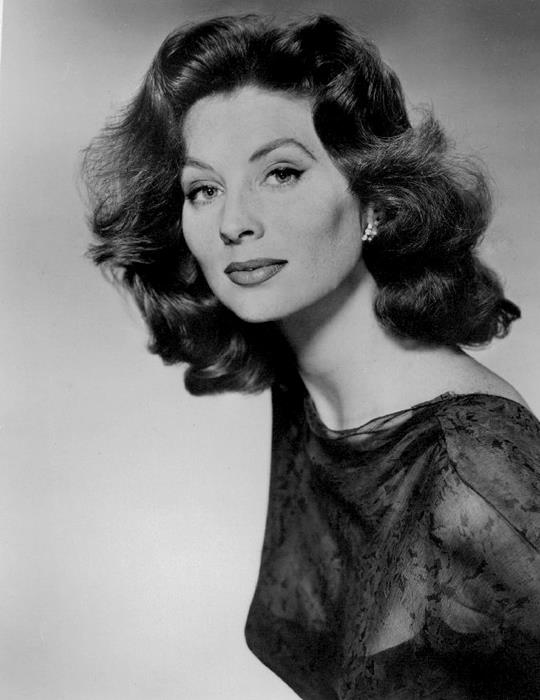
Suzy Parker, Dorian Leigh’s younger sister, followed closely in her footsteps and became a fashion icon in her own right. She was the first model to earn $100,000 annually and the first to successfully cross over into Hollywood, blending the worlds of fashion and film.
Suzy’s natural beauty and effortless grace made her a regular on magazine covers, including Life and Vogue, and she walked the runways for some of the most famous designers of the time, such as Coco Chanel and Yves Saint Laurent. Her charismatic personality and ability to adapt to different styles and roles made her a versatile model and actress. She appeared in the 1957 film Funny Face alongside Audrey Hepburn. She left a lasting legacy as one of the first models to achieve both fashion and film stardom.
Jean Patchett
One of the most celebrated models of the 1950s, Jean Patchett was known for her timeless beauty, characterized by her distinctive beauty mark and classic, refined features. Her rise to fame coincided with the introduction of Christian Dior’s “New Look,” which emphasized feminine curves and a return to glamour after the austerity of the war years. Jean became synonymous with this new style, and her image helped shape the fashion aesthetic of the decade.
Patchett worked closely with some of the most influential photographers of the time, including Richard Avedon and Irving Penn. Avedon once described her as “the only model I ever worked with who brought something more to the job than beauty.” Jean’s work appeared in countless fashion spreads and advertisements, making her one of the most recognizable faces of the era.
Carmen Dell’Orefice
Carmen Dell’Orefice is a model who truly defies time. Starting her modeling career at the tender age of 15, she quickly rose to prominence in the 1950s, known for her ethereal beauty, striking silver hair (which she embraced early on), and statuesque figure. Carmen’s elegance and poise made her a favorite of artists and photographers alike, including the legendary Salvador Dalí, who often referred to her as his muse.
What truly sets Carmen apart is her longevity in the industry—she is still working as a model today, well into her 90s, making her the world’s longest-working model.
Lisa Fonssagrives
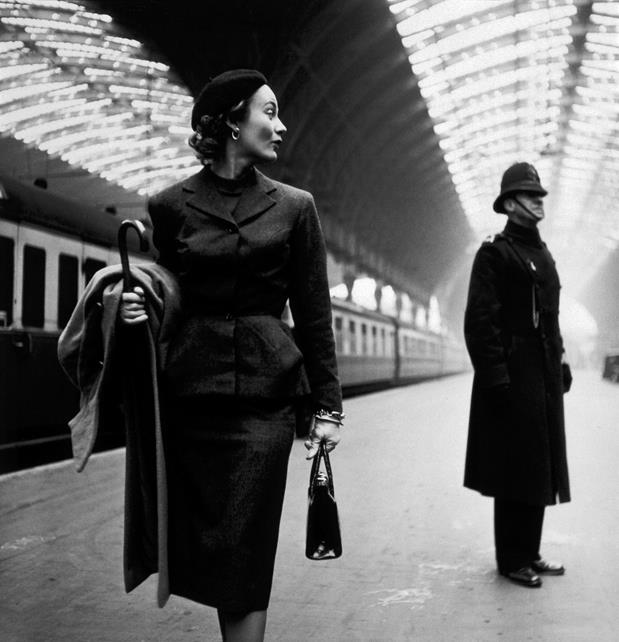
Lisa Fonssagrives is often considered the world’s first supermodel, and her influence on the fashion industry is unmatched. Born in Sweden, she moved to Paris in the 1930s to study dance but soon found herself in front of the camera, where her striking looks and refined elegance caught the fashion world’s attention.
Throughout the 1950s, she appeared on the covers of top magazines like Vogue and Life, working with some of the most renowned photographers of the time, including Irving Penn, whom she later married. Lisa’s ability to embody both high fashion and approachable beauty made her a beloved figure in the fashion world. She was known for her professionalism, versatility, and ability to bring a sense of movement and life to every photo. Her work helped to define the fashion photography of the 1950s.
Bettina Graziani
Often simply known as Bettina, Bettina Graziani was one of the top models in Paris during the 1950s. Her elegant style and graceful presence made her a favorite of many top designers, including Jacques Fath and Hubert de Givenchy.
In fact, Givenchy even named a blouse after her—the “Bettina Blouse,” which became one of the most sought-after items of the time. Bettina’s ability to embody the sophisticated and chic Parisian style set her apart, and her influence in the fashion world was undeniable. Her work helped define haute couture’s essence during the 1950s.
Sunny Harnett
Sunny Harnett was an American model who was known for her timeless beauty and versatility. She graced the covers of numerous magazines and was a frequent collaborator with the legendary photographer Richard Avedon. Her ability to convey both elegance and warmth in front of the camera made her a standout in the industry.
Sunny’s most iconic work includes her appearances in Vogue and Harper’s Bazaar, where her classic features and poised demeanor captivated readers. She was a muse for many designers and photographers of the era.
Anne St. Marie
Anne St. Marie was a striking model known for her distinctive features and work in high fashion and commercial modeling. What set Anne apart was her versatility—she could effortlessly move from the pages of Vogue to more commercial work, always bringing a unique energy to her photos.
She worked with some of the biggest names in fashion photography, including Irving Penn and Horst P. Horst, and her images from the 1950s are still celebrated for their artistic quality. Anne’s strong presence resonated with the audience, making her a memorable figure in the world of 1950s fashion.
Barbara Mullen
Barbara Mullen was known for her unconventional beauty, which made her a favorite among photographers who sought something different from the norm. In the fashion world, she was often seen as a chameleon, able to adapt to a wide range of styles and moods.
Barbara’s collaborations with Richard Avedon produced some of the most memorable fashion images of the decade. Her ability to transform and bring clothes to life shone through. Her quirky yet elegant style made her stand out in an era dominated by more classically beautiful models.
Evelyn Tripp
Evelyn Tripp was the epitome of classic American beauty, with her refined features and graceful presence. She was one of the most photographed models of the 1950s, frequently appearing in Vogue and Harper’s Bazaar.
Evelyn was known for her poise and professionalism, which made her a favorite among designers and photographers alike. She had the ability to bring a sense of dignity and sophistication to every shoot, whether she was modeling evening gowns or more casual wear. Her work with photographers like Irving Penn and Louise Dahl-Wolfe helped to solidify her place as one of the top models of her time.
Legacy of 1950s Fashion Models
These 1950s fashion models were more than trendsetters—they were pioneers who helped shape the very idea of what it meant to be fashionable and glamorous.
For starters, they set the standard for what we now consider the “supermodel.” Before the 1950s, models were relatively anonymous, but these women became household names, known not just for their beauty but for their ability to embody the essence of the clothes they wore. Dorian Leigh, Suzy Parker, and their peers paved the way for future generations of models to become personalities, trendsetters, and, in many cases, celebrities in their own right.
The styles they popularized in the 1950s—whether it was the elegance of Dior’s “New Look” or the chic simplicity of everyday fashion—became timeless. Even today, fashion designers look back to this era for inspiration, and the graceful, poised image of the 1950s model continues to be a benchmark of style.
Also, these models showed that fashion could be more than just clothes. They showed the world it could be art, expression, and a way to connect with the world. Their work with visionary photographers created images that are still celebrated today, not just for the fashion but for the powerful way they captured the spirit of the time.
In the end, the legacy of 1950s fashion models is one of lasting influence. They set the stage for what it means to be a fashion icon and showed the world that modeling could be a powerful force in shaping culture and trends. Even decades later, their style, elegance, and impact continue to inspire the fashion world.