

Comedy is often associated with witty dialogue, physical humor, and memorable performances, but some of the most important comedic tools are visual. Costumes and makeup have played a crucial role in comedy for centuries, helping performers create distinctive characters, exaggerate personality traits, and generate laughs before a single word is spoken.
A well-designed costume can instantly communicate who a character is, while effective makeup can transform an actor into someone audiences find amusing, absurd, or unforgettable. Costume and makeup artists have helped shape many of entertainment’s most iconic characters. Their contributions often go unnoticed compared to those of actors and writers, yet they remain essential to the success of comedy on screen.
Comedy Is Often Visual First
Long before audiences hear a joke, they see a character. A costume, hairstyle, or makeup choice can immediately establish expectations and prepare viewers for the type of comedy that follows. In many cases, a character’s appearance becomes part of the joke itself, creating an instant impression before a single line of dialogue is spoken.
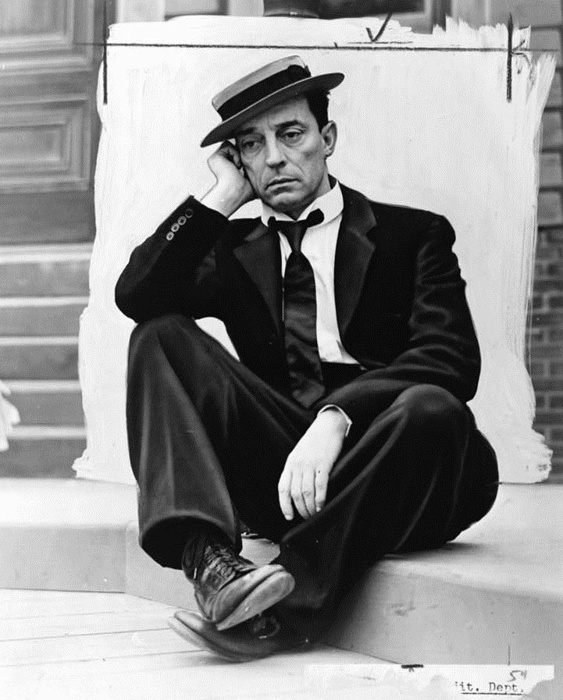
Silent-film comedians relied heavily on visual storytelling because they could not depend on spoken dialogue. Performers such as Charlie Chaplin and Buster Keaton used distinctive costumes to create instantly recognizable screen identities. Chaplin’s bowler hat, oversized shoes, and cane became as important to his comedy as his physical performance, helping audiences identify the character immediately.
Even in modern productions, first impressions matter. The way a character looks often provides immediate clues about their personality, social status, confidence level, or eccentricities. A strong visual design allows audiences to understand the comedy more quickly and helps establish the tone of a character before the story fully begins.
Creating Instantly Recognizable Characters
Some comedy characters become iconic largely because of their visual design. A memorable costume can help transform a performer into a character audiences recognize immediately, even decades after a show or film originally aired. In many cases, the appearance becomes just as famous as the performance itself.
Characters such as Austin Powers, Mr. Bean, Pee-wee Herman, and Borat all benefited from distinctive appearances that reinforced their comedic personalities. Their clothing choices, hairstyles, facial expressions, and overall presentation became inseparable from the humor they delivered. The visual design helped communicate exactly who these characters were the moment they appeared on screen.
These visual elements often become cultural symbols in their own right. Fans can identify the characters from a single image, silhouette, or costume piece. This level of recognition demonstrates the lasting impact that strong costume design can have on a comedy character’s legacy.
Exaggeration Helps Create Comedy
Comedy frequently relies on exaggeration, and costumes provide a powerful way to amplify a character’s traits. Clothing can make a person appear more confident, foolish, intimidating, fashionable, or ridiculous than they would in everyday life. The larger-than-life appearance helps push the humor further.
Many sitcoms and sketch-comedy programs use exaggerated wardrobes to emphasize specific character qualities. Loud colors, oversized accessories, unusual hairstyles, and intentionally awkward clothing choices all help heighten the comedy. The audience immediately understands that the character is not meant to be completely realistic.
Because comedy often thrives on extremes, costume designers are frequently encouraged to push visual concepts further than they might in dramas or realistic productions. The goal is not always authenticity but rather creating a memorable image that supports the joke and enhances the character’s personality.

Freelance photographer Richard Burdett (Website), ETalk2008-Kids In The Hall, CC BY 3.0.
Makeup Can Be a Joke on Its Own
Makeup plays a similar role by helping create exaggerated appearances that contribute directly to the humor. A character’s face can communicate personality traits, emotional states, or comedic absurdity before any dialogue occurs. Sometimes the makeup itself becomes one of the funniest parts of the performance.
Sketch-comedy shows frequently use makeup transformations to create memorable characters. Programs such as Saturday Night Live, In Living Color, and The Kids in the Hall often relied on dramatic makeup effects to help performers portray wildly different personalities. These transformations allowed a single actor to become nearly unrecognizable from one sketch to the next.
In some cases, the transformation itself becomes part of the joke. Audiences laugh not only at the character’s behavior but also at the remarkable visual change achieved through makeup. The contrast between the performer and the character often adds an additional layer of comedy.
Physical Comedy Depends on Visual Design
Costumes and makeup often play a major role in physical comedy. Certain outfits allow performers to move in distinctive ways, while others intentionally create obstacles that generate humorous situations. The design of a costume can directly influence how a comedian performs.
Charlie Chaplin’s oversized shoes influenced his famous walk, while many clown costumes are specifically designed to enhance physical humor. Baggy clothing, oversized props, and unusual footwear can all contribute to visual gags that would not work with ordinary wardrobes. These elements become active participants in the comedy rather than simple background details.
Because physical comedy is so dependent on movement and appearance, costume designers often work closely with performers to ensure that visual elements support the humor. The most successful designs allow actors to use their costumes as comedic tools, helping create memorable scenes that remain funny long after the jokes themselves are forgotten.

The Importance of Sketch Comedy
Few genres rely on costume and makeup as heavily as sketch comedy. Performers may play multiple characters within a single episode, requiring constant visual transformations to help audiences distinguish between them. These changes often need to happen quickly, making costume and makeup departments essential to a show’s success.
Programs such as Saturday Night Live, Mad TV, and Key & Peele became famous for their ability to create instantly recognizable characters through wardrobe and makeup choices. A carefully chosen wig, mustache, outfit, or makeup effect can immediately communicate who a character is and what type of humor the audience should expect.
The fast-paced nature of sketch comedy highlights the remarkable skill of costume and makeup teams. Working under tight production schedules, they help performers disappear into their roles and make even the most absurd characters feel believable enough for the comedy to work.
Cross-Dressing and Character Transformation in Comedy
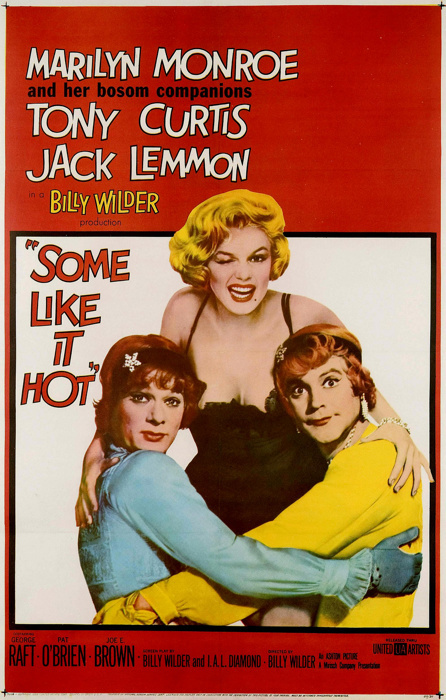
Throughout comedy history, costume changes and gender disguises have frequently been used as sources of humor. Films such as Some Like It Hot, Mrs. Doubtfire, and Tootsie built entire stories around characters adopting alternate identities through costume and makeup.
The comedy often emerges from the contrast between a character’s true identity and the persona they are attempting to present. Viewers understand the deception while other characters do not, creating opportunities for misunderstandings, close calls, and awkward situations that drive the humor.
While approaches to these jokes have evolved over time, character transformation remains one of comedy’s most enduring visual devices. The ability to completely alter a character’s appearance continues to provide filmmakers with countless storytelling and comedic possibilities.
Costumes Help Build Running Gags
Some of television and film’s most memorable recurring jokes depend on visual consistency. A recognizable costume can become part of a running gag that audiences anticipate from episode to episode, adding familiarity and continuity to the humor.
Characters such as Steve Urkel, Mr. Bean, and Dwight Schrute became partly defined by their wardrobes. Their clothing choices reinforced their personalities and contributed to the comedy surrounding them. Viewers came to associate specific outfits with specific behaviors and jokes.
Because audiences recognize these visual trademarks so strongly, even small changes can become punchlines. A character dressing differently than usual often generates laughs simply because it clashes with the image viewers have come to expect.
Makeup Creates Memorable Comic Villains
Comedy villains often rely on makeup and visual design to distinguish themselves from more serious antagonists. Exaggerated appearances can make villains seem ridiculous, incompetent, or oddly charming rather than genuinely threatening, helping maintain a lighthearted tone. Their look frequently becomes an important part of the joke, shaping how audiences perceive them from the moment they appear on screen.
Characters such as Dr. Evil, the Grinch, and numerous cartoon-inspired antagonists use visual exaggeration to support the humor. Unusual facial features, elaborate hairstyles, exaggerated expressions, and distinctive makeup designs help communicate that these characters are not traditional villains. Even when they are plotting something sinister, their appearance often undercuts their menace and encourages laughter instead.
This approach allows filmmakers to create memorable antagonists who contribute to the comedy while still serving important narrative functions. Some comic villains become so visually distinctive that audiences remember them just as clearly as the heroes. Their makeup and costume design often play a major role in making them iconic.
View this post on Instagram
The Influence of Modern Prosthetics
Advances in makeup technology have dramatically expanded the possibilities for comedy. Modern prosthetics allow performers to undergo transformations that would have been difficult or impossible in earlier eras, giving comedians new ways to create larger-than-life characters.
Films such as The Nutty Professor showcased how extensive makeup work could allow a single performer to portray multiple characters convincingly. Eddie Murphy’s transformations became a major part of the film’s appeal, demonstrating that makeup effects could be more than technical achievements—they could actively contribute to the comedy itself.
Modern prosthetics continue to push those boundaries. Comedians can now portray characters of different ages, appearances, and personalities with remarkable realism, allowing filmmakers to create increasingly ambitious visual comedy while expanding the range of roles a performer can play.
Why Audiences Remember the Look
Many comedy characters remain memorable because audiences associate them with specific visual images. Long after viewers forget individual jokes or storylines, they often remember the costume, hairstyle, facial makeup, or overall appearance that defined a character. Visual design helps create an immediate and lasting impression.
This visual recognition explains why certain comedy characters remain popular for decades. A strong design can instantly evoke memories of a character’s personality, catchphrases, and funniest moments. The image itself becomes a shortcut to the comedy that audiences enjoyed.
In many cases, a costume or makeup design becomes so iconic that it functions almost like a logo. Charlie Chaplin’s bowler hat, Austin Powers’ flamboyant wardrobe, and the Grinch’s green appearance remain instantly recognizable across generations. These visual elements help preserve the character’s legacy and ensure that audiences continue to remember them long after their original performances.
View this post on Instagram
Conclusion
Costume and makeup have always been essential components of comedy. They help create memorable characters, support physical humor, enhance visual storytelling, and provide audiences with immediate clues about the people they are watching.
While audiences may focus on the actors and jokes, the work of costume designers and makeup artists remains fundamental to comedy’s success. Their contributions help ensure that many of entertainment’s funniest characters are remembered not only for what they said, but also for how they looked.