

Slapstick comedy has been making audiences laugh for well over a century. It is one of the oldest and most recognizable forms of screen humor. A banana peel, a pie in the face, a wild chase, a sudden fall, or a perfectly timed crash can say more than a page of dialogue.
At its heart, slapstick is physical comedy. It uses exaggerated movement, comic violence, surprise, rhythm, and timing to create laughter. The humor often comes from pain without real danger. Someone gets hit, slips, tumbles, or crashes, but they bounce back almost instantly.
That simple idea has changed many times over the years. Slapstick began in silent film, moved into sound cinema, shaped television comedy, found new life in cartoons, and still appears in movies, sitcoms, sketch shows, and online videos today.
What is Slapstick?

The word “slapstick” comes from a stage prop used in old comedy performances. It was made of two thin pieces of wood that slapped together to create a loud cracking sound. An actor could strike another performer with it, and the noise made the hit seem much stronger than it really was.
That idea explains the whole style. Slapstick is built on exaggerated action. The audience knows the injury is not real, so the moment becomes funny instead of frightening.
Common slapstick elements include:
- Falls and trips
- Chases
- Collisions
- Mistaken movements
- Comic fights
- Fast reactions
- Messy accidents
- Repeated physical gags
The best slapstick is not random chaos. It depends on timing, body control, setup, and surprise. A simple fall can be funny, but a fall that arrives at the exact right moment can become unforgettable.
Roots in Stage Comedy

Slapstick did not begin with film. Its roots go back to live performance traditions, including clowning, vaudeville, pantomime, and commedia dell’arte. These forms relied heavily on body movement because audiences could understand physical humor even when language, class, or education created barriers.
Before movies had sound, this kind of comedy was already popular on stage. Performers learned how to use posture, facial expressions, gestures, and timing to keep audiences engaged. When motion pictures arrived, slapstick moved naturally into the new medium.
Film gave physical comedy new power. A camera could frame a gag, speed up movement, cut to a reaction, or build suspense before a fall. Suddenly, slapstick could reach audiences far beyond the theater.
The Silent Film Era

The silent film era was slapstick’s first golden age on screen. Since early movies had no spoken dialogue, physical comedy became one of the clearest ways to tell a story. Audiences could understand a character’s panic, pride, confusion, or embarrassment through movement alone.
Charlie Chaplin became one of the most famous figures of this period. His “Tramp” character mixed physical comedy with emotion. Chaplin could turn a wobbling walk, a cane trick, or a clumsy escape into something funny and surprisingly touching.
Buster Keaton brought a different style. His comedy often depended on dangerous-looking stunts, deadpan reactions, and carefully planned visual gags. Keaton’s face stayed calm while the world around him fell apart. That contrast became part of his genius.
Harold Lloyd also helped define silent slapstick. He often played an ambitious, nervous everyman caught in wild situations. His famous clock-hanging scene from Safety Last! remains one of the most iconic images in film comedy.
Silent slapstick worked because it was visual, immediate, and universal. A person falling through a roof or being chased down a street did not need translation. The joke landed through action.
The Importance of Timing
Slapstick may look simple, but timing is everything. A gag can fail if it happens too early or too late. The audience needs enough time to see the danger coming, but not so much time that the surprise disappears.
Silent comedians understood rhythm almost like musicians. A chase scene could build in tempo. A fall could pause for one perfect second before impact. A character might look proud, turn sharply, and instantly walk into disaster.
This sense of rhythm shaped later film and television comedy. Even when dialogue became important, physical timing remained a major part of screen humor.
The Arrival of Sound

When sound came to movies in the late 1920s, slapstick changed. Some silent film stars struggled with the new format, while others adapted. Sound added new comic tools, including funny voices, loud crashes, music cues, and rapid dialogue.
The Marx Brothers blended verbal wit with physical chaos. Their films often moved at a frantic pace, with characters interrupting, colliding, and confusing one another. Their humor showed that slapstick could work alongside clever wordplay.
Laurel and Hardy used a slower style. Their comedy often came from small mistakes that grew into huge disasters. A simple argument might turn into a destroyed room, a ruined car, or a full-scale mess. Their pace allowed audiences to enjoy each step of the failure.
The Three Stooges pushed slapstick toward faster and rougher comic violence. Eye pokes, head bonks, slaps, and crashes became their signature. Their work was broad, loud, and easy to recognize. For many viewers, they became the face of classic slapstick.
Slapstick in Animation
Animation gave slapstick a new kind of freedom. Cartoon characters could survive explosions, flattening, stretching, falling off cliffs, or being smashed by giant objects. The rules of the real world no longer applied.
Characters like Bugs Bunny, Daffy Duck, Tom, Jerry, Wile E. Coyote, and the Road Runner expanded slapstick into pure visual imagination. A cartoon gag could be impossible in live action, yet still feel clear and funny.
Animation also sharpened the relationship between setup and payoff. A character might build an elaborate trap, only for the trap to backfire. The audience could often see the failure coming, which made the result even funnier.
Cartoons helped introduce slapstick to younger audiences, but they also influenced adult comedy. Many live-action films later borrowed cartoon-like timing, exaggerated reactions, and impossible-looking stunts.
Slapstick Comes to Television
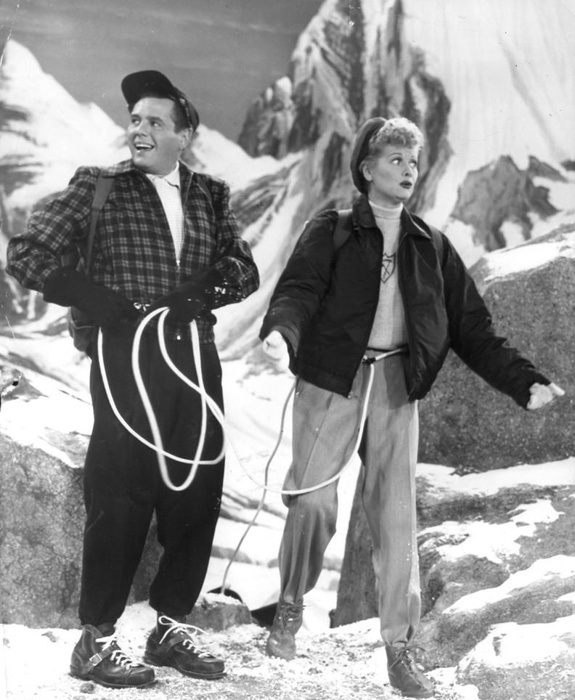
Television brought slapstick into the home. Early TV comedy drew heavily from vaudeville, radio, and film traditions. Shows used pratfalls, double takes, door slams, food fights, and physical confusion to make viewers laugh quickly.
Lucille Ball became one of television’s greatest physical comedians. On I Love Lucy, she used facial expressions, body movement, and escalating panic to turn everyday situations into comic set pieces. Her famous candy factory scene remains a classic example of televised slapstick.
Sitcoms continued using physical comedy for decades. A character stuck in a window, trapped in a costume, covered in paint, or hiding in the wrong room could create a memorable scene. Even dialogue-heavy shows often relied on physical humor to break tension and energize an episode.
Television also made slapstick familiar through repetition. Viewers returned to the same characters each week, so a physical gag could become funnier because the audience knew the character’s personality. A proud character falling apart under pressure often worked because viewers already understood what was at stake emotionally.
Sketch Comedy and Variety Shows

Rex Sorgatz from New York, SNL stage, CC BY 2.0
Sketch comedy kept slapstick alive in a fast, flexible format. Shows such as The Carol Burnett Show, Saturday Night Live, and many others used physical humor to build quick scenes around awkwardness, surprise, and exaggeration.
Variety shows also gave performers room to use old-school comic skills. A sketch could include a clumsy waiter, a collapsing set, a mistaken entrance, or a prop that refused to work. These moments reminded viewers that slapstick still had roots in live performance.
One reason sketch slapstick works well is speed. The audience does not need a long plot. A clear situation, a strong character, and a sudden physical mistake can create a laugh in seconds.
Family Films and Big-Screen Chaos
In the late 20th century, slapstick became a major part of family films and broad comedies. Movies such as Home Alone used slapstick in carefully staged sequences where burglars faced painful but cartoonish traps. The humor came from anticipation, surprise, and the ridiculous endurance of the characters.
Jim Carrey brought a highly elastic style of physical comedy to films such as Ace Ventura: Pet Detective and The Mask. His facial expressions, gestures, and body movements often felt inspired by cartoons. He showed that slapstick could still feel fresh when paired with a strong comic personality.
Other comedies used slapstick in smaller doses. A fall, a chase, or a messy accident could break up dialogue and give a scene a burst of energy. Physical humor remained useful because it could create an instant reaction.
Slapstick in Modern Sitcoms

Modern sitcoms often use slapstick more carefully than early television did. Many shows focus on dialogue, character awkwardness, or social humor, but physical comedy still appears when the moment calls for it.
A character might slip during an important entrance, break something while trying to look confident, or get caught in a ridiculous situation. The humor often works because it reveals something about the character. A fall is funnier when it punctures pride, exposes fear, or ruins a plan.
Shows like Friends, The Office, Parks and Recreation, and Brooklyn Nine-Nine have all used physical comedy at different points. These moments are usually mixed with reactions, embarrassment, and character-based humor. The slapstick does not stand alone. It supports the story.
Why Slapstick Still Works
Slapstick has lasted because it is easy to understand. Viewers do not need much explanation to recognize a mistake, a fall, or a comic disaster. The humor is immediate.
It also connects to everyday experience. Most people have slipped, dropped something, bumped into a door, or had a simple task go wrong. Slapstick exaggerates those small accidents until they become entertainment.
Another reason slapstick endures is its emotional clarity. A character wants something. Something gets in the way. The body reacts before the mind can catch up. That simple pattern can work in almost any time period.
The Shift Toward Safer Comedy
Older slapstick sometimes depended on rough physical treatment, especially hits, falls, and dangerous stunts. Modern productions tend to be more careful. Safety teams, stunt coordinators, padding, camera tricks, and visual effects help create the illusion of danger without putting performers at unnecessary risk.
This shift has changed how slapstick looks. Some modern physical comedy feels faster because editing helps sell the gag. Other scenes use computer effects to create impacts that would be too risky in real life.
Even with new tools, the basic principle remains the same. The audience must believe the moment enough to laugh, but not so much that they worry for the performer.
Slapstick in the Internet Age
Short-form video has given slapstick another home. Online clips often rely on quick physical surprises, failed tricks, pets causing chaos, or people reacting to unexpected accidents. Many of these videos follow the same logic as early slapstick: setup, mistake, reaction.
The internet has also made physical comedy global again. A funny fall or visual gag can travel across language barriers. In that way, modern viral comedy has something in common with silent film.
The difference is speed. Early filmmakers built scenes carefully over several minutes. Online slapstick often has only a few seconds to land. That has made timing even more important.
Slapstick as a Craft
It can be easy to dismiss slapstick as simple or childish, but good physical comedy takes skill. Performers need balance, control, awareness, and courage. Directors need to frame the action clearly. Editors need to preserve timing. Writers need to build situations that make the physical gag feel earned.
The greatest slapstick moments are rarely accidents. They are designed. A fall might require rehearsal, stunt planning, camera placement, and careful pacing. The final result looks effortless because the work behind it is hidden.
That hidden craft is one reason slapstick has survived so long. Audiences laugh at the chaos, but the chaos usually has structure.
The Legacy of Slapstick
Slapstick has evolved from stage props to silent films, from black-and-white shorts to modern sitcoms, from animated chases to viral videos. Each era has changed the style, but the core idea has stayed the same.
People laugh when bodies fail in surprising ways. They laugh when pride collapses, plans backfire, and ordinary actions turn into comic disasters.
Slapstick remains one of the most durable forms of comedy because it speaks through movement. It can be broad, clever, silly, or surprisingly emotional. It reminds viewers that comedy does not always need a speech or a punchline. Sometimes, all it takes is one perfectly timed fall.