

Texas brisket didn’t become a cultural force by accident. What began as a practical way to prepare a tough and inexpensive cut of beef gradually evolved into one of the most recognizable symbols of American barbecue. Along the way, immigrant communities, Black pitmasters, innovative cooks, and devoted barbecue fans all helped shape the tradition.
Today, brisket exists far beyond the smokehouses of Central Texas. It appears in documentaries, social media feeds, food festivals, and restaurants around the world. Its rise reflects not only the history of Texas barbecue but also the way food can move from regional specialty to global cultural phenomenon.
The Jewish and Czech Roots of Texas Brisket
When most people think of Texas brisket, they imagine ranches, smokehouses, and cowboy culture. Yet some of the most important influences behind the tradition arrived with immigrants from Europe. Ashkenazi Jewish communities had long experience preparing brisket because the cut fit kosher dietary requirements and responded well to slow cooking.
As Jewish immigrants settled in Texas during the nineteenth century, they brought those cooking traditions with them. Around the same time, Czech immigrants introduced smoking techniques that had previously been used on pork and other meats in Central Europe. Surrounded by abundant cattle, they adapted those methods to beef, creating new possibilities for preparing tougher cuts.
Together, these traditions helped establish the foundation of Texas brisket culture. Their influence demonstrates how one of the state’s most iconic foods emerged not from a single source, but from the blending of multiple culinary traditions that found a home in Texas.
How Black Texans Shaped the Foundations of Brisket Culture
Long before barbecue became a celebrated industry, Black Texans were shaping many of the techniques that define it today. Enslaved cooks and pitmasters developed expertise in managing fires, smoking meats, and preparing food for large gatherings. Their skills became essential to the growth of barbecue throughout the South.
After emancipation, many African Americans carried those traditions into businesses of their own. They opened barbecue stands, catered community events, and passed their knowledge from one generation to the next. Their approach to seasoning, fire management, and slow cooking influenced countless pitmasters who followed.
Understanding Texas brisket requires recognizing these contributions. Modern barbecue culture rests on techniques and traditions that were refined through generations of Black culinary expertise, making their role central to the story of brisket’s rise.
The Offset Smokers and Post Oak Wood That Changed Everything
The evolution of Texas brisket depended not only on people but also on equipment. Two elements became especially important to the state’s barbecue identity: the offset smoker and post oak wood. Together, they helped create the flavor profile now associated with classic Texas brisket.
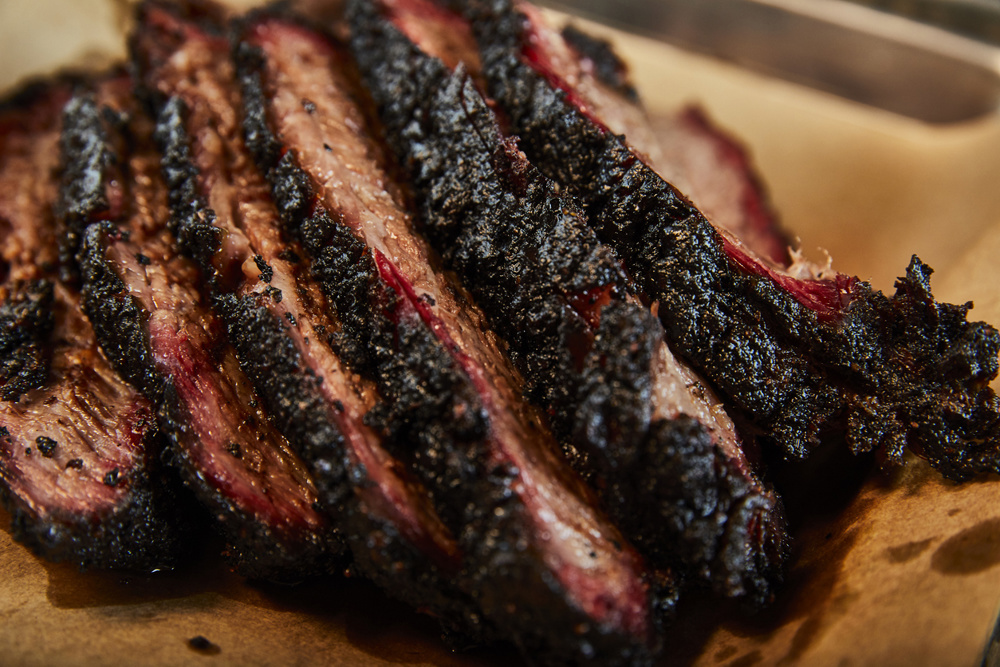
Offset smokers separate the firebox from the cooking chamber, allowing heat and smoke to circulate more evenly around the meat. This design gives pitmasters greater control over temperature and airflow, making it easier to achieve the tender texture and dark bark that define great brisket. The technique rewards patience, often requiring overnight cooks that can last well over twelve hours.
Post oak became the preferred fuel because of its mild, balanced smoke. Unlike stronger woods that can overpower beef, post oak enhances the meat’s natural flavor while still contributing depth and complexity. Over time, this combination of equipment and fuel became so closely tied to Texas barbecue that it effectively defined the style itself.

The Central Texas Pitmasters Who Put Brisket on the National Map
Every food movement eventually finds ambassadors, and Texas brisket found its most influential champions in a new generation of pitmasters. While barbecue traditions had existed for decades, it took a handful of dedicated cooks to bring national attention to what had long been a regional specialty.
Among the most influential was Aaron Franklin, whose Austin restaurant attracted extraordinary lines and widespread media attention. His meticulous approach to smoking brisket helped introduce Central Texas barbecue to audiences far beyond the state. Other pitmasters, including members of long-established barbecue families, continued preserving and refining techniques that had been passed down for generations.
Their success transformed brisket from a local favorite into a national obsession. Through cookbooks, television appearances, interviews, and restaurant pilgrimages, these pitmasters helped turn Texas barbecue into one of the most influential food movements of the twenty-first century.
How Texas Brisket Spread to Restaurants Across All 50 States
As interest in Texas barbecue grew, brisket began appearing far beyond its traditional home. What was once largely associated with Texas smokehouses started showing up in cities across the United States, from Seattle and Portland to New York and Miami.
Many of the chefs responsible for this expansion trained in Texas before opening restaurants elsewhere. Others studied the techniques through books, videos, and apprenticeships before adapting them to local markets. New restaurants embraced butcher-paper service, long smoking times, and minimalist seasoning approaches that reflected Central Texas traditions.
The spread of brisket changed the national barbecue landscape. It introduced millions of diners to Texas-style smoking methods and helped establish brisket as one of America’s most recognizable barbecue dishes. What began as a regional specialty became a defining part of modern American food culture.
How Food Media Made Brisket Famous
Food media played a crucial role in transforming brisket from a barbecue staple into a pop-culture phenomenon. Television programs, documentaries, magazines, and streaming platforms introduced audiences to pitmasters and smokehouses they might never have encountered otherwise.
Shows hosted by figures such as Anthony Bourdain celebrated the craftsmanship behind Texas barbecue, presenting brisket as both food and cultural tradition. Food publications regularly featured barbecue rankings, restaurant profiles, and travel guides dedicated to the state’s most famous smokehouses. These stories helped elevate brisket beyond its regional roots.
As media coverage expanded, brisket became part of a broader cultural conversation about authenticity, craftsmanship, and American food traditions. Exposure through television and digital media transformed barbecue tourism into a nationwide phenomenon.
Why People Wait Hours for Texas Brisket
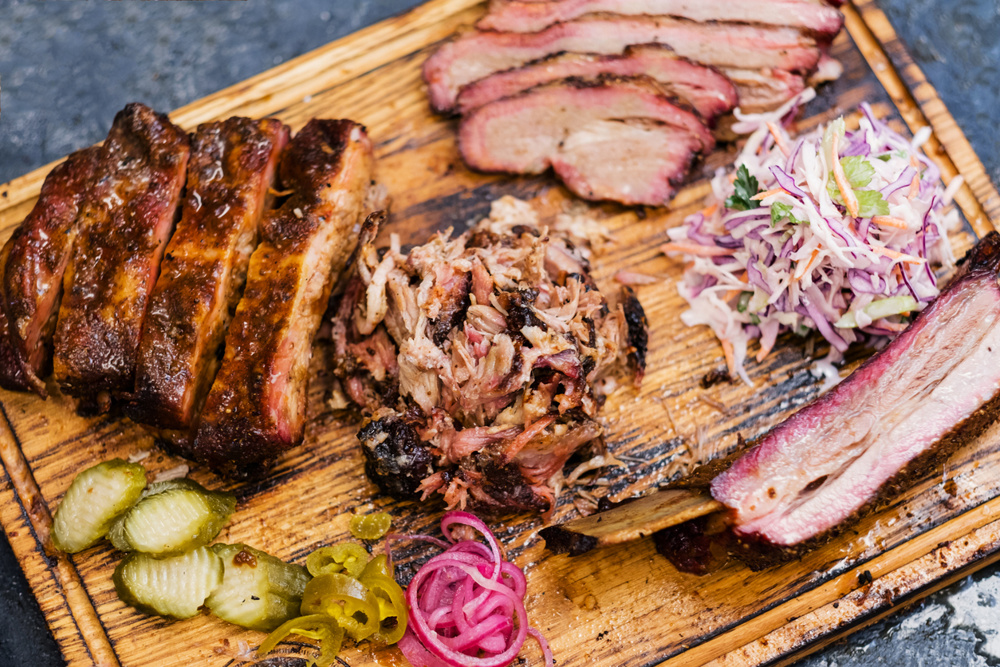
One of the most recognizable symbols of modern brisket culture is the line. Visitors routinely arrive before sunrise and spend hours waiting outside renowned barbecue restaurants, hoping to secure a meal before the day’s supply sells out.
These lines are partly a practical result of barbecue’s labor-intensive nature. Brisket requires extensive preparation and cannot be rushed, limiting how much a restaurant can produce each day. Scarcity naturally increases demand, particularly when a smokehouse develops a reputation for exceptional quality.
Over time, waiting in line became part of the experience itself. The pilgrimage, anticipation, and shared excitement contribute to the mythology surrounding Texas brisket. For many visitors, earning a tray of barbecue feels less like purchasing lunch and more like participating in a cultural ritual.
How Social Media Turned Brisket Into a Global Obsession
Social media accelerated brisket’s rise in ways traditional media never could. Platforms such as Instagram, YouTube, TikTok, and Facebook allowed pitmasters to share their techniques, showcase their results, and build audiences far beyond their local communities.
Photos of perfectly sliced brisket, dramatic smoke rings, and overflowing trays of barbecue became highly shareable content. Aspiring pitmasters used online videos to learn smoking techniques, while barbecue enthusiasts documented restaurant visits for followers around the world. The visual nature of brisket made it especially suited to social media culture.
As a result, Texas barbecue developed a global audience. People who had never visited Texas became familiar with its barbecue traditions through online content, helping brisket evolve from a regional specialty into an internationally recognized food trend.

How Brisket Competitions Created a New Food Subculture
Competitive barbecue helped turn brisket into a serious craft. Across Texas and the United States, teams gather at cook-offs and barbecue competitions to test their skills against some of the best pitmasters in the industry. Brisket often serves as the centerpiece category and the ultimate measure of success.
These events reward precision, consistency, and mastery of technique. Competitors spend months refining recipes, managing fire conditions, and perfecting timing. What may appear to be a simple smoked cut of beef is actually the result of countless small decisions that can make the difference between winning and losing.
The competitive scene helped create a dedicated barbecue community that extends far beyond restaurant dining. Through festivals, cook-offs, and judging circuits, brisket developed its own subculture filled with traditions, rivalries, and passionate fans.
How Brisket Became a Symbol of Texas Identity
Few foods are as closely linked to a place as brisket is to Texas. Over time, the dish evolved into a symbol that represents craftsmanship, hospitality, and pride in local traditions. Mention Texas barbecue almost anywhere in the world, and brisket is usually the first food that comes to mind.
Part of that connection comes from the values associated with barbecue itself. Great brisket requires patience, attention to detail, and a willingness to dedicate hours to a single meal. Those qualities align closely with the image many Texans embrace about their state’s culture and history.
Today, brisket appears at family celebrations, community events, sporting gatherings, and major festivals. Its role extends beyond food, serving as a shared cultural reference point that helps define what Texas barbecue means both to residents and to people looking in from the outside.
The Immigrant Flavors Reshaping Texas Brisket Today
Even as Texas brisket gained worldwide recognition, new generations of pitmasters continued reinventing it. Many of the most innovative barbecue restaurants now draw inspiration from immigrant traditions, introducing flavors and techniques rarely associated with classic Texas barbecue.
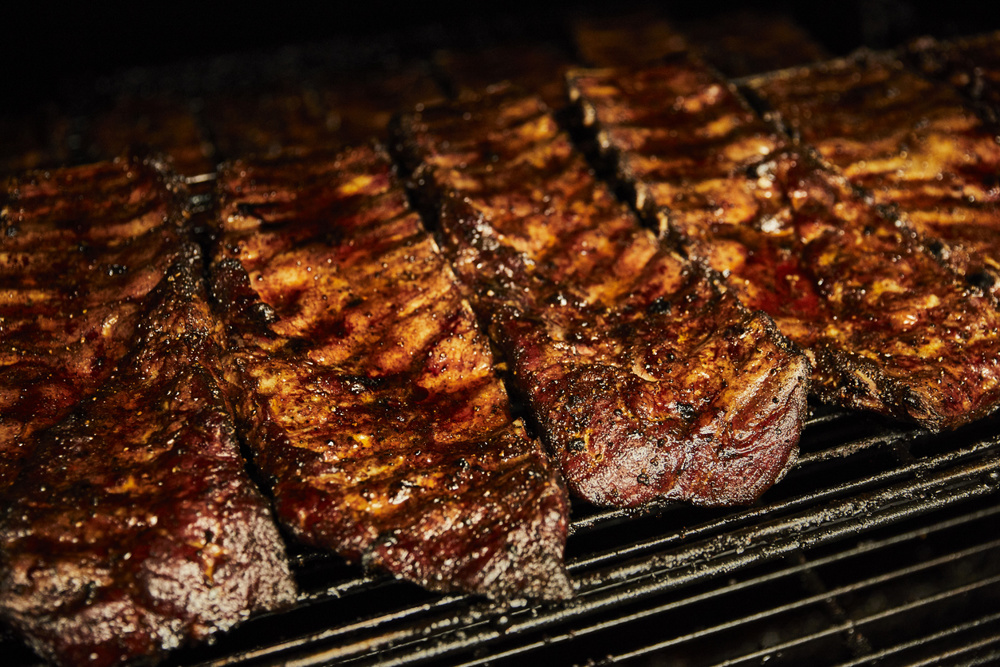
Restaurants such as Kemuri Tatsu-Ya, Smoke ‘N Ash BBQ, and Sabar BBQ blend Texas smoking methods with Japanese, Ethiopian, and Pakistani culinary influences. Brisket may appear alongside injera, miso-based sauces, naan, or spices traditionally found far beyond Texas. These combinations reflect the increasingly diverse communities shaping modern food culture.
Rather than replacing traditional barbecue, these innovations demonstrate how adaptable the style has become. Texas brisket was built through cultural exchange from the very beginning, and its continued evolution suggests that new influences will keep reshaping the tradition for generations to come.
Conclusion
Texas brisket became a force in pop culture because it evolved far beyond its origins as a tough, inexpensive cut of beef. Generations of Jewish, Czech, Black, and immigrant pitmasters helped shape a tradition that eventually captured the attention of food writers, television audiences, social media users, and barbecue fans around the world.
What began as a regional cooking style has grown into one of the most recognizable symbols of American food culture. Yet brisket’s story is far from finished. New pitmasters continue introducing fresh flavors, techniques, and cultural influences while preserving the traditions that made Texas barbecue famous in the first place.