

Open a movie, television show, or video game, and you’ll probably encounter products that don’t exist outside their fictional worlds. Characters drink imaginary soft drinks, eat at made-up restaurants, watch invented television networks, or shop at businesses created specifically for the story. At first, these brands seem like simple background details designed to avoid using real companies.
Yet some fictional brands become so convincing that audiences begin thinking about them almost as if they actually exist. They develop recognizable logos, memorable advertising, distinctive packaging, and recurring appearances across multiple stories. Over time, these imaginary businesses become familiar cultural landmarks that sometimes feel every bit as authentic as real-world companies.
Repetition Creates Familiarity
One of the biggest reasons fictional brands feel real is that audiences encounter them repeatedly. Instead of appearing in only one scene, an imaginary restaurant, beverage company, or television network may show up across multiple episodes, sequels, or spin-offs. The more often viewers see the same logo or product, the more naturally it becomes part of the fictional world.
This repeated exposure works much like it does in everyday life. People recognize real companies because they encounter their signs, advertisements, packaging, and products over many years. Fictional brands achieve a similar effect by consistently appearing throughout a franchise, gradually becoming familiar through repetition rather than explanation.
Eventually, audiences stop thinking about these companies as invented details. They simply accept them as businesses that happen to exist within that fictional universe, making the world feel larger and more believable.
Branding Makes Them Feel Authentic
Visual identity plays an enormous role in making fictional companies believable. Designers often create professional logos, packaging, slogans, advertisements, uniforms, storefronts, and websites that closely resemble those of real businesses. Every detail contributes to the illusion that the company operates beyond the scenes shown on screen.
These branding elements are rarely accidental. Production designers carefully consider typography, color palettes, mascots, product labels, and marketing materials to ensure the business feels consistent wherever it appears. A fictional coffee shop may have branded cups, employee aprons, menu boards, and delivery trucks, while an imaginary technology company might feature sleek packaging and recognizable advertising campaigns.
This level of detail encourages audiences to suspend disbelief. Rather than appearing like placeholders, fictional brands develop identities that feel complete enough to exist outside the story itself.
They Make Fictional Worlds Feel Complete
One of the simplest reasons imaginary companies seem real is that they make fictional worlds function like actual societies. Real cities contain grocery stores, banks, cafés, television stations, clothing brands, and transportation companies. Without similar businesses, fictional settings would feel strangely empty and incomplete.
Background details such as shopping bags, vending machines, delivery vehicles, billboards, and restaurant signs quietly suggest that life continues beyond the main characters. Even if audiences never enter a fictional supermarket or corporate office, seeing those brands repeatedly creates the impression of a much larger world filled with ordinary routines and everyday commerce.
These details strengthen world-building without requiring lengthy explanations. Viewers naturally assume that if people shop, eat, work, and travel within the story, businesses must exist to support those activities. Fictional brands help make those assumptions feel believable.

Urko Dorronsoro from Donostia – San Sebastian, Euskal Herria (Basque Country), ExpoSYFY – Charlie and the Chocolate Factory (10756984573), CC BY-SA 2.0
Fans Treat Fictional Brands Like Real Businesses
One of the strongest signs that fictional companies feel authentic is the way fans interact with them outside the original story. Online communities regularly discuss imaginary products as though they were actual brands, comparing fictional restaurants, reviewing made-up snacks, ranking invented soft drinks, or debating which imaginary company they would most like to visit. These conversations extend the life of fictional businesses far beyond the scenes in which they appear.
Fan creativity strengthens this illusion even further. Artists design advertisements for fictional products, create realistic packaging, build mock websites, and produce commercials inspired by brands that exist only in movies or television shows. Some fans even recreate menus, uniforms, and storefronts for conventions or themed events, treating these businesses as if they have real corporate histories.
This enthusiasm demonstrates how thoroughly audiences accept well-developed fictional companies. Rather than viewing them as props, fans often embrace them as recognizable parts of popular culture with identities that feel every bit as complete as real-world businesses.
Merchandise Brings Imaginary Companies Into Real Life
Entertainment companies have also recognized the popularity of fictional brands by turning them into real merchandise. T-shirts featuring imaginary restaurant logos, coffee mugs from fictional cafés, hats displaying invented corporations, and replicas of movie snacks allow fans to own physical pieces of worlds that previously existed only on screen. Suddenly, a company that was once entirely fictional becomes something people can wear, collect, or display.
Theme parks have expanded this experience even further. Visitors can purchase products from fictional stores, dine in restaurants inspired by imaginary businesses, and walk through environments where these brands appear exactly as they do in films or television series. These experiences blur the line between fiction and reality, allowing audiences to interact with the brands rather than simply watching them.
Once fictional logos begin appearing on real merchandise, they naturally become more familiar. Seeing someone wearing the logo of an imaginary company in everyday life reinforces the feeling that the brand belongs not only to a fictional universe but also to modern pop culture itself.
Consistency Across Franchises Builds Credibility
Many fictional brands become especially convincing because they appear consistently throughout an entire franchise. Rather than creating new companies for every film or television episode, writers repeatedly feature the same restaurants, news stations, hotels, supermarkets, or technology companies. Each appearance reinforces the idea that these businesses operate continuously within the fictional world.
This consistency mirrors the real world, where familiar companies appear repeatedly throughout everyday life. Audiences begin recognizing fictional logos in the background almost without thinking, just as they recognize real businesses while walking through their own neighborhoods. Every recurring appearance quietly strengthens the illusion that these companies continue operating even when the main characters are elsewhere.
Over time, these recurring brands become important pieces of world-building. They help connect different stories, locations, and characters while making the fictional universe feel stable, lived-in, and internally consistent.

Famous Fictional Brands That Became Pop Culture Icons
Many fictional companies have become so recognizable that audiences immediately associate their logos, products, or advertisements with the worlds they come from. Some have even inspired real merchandise, theme park attractions, and promotional collaborations, making them feel remarkably close to actual businesses.
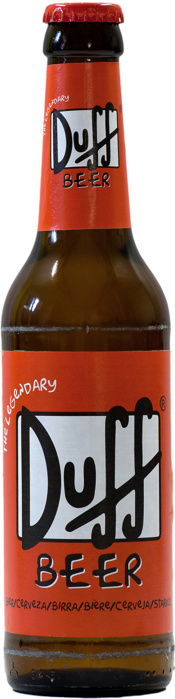
- Duff Beer (The Simpsons) – Springfield’s famous beer brand became so iconic that licensed versions have been produced in several countries.
- Los Pollos Hermanos (Breaking Bad and Better Call Saul) – Gustavo Fring’s fast-food chicken chain became one of television’s most recognizable fictional restaurants and has appeared as a real-life pop-up restaurant.
- Acme Corporation (Looney Tunes) – Known for supplying Wile E. Coyote with increasingly disastrous inventions, Acme has become one of animation’s most famous fictional companies.
- Wonka (Charlie and the Chocolate Factory) – Willy Wonka’s confectionery company inspired real candy products and remains one of fiction’s most recognizable food brands.
- Buy n Large (BnL) (WALL-E) – The fictional mega-corporation that dominates the future world serves as a memorable satire of modern consumer culture.
- Umbrella Corporation (Resident Evil) – The biotechnology company behind the series’ zombie outbreaks has become one of gaming’s most recognizable fictional corporations.
- Oceanic Airlines (Lost and other productions) – This fictional airline has appeared across numerous television shows and films, becoming a familiar fictional brand for audiences.
- Globex Corporation (The Simpsons) – Hank Scorpio’s multinational company remains one of the series’ most memorable fictional businesses.
- MomCorp (Futurama) – The futuristic corporation owned by Mom appears throughout the series, parodying powerful technology conglomerates.
- Virtucon Industries (Austin Powers) – Dr. Evil’s comically over-the-top corporation became one of the franchise’s most recognizable recurring fictional organizations.
These examples show how fictional brands often grow beyond their original purpose as background details. Through memorable logos, recurring appearances, clever writing, and devoted fan communities, they become enduring parts of pop culture that audiences recognize almost as easily as real-world companies.
Fictional Brands Can Stay Timeless
Real companies constantly update their logos, advertising campaigns, products, and corporate identities to keep up with changing markets. Fictional brands, however, often remain remarkably consistent for years or even decades. Their logos, packaging, and overall identities become closely associated with the stories in which they appear, allowing them to maintain a recognizable image across generations of fans.
This stability makes fictional brands surprisingly memorable. Audiences often recognize an imaginary logo immediately because it has remained visually unchanged through sequels, reruns, streaming releases, or video game remasters. Instead of constantly adapting to new marketing trends, these companies preserve the same identity that first made them iconic.
As a result, fictional businesses sometimes develop stronger nostalgic appeal than real ones. Their consistency allows them to become enduring symbols of beloved franchises, making them feel less like temporary props and more like permanent landmarks within popular culture.
View this post on Instagram
They Become Part of Pop Culture Beyond the Story
Perhaps the biggest reason fictional brands feel real is that they eventually escape the stories that created them. Their logos appear on clothing, collectibles, memes, fan art, conventions, and themed attractions, while their names enter everyday conversations among fans. People immediately recognize many fictional companies even without mentioning the movies, television shows, or games where they first appeared.
This broader recognition transforms imaginary businesses into pop culture icons. They are no longer remembered only because of specific scenes or characters but because they have developed identities strong enough to stand on their own. A fictional restaurant or beverage company can evoke an entire franchise with nothing more than a familiar logo or slogan.
That lasting cultural presence explains why so many imaginary companies feel surprisingly authentic. Through thoughtful design, consistent world-building, and years of audience engagement, they become more than storytelling devices—they become recognizable brands that occupy a unique place alongside real businesses in the collective imagination.
Conclusion
Fictional brands succeed because they do much more than fill empty space in a story. Through consistent appearances, professional branding, detailed world-building, and strong connections to memorable characters, they create the impression of businesses that continue operating beyond the edges of the screen. Their carefully crafted identities help fictional worlds feel complete while giving audiences something familiar to recognize every time they return.
Over time, many of these imaginary companies become cultural icons in their own right. Merchandise, theme parks, fan communities, and internet culture extend their influence far beyond the original stories, proving that a well-designed fictional brand can become just as recognizable—and sometimes even more beloved—than many companies that exist in the real world.