

Some of the most recognizable brands in pop culture have never existed outside of fiction. Fans can instantly recognize products like Duff Beer, Krusty Krab meals, Los Pollos Hermanos, or Wonka chocolate bars, even though they originally belonged to imaginary worlds created for television and movies. Over time, these fictional products have become just as memorable as many real-world brands.
That lasting popularity shows how deeply entertainment can shape consumer culture. Fake brands do more than fill the background of a scene—they help make fictional worlds feel believable while giving fans something fun to remember long after the credits roll. In many cases, audiences become so attached to these imaginary products that they wish they could actually buy them, turning fictional brands into enduring pieces of pop culture.
Fictional Brands Make Imaginary Worlds Feel Real
One of the biggest reasons fake brands remain so memorable is that they make fictional settings feel more authentic. Just as real cities contain recognizable restaurants, grocery stores, and household products, fictional worlds become easier to believe when they include their own businesses and brands. These details make movies and television shows feel like complete universes rather than carefully constructed sets.
Instead of constantly using real companies, filmmakers often create original brands that fit naturally within the story. A fictional soda, fast-food restaurant, toy company, or television network helps build the illusion that the characters live in a world with its own history, economy, and culture. Viewers may only see these products briefly, but they subconsciously contribute to the realism of the setting.
These invented companies also allow writers greater creative freedom. They can create humorous advertisements, unusual products, or fictional corporations without worrying about representing real businesses accurately. The result is a richer fictional world that feels unique while remaining familiar enough for audiences to immediately understand.

Some Fake Brands Became More Famous Than Real Ones
Many fictional brands have achieved remarkable recognition despite never being sold in stores. Decades after their first appearances, audiences still remember logos, slogans, mascots, and product packaging associated with imaginary companies that existed only on screen. Their popularity demonstrates how effective good storytelling can be at creating memorable brands.
Part of this success comes from repetition. Popular television series often feature the same fictional businesses across multiple seasons, allowing audiences to develop familiarity with them in much the same way they would with real products. Every appearance strengthens the connection between the brand and the fictional universe it belongs to.
In some cases, these imaginary companies become so recognizable that people reference them in everyday conversations. Fans immediately understand the joke when someone mentions a fictional restaurant or beverage, proving that the brand has grown beyond its original role as a background detail and entered popular culture.
Writers Used Fake Brands to Build Running Jokes
Fictional brands often become much more than background props because writers use them as recurring jokes throughout a movie or television series. A made-up restaurant might repeatedly serve terrible food, an imaginary electronics company could constantly release unreliable products, or a fictional fast-food chain might appear in unexpected places across multiple episodes. These recurring references reward longtime viewers who recognize the pattern and understand the joke.
Because writers control every aspect of these fictional companies, they can exaggerate them in ways that would never be possible with real brands. They can invent outrageous advertising campaigns, ridiculous slogans, or humorous product names that perfectly match the tone of the story. These exaggerated details often become some of the most memorable parts of a fictional universe because they add personality without interrupting the main plot.
Over time, these running jokes help the brands develop identities of their own. Fans begin recognizing them almost like recurring supporting characters, eagerly anticipating each new appearance and appreciating how they contribute to the humor and consistency of the fictional world.
View this post on Instagram
Fans Love Owning Pieces of Fictional Worlds
One reason audiences remain fascinated by fake brands is that they offer a tangible connection to stories they love. Fans often imagine what it would be like to visit a favorite fictional restaurant, drink an imaginary soft drink, or shop at a store that exists only within a movie or television series. The products represent an opportunity to bring part of that fictional universe into everyday life.
This desire explains why officially licensed recreations often generate enormous excitement. When studios release collectible versions of fictional snacks, beverages, cereal boxes, or restaurant packaging, fans eagerly purchase them not necessarily because of the food itself but because they represent beloved stories and memorable characters. The product becomes a souvenir from a fictional place rather than simply another consumer item.
These collectibles also encourage fans to recreate moments from their favorite films and television shows. Displaying a fictional product on a shelf or using it during a themed movie night helps strengthen the emotional connection between audiences and the stories they continue revisiting.
Clever Branding Makes Them Feel Authentic
The most successful fictional brands often look surprisingly realistic. Designers create professional logos, attractive packaging, memorable slogans, and advertising campaigns that resemble those of real companies. This attention to detail helps audiences accept the products as natural parts of the fictional world instead of obvious movie props.
Many productions even develop complete visual identities for brands that appear only briefly on screen. Product labels, store signs, employee uniforms, and television commercials are carefully designed to match the tone of the story while remaining believable enough that viewers rarely question their authenticity. These details reward attentive audiences who enjoy noticing the small elements that make fictional worlds feel complete.
Over time, this careful design contributes to the brand’s lasting appeal. A well-designed fictional logo or package can become instantly recognizable years after the movie or television show first premiered, demonstrating that strong branding works just as effectively in fictional worlds as it does in real life.

Urko Dorronsoro from Donostia – San Sebastian, Euskal Herria (Basque Country), ExpoSYFY – Charlie and the Chocolate Factory (10756984573), CC BY-SA 2.0
Easter Eggs Encourage Fans to Look Closer
Fake brands often reward attentive viewers by appearing repeatedly across different scenes, encouraging audiences to look beyond the main action. A fictional cereal box might briefly appear in a kitchen, while the same logo later shows up on a billboard, delivery truck, or television commercial within the story. These recurring details create the feeling that the brand genuinely exists throughout the fictional world rather than appearing only when the plot requires it.
Fans enjoy spotting these hidden references because they make each viewing more rewarding. Rewatching a favorite movie or television series often reveals fictional products that went unnoticed the first time. Entire online communities have formed around identifying these background details, sharing screenshots, and explaining how different fictional companies connect to one another across the same universe.
This treasure-hunt quality adds another layer of enjoyment to the viewing experience. Instead of focusing only on the main characters, audiences begin paying attention to the small details that make fictional worlds feel fully developed. Fake brands become memorable because discovering them feels like uncovering an inside joke shared between filmmakers and dedicated fans.
Merchandise Turned Fiction Into Reality
As fan interest grew, many studios realized there was genuine demand for products based on fictional brands. What began as imaginary packaging on screen gradually evolved into officially licensed merchandise sold through theme parks, online stores, conventions, and limited-edition promotions. Fans who had spent years wishing these products were real suddenly had the opportunity to own them.
These real-world versions often remain faithful to the original designs. Packaging, logos, slogans, and even fictional advertisements are carefully recreated to match what appeared on screen, allowing fans to feel as though they have purchased something directly from the fictional universe. Holding one of these products creates a unique experience because it blurs the line between fantasy and reality.
The excitement surrounding these releases demonstrates how emotionally attached audiences become to fictional worlds. People are not simply buying food, drinks, or novelty items—they are purchasing memories connected to favorite characters, memorable scenes, and stories that have remained meaningful for years.

Theme Parks Brought Imaginary Brands to Life
Theme parks have played a major role in transforming fictional brands into real experiences. Instead of merely selling branded merchandise, many parks recreate fictional restaurants, cafés, candy shops, and stores where visitors can order the same products seen in movies and television shows. Walking into these locations makes fans feel as though they have stepped directly into the fictional world.
These immersive experiences go far beyond simple decoration. Menus, employee uniforms, packaging, interior design, and even background music are carefully crafted to match the source material. Visitors are encouraged to interact with the fictional brand just as characters would, making the experience feel authentic rather than promotional.
This attention to detail has made fictional businesses some of the most popular attractions at entertainment destinations around the world. Fans appreciate the opportunity to temporarily live inside the stories they have watched for years, proving that imaginary brands can become powerful real-world experiences when thoughtfully recreated.
Fans Enjoy Collecting Fictional Products
Collecting merchandise based on fake brands has become a hobby of its own. Some fans display replica soda bottles, cereal boxes, candy wrappers, restaurant cups, and snack packaging alongside action figures, movie posters, and other memorabilia. These everyday-looking objects stand out because they immediately remind collectors of beloved fictional universes.
Limited-edition releases are especially popular because they often recreate products exactly as they appeared on screen. Even empty containers or unopened food packages sometimes become collectibles, valued more for their connection to entertainment history than for their practical use. The packaging itself becomes part of the appeal, reflecting the thoughtful design that made the fictional brand memorable in the first place.
These collections also become conversation starters. Visitors who recognize a fictional logo or product immediately share a cultural reference with the collector, often leading to discussions about favorite movies, television episodes, or memorable scenes associated with that particular brand.
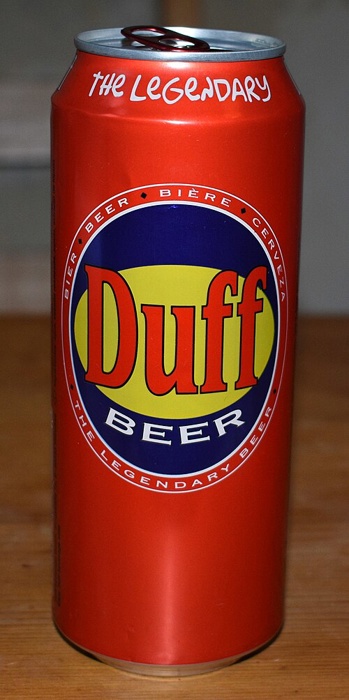
Fake Brands Strengthen Fan Communities
One reason fictional brands continue to thrive long after movies and television shows end is that they give fans another shared language. Mentioning an imaginary restaurant, snack, or beverage instantly signals familiarity with a particular franchise, allowing fans to recognize one another through references that outsiders may not immediately understand. The brand becomes another symbol of belonging within the community.
Social media has amplified this effect even further. Fans regularly share photographs of replica products, create recipes inspired by fictional foods, design homemade packaging, and imagine advertisements for brands that only exist on screen. These creative projects keep fictional companies alive long after the original stories have finished, encouraging ongoing participation from audiences around the world.
Rather than fading into the background, these imaginary businesses become lasting pieces of fan culture. They inspire artwork, collectibles, cosplay, and themed events while helping strengthen the emotional connection between audiences and the fictional worlds they continue to revisit.
Conclusion
Fake brands from movies and television remain popular because they make fictional worlds feel richer, more believable, and more immersive. Through memorable logos, clever packaging, recurring appearances, and creative storytelling, these imaginary products become just as recognizable as many real companies. Fans remember them because they become closely tied to favorite characters, and the worlds those stories created.
Their lasting appeal also highlights how entertainment continues to shape consumer culture in unexpected ways. When audiences eagerly buy replica products, visit themed restaurants, or collect merchandise inspired by fictional companies, they demonstrate that great storytelling can make even imaginary brands feel real. Decades after many first appeared on screen, these fictional businesses continue proving that people remember the ones they originally couldn’t buy at all.