

Few collectibles have experienced the lasting success of Pokémon Trading Card Game (TCG) cards. What began in the late 1990s as a companion product to Nintendo’s rapidly growing Pokémon franchise has evolved into one of the world’s most influential collectibles. Today, Pokémon cards exist at the intersection of gaming, collecting, and pop culture. It attracts everyone from children opening their first booster pack to serious collectors paying record-breaking prices for rare cards.
The remarkable growth of Pokémon cards reflects more than the popularity of Pikachu and friends. Over the past two decades, the hobby has continually reinvented itself through new game mechanics, stunning artwork, competitive tournaments, celebrity attention, social media, and an active global collector community. As a result, Pokémon cards have become much more than pieces of cardboard—they have become cultural artifacts that connect generations of fans.
The Trading Card Game Started a Global Phenomenon
The Pokémon Trading Card Game debuted in Japan in 1996 before expanding internationally as Pokémon fever spread around the world. Alongside the video games, animated television series, and movies, the cards offered fans an entirely new way to experience the franchise. Instead of simply watching Pokémon battles, players could build decks and compete using their favorite creatures.
The game combined strategy with collecting. Every booster pack contained the possibility of discovering new Pokémon, powerful Trainer cards, or rare holographic cards that immediately became prized possessions. This blend of gameplay and surprise made opening packs almost as exciting as playing the game itself.
The combination proved incredibly successful. Children quickly embraced both the competitive gameplay and the thrill of collecting, helping Pokémon cards become one of the defining toys of the late 1990s and establishing a hobby that continues to grow today.
Collecting Became Just as Important as Playing
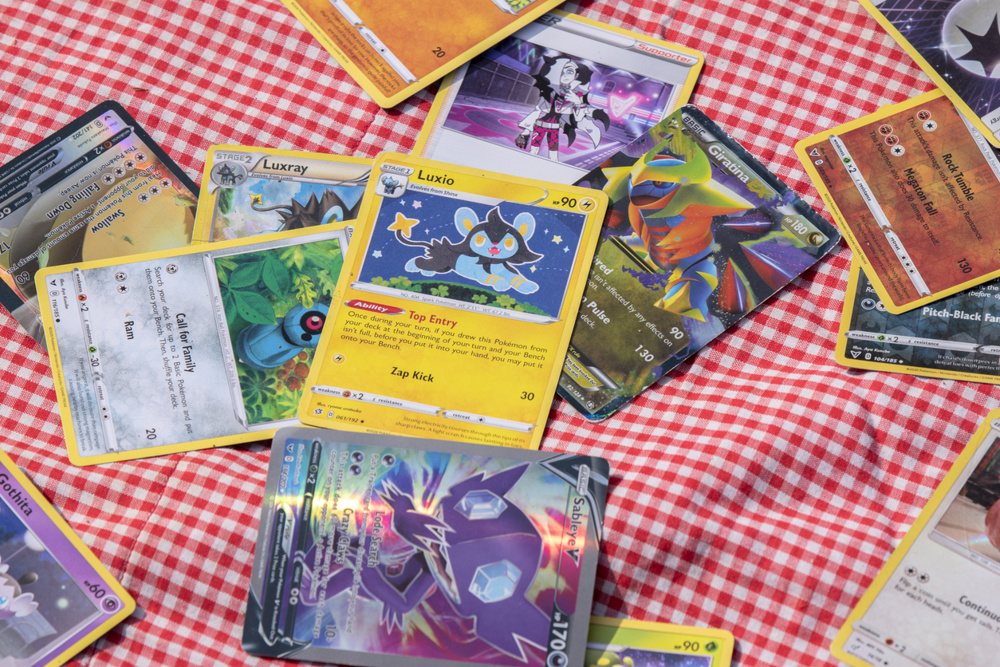
Although the Pokémon Trading Card Game was designed for competition, many fans became collectors long before learning the rules. Completing Pokédex-inspired collections, finding favorite Pokémon, and chasing holographic cards became rewarding goals in their own right. For countless fans, the cards represented beloved characters rather than simply game pieces.
The artwork played a major role in this appeal. Every expansion introduced new illustrations featuring different artistic styles, seasonal themes, and creative interpretations of familiar Pokémon. Some collectors focus on completing full sets, while others collect only certain Pokémon, artists, or special card variants that reflect their personal interests.
This flexibility has helped the hobby appeal to many different audiences. Whether someone enjoys competitive play, artistic design, nostalgia, or completing collections, Pokémon cards offer multiple ways to participate without following a single path.
Rare Cards Created Legendary Status
One of the biggest reasons Pokémon cards became global collectibles is the excitement surrounding rare cards. First Edition releases, holographic cards, promotional cards, trophy cards, alternate-art designs, and limited tournament prizes have all become highly sought-after among collectors. Finding a rare card often becomes a memorable moment that collectors remember for years.
Certain cards have achieved legendary status within the hobby. Early Charizard cards, Pikachu Illustrator, Gold Star Pokémon, and rare promotional releases are recognized around the world for their scarcity and historical importance. These cards represent milestones in Pokémon history while serving as symbols of the hobby’s evolution.
The search for rare cards adds excitement to every new expansion. Whether opening booster packs or searching collector markets, fans continue chasing the possibility of discovering a card that could become the centerpiece of their collection.
The Artwork Became a Major Attraction
As the Pokémon Trading Card Game evolved, its artwork became one of its greatest strengths. Every expansion features illustrations created by talented artists who interpret Pokémon through a wide range of artistic styles, from colorful landscapes and dynamic battle scenes to watercolor paintings and highly detailed digital art. Many collectors purchase cards primarily because they appreciate the artwork rather than the gameplay.
Special releases such as alternate-art cards, illustration rares, and full-art cards have further elevated the artistic value of the hobby. These designs often tell miniature stories, showcasing Pokémon interacting with trainers, exploring natural environments, or simply enjoying everyday life. The illustrations transform individual cards into collectible pieces of art.
This emphasis on visual creativity has broadened the appeal of Pokémon cards. Art enthusiasts, casual collectors, and longtime fans all find something to appreciate, helping the trading card game remain one of the most visually celebrated collectibles in modern pop culture.
View this post on Instagram
Competitive Play Built a Global Community
While many people collect Pokémon cards, the Trading Card Game has also developed into one of the world’s largest competitive card games. Local game stores, regional championships, national tournaments, and the annual Pokémon World Championships bring together players of all ages to test their skills using carefully constructed decks. Every new expansion introduces fresh strategies that keep the competitive scene constantly evolving.
Success in the Pokémon TCG requires much more than owning rare cards. Players study game mechanics, practice against different deck types, and continually adjust their strategies as new cards are released. This balance between luck, planning, and tactical decision-making has helped the game remain engaging for beginners while offering plenty of depth for experienced competitors.
The organized tournament scene has strengthened the global Pokémon community. Whether competing locally or watching championship matches online, fans can participate in a worldwide hobby that combines friendly competition with a shared love for the Pokémon universe.
Social Media Sparked a New Card Boom
Social media played a major role in introducing Pokémon cards to a new generation of collectors. TikTok, YouTube, Instagram, and Twitch became filled with booster pack openings, rare card reveals, grading results, collection tours, and live “box break” streams. The excitement of revealing a valuable card proved especially entertaining for viewers, making Pokémon card content one of the most popular categories in the collecting community.
Creators frequently shared their reactions after pulling highly sought-after cards, encouraging audiences to experience the suspense alongside them. Collection showcases, binder tours, and discussions about new expansions also introduced newcomers to different aspects of the hobby. Even people who had never collected cards before became interested after watching these videos.
This steady stream of online content helped fuel renewed interest in Pokémon cards during the 2020s. Social media transformed collecting into a shared experience where fans could celebrate discoveries, exchange advice, and stay informed about upcoming releases together.
View this post on Instagram
Pokémon Cards Became Valuable Investments
As demand increased, certain Pokémon cards began selling for extraordinary prices. First Edition Base Set cards, rare promotional releases, tournament prizes, and professionally graded cards have attracted serious collectors and investors willing to spend thousands—or even hundreds of thousands—of dollars on exceptional examples. These record-breaking sales brought significant attention to the hobby from outside the traditional collecting community.
Card grading companies also became increasingly important by evaluating a card’s condition and authenticity. High-grade examples often command significantly higher prices than identical cards with visible wear, making careful storage and preservation essential for serious collectors. Protective sleeves, binders, and display cases have become standard equipment for many enthusiasts.
Although most collectors purchase cards because they enjoy Pokémon, the investment aspect has added another layer of excitement. Certain cards are now viewed not only as nostalgic collectibles but also as valuable assets with long-term appeal.
Celebrity Interest Brought Mainstream Attention
Celebrity collectors helped introduce Pokémon cards to audiences far beyond traditional gaming communities. Athletes, musicians, actors, and online creators have publicly shared their collections, opened booster packs on livestreams, and purchased rare cards at auctions. Their enthusiasm generated widespread media coverage that brought renewed attention to the hobby.
High-profile purchases of iconic cards became major news stories, while livestream openings regularly attracted millions of viewers eager to watch rare cards being revealed. These events demonstrated that Pokémon cards had evolved into collectibles appreciated by people from many different backgrounds rather than only dedicated fans of the franchise.
This mainstream visibility encouraged even more people to rediscover the hobby. Adults who had collected cards as children often returned out of nostalgia, while younger audiences became curious after seeing their favorite creators and celebrities participating in the excitement.

MIKI Yoshihito, POKEMON card battle, CC BY 2.0
New Generations Keep Discovering the Hobby
One of the biggest reasons Pokémon cards have remained successful is their ability to attract new fans while keeping longtime collectors engaged. Children continue opening their first booster packs, learning the game, and trading with friends, while adults who grew up during the original Pokémon craze often return to the hobby years later. This blend of nostalgia and discovery has created one of the broadest collecting communities in the world.
Every new expansion introduces fresh Pokémon, mechanics, and artwork while also celebrating classic characters like Pikachu, Charizard, Eevee, and Mew. Anniversary collections, special promotional sets, and nostalgic reprints encourage longtime fans to revisit the franchise while giving younger collectors opportunities to experience iconic cards in new ways. The hobby constantly evolves without losing its connection to its history.
This balance has allowed Pokémon cards to remain relevant across multiple generations. Few collectibles successfully appeal to children, competitive players, casual collectors, investors, and nostalgic adults all at the same time.
The Hobby Grew Beyond the Cards
Although Pokémon cards remain at the center of the hobby, the community has expanded into much more than collecting and playing. Collector conventions, trade nights, local card shops, online marketplaces, grading services, and fan events have created an entire ecosystem built around the Pokémon Trading Card Game. These spaces allow enthusiasts to meet, trade, learn, and celebrate their shared interests.
Many collectors also personalize their experience by organizing themed binders, displaying graded cards, building custom storage cases, or focusing on favorite Pokémon, artists, or expansion sets. Others enjoy documenting their collections through YouTube channels, TikTok videos, podcasts, and social media pages dedicated entirely to the hobby. Every collector finds a different way to participate.
This variety has helped Pokémon cards become a lasting community rather than simply a product. The friendships, events, and shared experiences surrounding the cards are often just as meaningful as the collections themselves.
View this post on Instagram
Pokémon Cards Became Pop Culture Icons
Today, Pokémon cards are recognized as one of the most influential collectibles ever created. Their impact extends far beyond hobby stores, appearing in documentaries, television programs, news reports, museums, charity events, livestreams, and celebrity collections. Few trading cards have maintained such widespread cultural recognition for so many years.
Their influence also reflects the broader success of the Pokémon franchise. As new video games, animated series, movies, and merchandise continue introducing audiences to the brand, the Trading Card Game remains one of its most recognizable pillars. Each new release becomes both a gaming event and a collecting event, bringing together fans from many different interests.
Rather than existing alongside pop culture, Pokémon cards have become an important part of it. They represent the lasting appeal of collecting, storytelling, competition, and nostalgia in a way that few other hobbies have achieved.
Conclusion
Pokémon cards have grown far beyond their origins as a companion product for a video game franchise. Through competitive tournaments, rare collectibles, and passionate communities around the world, they have become toys, strategy games, investments, and cultural icons all at once. Their unique ability to combine play, collecting, creativity, and nostalgia has allowed them to remain relevant for nearly three decades.
As new generations continue discovering Pokémon and longtime fans remain devoted to the hobby, the influence of the Trading Card Game shows no signs of slowing down. Whether someone is opening their very first booster pack, searching for a rare card, or preserving a treasured childhood collection, Pokémon cards continue bringing people together through a shared love of one of pop culture’s most enduring franchises.