

Few toys captured the imagination—and sometimes the confusion—of the late 1990s quite like Furby. Introduced by Tiger Electronics in 1998, the furry, owl-like electronic creature quickly became one of the decade’s biggest holiday sensations. With blinking eyes, moving ears, an unusual language called Furbish, and the ability to “learn” English over time, Furby felt unlike any toy that had come before it.
It was part pet, part robot, and part interactive companion, creating an experience that fascinated millions of children around the world. The success of Furby reflected a growing interest in technology at the end of the twentieth century. Its unusual appearance, unpredictable behavior, and mysterious personality helped transform it into one of the strangest and most memorable toy icons of its era.
Furby Felt Alive in a New Way
Unlike traditional stuffed animals, Furby responded to touch, sound, movement, and interaction. It blinked its eyes, moved its ears, opened and closed its mouth, laughed, danced, and made a variety of noises that gave the impression of having its own personality. Children often felt as though they were caring for a living creature rather than simply playing with an electronic toy, making play feel far more interactive than with most toys of the time.
Part of the appeal came from the illusion of growth. When first activated, Furby primarily spoke Furbish, but after repeated interaction it gradually began using more English words and phrases. Many owners believed their Furby was actually learning from conversations, making every interaction feel unique and personal.
Although its behavior was driven by pre-programmed responses, the experience felt remarkably advanced for the late 1990s. Furby demonstrated how electronic toys could create emotional connections through personality rather than simply performing mechanical actions. Its lifelike behavior helped set a new standard for interactive toys and inspired future generations of electronic companions.
Furbish Made the Toy Feel Mysterious
One of Furby’s most distinctive features was its fictional language. At first, owners heard words like “doo-ay,” “kah,” and “wee-tah-kah-loo-loo,” creating the impression that the toy came from its own unique world. As children spent more time interacting with it, English words slowly became mixed into its vocabulary, giving the appearance that Furby was learning to communicate.
This gradual language shift became one of the toy’s biggest attractions. Many children eagerly waited to hear new phrases, comparing their Furbies with friends to see how each seemed to develop over time. Some owners even tried to translate Furbish or memorize common words, making the language itself part of the overall play experience.
Furbish helped distinguish Furby from other electronic toys on the market. The unusual vocabulary added personality, mystery, and humor while making the toy feel more like a curious creature than a simple gadget. It gave Furby an identity that remained instantly recognizable long after the original toy craze had ended.
The Holiday Craze Took Over Stores
Furby became one of the biggest holiday shopping crazes of the late 1990s. Demand dramatically exceeded supply during the 1998 holiday season, leading to long lines, empty store shelves, and rapidly rising resale prices. Many parents struggled to find one before Christmas as retailers sold out almost immediately after receiving new shipments, and some shoppers visited multiple stores in hopes of finding one.
The shortage generated widespread media attention, turning Furby into one of the year’s most talked-about products. News broadcasts covered shopping crowds, newspapers reported on soaring prices, and television programs discussed the growing phenomenon. In some cases, desperate buyers paid several times the original retail price through auctions and resale markets just to secure the popular toy before the holidays.
Its remarkable popularity demonstrated how quickly a toy could become a cultural event. Even people who never owned a Furby were familiar with its unusual appearance and the excitement surrounding its release. The holiday frenzy cemented Furby’s reputation as one of the most iconic toy crazes of the late 1990s.
Technology Made It Feel Futuristic
Furby arrived during a period when consumer technology was advancing rapidly. Personal computers were becoming common in homes, mobile phones were beginning to spread, and the internet was entering everyday life. Against this backdrop, an interactive electronic toy that blinked, talked, and appeared to “learn” felt surprisingly futuristic.
For many children, Furby became one of their earliest experiences with responsive technology. Instead of pressing a button to trigger a single action, owners interacted with a toy that reacted differently depending on touch, sound, and activity. This level of interactivity helped make Furby feel far more advanced than many other toys available at the time.
Although its technology now seems simple compared with modern smart devices, Furby represented an important step in the evolution of interactive toys. It introduced many families to the idea that toys could have personalities, behaviors, and ongoing interactions rather than fixed, repetitive responses.
View this post on Instagram
Its Unusual Appearance Made It Unforgettable
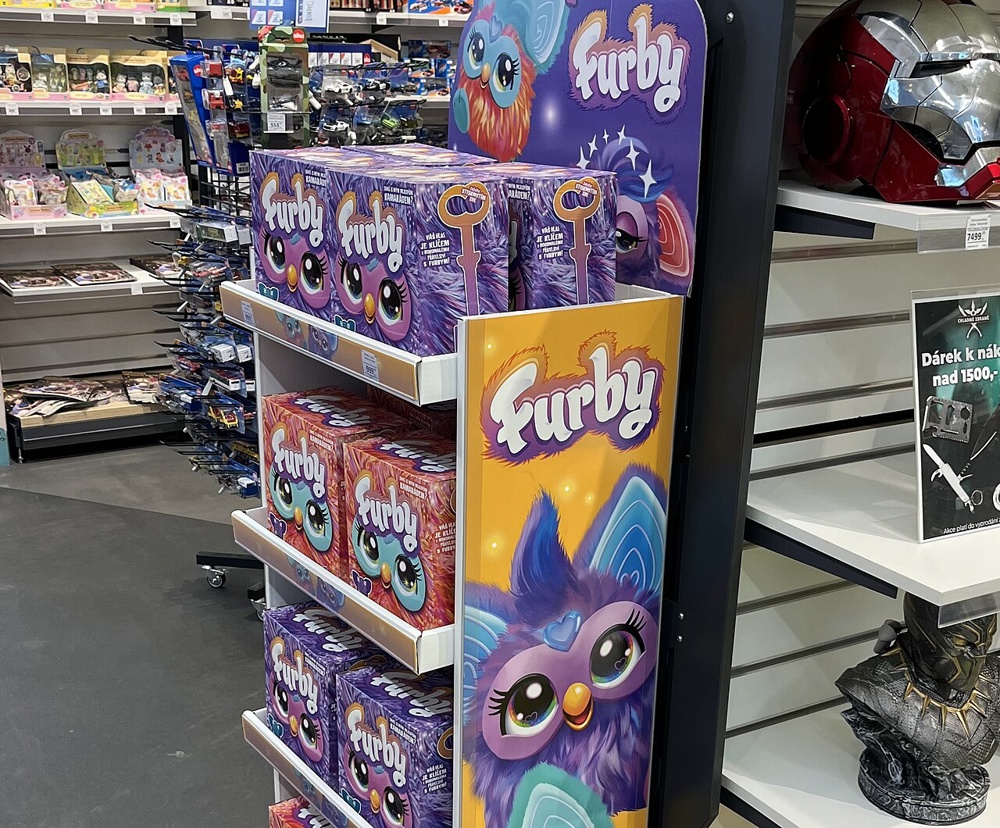
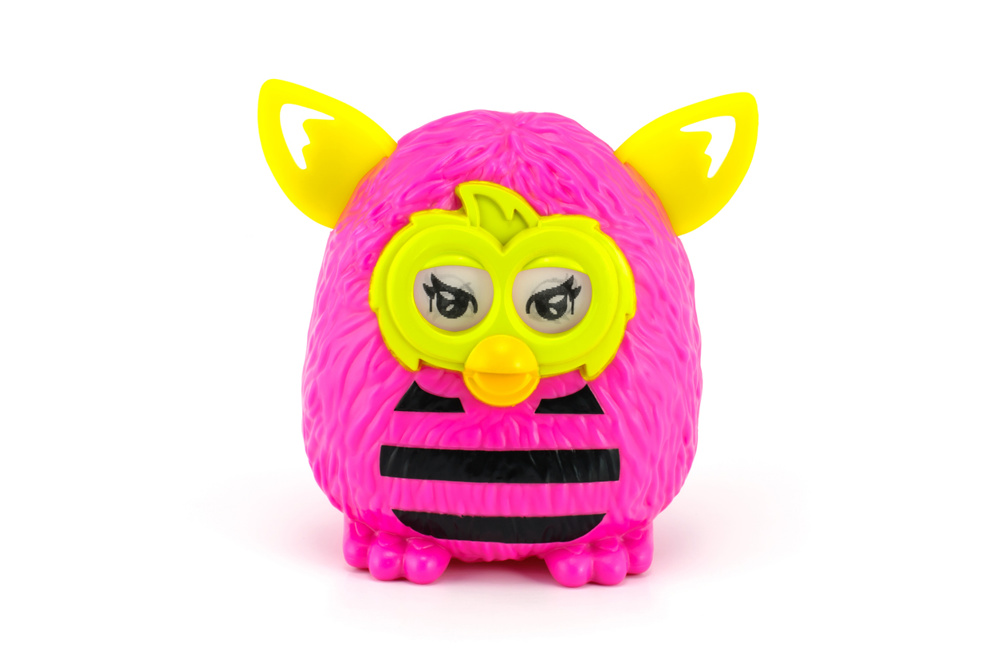
Part of what made Furby so memorable was its distinctive appearance. Neither completely bird nor entirely mammal, the toy combined oversized ears, large blinking eyes, a small beak, colorful fur, and rounded proportions into a creature that seemed unlike anything else on toy store shelves. It looked both cute and slightly strange, which immediately captured people’s attention.
The unusual design also encouraged curiosity. Many children imagined Furby as a mysterious species with its own personality and habits rather than simply another stuffed animal. Its constantly moving eyes and ears gave it an expressive face that seemed capable of reacting to conversations and surroundings, making every interaction feel a little different.
Even decades later, Furby’s appearance remains instantly recognizable. Its unique design has become one of the defining visual symbols of late-1990s toy culture and continues inspiring internet memes, fan art, costumes, and nostalgic discussions.
Rumors Made Furby Even More Famous
As Furby’s popularity grew, so did the rumors surrounding its technology. Some people mistakenly believed the toy could secretly record conversations or repeat anything it overheard. These misunderstandings spread quickly because Furby responded to sounds and appeared to “learn” language over time, making its behavior seem more sophisticated than it actually was.
The rumors became so widespread that they attracted media attention. Stories circulated online and in newspapers, while discussions about Furby’s technology became part of the toy’s growing legend. Although the claims were inaccurate, they made Furby seem even more mysterious and fascinating to the public.
Rather than hurting its popularity, these stories added to the toy’s reputation as one of the strangest gadgets of its era. Furby became famous not only for what it actually did but also for what people imagined it might be capable of doing.

Source: furbyjunkie
Furby Expanded Beyond the Original Toy
Following its enormous success, Furby quickly grew into a much larger franchise. New color variations, limited editions, themed releases, larger and smaller versions, books, video games, animated productions, and licensed merchandise introduced the quirky creature to even more audiences. Children could collect multiple Furbies with different appearances while continuing to expand their growing collections.
The brand also evolved alongside changing technology. Later generations of Furby introduced improved electronics, LCD eyes, mobile app connectivity, and more advanced interactions while maintaining the playful personality that made the original toy so memorable. Each new version attempted to balance nostalgia with modern technology.
These updates allowed Furby to remain relevant long after the original craze ended. Rather than disappearing as a one-time fad, it continued reinventing itself for new generations of children and collectors.
Collectors and Nostalgia Kept Furby Alive
As children who grew up during the late 1990s became adults, Furby experienced a nostalgic revival. Original models returned to collector markets, vintage toy stores, online auctions, and retro gaming conventions, where longtime fans searched for the versions they remembered from childhood. Certain limited editions and unopened Furbies became especially desirable among collectors.
Social media also helped reintroduce Furby to younger audiences. Videos showcasing vintage toys, restoration projects, collection tours, and humorous edits attracted millions of views on TikTok, YouTube, and Instagram. Some creators even customized old Furbies into imaginative art pieces, giving the toy an entirely new life within internet culture.
This renewed interest demonstrated Furby’s lasting cultural impact. What began as one of the biggest toy crazes of the late 1990s eventually became a nostalgic collectible appreciated by fans who wanted to reconnect with an unforgettable part of their childhood.
View this post on Instagram
Internet Culture Gave Furby a Second Life
Long after its original popularity faded, Furby found an unexpected home on the internet. Social media platforms such as Tumblr, Twitter, TikTok, Instagram, and YouTube embraced the toy’s unusual appearance and quirky personality, turning it into a favorite subject for memes, jokes, fan art, and creative videos. A new generation that had never owned the original toy discovered Furby through internet humor rather than toy store shelves.
Creators also began customizing vintage Furbies in imaginative ways. Some repainted them with fantasy-inspired designs, while others transformed them into sculptures, fashion pieces, or humorous art projects. These custom creations showcased the creativity of the online community and demonstrated how Furby could continue evolving long after its original release.
Rather than remaining a nostalgic toy, Furby became an internet icon. Its strange design, expressive face, and unpredictable reputation fit perfectly into online culture, where unusual and nostalgic objects often find new audiences through viral content.
Furby Influenced Future Interactive Toys
The success of Furby demonstrated that children were eager for toys that could respond, communicate, and appear to develop personalities over time. In the years that followed, many electronic toys incorporated similar ideas by adding speech, movement, touch sensors, and increasingly sophisticated interactions. Furby helped show that emotional engagement could become just as important as traditional play.
As technology improved, toy companies introduced more advanced companions that featured voice recognition, smartphone connectivity, artificial intelligence, and app integration. While these newer products offered far greater technical capabilities, many of them built upon concepts that Furby had helped popularize during the late 1990s. The toy proved that interactive companions could create lasting emotional connections with their owners.
Although later electronic pets became more technologically advanced, Furby remains one of the pioneers of the category. Its influence can still be seen in modern robotic toys and digital companions that combine entertainment with responsive behavior.
Furby Became a Symbol of Late-1990s Pop Culture
Today, Furby is remembered as one of the defining toys of the late 1990s. Alongside products such as Tamagotchi, Pokémon, and Beanie Babies, it represents an era when interactive gadgets and collectible toys captured the imagination of children around the world. Its unusual appearance and unforgettable personality continue to evoke memories of one of the most distinctive periods in toy history.
The toy’s legacy extends beyond nostalgia. Furby regularly appears in documentaries, museum exhibits about popular culture, retrospective articles, podcasts, and discussions about the evolution of interactive technology. Collectors, historians, and longtime fans often point to Furby as one of the products that helped bridge traditional toys with the increasingly digital future of entertainment.
Rather than being remembered simply as a holiday fad, Furby has earned a lasting place in pop culture history. Its combination of technology, personality, mystery, and internet revival has allowed it to remain recognizable decades after its original debut.
Conclusion
Furby became far more than an electronic toy because it combined technology, imagination, and personality in a way that felt remarkably new for its time. Its ability to blink, speak, respond, and gradually introduce English created the illusion of a living companion, while its unusual appearance and mysterious behavior made it unlike anything else on the market.
Even today, Furby continues to capture attention through nostalgia, collecting, internet culture, and its influence on modern interactive toys. Whether remembered as a childhood companion, a quirky collectible, or one of the internet’s favorite oddities, Furby remains a lasting reminder of a time when technology and play combined to create something delightfully strange and unforgettable.