

Few beauty products defined the 2010s as dramatically as Kylie Lip Kits. When Kylie Jenner launched Kylie Cosmetics in 2015 with a simple collection of liquid lipsticks and matching lip liners, the products sold out almost instantly. What began as a celebrity-backed makeup release quickly grew into one of the decade’s biggest beauty success stories.
The success of Kylie Lip Kits reflected much more than the popularity of one celebrity. They arrived during a period when Instagram, YouTube, and Snapchat were reshaping the beauty industry, allowing influencers and celebrities to communicate directly with millions of consumers. The Lip Kits became a symbol of how digital culture could transform a makeup product into a worldwide pop culture phenomenon.
Social Media Created Unprecedented Demand
Kylie Jenner’s enormous social media following played a crucial role in the launch of Kylie Cosmetics. Throughout the mid-2010s, she regularly shared makeup looks, behind-the-scenes content, and product previews across Instagram and Snapchat, generating anticipation long before customers could purchase the Lip Kits. Every teaser created excitement that traditional advertising campaigns struggled to match.
Fans closely followed product announcements, countdowns, and launch dates, often preparing to purchase products the moment they became available online. Screenshots, swatches, tutorials, and unboxing videos spread rapidly across social media, helping each release dominate online conversations for days. The excitement surrounding launches became part of the shopping experience itself.
This direct relationship between creator and consumer demonstrated the growing power of social media marketing. Rather than relying primarily on television commercials or magazine advertisements, Kylie Cosmetics built its audience through digital engagement and constant interaction with followers.
View this post on Instagram
Limited Releases Made Every Launch Feel Special
One of the defining characteristics of Kylie Lip Kits was their limited availability. Early launches frequently sold out within minutes, creating an atmosphere of exclusivity that encouraged customers to purchase immediately whenever new collections became available. Missing a launch often meant waiting weeks or months for another opportunity.
This scarcity generated enormous online discussion. Fans shared waiting room screenshots, celebrated successful purchases, and expressed disappointment when products sold out before they could complete checkout. The excitement surrounding each release became almost as important as the products themselves.
The strategy also influenced countless other beauty brands. Limited-edition collections, countdown launches, and exclusive collaborations became increasingly common throughout the beauty industry, helping brands maintain excitement while encouraging repeat purchases.
Matte Lips Defined the Decade
The popularity of Kylie Lip Kits also reflected the broader beauty trends of the 2010s. Matte liquid lipsticks became one of the decade’s signature makeup looks, replacing the glossy finishes that had dominated earlier years. Neutral shades, nude tones, warm browns, mauves, and deep berry colors became everyday essentials for millions of makeup enthusiasts.
Matching lip liners played an equally important role. Carefully defined lips became a defining feature of many beauty tutorials, encouraging consumers to purchase complete lip sets rather than individual products. The Lip Kits simplified this process by pairing coordinated shades together, making it easier to recreate popular makeup looks.
This emphasis on fuller, well-defined lips extended far beyond cosmetics. It influenced fashion photography, celebrity styling, beauty editorials, and social media trends, helping establish one of the most recognizable beauty aesthetics of the decade.
View this post on Instagram
Beauty Tutorials Helped Fuel the Craze
YouTube beauty creators were instrumental in expanding the popularity of Kylie Lip Kits. Makeup artists and influencers produced countless tutorials demonstrating application techniques, shade comparisons, first impressions, and long-term wear tests. These videos helped potential customers decide which shades to purchase while introducing the products to audiences around the world.
Tutorial culture also encouraged experimentation. Viewers learned how to pair Lip Kits with contouring, highlighting, dramatic eye makeup, and full-glam looks that became closely associated with mid-2010s beauty trends. Influencers transformed product demonstrations into entertainment, making beauty content one of YouTube’s fastest-growing categories.
Because audiences trusted these creators, tutorials often influenced purchasing decisions more effectively than traditional advertising. Watching someone apply the product in real time gave consumers confidence while reinforcing the growing importance of influencer recommendations within the beauty industry.
Influencer Beauty Brands Followed the Blueprint
The remarkable success of Kylie Cosmetics demonstrated that influencers and celebrities could build beauty companies capable of competing with long-established cosmetic brands. Rather than simply endorsing existing products, creators increasingly launched their own makeup lines built around their personal style and direct relationships with audiences. The traditional beauty business model began shifting toward creator-led entrepreneurship.
Brands such as Fenty Beauty by Rihanna, Rare Beauty by Selena Gomez, Huda Beauty by Huda Kattan, Patrick Ta Beauty, ONE/SIZE by Patrick Starrr, and Makeup by Mario all benefited from a marketplace that had become more receptive to celebrity and influencer-owned cosmetics. Each brand developed its own identity, but Kylie Lip Kits helped prove that social media could successfully launch beauty businesses on a global scale.
This movement permanently changed the cosmetics industry. Consumers became more willing to purchase products from creators they trusted, encouraging beauty brands to place greater emphasis on personality, authenticity, and online community alongside product quality.
View this post on Instagram
Beauty Shopping Moved Online
Kylie Lip Kits also accelerated the shift toward online beauty shopping. Instead of visiting department stores or cosmetic counters to test products in person, many customers purchased Lip Kits directly through the Kylie Cosmetics website based on photographs, videos, tutorials, and influencer reviews. This marked an important change in how beauty products were marketed and sold.
Digital launches became exciting events in themselves. Customers joined virtual waiting rooms, refreshed product pages, and followed live updates on social media as collections became available. Shopping evolved into a shared online experience where fans celebrated successful purchases and discussed favorite shades in real time.
As more beauty brands adopted direct-to-consumer sales, online shopping became an increasingly important part of the cosmetics industry. The success of Kylie Cosmetics showed that digital-first product launches could generate enormous demand without relying on traditional retail stores.
Packaging Became Part of the Brand
The instantly recognizable packaging of Kylie Lip Kits played an important role in their popularity. The dripping lip logo, minimalist boxes, coordinated color themes, and carefully designed product photography helped create a visual identity that stood out immediately on Instagram feeds, YouTube videos, and makeup collections. The packaging itself became almost as recognizable as the products inside.
Beauty enthusiasts frequently displayed Lip Kits in vanity tours, makeup organization videos, and collection showcases, further increasing their visibility across social media. The products photographed exceptionally well, making them ideal for an era when visual presentation strongly influenced purchasing decisions.
This emphasis on branding encouraged other companies to invest more heavily in packaging design. Cosmetics increasingly became lifestyle products where presentation, aesthetics, and shareability were considered nearly as important as the formulas themselves.
Lip Kits Became Pop Culture Collectibles
As new shades and limited-edition collections were released, many customers began collecting Kylie Lip Kits rather than purchasing only a single favorite color. Holiday collections, collaborations, birthday launches, and seasonal packaging encouraged fans to build growing makeup collections that reflected different beauty trends throughout the decade.
Limited releases also created excitement within resale communities. Certain shades and special editions became difficult to obtain after selling out, leading some collectors to purchase products immediately in anticipation of future demand. This behavior resembled the growing popularity of sneaker drops and streetwear releases, where exclusivity increased cultural value. The collecting aspect further elevated Kylie Lip Kits beyond ordinary cosmetics. They became desirable cultural products that represented participation in one of the biggest beauty movements of the 2010s.
View this post on Instagram
The Beauty Standard Evolved
The popularity of Kylie Lip Kits reflected broader changes in beauty ideals throughout the 2010s. Fuller lips, precisely lined shapes, matte finishes, sculpted contour, and neutral color palettes became defining features of the decade’s signature makeup look. While these trends were influenced by many makeup artists, celebrities, and beauty creators, Kylie Cosmetics became one of the brands most closely associated with this aesthetic.
At the same time, beauty trends continued evolving as consumers embraced new styles in the late 2010s and early 2020s. Glossy lips, softer makeup, and more natural finishes gradually returned to popularity, demonstrating how quickly preferences can change within the cosmetics industry. Even so, the influence of the Lip Kit era remains visible in modern lip products, tutorials, and makeup techniques.
The period also highlighted the growing role of social media in shaping beauty standards. Makeup trends could now spread globally within days, allowing products and techniques to influence millions of consumers almost instantly.
Kylie Cosmetics Changed Beauty Marketing
Beyond the products themselves, Kylie Cosmetics introduced a new approach to beauty marketing. Product teasers, countdowns, limited-edition collections, social media previews, and direct communication with followers became central parts of each launch. Rather than depending primarily on magazine advertisements or in-store promotions, excitement was generated online through continuous engagement with fans.
This strategy encouraged beauty brands to think beyond traditional advertising. Consumers wanted behind-the-scenes content, swatch videos, tutorials, influencer reviews, and opportunities to interact directly with the people behind the products. Marketing became an ongoing conversation instead of a one-time campaign.
Many of these practices have since become standard across the cosmetics industry. Brands of all sizes now prioritize digital communities and creator partnerships, reflecting the lasting influence of Kylie Cosmetics on modern beauty marketing.
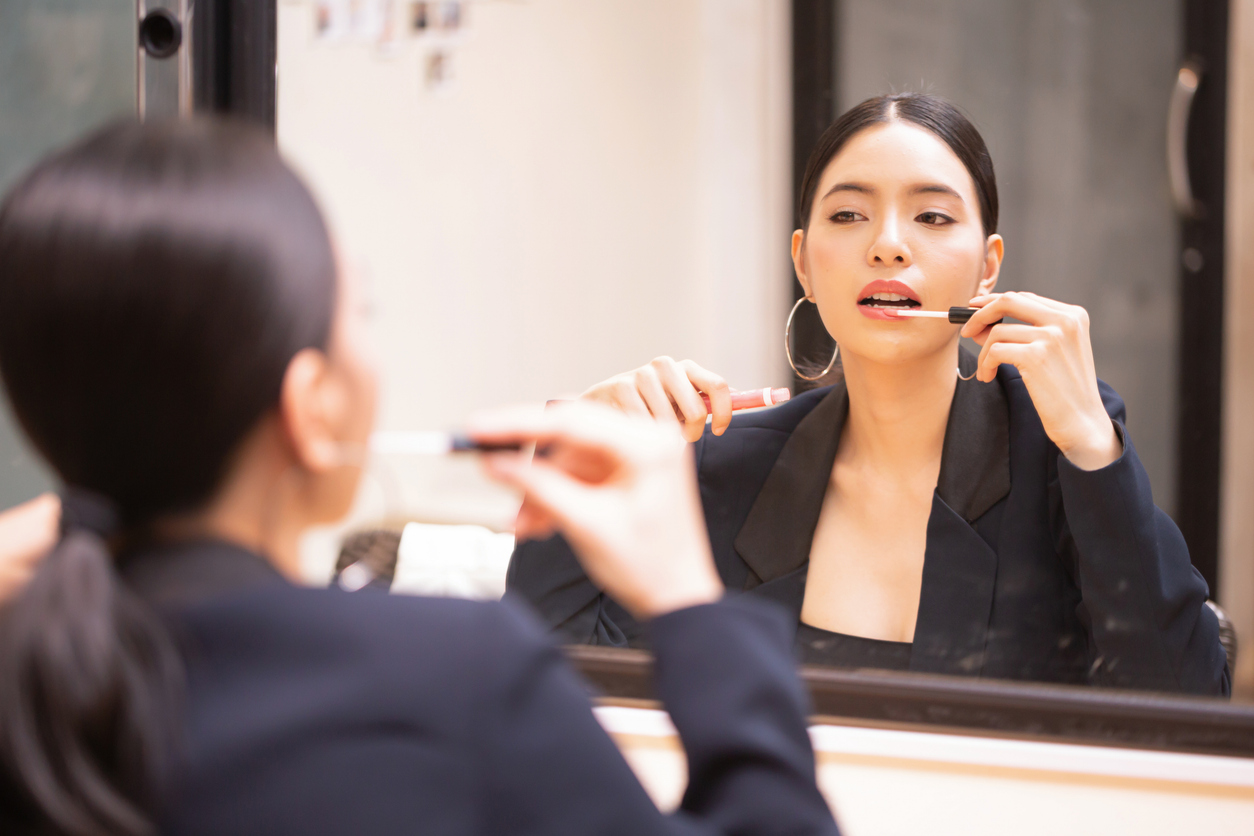
The Lip Kit Legacy Continues
Although beauty trends continue changing, the impact of Kylie Lip Kits remains significant. They demonstrated that a digitally native beauty brand could compete with established global companies while building enormous customer loyalty through social media. The launch also proved that creators and celebrities could transform personal influence into successful consumer businesses with worldwide reach.
Many aspects of today’s beauty industry can be traced back to this period. Limited-edition drops, influencer collaborations, online-first product launches, aesthetically designed packaging, and direct-to-consumer marketing have all become common practices across the cosmetics market. The Lip Kit era helped establish expectations that continue shaping beauty brands today.
Rather than being remembered only as a popular lipstick, Kylie Lip Kits represent a turning point in how makeup is promoted, purchased, and discussed. Their success changed the relationship between beauty brands, influencers, and consumers in ways that continue influencing the industry years later.
Conclusion
The 2010s transformed Kylie Lip Kits from a celebrity makeup launch into one of the decade’s most influential beauty phenomena. Through the power of social media, influencer culture, and changing beauty trends, the products reshaped consumer expectations and demonstrated that digital communities could drive enormous commercial success. They became far more than cosmetics—they represented a new era in how beauty brands connected with audiences.
As the beauty industry continues evolving, the legacy of Kylie Lip Kits remains easy to recognize. Today’s creator-led brands, viral product launches, online shopping experiences, and influencer marketing strategies all reflect lessons learned during the Lip Kit boom. More than a defining makeup trend of the 2010s, Kylie Lip Kits helped redefine the business of beauty for the social media age.