

For much of modern history, toys were viewed primarily as objects for children. Adults who continued collecting or purchasing toys often did so quietly, fearing that others might see the hobby as immature. In recent years, however, attitudes have changed dramatically. Plush animals, LEGO sets, action figures, miniature collectibles, squishy toys, and designer vinyl figures have become increasingly popular among adults of all ages.
This shift reflects more than simple nostalgia. Many adults are seeking small sources of comfort, relaxation, creativity, and happiness in increasingly busy and stressful lives. Rather than viewing toys as symbols of childhood, they now see them as objects that can provide enjoyment, inspire creativity, and create emotional connections.
Toys Are No Longer Just for Children
For generations, toys were marketed almost exclusively toward children, with adulthood often viewed as the point when people were expected to leave such interests behind. Collecting toys was frequently seen as a niche hobby rather than a mainstream pastime.
That perception has changed significantly over the past two decades. Manufacturers now produce entire product lines specifically designed for adult collectors, recognizing that many consumers continue enjoying toys long after childhood. Retailers have expanded their selections to include premium collectibles, display pieces, and limited-edition releases aimed at older audiences.
Today, purchasing a toy as an adult is increasingly viewed as a normal form of self-expression. Whether displayed on a shelf or enjoyed through hands-on interaction, toys have become accepted as part of many adults’ everyday lives.
Nostalgia Creates Powerful Emotional Connections
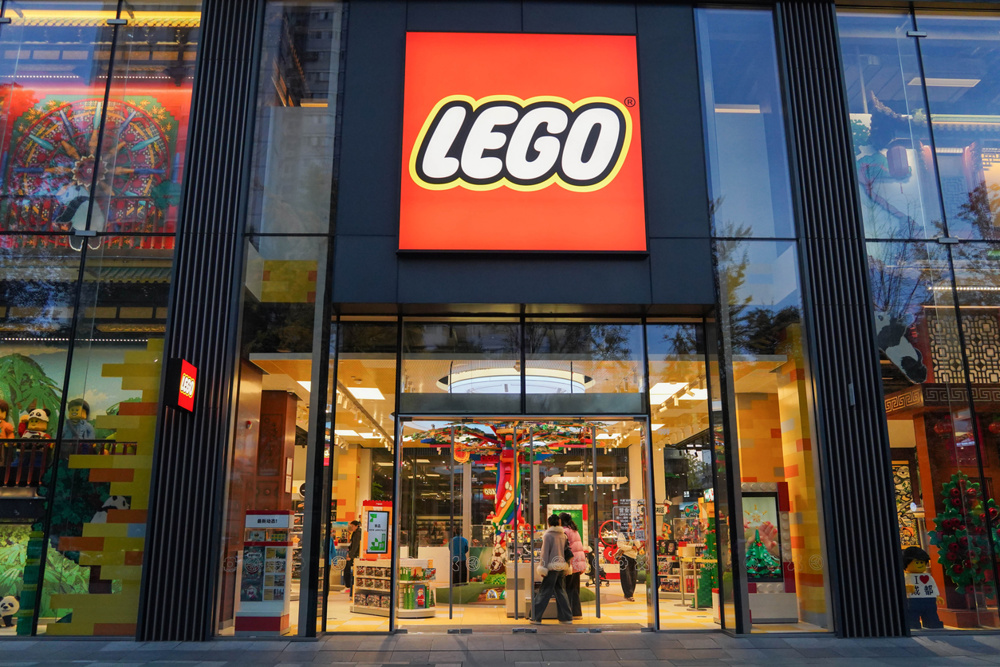
One of the biggest reasons adults buy toys is nostalgia. Familiar characters, brands, and playsets often remind people of happy memories from childhood, creating emotional connections that remain strong even decades later. A favorite toy can instantly bring back memories of birthdays, holidays, family traditions, or afternoons spent playing with siblings and friends.
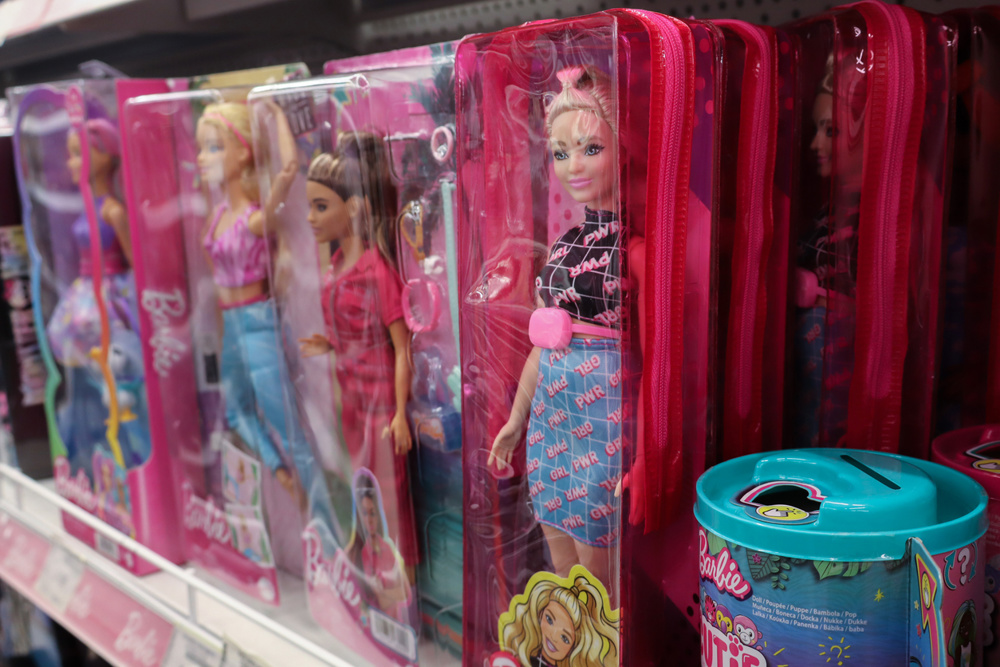
Many adults enjoy collecting toys they once owned or wished they had while growing up. Revisiting favorite franchises such as LEGO, Barbie, Hot Wheels, Transformers, Pokémon, or Star Wars allows collectors to reconnect with meaningful moments from their past while creating new memories. Some even seek vintage editions that closely resemble the toys they remember, turning collecting into a way of preserving a personal piece of history.
Nostalgia does more than simply remind people of childhood. It often provides a sense of comfort, familiarity, and continuity during periods of change or uncertainty, making collectible toys emotionally significant rather than merely decorative. For many collectors, these items represent cherished memories that continue to bring happiness long after childhood has ended.
Comfort Becomes a Lifestyle Trend
Modern consumers increasingly seek products that promote comfort and relaxation. Weighted blankets, scented candles, cozy clothing, plush toys, and other comforting objects have become popular as people look for simple ways to make daily life feel more enjoyable. This growing emphasis on comfort has influenced everything from home décor to fashion and personal hobbies.
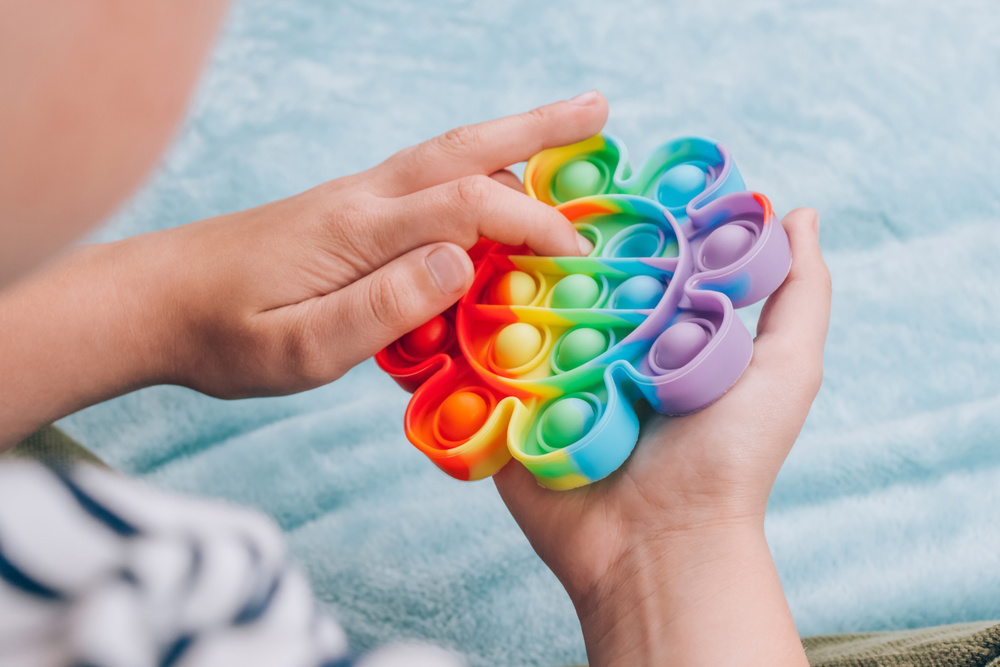
Toys naturally fit within this broader movement. Soft plush animals, squishy collectibles, fidget toys, and tactile desk accessories provide pleasant sensory experiences that many people find calming during work, study, or quiet moments at home. Their soft textures and playful designs encourage moments of relaxation without requiring significant time or effort.
Rather than serving only as entertainment, these toys become part of a lifestyle centered on comfort and personal well-being. Their growing popularity reflects changing attitudes toward everyday happiness and self-care, with many adults embracing products that simply make them feel relaxed, cheerful, and at ease.
Collecting Offers a Sense of Control
Collecting provides structure in a world that often feels unpredictable. Building a collection gives people clear goals, whether they are searching for rare editions, completing a themed set, or displaying favorite characters. The process offers a rewarding sense of progress that many collectors genuinely enjoy.
Many collectors spend time researching products, organizing displays, tracking new releases, and carefully planning future additions. These activities provide satisfaction through steady accomplishment, while the collection itself becomes a reflection of personal interests and dedication. Even small additions can feel meaningful because they contribute to a larger goal.
This sense of order and achievement helps explain why collecting appeals to so many adults. The hobby offers a relaxing activity that can be enjoyed at an individual’s own pace, providing a welcome break from the demands and uncertainties of everyday life.
Social Media Normalized Adult Toy Collecting
Platforms such as TikTok, Instagram, and YouTube have transformed adult toy collecting into a highly visible hobby. Creators regularly share collection tours, unboxing videos, display ideas, and reviews that attract millions of viewers. These videos showcase not only the toys themselves but also the passion and creativity of the people who collect them.
Seeing other adults proudly discuss their collections has helped remove much of the stigma once associated with buying toys later in life. Online communities celebrate enthusiasm rather than questioning it, making newcomers feel welcome regardless of whether they collect plush toys, action figures, LEGO sets, designer vinyl figures, or miniature collectibles.
Social media has also introduced collectors to brands, artists, limited-edition releases, and international products they might never have discovered otherwise. By connecting enthusiasts from around the world, these platforms have helped transform adult toy collecting into a thriving global community where creativity, nostalgia, and shared interests are celebrated.

Plush Toys Become Comfort Objects
Among the fastest-growing categories of adult collectibles are plush toys. Soft stuffed animals and character plushies have become common additions to bedrooms, offices, and living spaces. Once marketed almost exclusively to children, plush toys are now embraced by adults who appreciate their comforting presence and charming designs.
Many adults enjoy plush toys because they create warm, welcoming environments. Their soft textures, friendly expressions, and familiar characters contribute to feelings of comfort while adding personality to home décor. Whether displayed on a bed, bookshelf, or office chair, plush toys can make a space feel more inviting and personal.
Rather than viewing plush toys as childish, many collectors see them as decorative objects that also happen to provide emotional comfort and nostalgic appeal. Their growing popularity reflects a broader acceptance of items that promote relaxation, happiness, and everyday well-being.
Designer Toys Blur the Line Between Art and Play
Designer toys have introduced a new audience to collecting by combining toy design with contemporary art. Limited-edition vinyl figures, artist collaborations, and boutique collectibles are often appreciated as much for their visual design as for their traditional play value.
Companies such as Medicom Toy, POP MART, Kidrobot, and other designer brands have demonstrated that toys can function as artistic expression. Many collectors display these pieces alongside artwork, books, sculptures, and decorative objects, treating them as miniature works of modern design rather than conventional toys.
This shift has helped redefine toys as legitimate collectibles that appeal to design enthusiasts, art lovers, and pop-culture fans alike. By blending creativity, craftsmanship, and limited production, designer toys have become an important part of today’s collectible market.
View this post on Instagram
Displaying Collections Becomes Part of Home Décor
Adult collectors often treat their toys as decorative objects rather than simple playthings. Carefully arranged shelves, display cabinets, floating bookcases, and themed rooms allow collections to become an intentional part of a home’s overall design. Many collections are displayed with the same care traditionally given to artwork or decorative sculptures.
Collectors frequently organize displays by color, franchise, artist, character, or theme, creating visually interesting spaces that reflect their personalities and interests. Some rotate displays seasonally or add custom lighting and display cases to highlight favorite pieces. The arrangement itself often becomes another creative aspect of the hobby.
This decorative role has helped toys become more socially accepted among adults. Rather than being hidden away, collections often serve as conversation pieces that add warmth, color, and individuality to living spaces. They allow homeowners to surround themselves with objects that reflect their interests while creating interiors that feel uniquely personal.
Self-Care Includes Play
Ideas about self-care have expanded beyond exercise and healthy eating to include hobbies that promote relaxation, creativity, and personal enjoyment. Increasingly, adults recognize that playful activities can be valuable parts of maintaining a balanced lifestyle, especially during periods of stress or demanding schedules.
Building models, arranging collections, opening blind boxes, or simply interacting with favorite collectibles provides enjoyable moments that help break up busy routines. These small activities encourage people to slow down, focus on something positive, and temporarily disconnect from everyday responsibilities. Even a few minutes spent with a favorite hobby can become a welcome mental break.
Rather than viewing play as something reserved exclusively for children, many adults now see it as a healthy way to reduce stress, express creativity, and reconnect with curiosity. This changing perspective has made toy collecting feel less like an indulgence and more like a meaningful part of personal well-being.
Critics Still Question the Trend
Despite growing acceptance, some people continue questioning why adults spend money on toys. Critics sometimes argue that collecting is unnecessary or that companies encourage excessive consumerism through limited editions, exclusive releases, and constant product launches designed to encourage repeat purchases.
Others simply struggle to understand hobbies that prioritize emotional satisfaction over practical value. Because toys have traditionally been associated with childhood, adult collecting can still challenge older cultural expectations about how grown-ups should spend their time and money. These differing viewpoints continue to spark debate about the purpose of collecting.
Even so, public attitudes continue to evolve. As hobbies become increasingly recognized as valuable forms of recreation, creativity, and self-expression, adult toy collecting has become far more widely accepted than it once was. For many people, the enjoyment and personal fulfillment the hobby provides are reason enough to embrace it.
Why Emotional Comfort Matters More Than Ever
Modern life can often feel fast-paced and demanding, leading many people to seek simple sources of happiness, familiarity, and relaxation. Small rituals, comforting environments, and meaningful possessions have become increasingly important as ways to create moments of calm during busy schedules and uncertain times.
Toys provide a unique combination of nostalgia, creativity, comfort, and visual appeal. Unlike many purchases that quickly lose their novelty, favorite collectibles often continue bringing enjoyment for years through display, interaction, or the memories they represent. Their value frequently comes from the emotions they evoke rather than from their practical function.
Their growing popularity reflects a broader understanding that emotional well-being is supported not only by major life events but also by everyday experiences that encourage joy, imagination, and personal connection. In that sense, adult toy collecting is about far more than owning objects—it is about creating small moments of comfort that enrich daily life.

Conclusion
The growing popularity of toys among adults reflects a significant cultural shift in how people view hobbies, comfort, and personal happiness. Once dismissed as childish, toys are now appreciated as collectibles, decorative objects, creative outlets, and meaningful sources of emotional connection.
Driven by nostalgia, social media, pop culture, and a greater emphasis on self-care, adult toy collecting has become one of the fastest-growing areas of the collectibles market. These purchases are often less about escaping adulthood than about embracing activities that provide genuine enjoyment.