

Parody films have a special place in movie history. They make fun of popular genres, famous scenes, celebrity culture, and Hollywood habits, often while showing real affection for the things they mock. A good parody film works because the audience recognizes the joke before the punchline even arrives.
From early silent comedy to modern spoof movies, parody has grown into a major part of pop culture. These films do more than make people laugh. They also reflect what audiences are watching, what trends are dominating entertainment, and what parts of popular culture are ready to be laughed at.
What Is a Parody Film?
A parody film is a movie that imitates the style, story, characters, or clichés of another film, genre, or cultural trend for comic effect. It may spoof a specific movie, such as a horror hit or action blockbuster. It may also poke fun at an entire genre, such as westerns, spy films, disaster movies, teen comedies, or superhero stories.
Parody is different from simple comedy because it depends on recognition. The audience needs to understand what the film is referencing. When viewers know the original material, the jokes land harder.
For example, a parody of a detective movie might include a mysterious murder, a serious narrator, shadowy lighting, and a dramatic interrogation scene. The humor comes from exaggerating those familiar elements until they become absurd.
The Early Roots of Film Parody
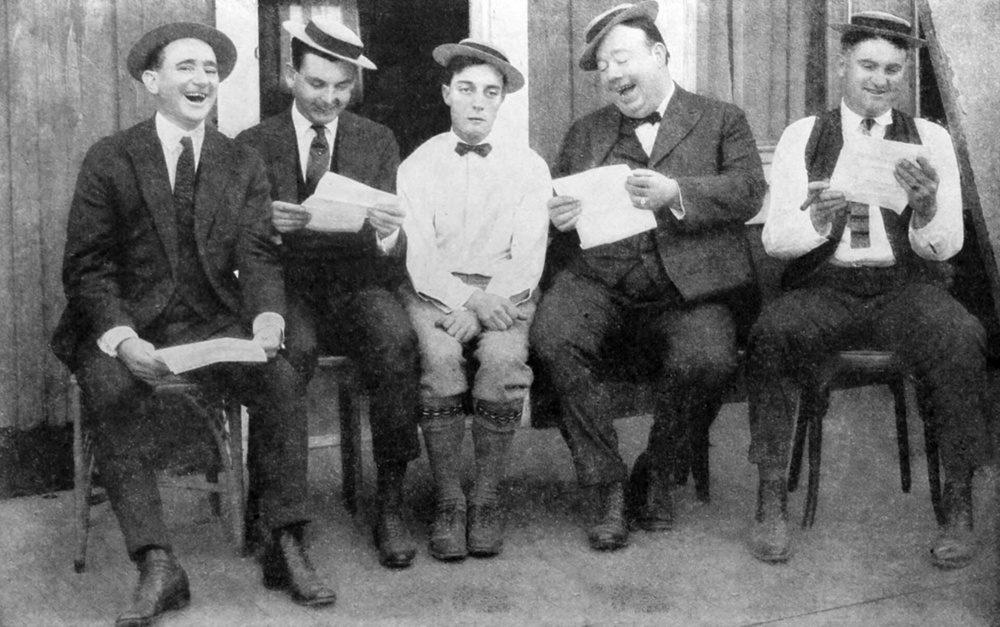
Parody existed long before movies. Theater, literature, and political cartoons all used imitation to make people laugh or criticize popular ideas. Once motion pictures became popular, parody quickly followed.
Silent film comedians such as Charlie Chaplin, Buster Keaton, and Harold Lloyd often played with familiar movie situations. They exaggerated romance, adventure, crime, and social manners. Their work was not always parody in the modern sense, but it helped build the foundation.
Audiences enjoyed watching familiar situations turned upside down. A serious chase scene could become a comic disaster. A dramatic rescue could become a chain of accidents. These early films showed that audiences loved comedy that played with recognizable patterns.
Hollywood Learns to Laugh at Itself
As Hollywood grew, so did its habits. Moviegoers became familiar with certain character types and story formulas. There were heroic cowboys, glamorous stars, dangerous gangsters, elegant romances, and serious war dramas.
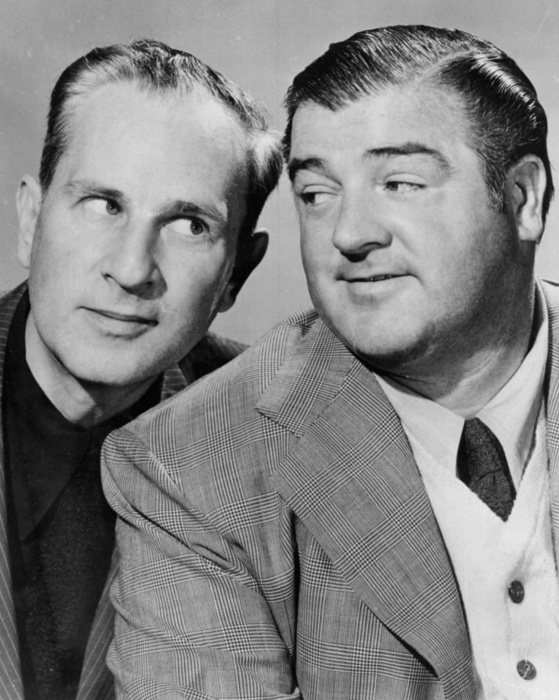
By the 1930s and 1940s, comedy teams such as the Marx Brothers, Abbott and Costello, and Bob Hope began turning these familiar formulas into jokes. Their films often mocked adventure stories, horror films, detective plots, and Hollywood glamour.
Abbott and Costello Meet Frankenstein, released in 1948, became one of the most famous early examples of horror parody. It brought classic Universal monsters into a comedy setting while still respecting the spooky atmosphere of the original films. That balance helped prove that parody could attract both comedy fans and genre fans.
The Rise of the Modern Spoof
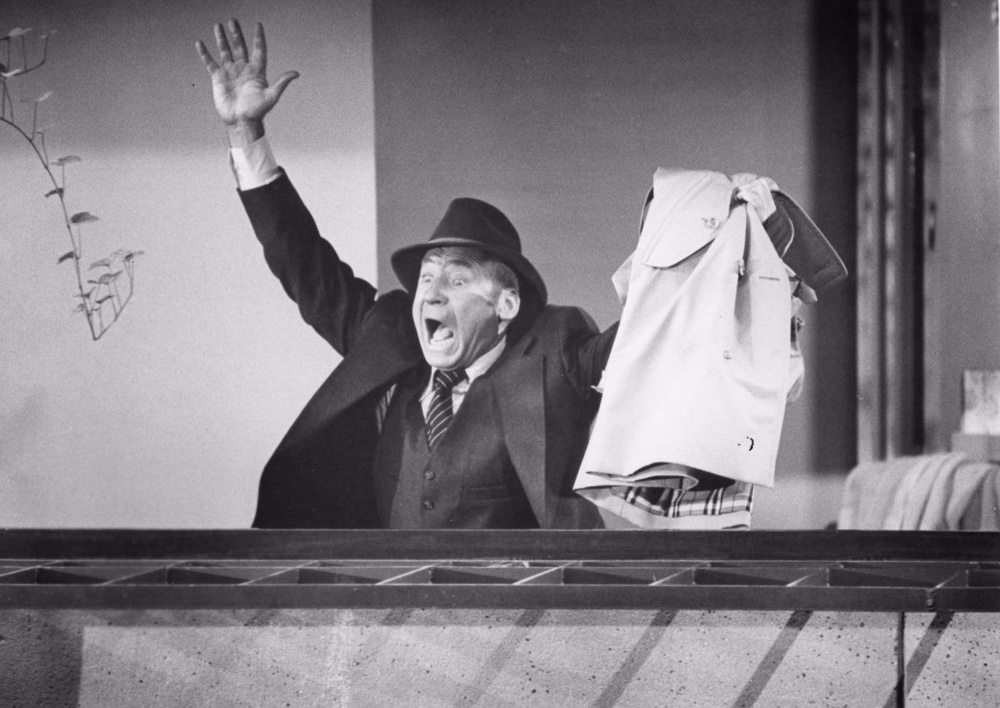
The modern parody film took a major leap forward in the 1970s and 1980s. During this period, filmmakers began creating faster, sillier, and more reference-heavy comedies.
Mel Brooks became one of the most important figures in the genre. His films took familiar movie types and pushed them into wild comic territory. Blazing Saddles spoofed westerns. Young Frankenstein lovingly mocked classic horror films. Spaceballs took aim at science fiction, especially the massive popularity of Star Wars.
Brooks understood that parody works best when the filmmaker knows the original genre well. His jokes were silly, but they were built on a deep understanding of movie language. He knew the camera angles, music cues, costumes, character types, and dramatic rhythms he was making fun of.
Airplane! Changes the Game
In 1980, Airplane! became a major turning point for parody films. Directed by Jim Abrahams and the Zucker brothers, the film spoofed disaster movies, especially the serious airplane thrillers that had been popular in the 1970s.
What made Airplane! stand out was its nonstop joke style. The actors delivered absurd lines with complete seriousness. Visual gags appeared in the background. Wordplay, slapstick, deadpan humor, and ridiculous misunderstandings filled nearly every scene.
The movie showed that parody could be rapid-fire, layered, and extremely rewatchable. Viewers could return to the film and notice jokes they missed the first time. Its success helped shape many spoof comedies that followed.
Why Parody Films Became So Popular
Parody films became popular because they let audiences feel included in the joke. When people recognized a reference, they felt rewarded. The movie seemed to say, “You know this story. Now let’s have fun with it.”
These films also gave audiences a break from serious entertainment. After years of intense disaster movies, heroic action films, emotional romances, or scary horror stories, viewers often enjoyed seeing those familiar formulas made ridiculous.
Parody also works well because pop culture moves in cycles. Once a genre becomes hugely popular, its patterns become easier to spot. The more predictable a genre becomes, the more material parody filmmakers have.
A successful parody usually depends on a few key ingredients:
- A well-known target, such as a popular film or genre
- Familiar clichés that audiences can recognize quickly
- Strong comic timing
- A clear love or understanding of the original material
- Enough surprise to make old ideas feel fresh
The Role of Genre Clichés
Every popular movie genre has clichés. Horror films often have dark hallways, sudden noises, strange warnings, and characters who make terrible decisions. Action films have explosions, tough one-liners, impossible stunts, and heroes who rarely seem tired. Romantic comedies have meet-cutes, misunderstandings, grand gestures, and emotional airport scenes.
Parody films take these repeated elements and stretch them until they become funny.
That is why horror has been such a common target. The genre has clear rules and familiar scenes. A creaking door, a masked killer, a creepy phone call, or a group of teenagers ignoring obvious danger can all become easy setups for comedy.
The Scary Movie franchise became popular by spoofing horror films from the late 1990s and early 2000s. It referenced movies such as Scream, I Know What You Did Last Summer, The Blair Witch Project, and The Sixth Sense. Its success showed how quickly parody could respond to current movie trends.
Parody and Pop Culture Memory
Parody films also help preserve pop culture moments. Sometimes, a spoof keeps a famous scene alive for younger viewers who may not have seen the original movie.
A person might know a famous horror scene, action pose, or science fiction line because they saw it mocked in a parody first. In that way, parody becomes part of how culture remembers movies.
This is one reason parody films often age in interesting ways. Some jokes may feel tied to a specific moment, especially if they reference celebrities, commercials, or trends from that time. Other jokes remain funny because they target broader storytelling habits.
For example, jokes about overdramatic villains, clueless heroes, awkward romance scenes, or exaggerated movie logic can stay amusing for decades because those patterns keep returning.
The Influence of Television and Sketch Comedy

Rex Sorgatz from New York, SNL stage, CC BY 2.0
Parody films were also shaped by television. Sketch comedy shows made audiences comfortable with fast, reference-based humor. Programs such as Saturday Night Live, Monty Python’s Flying Circus, and later comedy shows helped popularize short-form parody.
Many performers and writers moved between television and film. This helped bring sketch-style pacing into movies. Some parody films began to feel like a string of comic set pieces connected by a loose story.
That approach could work extremely well when the jokes were sharp. It could also fail when the film relied only on references without building strong scenes. The best parody films do both. They make recognizable jokes while still creating memorable characters and situations.
When Parody Became Too Easy
By the 2000s, parody films faced a challenge. Pop culture was moving faster, and the internet made jokes about popular movies almost instantly. Memes, online videos, and social media posts could parody a blockbuster within days.
This changed the role of parody films. A movie that took a year or two to produce could feel outdated by the time it reached theaters. Some spoof films leaned heavily on quick references to celebrities, reality shows, music videos, and current events. Those jokes sometimes faded quickly.
Audiences also became more critical of lazy parody. Simply copying a famous scene and adding a silly joke was no longer enough. Viewers wanted sharper writing, better timing, and a reason to care beyond recognition.
The Difference Between Good Parody and Weak Parody
Good parody understands what it is mocking. It knows the structure, tone, style, and appeal of the original material. It finds humor inside the details.
Weak parody often relies only on surface-level references. It may mention a popular movie or recreate a famous scene, but it does not add much beyond that. The joke becomes, “Remember this?” instead of something more creative.
Strong parody also has its own identity. Airplane! is funny even for viewers who have never seen the disaster movies it spoofs. Young Frankenstein works because it is beautifully filmed, well acted, and carefully styled like the classic horror films it mocks. Galaxy Quest succeeds because it functions as both a science fiction comedy and a sincere adventure story.
That balance matters. The best parody films often show affection for their targets. They laugh at the genre while also understanding why people love it.
Parody Beyond the Movie Theater
Parody has spread far beyond traditional film. Online videos, animated shows, social media clips, and fan-made edits all use parody to comment on entertainment and culture.
This shift has made parody more immediate. A new movie trailer, celebrity interview, political moment, or viral trend can inspire parodies almost instantly. The internet turned parody into a daily part of pop culture conversation.
At the same time, parody films still have a unique appeal. A full-length movie can build a bigger comic world. It can create running jokes, recurring characters, and a stronger sense of style. When done well, a parody film can become as memorable as the movies it mocks.
Why Audiences Still Love Parody Films
Audiences love parody because it turns shared knowledge into entertainment. These films create a connection between the movie and the viewer. The joke works because everyone is in on it.
Parody also gives people permission to laugh at entertainment they enjoy. A fan of horror can enjoy seeing horror clichés mocked. A fan of science fiction can laugh at dramatic space battles, strange alien names, and overly serious villains. Parody does not always attack its subject. Often, it celebrates it through comedy.
That is why the genre continues to survive. As long as movies repeat familiar patterns, parody will have material. As long as audiences recognize those patterns, they will enjoy watching them get twisted into something ridiculous.
The Lasting Impact of Parody Films
Parody films became a pop culture phenomenon because they grew alongside the entertainment industry itself. As movies became more familiar, more formula-driven, and more widely discussed, parody found new ways to respond.
The genre has had highs and lows, but its influence is clear. It changed comedy pacing. It shaped how audiences talk about movie clichés. It helped turn famous scenes into shared cultural references. It also proved that laughter can be a form of movie criticism.
At its best, parody reminds us that popular culture is something we can enjoy and question at the same time. It lets audiences laugh at the stories they know by heart. That simple idea has kept parody films alive for generations, and it will continue to do so as long as movies keep giving us something familiar to laugh about.