

The best comedy movies of the 1950s didn’t rely on fast internet jokes, awkward cringe humor, or chaotic editing. Instead, they mastered sharp dialogue, perfect timing, glamorous performances, and carefully controlled comedic chaos. Whether through romantic misunderstandings, physical comedy, or witty social satire, the decade created films that still feel funny, charming, and surprisingly modern today.
From Some Like It Hot to Singin’ in the Rain, 1950s comedy balanced elegance with entertainment in a way Hollywood rarely does anymore. The humor felt polished, but never lifeless—and that balance is exactly why so many of these movies still hold up decades later.
Some Like It Hot (1959)
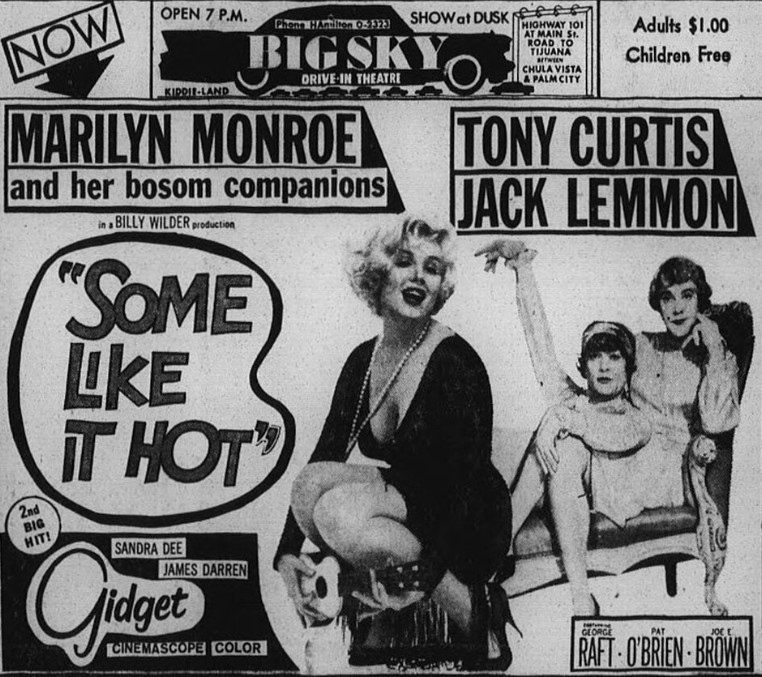
Few comedy films from any decade remain as universally celebrated as Some Like It Hot. Directed by Billy Wilder and starring Marilyn Monroe, Tony Curtis, and Jack Lemmon, the movie combined screwball comedy, farce, romance, and cross-dressing disguise humor into one of the sharpest comedies Hollywood ever produced.
The story follows two musicians who disguise themselves as women after witnessing a mob hit, leading to escalating misunderstandings, romantic confusion, and nonstop comedic tension. What makes the film remarkable is how effortlessly it balances absurdity with elegance. The pacing remains fast, the dialogue stays clever, and the performances feel surprisingly modern even decades later.
Jack Lemmon’s frantic energy and Tony Curtis’s exaggerated impersonations helped define the film’s comedic rhythm, while Marilyn Monroe brought warmth and vulnerability that kept the chaos emotionally grounded.
Roman Holiday (1953)
Although often remembered primarily as a romance, Roman Holiday remains one of the most charming comedy films of the decade. Audrey Hepburn and Gregory Peck created a light, playful chemistry that influenced romantic comedies for generations afterward.
The film follows a sheltered princess escaping royal responsibilities for a spontaneous day exploring Rome with an American journalist. Much of the humor comes from contrast: Hepburn’s innocence colliding with ordinary city life, casual social situations, and her growing desire for freedom.
Unlike louder slapstick comedies of the era, Roman Holiday relied on emotional warmth, subtle humor, and conversational charm. Its relaxed pacing and natural performances helped move romantic comedy toward a more emotionally grounded style that would become increasingly important in later decades.
Singin’ in the Rain (1952)
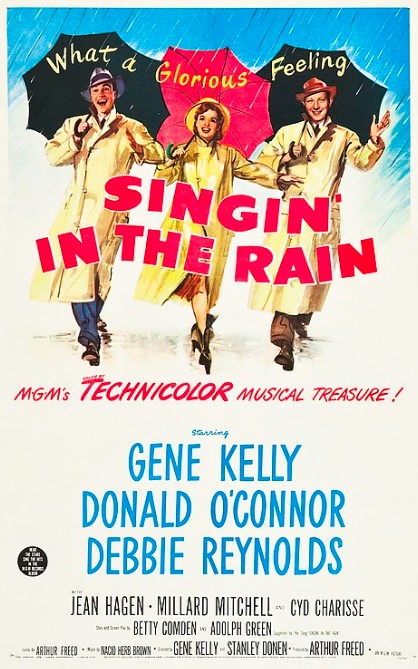
Singin’ in the Rain blended musical spectacle with some of the funniest physical and situational comedy of the 1950s. Starring Gene Kelly, Donald O’Connor, and Debbie Reynolds, the film satirized Hollywood’s chaotic transition from silent films to sound cinema.
Donald O’Connor’s performance especially became legendary for its physical comedy. Scenes like “Make ’Em Laugh” combined athletic slapstick with theatrical exaggeration in ways that still feel wildly energetic today.
At the same time, the movie’s humor worked because it remained deeply tied to character and performance. The jokes emerged naturally from vanity, insecurity, technical failure, and entertainment-industry absurdity rather than relying purely on isolated gags. The result was a comedy that felt both visually spectacular and genuinely playful.
The Seven Year Itch (1955)
Billy Wilder appeared again on the decade’s comedy list with The Seven Year Itch, a film that perfectly captured the nervous energy of mid-century romantic farce.
Starring Marilyn Monroe and Tom Ewell, the movie explored temptation, fantasy, suburban anxiety, and male insecurity through exaggerated internal narration and increasingly awkward situations. Monroe’s presence became instantly iconic, especially in the famous subway-grate scene that remains one of the most recognizable images in Hollywood history.
What makes the film particularly interesting today is how much of its humor depends on emotional panic and self-created embarrassment. The comedy comes less from external chaos and more from overthinking, guilt, fantasy, and social awkwardness. In many ways, it quietly anticipated later generations of neurotic relationship comedy.
Abbott and Costello Meet Frankenstein (1948/1950s Popularity)
Although technically released in 1948, Abbott and Costello Meet Frankenstein remained enormously influential and culturally present throughout the 1950s comedy landscape. The film successfully blended horror parody with classic slapstick routines, helping shape future genre-comedy hybrids.
Bud Abbott played the confident straight man while Lou Costello delivered frantic reactions, cowardice, and physical chaos as monsters including Dracula and Frankenstein’s creature appeared around them.
What made the film work so well was its commitment to both genres simultaneously. The monsters were played seriously, which made Costello’s panic even funnier. The contrast between horror atmosphere and exaggerated comedic behavior created a formula later copied by countless parody films. The movie proved comedy could successfully collide with other genres without losing its identity.
Gentlemen Prefer Blondes (1953)
Starring Marilyn Monroe and Jane Russell, Gentlemen Prefer Blondes combined musical comedy, glamour, satire, and playful social commentary into one of the decade’s most visually iconic comedies.
The humor largely emerged through performance contrast. Monroe’s Lorelei Lee projected exaggerated innocence and material obsession, while Russell’s Dorothy Shaw remained sharper and more grounded. Their chemistry created a fast-moving rhythm filled with flirtation, misunderstandings, and witty exchanges.
The film also subtly mocked gender expectations, class performance, and romantic ambition beneath its glossy musical surface. While visually luxurious, the comedy remained highly self-aware about performance and social image. Monroe’s “Diamonds Are a Girl’s Best Friend” sequence alone became one of the most influential moments in pop-culture history.
Father of the Bride (1950)
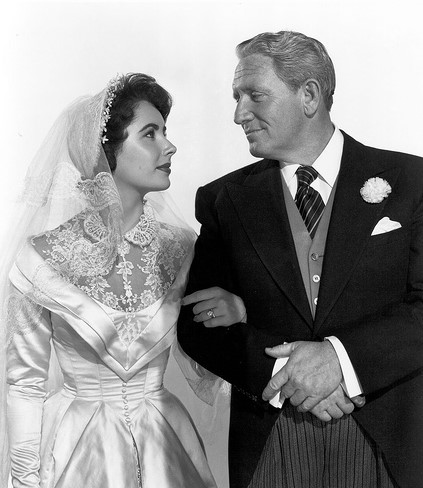
Father of the Bride transformed ordinary family stress into relatable comedy long before modern domestic sitcoms fully embraced that formula. Starring Spencer Tracy and Elizabeth Taylor, the film focused on a father becoming emotionally and financially overwhelmed while preparing for his daughter’s wedding.
Much of the humor came from anxiety itself: escalating expenses, social expectations, emotional overreaction, and the chaos of family organization. Instead of relying entirely on slapstick or exaggerated fantasy, the movie grounded its comedy in ordinary middle-class experience.
This made the film especially influential for later family comedies. It demonstrated that everyday domestic pressure could carry entire comedic narratives without needing highly unrealistic setups. The emotional relatability became part of the humor.
Born Yesterday (1950)
Born Yesterday combined romantic comedy with political and social satire in ways that felt unusually sharp for the era. Judy Holliday’s Oscar-winning performance became the film’s comedic centerpiece as she played Billie Dawn, a woman underestimated by the corrupt men surrounding her.
The comedy depended heavily on dialogue and character transformation rather than physical chaos alone. Holliday’s timing, expressive delivery, and gradual intellectual awakening gave the film emotional momentum beneath its humor.
What makes the movie stand out historically is how openly it criticized corruption, manipulation, and class arrogance while still maintaining mainstream accessibility. The film showed how comedy could carry political commentary without losing entertainment value.
Mister Roberts (1955)
Set during World War II, Mister Roberts blended military frustration, workplace absurdity, and character-driven humor into one of the decade’s most memorable ensemble comedies.
Henry Fonda, James Cagney, and Jack Lemmon created contrasting comedic energies that reflected the growing tension between authority, routine, and personal freedom. Much of the humor came from repetitive military bureaucracy and the emotional exhaustion of life aboard a cargo ship far from active combat.
Jack Lemmon’s performance especially stood out for its nervous physical energy and growing comedic unpredictability. The film balanced comedy with emotional sincerity in ways that anticipated later dramedy storytelling styles.
View this post on Instagram
Pillow Talk (1959)
Pillow Talk helped define the glamorous romantic comedy formula that would dominate Hollywood for years afterward. Starring Doris Day and Rock Hudson, the film revolved around two strangers forced to share a party telephone line, leading to flirtation, deception, and escalating misunderstandings.
What made the comedy so effective was the chemistry between its leads. Hudson balanced smooth charm with exaggerated confidence, while Day delivered sharp reactions and impeccable timing that kept the humor lively and fast-moving. Much of the comedy came from identity performance and romantic manipulation rather than slapstick alone.
The movie also captured the growing sophistication of late-1950s comedy. Stylish apartments, fashionable wardrobes, and playful sexual tension gave the film a more modern energy compared to earlier domestic comedies of the decade.
The Ladykillers (1955)
British comedy also flourished during the 1950s, and few films captured that wit better than The Ladykillers. Directed by Alexander Mackendrick and starring Alec Guinness, the movie blended dark comedy with crime farce in a way that felt both elegant and deeply absurd.
The story follows a group of criminals pretending to be musicians while secretly planning a robbery inside an elderly woman’s home. The humor grows increasingly chaotic as their carefully constructed scheme slowly falls apart through paranoia, incompetence, and bad luck.
What makes The Ladykillers especially memorable is its balance between politeness and absurdity. The film maintains a refined visual style and restrained performances even while events become completely ridiculous, creating a uniquely British comedic tone that influenced later dark comedies for decades.
View this post on Instagram
Why 1950s Comedy Still Holds Up
Many 1950s comedies remain effective today because they focused heavily on timing, performance chemistry, and recognizable human behavior rather than topical references alone. The emotional situations—romantic confusion, social anxiety, workplace frustration, family stress, insecurity, and personal ambition—still feel familiar decades later.
The films also benefited from extraordinary performers. Actors like Jack Lemmon, Marilyn Monroe, Audrey Hepburn, Judy Holliday, and Gene Kelly combined charisma with highly disciplined comedic timing that continues influencing modern performers.
At the same time, the visual elegance of 1950s filmmaking gives many of these comedies a distinctive atmosphere modern movies rarely replicate. Even chaotic scenes often feel polished, stylish, and carefully choreographed. The humor feels classic without feeling emotionally distant.
Conclusion
1950s comedy worked because it understood that timing, chemistry, and personality could make even simple situations unforgettable. These films didn’t need massive special effects or nonstop punchlines to stay entertaining. They relied on strong performances, clever writing, and characters audiences genuinely enjoyed spending time with.
And honestly, that’s why so many of them still feel timeless. The fashion may be vintage and the filmmaking style more polished, but the humor—awkward romance, social panic, family stress, and human absurdity—still feels completely recognizable today.