

Comedy has always existed on a spectrum. On one end is family-friendly humor—accessible, broad, and designed to bring people together. On the other is edgy comedy—provocative, boundary-pushing, and often meant to challenge rather than comfort. Across decades, the balance between these two styles has constantly shifted.
What defines “appropriate” or “edgy” changes with time. Cultural norms, media platforms, and audience expectations all influence where the line is drawn. As a result, comedy doesn’t just evolve stylistically—it evolves morally and socially as well. Looking at family-friendly versus edgy comedy across the decades reveals how humor reflects the values, tensions, and freedoms of each era.
The 1950s: Clean Humor and Clear Boundaries
The 1950s were defined by clarity—both in tone and in limitations. Family-friendly comedy dominated, particularly on television, where shows like I Love Lucy relied on physical humor, misunderstandings, and tightly structured scenarios that could appeal to all ages.
This wasn’t accidental. Strict broadcasting standards and cultural expectations heavily restricted what could be shown or discussed. Topics like politics, sexuality, and social conflict were largely avoided. Instead, humor focused on everyday life—marriage, household mishaps, and workplace situations.
The result was a shared cultural experience. Families gathered around the same programs, and comedy became a unifying form of entertainment. Edgy humor existed, but it remained largely outside mainstream visibility, confined to smaller live venues and less accessible formats.
The 1960s–1970s: The Rise of Edgy Voices
The cultural upheaval of the 1960s and 1970s brought a dramatic shift in comedy. As societies questioned authority and challenged traditional norms, comedians began doing the same on stage.
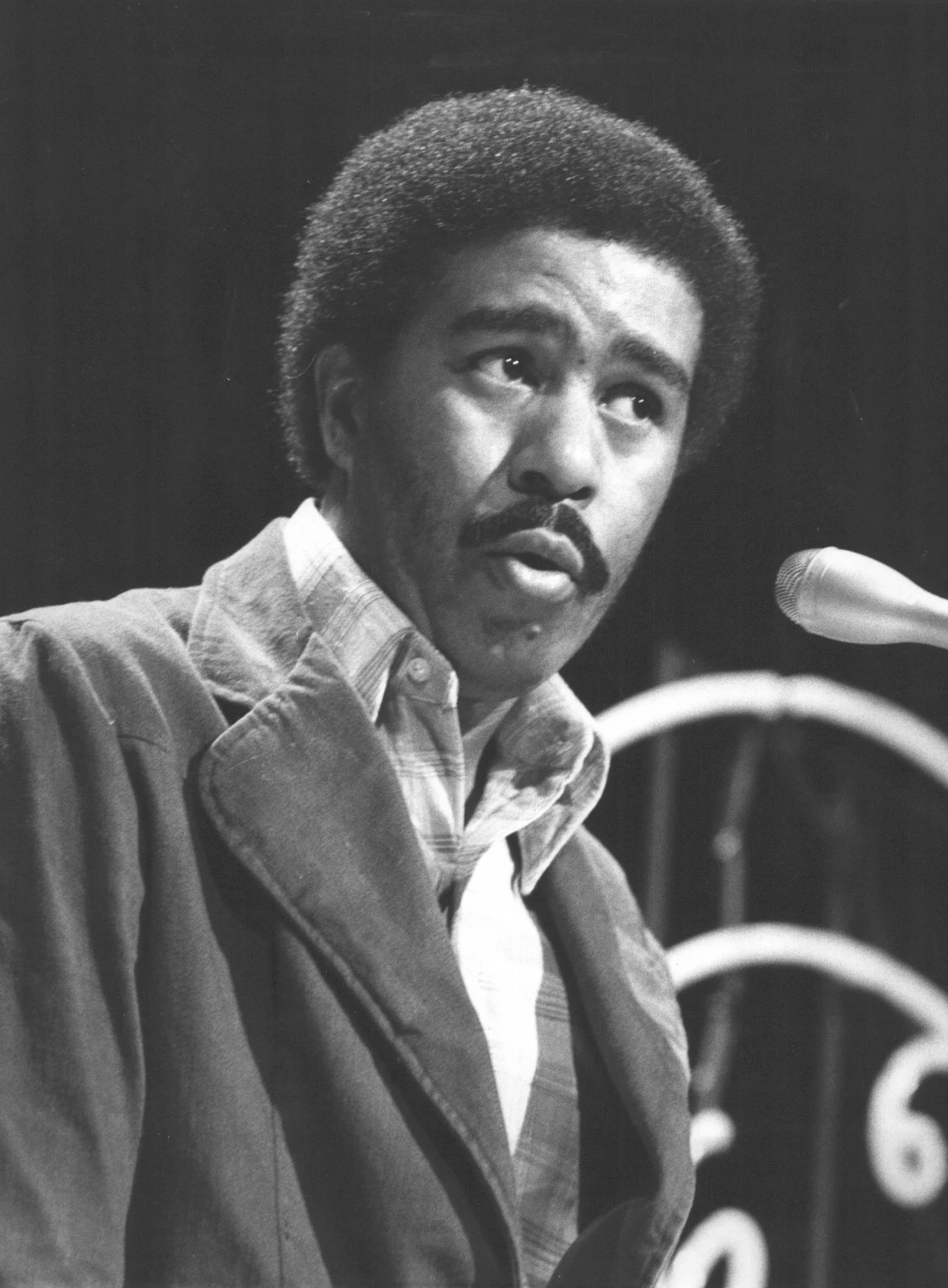
Figures like Lenny Bruce and Richard Pryor redefined what comedy could address. Their material tackled race, politics, religion, and social inequality—topics that had previously been off-limits. Comedy became more confrontational, using humor not just to entertain, but to provoke thought and spark discomfort.
At the same time, family-friendly comedy didn’t disappear. Variety shows and sitcoms continued to thrive, maintaining a more traditional tone. But the contrast between the two styles became sharper than ever. Comedy was no longer a single, unified experience—it was splitting into distinct directions, reflecting a society in transition.
The 1980s: Mainstream Balance
By the 1980s, comedy found a middle ground. Family-friendly entertainment remained dominant in television and film, with sitcoms and blockbuster comedies appealing to wide audiences.
Meanwhile, stand-up comedy surged in popularity, particularly through comedy clubs and cable television. Performers developed bold, high-energy styles that pushed boundaries without fully alienating mainstream audiences. Edgy humor was present, but often delivered through personality and performance rather than outright controversy.
This balance allowed both approaches to coexist comfortably. Audiences could enjoy accessible humor at home while also engaging with more daring material in other settings. Comedy expanded in scope, but without fully abandoning its broad appeal.

The 1990s: Relatability vs. Provocation
The 1990s leaned heavily into relatability, especially in television. Shows like Seinfeld and Friends focused on everyday situations, observational humor, and character-driven storytelling that felt familiar and easy to connect with.
At the same time, alternative and stand-up comedy scenes began pushing into darker, more ironic territory. Sarcasm, cynicism, and self-awareness became defining traits of edgier humor. Comedians explored uncomfortable topics with a more casual, conversational tone.
This decade marked a clearer divide in audience preference. Some gravitated toward comforting, recognizable humor, while others sought out comedy that challenged expectations. The idea of “one style for everyone” continued to fade.
The 2000s: Cringe and Boundary-Pushing Humor
The 2000s introduced a new form of edgy comedy: discomfort itself became the joke. Shows like The Office and Curb Your Enthusiasm leaned into awkwardness, social missteps, and secondhand embarrassment, creating humor that often made audiences uneasy.
This “cringe comedy” reflected changing tastes. Viewers were more willing to engage with flawed, socially awkward characters and situations that blurred the line between humor and discomfort. Comedy no longer avoided tension—it embraced it.
At the same time, edgier stand-up and film content became more explicit and direct, addressing controversial topics with fewer restrictions. Family-friendly comedy still existed, particularly in animated films and mainstream television, but it now competed with a growing appetite for riskier, more unconventional humor.

The 2010s: Blending Accessibility with Edge
The 2010s marked a turning point where the boundary between family-friendly and edgy comedy became increasingly fluid. Rather than existing as separate categories, the two approaches began to overlap within the same shows, stand-up specials, and films. Comedy evolved into something more layered—capable of entertaining broadly while still engaging with complex or sensitive topics.
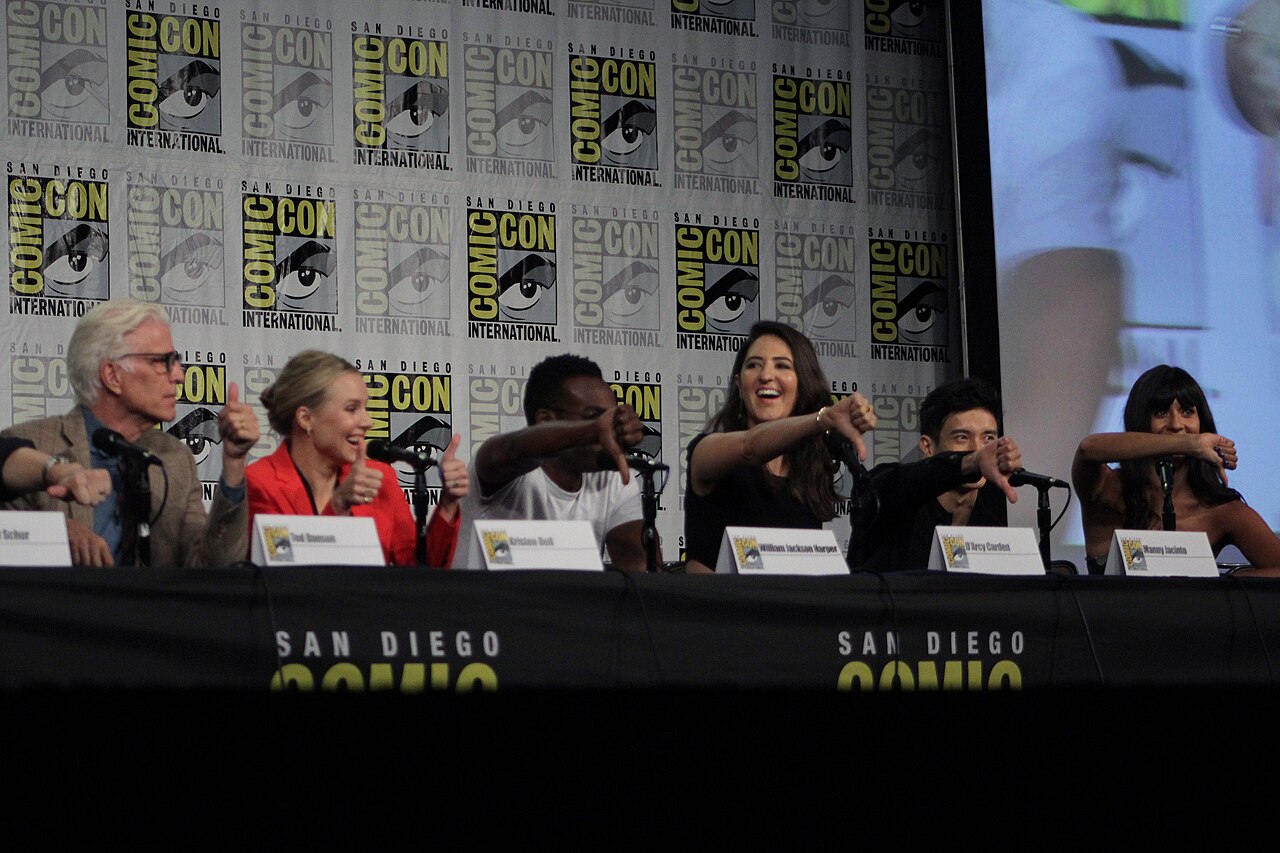
Shows like The Good Place are a clear example of this shift. On the surface, it presented itself as a bright, accessible sitcom with likable characters and clean humor. Underneath, it explored deep philosophical questions about morality, ethics, and what it means to be a good person. The humor didn’t avoid complexity—it used it.
Similarly, animated series like BoJack Horseman blended absurd comedy with serious themes like mental health, addiction, and identity, proving that audiences were willing to engage with emotionally challenging material in comedic form. Stand-up comedy also reflected this blend. Comedians increasingly addressed topics like politics, race, gender, and personal identity, but framed them in ways that remained relatable and engaging.
The 2020s: Fragmentation and Choice
In the 2020s, the comedy landscape has expanded into something highly individualized. The rise of streaming platforms, social media, and on-demand content has given audiences unprecedented control over what they watch. Instead of a shared comedic experience, viewers now curate their own.
This shift has led to fragmentation—not as a weakness, but as a defining feature. Family-friendly and edgy comedy no longer compete for the same audience or platform. A clean, widely appealing show can thrive on one service, while highly specific, boundary-pushing content finds success within niche communities elsewhere. Both can succeed without needing to compromise.
Digital platforms have accelerated this change. Short-form videos, independent specials, and algorithm-driven recommendations allow comedians to reach exactly the audience they want. This removes the pressure to appeal to everyone and encourages more distinct, authentic voices.
The Changing Definition of “Edgy”
The concept of what is “edgy” has shifted dramatically over time. In earlier decades, edginess was often tied to shock value—explicit language, controversial topics, or direct challenges to social norms. The goal was to push boundaries in visible, unmistakable ways.
Today, that definition is far less straightforward. Edginess can come from perspective rather than content alone. A subtle critique of social behavior, an unexpected framing of a familiar issue, or even a quiet, observational joke can feel provocative depending on context. It’s not just about what is said, but how and why it’s said.
This shift reflects a more informed and attentive audience. Viewers are increasingly aware of nuance, tone, and intent. They recognize when humor is thoughtful versus when it is simply trying to shock. As a result, edginess has become more layered—it can be intellectual, emotional, or cultural rather than purely explicit.
The Role of Audience Expectations
Audience expectations have always influenced comedy, but their role has become more pronounced in modern media. In earlier decades, shared viewing experiences meant that comedy needed to appeal to a broad audience. This encouraged safer, more universally acceptable humor.
Today, audiences are more segmented. Different groups actively seek out different styles of comedy, whether it’s lighthearted entertainment or more provocative, thought-provoking material. This diversity allows multiple comedic approaches to develop at the same time, rather than competing for a single mainstream space.
This shift has changed how creators approach their work. Instead of aiming for universal approval, comedians can focus on authenticity and specificity. They can create content that resonates deeply with a particular audience, even if it doesn’t appeal to everyone.
How Cultural Shifts Continue to Redraw the Line
The line between family-friendly and edgy comedy is constantly being redrawn, largely driven by broader cultural changes. Social movements, generational values, and global conversations all influence what audiences find acceptable, offensive, or meaningful.
In recent years, comedy has become more self-aware. Comedians are increasingly mindful of context, representation, and impact, leading to more thoughtful approaches to humor. This doesn’t mean comedy has become less daring—it means that what is considered “pushing boundaries” has evolved. Edginess is now often tied to insight and perspective rather than shock alone.
At the same time, audiences are more vocal about their preferences and reactions. Through social media and online discourse, they actively shape how comedy is received and interpreted. This creates a feedback loop where cultural expectations and comedic expression influence each other continuously.
Why Both Styles Continue to Matter
Family-friendly and edgy comedy remain essential because they fulfill different needs within the same cultural space. Family-friendly humor creates shared experiences, offering comfort, familiarity, and accessibility. It brings people together across different backgrounds and age groups.
Edgy comedy, on the other hand, serves as a tool for exploration and challenge. It questions assumptions, addresses difficult topics, and pushes conversations forward. It reflects the more complex and sometimes uncomfortable aspects of society.
The coexistence of these styles is what keeps comedy dynamic. If humor were only safe, it would risk becoming predictable and stagnant. If it were only provocative, it could become inaccessible or overwhelming. The balance between the two allows comedy to evolve while still remaining widely engaging.
Conclusion
The history of family-friendly versus edgy comedy is a story of balance and evolution. Each decade has redefined where the line is drawn, reflecting shifting cultural values and audience expectations. Rather than replacing one another, these styles continue to coexist and influence each other.
Together, they shape a comedy landscape that is both diverse and adaptable. As comedy continues to evolve, the conversation between what is safe and what is daring will remain central—ensuring that humor continues to entertain, challenge, and reflect the world around it.