

The Peabody Awards, Tina Fey and the cast and crew of 30 Rock at the 67th Annual Peabody Awards, CC BY 2.0
Comedy didn’t just change in the 2000s—it became more aware of itself. The era marked a shift away from straightforward jokes and toward humor that was layered, uncomfortable, and often reflective. Instead of simply trying to make audiences laugh, it began to challenge how and why people found things funny.
This new wave of comedy leaned into intelligence, awkwardness, and self-awareness. Shows and films no longer relied solely on punchlines—they built humor through character behavior, social tension, and an understanding of audience expectations. The result was a style that felt both more personal and more unpredictable.
The Rise of Intelligent and Layered Humor
One of the defining features of this era was the move toward smarter, more layered comedy. Jokes were no longer always immediate or obvious—they often required attention, context, or familiarity with cultural references to fully land, making humor feel more interactive.
Shows like Arrested Development and 30 Rock exemplified this approach. Their humor was dense, filled with callbacks, wordplay, and subtle visual or verbal details that rewarded careful viewing. The comedy didn’t stop at surface-level jokes—it accumulated over time, encouraging repeat viewing to catch everything.
This shift changed audience expectations. Viewers became more engaged, looking for humor that challenged them intellectually while still being entertaining. Comedy became something to follow and revisit, rather than something consumed in a single moment.

Awkwardness as a Source of Humor
Awkwardness became one of the most powerful tools in modern comedy. Instead of avoiding uncomfortable situations, creators began to center them, turning social tension and miscommunication into the core of the humor.
Shows like The Office and Curb Your Enthusiasm built entire scenes around discomfort. Silence, hesitation, and failed interactions replaced traditional punchlines, creating humor through secondhand embarrassment rather than clear comedic beats.
This style worked because it felt real. Audiences recognized these situations from everyday life, making the humor more immediate and emotionally engaging—even when it was uncomfortable to watch.
The Growth of Self-Aware and Meta Comedy
Self-awareness became another defining characteristic of this era, with comedy increasingly acknowledging its own structure. Instead of hiding its mechanics, it began to reference and play with them directly.
Films like Anchorman and later shows like Community leaned into this approach, turning clichés and expectations into part of the joke. Characters often seemed aware of how exaggerated or unrealistic their situations were, adding another layer of humor.
This meta style made comedy feel more modern and adaptable. It allowed creators to experiment with form while connecting with audiences who were already familiar with storytelling conventions, making the humor both playful and intentional.
View this post on Instagram
The Influence of Internet Humor and Meme Culture
The rise of smart, awkward, and self-aware comedy also overlapped with the early growth of internet humor. Online spaces introduced faster, more referential styles of comedy, where jokes relied on shared knowledge, irony, and cultural awareness rather than traditional setups.
This influence pushed comedy to become more self-referential and layered. Humor often built on existing ideas, remixing formats, tropes, and expectations in ways that rewarded audiences who understood the reference. This created a style that felt more interactive, as viewers were part of the joke rather than just observers.
Over time, the connection between internet humor and mainstream comedy became stronger. The emphasis on timing, relatability, and shareability shaped how jokes were written and delivered, reinforcing the importance of awareness and audience familiarity.
Character Over Punchline
As comedy evolved, characters became more important than individual jokes. Instead of relying on structured setups and punchlines, humor began to come from personality, behavior, and the way characters interacted with the world around them. The focus shifted from “what is the joke?” to “who is this person, and how do they react?”
This change made storytelling more immersive and engaging. Audiences weren’t just waiting for laughs—they were watching how characters behaved in different situations. A character’s habits, flaws, and reactions became recurring sources of humor, making even simple scenes entertaining without needing a traditional joke.
It also allowed for greater variety and depth. A single character could generate humor through dialogue, physical expression, awkward behavior, or relationships with others. This made comedy feel less repetitive and more dynamic, as humor could evolve naturally from character development over time.
View this post on Instagram
The Role of Silence and Timing
Timing has always been important in comedy, but this era redefined how it was used. Silence, pauses, and awkward beats became just as important as spoken lines, adding a new dimension to how humor was delivered and experienced.
In shows like The Office, a lingering look, a delayed response, or an uncomfortable pause could carry as much comedic weight as a punchline. These moments created tension before releasing it, allowing humor to build slowly instead of arriving instantly.
This approach made comedy feel more realistic and grounded. It mirrored real conversations, where timing isn’t perfect and people don’t always respond immediately. By embracing these imperfections, comedy became more natural, relatable, and emotionally engaging.
The Influence of Improvisation
Improvisation played a major role in shaping this style of comedy, particularly in film and certain television formats. Many productions allowed actors to go beyond the script, experimenting with dialogue, reactions, and delivery to create more authentic performances.
This looseness gave scenes a more natural rhythm. Conversations didn’t feel tightly controlled, which made interactions more believable and unpredictable. Humor often came from spontaneous moments that couldn’t have been fully planned in advance.
It also changed how comedy was created. Actors became active contributors to the humor, influencing tone, pacing, and character behavior in real time. This collaborative process made the final result feel more organic, helping define the flexible and evolving style of 2000s comedy.
View this post on Instagram
The Shift Toward Unpolished and Natural Delivery
Another key feature of this era was the move away from polished, scripted delivery toward something more natural and unrefined. Comedy began to embrace imperfections—stumbling speech, overlapping dialogue, and awkward phrasing became part of the humor rather than something to avoid.
This change made performances feel more authentic. Characters no longer sounded like they were delivering perfect lines—they sounded like real people navigating conversations in real time. This added a layer of believability that strengthened both the humor and the connection with the audience.
As a result, comedy became less about precision and more about presence. The focus shifted to how something was said, not just what was said, making delivery a central part of the comedic experience.
The Shift Toward Unpolished and Natural Delivery
Another key feature of this era was the move away from polished, overly scripted delivery toward something more natural and unrefined. Comedy began to embrace imperfections—stumbling speech, overlapping dialogue, awkward phrasing, and pauses became part of the humor instead of something to edit out. This shift made conversations feel less constructed and more reflective of real-life interactions.
This change made performances feel more authentic and grounded. Characters no longer sounded like they were delivering carefully written lines—they sounded like people thinking, reacting, and sometimes failing to communicate clearly. That unpredictability added another layer to the humor, as audiences responded not just to what was said, but how it was delivered.
As a result, comedy became less about precision and more about presence. Delivery, timing, and natural behavior became just as important as the writing itself, reinforcing the shift toward realism and character-driven humor that defined the era.
Blending Humor with Emotion
Another key element of this era was the blending of comedy with emotional depth. Shows and films began to move beyond pure humor, incorporating more personal themes such as relationships, insecurity, and self-awareness while still maintaining a comedic tone. This created a style where humor and emotion were no longer separate, but part of the same experience.
Moments of vulnerability, frustration, and reflection were woven directly into comedic storytelling. Characters were allowed to fail, feel embarrassed, or question themselves, which made them more relatable and grounded. These emotional beats didn’t interrupt the humor—they strengthened it by giving context and meaning to the situations.
This approach expanded what comedy could achieve. It showed that humor didn’t have to exist in isolation—it could coexist with sincerity and depth. As a result, comedy became more engaging, creating stories that audiences could both laugh at and connect with on a personal level.
The Impact of Cultural Awareness
Modern comedy became more aware of its cultural context, reflecting changes in how audiences understood and interacted with media. Writers and performers began to engage more directly with social norms, expectations, and everyday experiences, making humor feel more connected to real life.
This awareness made comedy more relevant and immediate. Audiences could see reflections of their own behavior, relationships, and environments within the humor, while also recognizing commentary on broader cultural trends. The jokes worked not just because they were funny, but because they felt familiar.
At the same time, this added a new level of complexity. Comedy was no longer just about entertainment—it became a way to observe, interpret, and sometimes challenge social behavior. This made humor feel more layered, giving it both comedic and cultural significance.
View this post on Instagram
Why This Style Still Defines Comedy Today
The influence of smart, awkward, and self-aware comedy remains strong in modern entertainment. Many current shows and films continue to rely on these elements, using character-driven humor, realism, and self-awareness as central parts of their style.
Streaming platforms and digital media have amplified this approach even further. With fewer restrictions and more diverse audiences, creators are able to experiment with tone, pacing, and structure while building on the foundations established in the 2000s. This has allowed the style to evolve while maintaining its core identity.
Ultimately, this shift redefined comedy as a whole. It moved beyond simple joke-telling and created a form of humor that is more reflective, adaptable, and connected to how people experience everyday life. This is why it continues to shape modern comedy today.
The Shift Toward Everyday Situational Humor
Another defining change was the move toward everyday situations as the foundation of comedy. Instead of relying on exaggerated or unrealistic scenarios, many shows and films focused on ordinary environments like offices, homes, and social settings.
This approach made humor feel more grounded and accessible. Audiences could easily recognize the situations being portrayed, which made even subtle interactions—awkward conversations, misunderstandings, or small social failures—feel naturally comedic.
By focusing on everyday life, comedy became more consistent and relatable. It allowed creators to explore a wide range of scenarios without needing elaborate setups, reinforcing the idea that humor could exist in even the most ordinary moments.
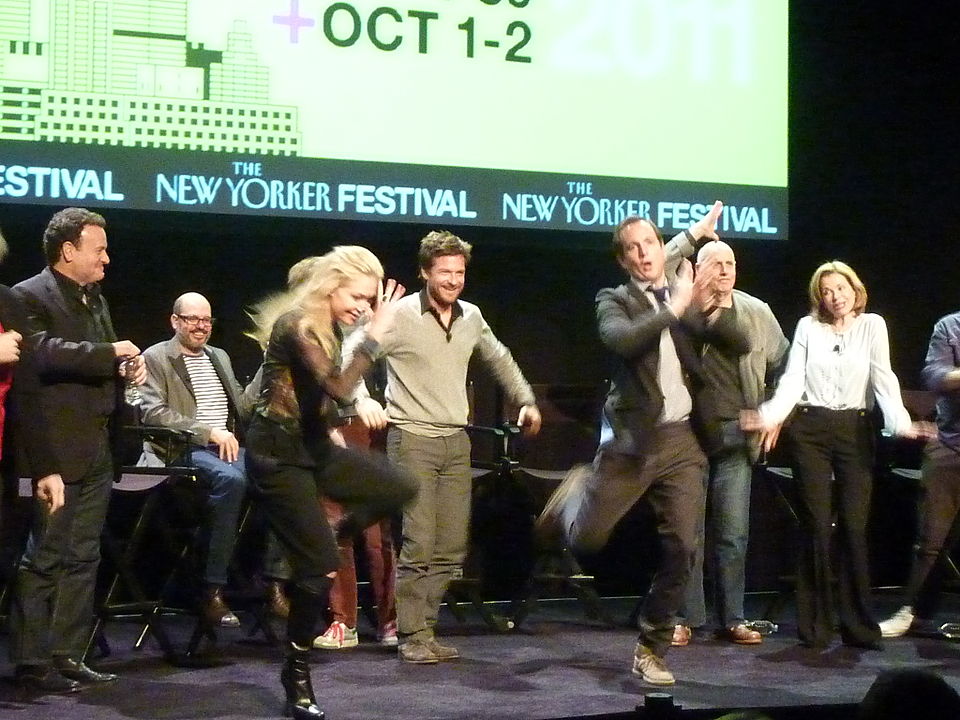
aphrodite-in-nyc from new york city, The Cast of Arrested Development does the Chicken Dance, CC BY 2.0
Conclusion
The rise of smart, awkward, and self-aware comedy marked a major evolution in how humor is created and understood. It introduced new ways of building jokes, developing characters, and engaging audiences. By embracing intelligence, discomfort, and awareness, this style expanded the possibilities of comedy.
It allowed humor to be more than just entertaining—it became something more thoughtful and immersive. Today, its influence continues to shape the landscape of entertainment, proving that comedy can be just as complex and meaningful as any other form of storytelling.