

In the late 1990s and early 2000s, fashion reached new heights—literally. Platform sandals, often towering, brightly colored, and unapologetically bold, became a defining element of nightlife culture. Among these, hot pink stood out as a signature shade, transforming footwear into a statement of identity, visibility, and rebellion.
These shoes were more than accessories. They were part of a broader cultural movement shaped by club kids, performers, and underground scenes that rejected subtlety in favor of spectacle. Height, color, and exaggeration became tools for self-expression, turning the body into a canvas of performance.
The Return of the Platform: From ’70s Glam to ’90s Excess
Platform shoes have roots in earlier decades, particularly the glam rock era of the 1970s. Artists used height and theatrical footwear to amplify their presence on stage, turning shoes into part of the performance itself. These early platforms established the connection between elevation and spectacle.
By the 1990s, platforms returned with a different energy. Instead of glam rock’s metallics and structured silhouettes, the new versions embraced synthetic materials, brighter colors, and more exaggerated proportions. The influence of rave culture and club scenes pushed these designs further, prioritizing impact over practicality.
This revival transformed platforms into something more extreme. They were no longer just fashionable—they became symbols of participation in a specific cultural space, one that valued boldness and visibility above all else.
View this post on Instagram
Hot Pink as a Statement Color
Hot pink played a central role in defining the visual identity of platform sandals during this period. Unlike neutral tones, which blend into an outfit, hot pink demanded attention. It turned footwear into a focal point rather than a supporting element.
The color carried layered meanings. It combined traditional associations of femininity with a sense of defiance and exaggeration. In the context of club culture, hot pink became less about softness and more about intensity—bright, loud, and impossible to ignore.
Its use in platform sandals amplified the overall effect. The added height already drew the eye, and the color ensured that attention stayed there. Together, they created a look that was both playful and confrontational, perfectly aligned with the energy of the club kid scene.
Club Kids and the Performance of Identity
The club kid movement, emerging in cities like New York during the late 1980s and early 1990s, redefined how fashion functioned in nightlife spaces. Participants treated clothing as performance, constructing identities through exaggerated silhouettes, bold colors, and unconventional combinations.
Platform sandals fit naturally into this environment. Their height altered posture and movement, while their visual impact contributed to the overall aesthetic of transformation. Wearing them was not just about style—it was about embodying a character within the space of the club.
Hot pink platforms, in particular, reinforced this performative aspect. They were visible from across the room, making them ideal for environments where attention and presence were central. In this context, footwear became part of a larger narrative, one that blurred the line between fashion and performance art.
View this post on Instagram
Nightclubs as Runways: Spaces That Shaped the Look
Nightclubs functioned as more than social spaces—they became environments where fashion was created, tested, and displayed in real time. Unlike traditional runways, these venues allowed for immediate interaction, where outfits were experienced through movement, lighting, and crowd response. Platform sandals thrived in this setting, becoming part of a living, evolving performance.
Lighting played a crucial role in this dynamic. Neon colors, strobe effects, and reflective surfaces enhanced the visual impact of hot pink platforms, making them appear even more vivid. The shoes were not just worn—they reacted to their surroundings, shifting in appearance depending on the environment.
This relationship between space and style helped define the aesthetic. Nightclubs acted as incubators for trends that would later move into mainstream fashion, with platform sandals serving as one of the most visible symbols of this transition.
From Underground to Mainstream Visibility
What began in underground club scenes gradually moved into mainstream awareness. Media coverage, fashion editorials, and celebrity appearances introduced elements of club kid style to wider audiences, including platform sandals in bold colors.
Pop stars and performers adopted aspects of the look, bringing exaggerated footwear into music videos, stage performances, and public appearances. This visibility translated the aesthetic from niche spaces into global pop culture, making it more accessible while retaining its visual impact.
As a result, platform sandals became more widely accepted, though often in slightly toned-down forms. Even in these adaptations, the influence of the original scene remained visible, preserving the connection between height, color, and expression.
View this post on Instagram
Pop Icons and the Amplification of Platform Culture
As club kid fashion entered mainstream awareness, pop icons played a critical role in amplifying its visibility. Musicians and performers incorporated platform sandals into their stage looks, bringing exaggerated footwear to global audiences. These appearances translated underground aesthetics into widely recognizable images.
Hot pink platforms, in particular, became associated with high-energy performances and bold visual styling. On stage and in music videos, they contributed to a sense of spectacle, reinforcing the connection between height and presence. The shoes became part of a broader performance language.
This visibility accelerated the spread of the trend. What had once been confined to specific nightlife scenes became part of mainstream pop culture, demonstrating how fashion moves through layers of influence and exposure.
Movement, Balance, and the Physical Experience of Height
Wearing platform sandals changed not only how a person looked, but how they moved. The added height required balance, shifting posture and gait in ways that made each step more deliberate. This physical adjustment became part of the overall aesthetic.
In club environments, this movement contributed to the performance. Walking, dancing, and even standing took on a different quality, emphasizing presence and control. The shoes demanded attention not just visually, but physically.
This interaction between body and object reinforced the idea that fashion could shape experience. Platform sandals were not passive items—they actively influenced how individuals navigated space, adding another layer to their cultural significance.
View this post on Instagram
The Soundtrack of the Scene: Music and Fashion in Sync
Platform sandals did not exist in isolation—they were part of a larger sensory experience shaped by music. Club scenes of the late ’90s and early 2000s were driven by electronic beats, pop remixes, and high-energy performances that encouraged movement and expression.
The rhythm of the music influenced how these shoes were worn. Dancing in platforms required a certain awareness of balance, creating a distinctive style of movement that became part of the overall aesthetic. The shoes and the music worked together, reinforcing each other’s intensity.
This connection highlights how fashion and sound intersect. Platform sandals became part of a synchronized cultural moment, where visual and auditory elements combined to create a fully immersive experience.
From Excess to Minimalism: The Shift Away From Platforms
As the early 2000s progressed, fashion began to shift away from the exaggerated forms that defined the previous decade. Platform sandals gradually gave way to flatter, more minimal footwear styles, reflecting changing preferences in both design and lifestyle.
This transition marked a move toward simplicity. Where platforms emphasized height and visibility, newer styles focused on subtlety and ease. The boldness of hot pink and oversized silhouettes was replaced by more restrained palettes and streamlined shapes.
Despite this shift, the influence of platform culture remained. Even as trends moved in a different direction, the idea that fashion could be expressive, exaggerated, and performative continued to shape future styles.
The Legacy of Platform Sandals in Contemporary Fashion
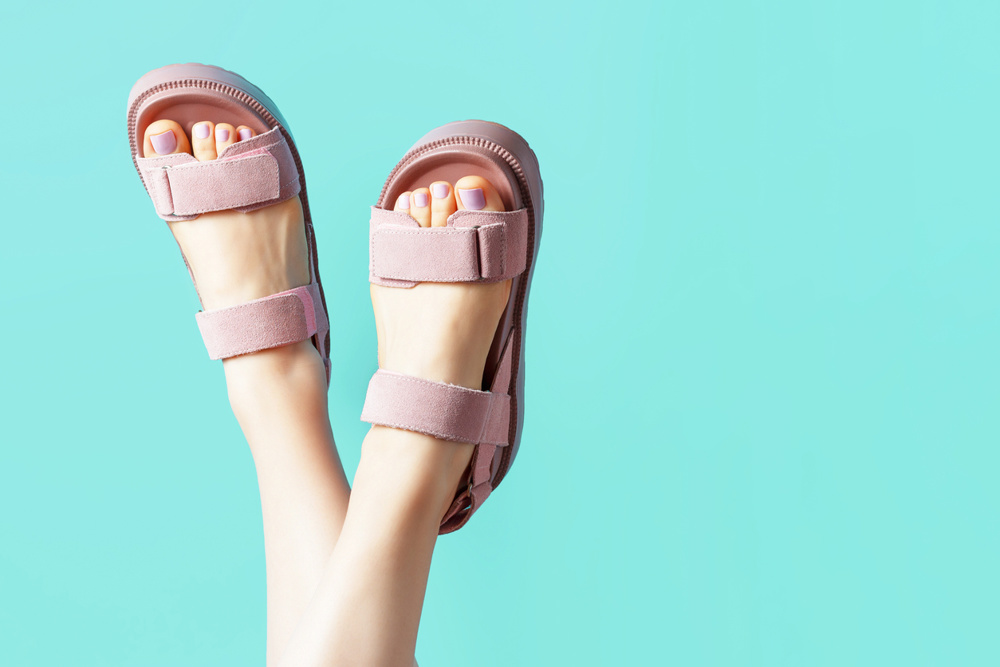
The influence of platform sandals continues to appear in contemporary fashion, often reinterpreted through modern materials and design approaches. While current versions may be more wearable, they still reference the exaggerated forms of the past.
Hot pink remains a recurring color in these revivals, signaling a connection to earlier aesthetics. Whether used in subtle accents or bold statements, it carries the same association with visibility and self-expression.
The legacy of these shoes extends beyond their physical form. They represent a moment when fashion embraced height, color, and performance as central elements, shaping how boldness is expressed in style today.
DIY Culture and Customization in Club Kid Fashion
Customization played a major role in the club kid movement, with many participants altering or creating their own pieces rather than relying solely on retail fashion. Platform sandals often became part of this DIY approach, decorated with paint, glitter, or added materials to enhance their visual impact.
This process allowed individuals to push beyond standard designs, turning each pair into something unique. Hot pink platforms could be layered with additional textures, patterns, or embellishments, making them even more striking under club lighting. The result was footwear that reflected personal creativity as much as cultural influence.
DIY culture reinforced the idea that fashion within these spaces was not fixed. It was constantly evolving, shaped by the people who wore it. Platform sandals became tools for experimentation, contributing to a broader aesthetic that valued originality over conformity.
View this post on Instagram
Gender Expression and the Breaking of Fashion Norms
Platform sandals played a role in challenging traditional ideas about gender and fashion. Their exaggerated forms and bold colors moved beyond conventional categories, allowing individuals to explore identity in more fluid ways.
Hot pink, often associated with femininity, took on new meaning in this context. When worn across different gender expressions, it shifted from a prescribed symbol into something more open and adaptable. The color became part of a broader language that emphasized visibility rather than restriction.
This flexibility contributed to the cultural significance of platform sandals. They were not just fashion items—they were tools for redefining how identity could be presented, particularly within spaces that encouraged experimentation and self-expression.
The Visual Language of Height and Visibility
Height has always carried symbolic meaning in fashion, often associated with power, presence, and attention. Platform sandals amplified these qualities, making them central to their appeal within club culture.
The combination of height and hot pink created a visual language that was difficult to ignore. The shoes elevated the wearer physically while drawing the eye through color, ensuring that they stood out within crowded environments. This dual effect reinforced their role as statement pieces.
In this way, platform sandals contributed to a broader understanding of how fashion communicates. They demonstrated that visibility could be constructed through design choices, turning something as simple as footwear into a powerful visual tool.
Conclusion
Platform sandals in hot pink captured the essence of a cultural moment defined by boldness, performance, and transformation. They combined height, color, and movement into a single object that extended beyond fashion into identity and expression.
Their connection to the club kid movement highlights how style can emerge from specific environments and expand into wider culture. What began as an underground aesthetic became part of mainstream fashion, influencing how visibility and individuality are expressed.
Today, their legacy remains visible in both subtle references and direct revivals. Platform sandals continue to symbolize a willingness to stand out—literally and figuratively—reminding us that fashion is not just about appearance, but about presence.