

America didn’t invent celebrity in the age of TikTok. It invented it on the river. In the mid-1800s, steamboats weren’t just transportation—they were moving stages. They carried passengers, cotton, and mail, yes. But they also carried something else: spectacle. The boats were loud, fast, glamorous in first class and brutal below deck. They were the kind of technology that made people gather just to watch it pass.
And once a crowd gathers, celebrity follows. Steamboat captains became famous the way modern influencers do: through recognizable names, public rivalries, and constant coverage. Gambling “sharps” turned voyages into high-stakes entertainment. Newspapers and telegraph networks amplified every race, scandal, and disaster into regional obsession. The steamboat wasn’t just the highway—it was the feed.
Why Steamboats Produced Fame in the First Place
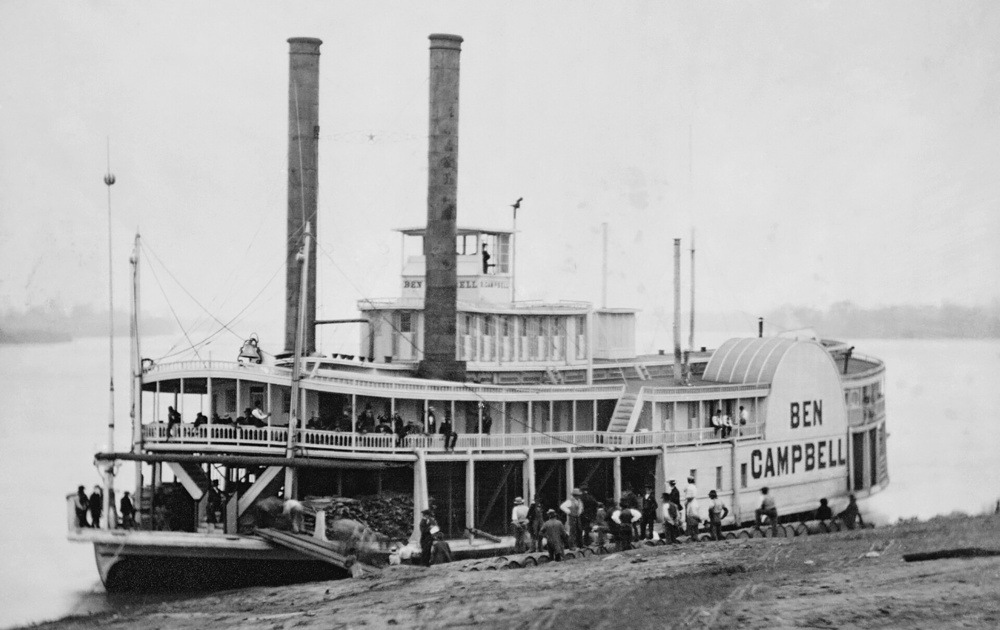
Steamboats were perfectly designed to generate pop culture. They combined two things that always create public fascination: speed and visibility. Unlike later technologies that disappear into infrastructure, steamboats were impossible to ignore. Their size, smoke, and sound announced them from a distance.
In river towns, an arrival could feel like a premiere—people would gather to see who was onboard, what goods had arrived, and which vessel was fastest, newest, or most luxurious. Steamboats also concentrated class and drama in one floating setting. Upstairs: fine dining, ballroom decks, tailored coats, and social theater.
Downstairs: exhausting labor, heat, danger, and the constant push to keep the engine moving. That mix of luxury and intensity created stories—exactly the raw material that turns people into legends. When a technology becomes both a necessity and a spectacle, it creates a platform for personalities. That’s what the river provided.
The Celebrity Captains Who Turned River Travel Into Spectacle
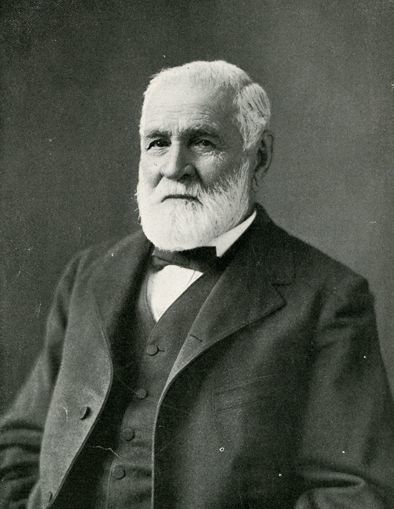
Before social media and television transformed fame, steamboat captains commanded celebrity status that rivaled modern influencers. You’d recognize names like Joseph LaBarge, Thomas P. Leathers, and John W. Cannon throughout inland river regions during the mid-1800s. These captains built professional reputations by transporting prominent figures—LaBarge even carried future President Abraham Lincoln in 1859.
They functioned as both business operators and public figures, cultivating distinctive personas that captivated audiences beyond maritime circles. Competitive rivalries intensified their fame. When Cannon and Leathers dissolved their partnership, their bitter feud escalated into public physical confrontations.
You’d witness captains racing vessels, vying for prestigious passengers, and establishing companies to challenge established competitors. LaBarge’s steamboat Emilie raced against the Spread Eagle in a dramatic competition that ended when his boat was rammed. Mark Twain captured their cultural reverence, describing pilots as “the only unfettered and entirely independent human being.”
Steamboat Racing: When Million-Dollar Bets Drew Massive Crowds
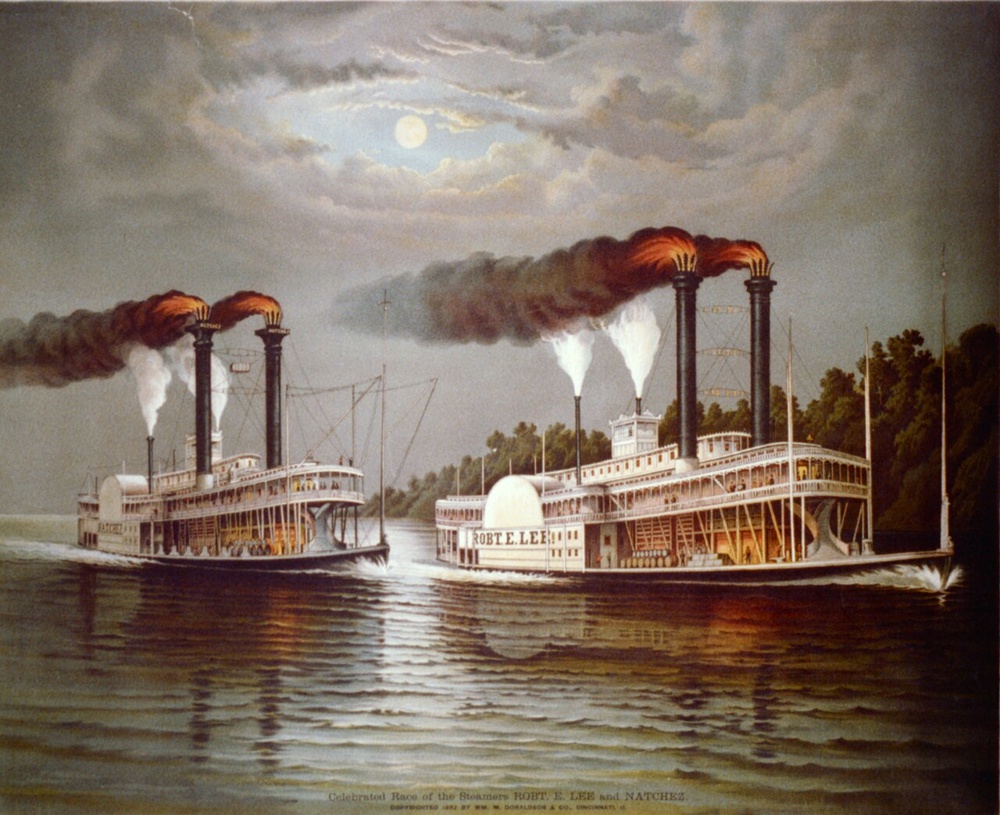
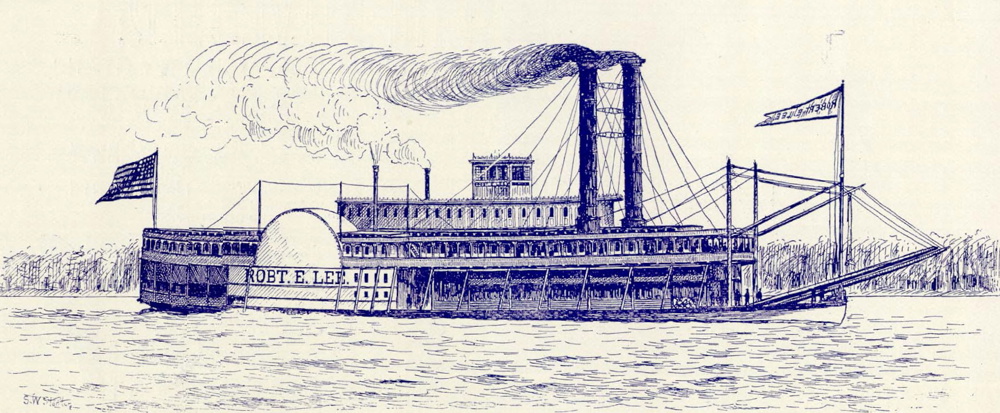
These celebrity captains didn’t just compete for prestige—they turned their vessels into high-speed entertainment platforms that captivated entire regions. You’d witness thousands lining riverbanks as boats like the *Robert E. Lee* and Natchez battled in 1870’s most famous race.
Captains pushed boundaries, ordering engineers to tie down safety valves while crews burned furniture to fuel boilers. Cross river gambling rings connected Cincinnati, St. Louis, Pittsburgh, Louisville, and Chicago through telegraph betting that dwarfed previous wagers. Business titans like Cornelius Vanderbilt and P.T. Barnum staked fortunes on outcomes.
Winners claimed first pick of cargo and passengers, making victory profitable beyond bragging rights. These weren’t fuel economy innovations—captains sacrificed everything for speed, transforming commercial vessels into dangerous spectacles that defined American entertainment. The sport’s origins trace back to 1811 when Hope and The North River collided on the Hudson River at 5 miles per hour, an event that ignited public fascination with steamboat competition.
Gambling Rings, “Engagement,” and the Money Behind the Hype
Every pop culture machine has an engagement engine. On steamboats, it was gambling. Poker and betting were woven into the river ecosystem. Some passengers gambled for entertainment; professional gamblers gambled for income.
And racing multiplied the stakes. Once a race became a city-to-city event, betting became a parallel sport—one fueled by pride, rumor, and the thrill of predicting an outcome. Telegraph networks mattered here, because they helped betting evolve from local wagers into broader, more coordinated action. People weren’t only watching; they were financially invested.
That combination—public attention plus money on the line—is the oldest formula in the book. It also changed behavior. When victory meant prestige and profit (first pick of cargo, bragging rights, future business), captains had incentive to push harder. Gambling didn’t just reflect the spectacle. It helped intensify it. In modern terms: money rewarded the most dramatic outcome.
Risk as Content: When Spectacle Encouraged Dangerous Choices
Here’s where the story gets uncomfortable—and more realistic. In racing lore, you’ll often see sensational claims about captains pushing safety limits: forcing speed, overworking crews, sometimes even taking shortcuts that made boats more dangerous. Some accounts describe extreme measures taken during competitive runs. Whether every story is literal or exaggerated, the larger pattern is consistent: competition made risk feel acceptable, until it didn’t.
This is the attention-economy trap. When fame is attached to “bigger,” “faster,” and “more,” restraint starts reading as weakness. The public rarely demands safety. The public demands excitement. Steamboat culture shows an early version of a pattern we still recognize: a system that rewards spectacle tends to keep escalating—until the consequences are too visible to ignore.
The 1852 Henry Clay Disaster and the Birth of Federal Safety Laws
When competitive steamboat racing claimed its highest-profile casualties on July 28, 1852, Congress responded with unprecedented speed to transform American maritime safety forever. The Henry Clay’s fire killed approximately 80 passengers, including former NYC Mayor Stephen Allen and renowned landscape architect Andrew Jackson Downing.
You’d find the vessel carried only two lifeboats for 500+ passengers—passenger crowding and safety concerns that proved fatal when the ship’s boiler ignited wooden structures near Yonkers. Though captain and crew faced murder charges, all were acquitted despite damning evidence of racing and tied-down safety valves.
The political fallout from the disaster compelled Congress to pass the Steamboat Act of 1852 within weeks, establishing mandatory inspections and licensing requirements that birthed modern maritime regulation. The 198-foot vessel, built in 1851 by Thomas Collyer, featured a walking beam engine and promenade deck that served passengers traveling between Albany and New York City.
From Slave Deck to Captain’s Wheel: Black Labor on the River
While steamboat captains raced their vessels to tragic ends, African Americans navigated an entirely different challenge aboard these same ships. They transformed positions on the lowest decks into pathways toward freedom and economic power. You’d find nearly 20% of Cincinnati’s Black workers “following the river” in 1842, with African American stewards as community leaders who supervised crews and occasionally managed white waiters.
They leveraged business connections to support Black-owned establishments ashore. Through technical innovations in steamboat engineering, workers gained expertise stoking furnaces and tending boilers. Some enslaved individuals used lucrative tips to purchase their freedom.
During the Civil War, approximately 17,600 African Americans served in the Navy, with more born enslaved than free—proving their maritime competency despite restricted advancement opportunities. By 1870, almost three quarters of deck crews in Cincinnati and St. Louis were African American, marking a dramatic shift in the industry’s workforce composition.
Why the Steamboat Was America’s Most Important 19th-Century Invention
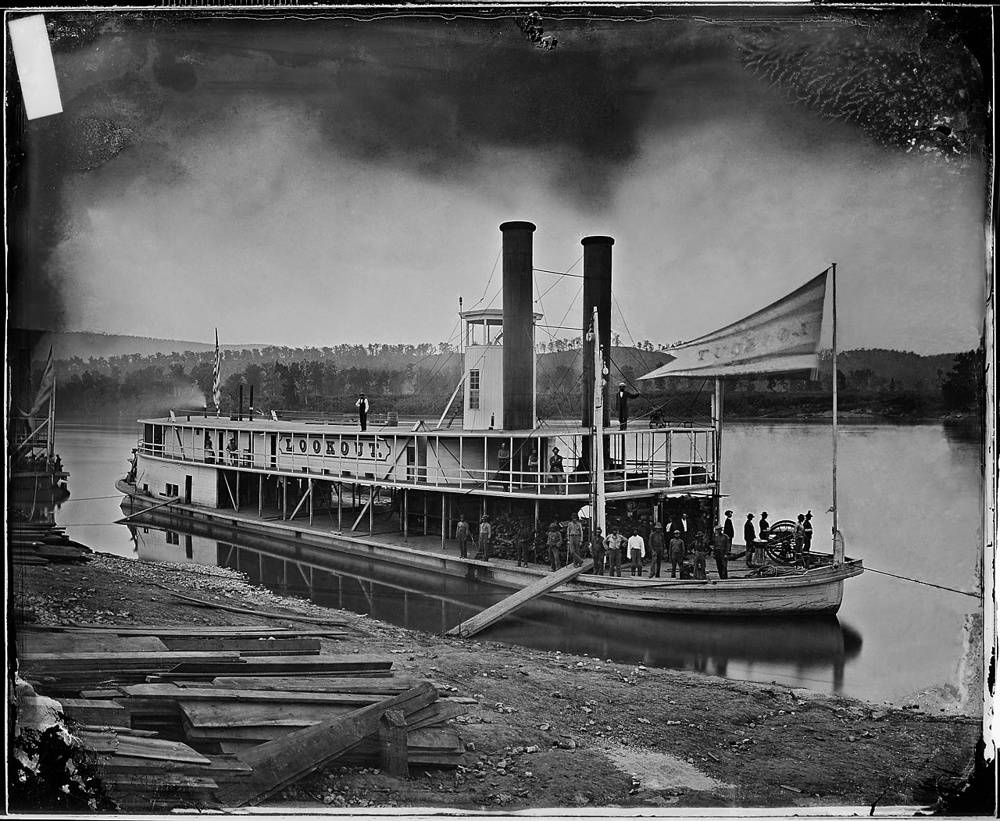
Before the steamboat, America’s rivers flowed in only one direction—and so did commerce. You couldn’t ship goods upstream, which meant isolated settlements and fragmented markets. Then came Robert Fulton’s 1807 innovation, and everything changed.
The steamboat’s role in unifying the nation can’t be overstated. It connected isolated ports, enabled scheduled packet services, and transformed unpredictable western rivers into reliable highways.
The steamboat’s contribution to industrialization was equally profound:
- New Orleans saw arrivals jump from 20 steamboats in 1814 to 1,200 within twenty years
- Transportation costs plummeted as steam replaced animal power
- Agricultural regions connected directly with manufacturing centers
This five-mile-per-hour vessel dominated America’s middle economy until the 1870s, catalyzing rapid industrialization and positioning the nation for sustained prosperity. Yet steamboats were inherently dangerous, with boiler explosions and fires claiming thousands of lives throughout the era.
Why This Was Pop Culture, Not Just Transportation
By now the picture should be clear: steamboats didn’t accidentally create celebrity. They created the conditions for it. They produced:
- Recognizable personalities (captains and pilots as brands)
- Recurring events (races as season-style spectacles)
- Built-in stakes (money, prestige, profit)
- Constant storytelling (newspapers, telegraph updates, dockside gossip)
- Scandal and backlash cycles (disasters → outrage → regulation)
That’s pop culture infrastructure. It’s not so different from what we see now: public attention clustering around competition, risk, and personality—and media systems amplifying whatever keeps people watching. Steamboat captains weren’t “influencers” because they sold products. They were influencers because they sold narrative: speed, mastery, rivalry, danger, and the fantasy of being larger than life.
Why This Still Matters Today
Calling steamboat captains “influencers” isn’t just a clever modern label—it highlights how early America learned to turn public life into entertainment. The river functioned like a training ground for the attention economy: fame spread fastest when it came with rivalry, and competition turned real people into story-ready characters.
With newspapers and telegraph updates amplifying every win, feud, and disaster, events didn’t just happen—they got upgraded into legend. That cycle still feels familiar in 2026. We’re constantly negotiating what gets rewarded, what gets excused, and what becomes “normal” until the consequences force a reset.
Steamboat culture is an early draft of that same pattern: spectacle escalating, costs becoming unavoidable, and the hidden labor behind the headlines doing the work that the public rarely sees. The technology changed—but the incentives didn’t.
Conclusion
Before Hollywood, before sports television, before social platforms, the river was where Americans learned how celebrity works. A captain’s name could draw a crowd. A race could unite cities in shared obsession.
A gambler could turn a trip into a story. And a disaster could flip the entire mood overnight, forcing the country to admit that spectacle has a price. Steamboats weren’t just the vehicles of commerce. They were vehicles of culture—carrying not only people and goods, but myth, fandom, and headline-making drama up and down the Mississippi.