

There’s a very specific kind of power that hits when the beat drops at the exact moment you step off the curb. The light changes. The crosswalk fills. Your coat swings behind you like a wardrobe got notes. The bass hums through your headphones. For three minutes and twenty-seven seconds, you’re not just walking to the train. You’re in a montage.
In 2026, the commute isn’t dead time—it’s directed time. And the transit playlist is the invisible script turning ordinary sidewalks into opening scenes. If the city is the set, your headphones are the director. Press play, and suddenly your Tuesday has a soundtrack.
How Hybrid Life Turned the Commute Into an “Episode”
Before hybrid schedules, commuting was repetition: five days a week, same route, same rush, same mental autopilot. When something happens daily, it becomes background noise. You stop noticing it, and you stop claiming it.
Hybrid life changed that because it made commuting rarer. After remote-first years, burnout talk, and companies trying to keep flexibility while still maintaining “office culture,” hybrid became the compromise. And once something feels chosen—even partially—it becomes easier to romanticize. The commute turns into the opening credits because it’s no longer constant. It’s the threshold between versions of you: home-you and public-you, soft-you and switched-on-you. When the commute is only a few times a week, it becomes a scene worth scoring.

The Commute as Opening Credits (And Why the First Song Matters)
Hybrid mornings don’t feel like endless survival anymore. They feel episodic. That shift transforms the walk to the station into something cinematic: the intro sequence, the first shot, the tone-setter. That’s why people curate playlists before they even lock the door. One for “office days.” One for “coffee meeting mornings.” One for “I need to feel unstoppable today.” The first song matters because it decides the genre:
- Slow-burn indie morning where you walk like you’re thinking.
- Glossy pop strut where you move like you’re arriving.
- Throwback anthem that makes you feel seventeen again, but in a healed way.
This is not just about taste. It’s about control. In a world that moves too fast, choosing the first track is a tiny act of authorship. It says: I’m not letting the day pick my mood for me.
Why Music Changes the City
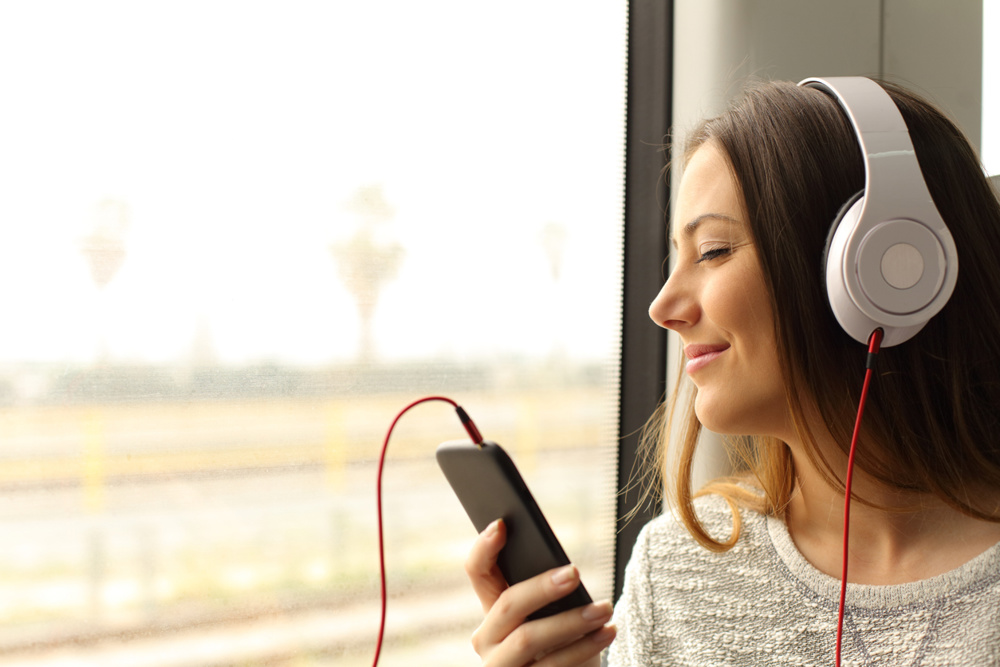
Music has always altered perception. But paired with movement, it transforms space. A grey street looks different when it’s scored by synth-heavy pop. A crowded train feels less claustrophobic when a steady beat anchors your breathing. A windy sidewalk becomes dramatic when strings swell in your ears. The city doesn’t change—you do.
Transit playlists work because they create contrast. The ordinary world collides with curated sound, and suddenly the mundane feels elevated. It’s not a delusion. It’s design. And because the commute is one of the last truly public rituals—shared, anonymous, slightly chaotic—music becomes your private set dressing. It turns a random Tuesday into something that feels edited.
The Main Character Effect (And the Pop Culture Blueprint)
There’s a reason “main character energy” refuses to die. We live in a culture that thinks in scenes. Album rollouts unfold like mini-series. Pop stars move through “eras” with new palettes, new silhouettes, new moods. Even fans talk in narrative language now: my villain arc, my healing season, my soft life episode.
Transit playlists tap into the same instinct. The right song can make you walk slower—or faster. It can sharpen your posture. Make eye contact feel intentional. Turn a reflection in a subway window into a close-up shot. You’re not pretending to be someone else. You’re amplifying the version of you that already exists, but maybe gets buried under routine. Pop culture taught us that atmosphere is part of identity. Your playlist is just the everyday version of that: less stadium, more sidewalk.
Pop Star Logic, Everyday Life
Pop stars have always understood the power of soundtracks. Watch any behind-the-scenes clip of an artist arriving at a venue: there’s music in the background, intention in the walk, narrative in the outfit. Their entrance is part of the performance. The cultural shift is that we now apply that logic to ourselves.
Not because we think we’re famous, but because we’ve learned how to frame a moment. A commute becomes an entrance. A coffee run becomes a scene change. A crosswalk becomes a runway shot. Transit playlists let you borrow pop star logic without spectacle. You don’t need an audience. The music is enough. And because hybrid life makes commuting less frequent, the “entrance” feeling has room to come back. You’re not doing it five days in a row—you’re doing it on a day that feels like a chapter.
How to Build the Perfect Transit Playlist (A Simple Montage Formula)
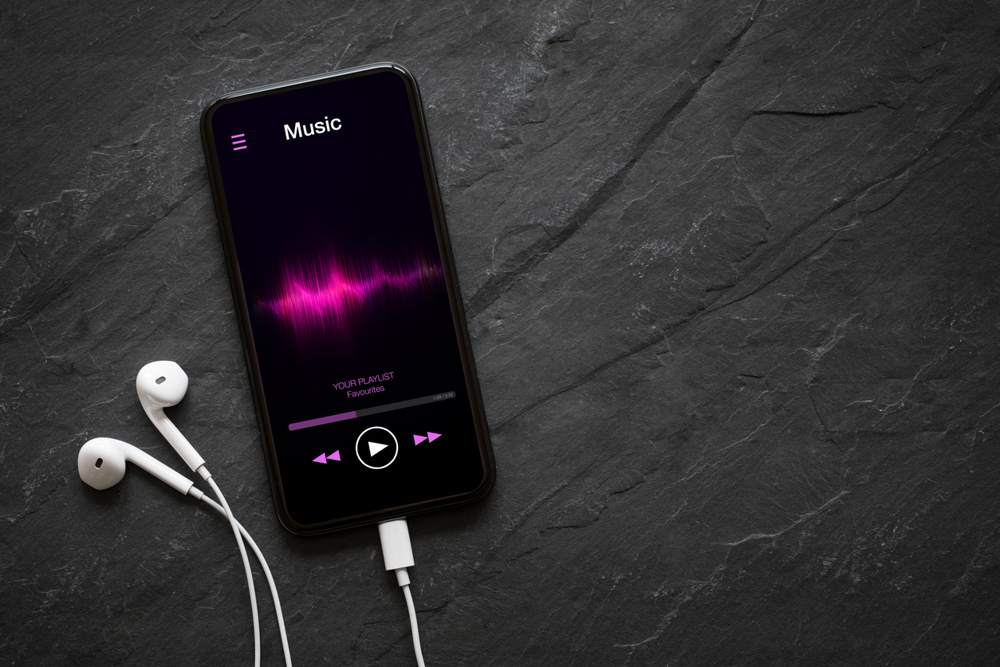
The magic is curation. A great transit playlist isn’t random—it has pacing. It builds. It peaks. It cools down. Think of it like a montage with structure:
1) The Exit Track (0–5 minutes): Something that matches the leaving-the-house energy. Atmospheric, steady, not too aggressive. It should feel like turning the key and stepping into the day.
2) The Strut Section (walking pace): Two to four tracks with a strong rhythm—songs that make your steps feel like they belong somewhere. This is where confidence gets built.
3) The Platform Anchor (waiting energy): Something calmer or more hypnotic—music that keeps you steady when you’re standing still. This is where anxiety gets managed.
4) The Arrival Song (final cue): One track that makes you feel ready. Not chaotic, not sleepy—just composed. Your “walk into the building” song.
The goal isn’t a specific genre. It’s an arc. When the playlist mirrors how you move through space, your morning feels coherent. And coherence is the real flex.
Famous-Coded Transit Playlists (Copy the Vibe, Not the Exact Life)
If you want your commute to feel instantly cinematic, steal the energy of a famous pop-star montage. Here are a few “famous-coded” mini-playlists you can rotate depending on what kind of main character you need to be that day:
1) Beyoncé-Level Confidence Walk (power, posture, don’t-talk-to-me energy)
- “ALIEN SUPERSTAR” — Beyoncé
- “CUFF IT” — Beyoncé
- “Break My Soul” — Beyoncé
- “Partition” — Beyoncé
- “Energy” — Beyoncé
2) Taylor Swift “Leaving the House Like It’s a Scene” (nostalgia + momentum)
- “Style” — Taylor Swift
- “Cruel Summer” — Taylor Swift
- “Lavender Haze” — Taylor Swift
- “Anti-Hero” — Taylor Swift
- “august” — Taylor Swift
3) Dua Lipa City Strut (clean, glossy, walking on beat)
- “Don’t Start Now” — Dua Lipa
- “Levitating” — Dua Lipa
- “Physical” — Dua Lipa
- “Houdini” — Dua Lipa
- “New Rules” — Dua Lipa
View this post on Instagram
4) The Weeknd Night-Bus Cinematic (neon mood, brooding but hot)
- “Blinding Lights” — The Weeknd
- “Save Your Tears” — The Weeknd
- “Starboy” — The Weeknd
- “Out of Time” — The Weeknd
- “The Hills” — The Weeknd
5) Olivia Rodrigo Rage-to-Focus Reset (angsty, sharp, productive after)
- “good 4 u” — Olivia Rodrigo
- “bad idea right?” — Olivia Rodrigo
- “vampire” — Olivia Rodrigo
- “brutal” — Olivia Rodrigo
- “deja vu” — Olivia Rodrigo
Why This Change Matters Today (It’s Not Just Vibes)
The rise of transit playlists isn’t random. It reflects two real shifts happening at once. First, we’re reclaiming “in-between” time. Modern life is compressed—notifications, emails, group chats, everything begging for attention before 9 a.m. Soundtracking your commute turns that space into something you control. It’s a buffer again.
Also, we’re moving from scroll to regulation. Music steadies breath. It shifts the mood. It can energize you before a presentation or soften anxiety before a meeting. A transit playlist isn’t just entertainment—it’s emotional calibration. In 2026’s energy economy, that matters. People aren’t only trying to feel good tonight. They’re trying to feel functional tomorrow. A playlist is a small tool. But small tools build sustainable lives.
The Evening Montage (Decompression With a Soundtrack)
Transit playlists don’t end in the morning. The evening commute carries its own mood: golden hour through bus windows, reflections in subway glass, the city softening as people head home. Evening playlists often lean warmer—slower, softer, slightly sentimental. They decompress. You process the day through melody. Let the music absorb leftover tension. By the time you step off the train, the emotional volume has lowered.
In a hybrid world, this matters even more. Closing a laptop at home doesn’t always feel like leaving work. But physically moving through space does. The evening playlist becomes the soundtrack of transition back into yourself.
Is This Escapism—or Self-Directed Living?
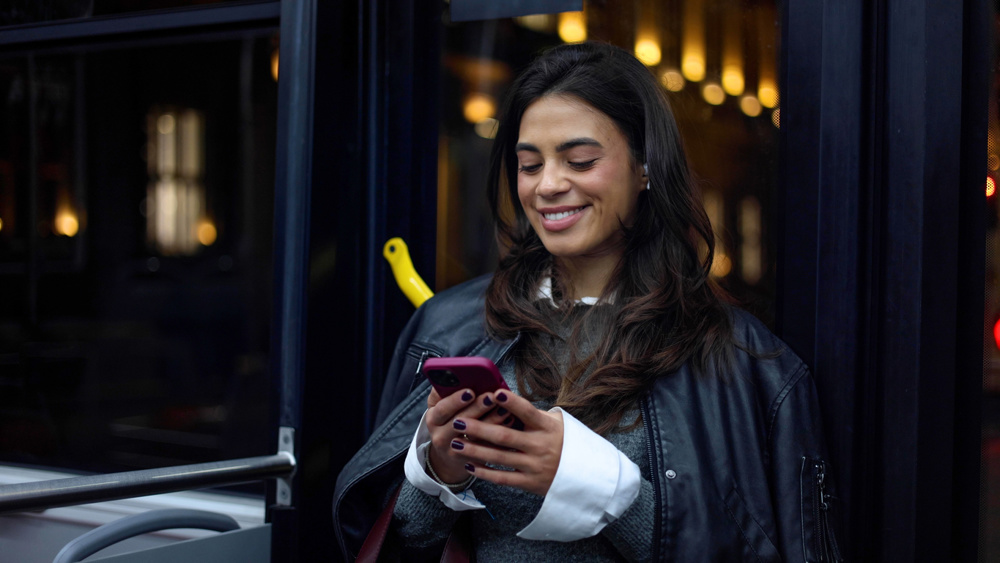
Honestly, it can look like escapism from the outside, because you’re putting on headphones and stepping into your own world. But it’s not the “ignore your life and disappear” kind. It’s more like directing your life while you’re in it. You’re not pretending the commute is perfect—you’re giving it a soundtrack so it feels intentional instead of wasted. That’s a big difference.
Escapism usually means avoiding the moment because it feels unbearable. A transit playlist is closer to amplifying the moment so it becomes usable: the beat steadies your pace, the chorus lifts your mood, the lyrics give shape to whatever you’re carrying. It turns a crowded platform into a buffer zone where your nervous system can reset. You’re still in the same city, same weather, same delays—just with a chosen emotional tone instead of a default one.
Conclusion
You don’t need a camera crew or choreography. You just need the platform, the crosswalk, and the choice to press play. Let the chorus meet the doors as they open. Let the bridge hit right when you step into the crowd. Because in 2026, the commute isn’t dead time—it’s direct time. And if the world insists on rushing you, your playlist is how you insist back: I’m still the author of this scene.