

For a while, the internet sold us a single promise: frictionless living. One-click shopping. Same-day delivery. Autoplay everything. A calendar that pings you, a door that unlocks itself, a screen that remembers your preferences better than you do. Convenience became the default—so much so that anything slow, awkward, or manual started to feel like a problem to solve.
But 2026 is bringing back a different flex: intentional friction. It’s the small, chosen “speed bumps” that pull you out of autopilot—like asking for a printed menu, watching a show weekly instead of bingeing, or leaving your phone in your bag during dinner. These moments aren’t about being anti-tech; they’re about being pro-presence.
The Convenience Hangover
Frictionless systems are great—until they touch everything. When every part of your day is optimized, you start living at the pace of your devices: faster, more reactive, less present. Convenience doesn’t just save time; it changes your relationship to time. It trains you to expect immediate payoff. It shortens your patience. It makes normal waiting feel like failure.
A lot of 2026 culture is basically a response to that hangover. People aren’t rejecting technology because it’s evil. They’re rejecting the feeling of being continuously pulled—by notifications, by feeds, by the subtle pressure to document and respond. The problem isn’t that we have screens. The problem is that screens became the default doorway into everything, including the moments that used to be restful. So the new cool isn’t hyper-efficiency. It’s the ability to tolerate slowness again.
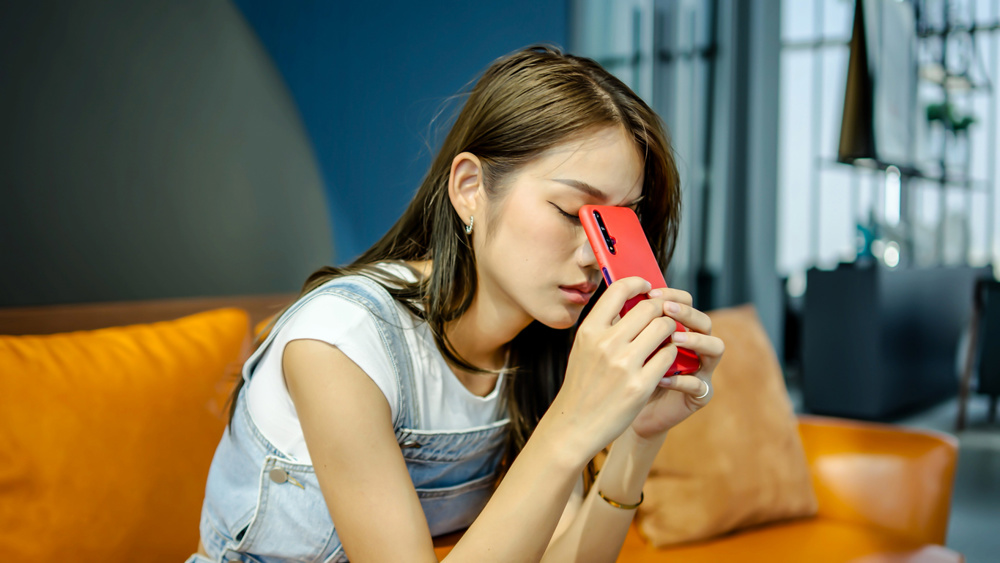
What “Intentional Friction” Actually Means
Intentional friction is not romanticizing inconvenience. It’schoosing small constraints that protect your attention, your relationships, and your nervous system. It’s building a little resistance into your habits so you don’t slide into autopilot. Think of it like this: convenience is a straight hallway. Friction is a door you have to open. That extra second creates a decision. Do I really want to scroll right now? Do I really need to order that? Do I really want to film this moment—or live it?
That pause is the point. Friction is where you regain agency, because it interrupts the default. And in 2026, agency is the real flex. Not in a grindset way, but in a calm way. A “my day belongs to me” way. This is why the trend feels bigger than aesthetics. It’s not just about liking paper planners or film cameras. It’s about reclaiming the ability to choose your pace.
Why Pop Culture Started Selling “Slower” as the New Status
The shift isn’t happening in a vacuum. Pop culture has been slowly re-training the audience to enjoy anticipation, ritual, and shared timing again. The return of weekly releases and watch-party energy is a big example. A show becomes more than a binge. It becomes a week-to-week conversation, a group chat event, a reason to show up on time.
Music has the same vibe. The culture is obsessed with eras, world-building, and rollouts that unfold like chapters. People don’t just want a song. They want the story around it: the aesthetic, the references, the live moments, the lore. In other words, they want texture—and texture requires time.
Even celebrity culture is shifting from constant access to selective presence. The most magnetic public figures aren’t necessarily the ones posting daily. They’re the ones whose appearances feel like events. Scarcity is back, but not in a cruel way. In a “you can’t have everything all the time” way that makes the moment land.
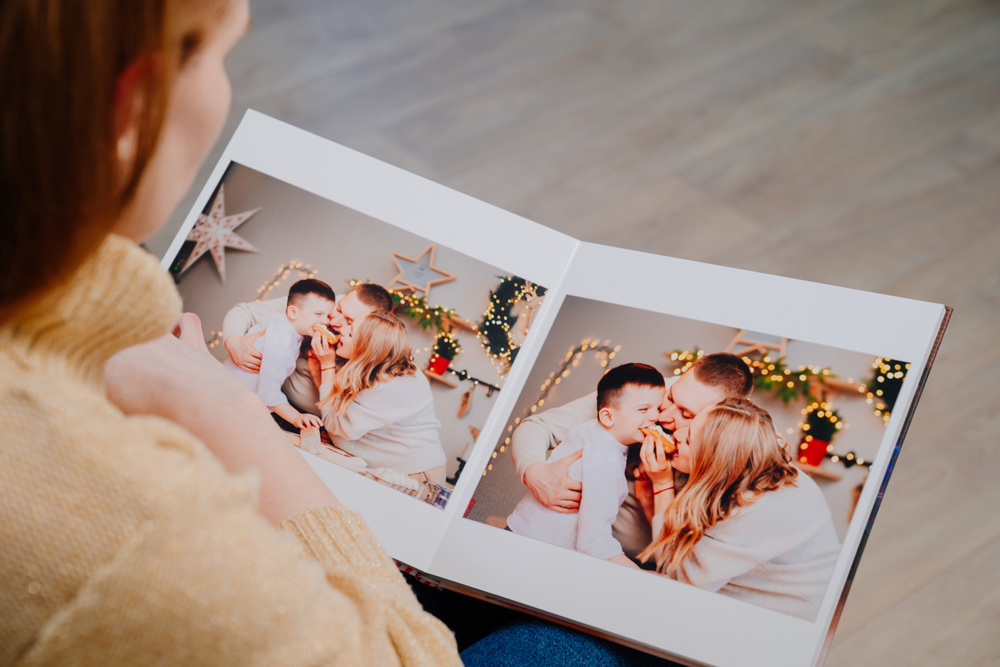
The Analog Charm: When “Work” Starts Feeling Meaningful Again
This is where the analog revival fits: the paper planner, the printed photos, the hard-copy scrapbook, the Mini-DV camcorder, the real menu you can hold. These aren’t just cute throwbacks. They’re cultural signals that say: I’m not letting the algorithm store all my memories.
Physical media has built-in friction. You buy film. You load the tape. You print the photo. You label the page. And instead of that effort feeling annoying, it starts to feel meaningful—because it turns a moment into a keepsake, not content. You’re not “saving” something. You’re keeping it. That’s why analog reads as luxury now. Not because it’s expensive. Because it’s deliberate.
Intentional Friction as a Privacy Flex
For years, the internet trained us to overshare casually. Post photos of the dinner. Post the date. Post the location tag. Post the outfit. Post the mood. Visibility became validation, and sometimes it even felt like safety: if people see you, you exist. But in 2026, privacy is becoming a status symbol again. Not secrecy—privacy. The ability to have a life that isn’t instantly legible to strangers.
Intentional friction supports that without turning it into a big statement. If your phone isn’t always in your hand, fewer moments automatically become content. If you print photos instead of posting them, your memories live with you, not with an audience. In a world where anything can be screenshotted, clipped, and recontextualized, choosing friction is often choosing control. It’s saying: I get to decide what stays mine.
The Anti-AI Mood: When “Perfect” Stops Feeling Trustworthy
Another reason friction is trending is that the internet is saturated with content that looks too smooth. Too polished. Too optimized. In an era where images can be generated and voices can be cloned, perfection isn’t automatically impressive anymore. Sometimes it reads as suspicious. Sometimes it reads as boring.
Friction brings back the marks of the human hand: grain, blur, handwriting, timestamps, typos, messy drafts, imperfect light. These details function like receipts. They say: this happened in real time. They make content feel like memories again. This is what people mean when they talk about an “anti-AI aesthetic.” It’s not about banning tools. It’s about restoring signals of authenticity.
A Quick Counterpoint: Friction Isn’t a Morality Play
It’s worth saying plainly: convenience isn’t the villain. For plenty of people, convenience is access. It saves time, reduces stress, and makes life more manageable. And even “analog” trends can become performative if they’re treated like a costume instead of a practice.
That’s why the 2026 shift isn’t about making everything harder. It’s about making friction opt-in and intentional. It’s about having choices. A printed menu and a QR code. Streaming and weekly rituals. Digital tools for speed, physical rituals for meaning. The goal isn’t purity. The goal is control.
How to Soft Launch Real Life Without Becoming a Hermit
You don’t need a dramatic reset. You don’t need to announce a new identity. If anything, the “soft launch” works because it’s quiet. You just start protecting your attention like it matters—because it does. Here are friction swaps that actually work:
- Make one thing physical. Print photos monthly. Use a paper planner. Keep a notebook. Buy one real book. Pick one, not ten.
- Create one phone-free zone. Bed, bathroom, kitchen table—choose a place where your brain gets a break.
- Put “pause” back into entertainment. Watch one show weekly with friends. Make it a ritual. Let anticipation do its job.
- Add one manual ritual. Morning coffee without scrolling. A walk without headphones. Writing a list by hand. Something small that anchors you.
- Choose convenience intentionally. Use delivery when it truly helps, not as your default. The win is deciding, not depriving.
These aren’t grand lifestyle changes. They’re tiny interruptions that add up to a calmer baseline.

Why This Trend Is Sticking
Every trend claims it’s about aesthetics. Most of them are actually about emotion. Intentional friction is sticking because it gives people something the modern internet has been quietly eroding: the feeling of being inside your own life. Not watching it from the outside. Not packaging it. Not reacting to it. Living it.
That’s why analog details and slower habits have become “cool.” They aren’t just cute. They’re grounding. They’re evidence that you can be a main character without turning your day into a performance. Friction doesn’t just slow you down. It returns you to yourself.
Conclusion
The culture isn’t becoming anti-tech, it’s becoming pro-presence. In 2026, the coolest move isn’t disappearing—it’s choosing when to show up, and choosing friction where it brings you back to what’s real. A printed photo, a weekly watch party, a paper menu—these aren’t retro gimmicks. They’re small refusals of a world that wants everything fast, smooth, and monetizable. Soft launching real life is a quiet rebellion. It says: I don’t need my day to be frictionless. I need it to be mine.