

For a few years, QR code menus were sold as sleek and modern. You sat down, scanned a square, and suddenly dinner came with an accidental side of screen time: notifications, low battery anxiety, and a menu that refused to load on spotty Wi-Fi. It made sense in the moment—hygiene, convenience, speed. But in 2026, the cultural mood has shifted. The thing that feels luxurious now isn’t “more tech.” It’s less.
The new luxury is analog: a real menu, a real waiter, a real moment where you’re not asked to unlock your phone just to order sparkling water. And it’s not just about restaurants. It’s part of a broader “back to tactile life” reset happening across pop culture. It’s touching grass, slow living, and the growing desire to exist in public spaces without a screen acting as the middleman.
Why QR Menus Started to Feel Like Work
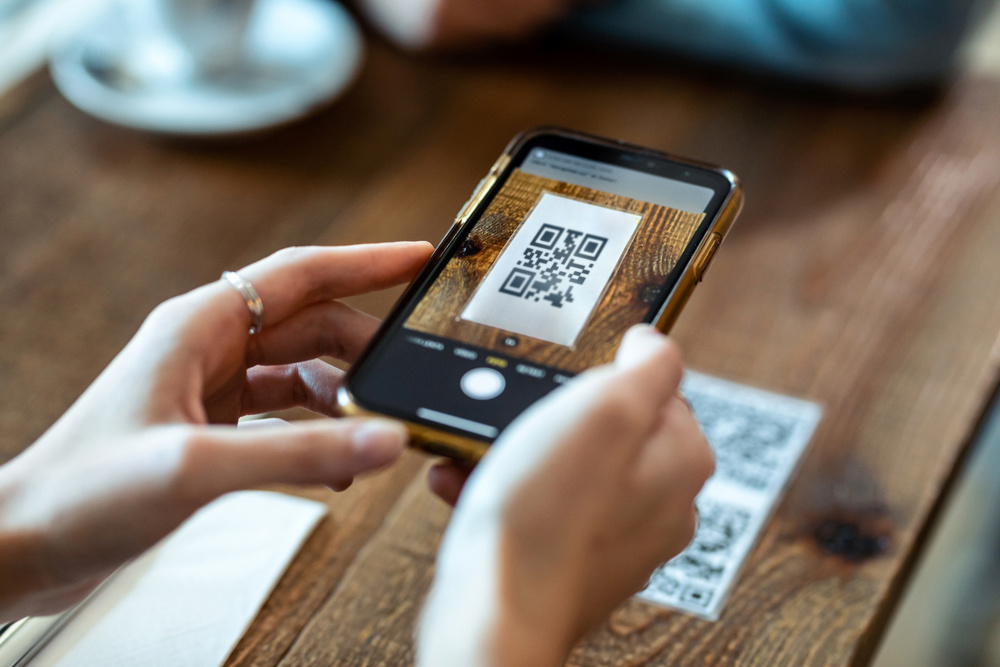
There’s a difference between convenience and outsourcing effort to the customer. QR menus quietly turned diners into unpaid labor. Scan, accept permissions, wait for the page to load, pinch-zoom, scroll through categories, fight formatting, and hope the photos don’t take forever. It’s not dramatic, but it adds friction at exactly the moment you’re trying to relax.
That friction is consistent. It’s the “PDF menu” that won’t resize properly. The link that opens a clunky third-party ordering site. The menu that’s basically a slideshow. The dead phone. The bad reception. The moment you realize you forgot your glasses and now you’re trying to read tiny text on a reflective screen under moody restaurant lighting. Printed menus aren’t perfect, but they are instant. You sit down and the menu exists. No battery required. The point isn’t that QR menus are evil. It’s that they often shift the work of hospitality onto the guest.
The Real Issue: QR Menus Pull You Back Into Phone-Brain
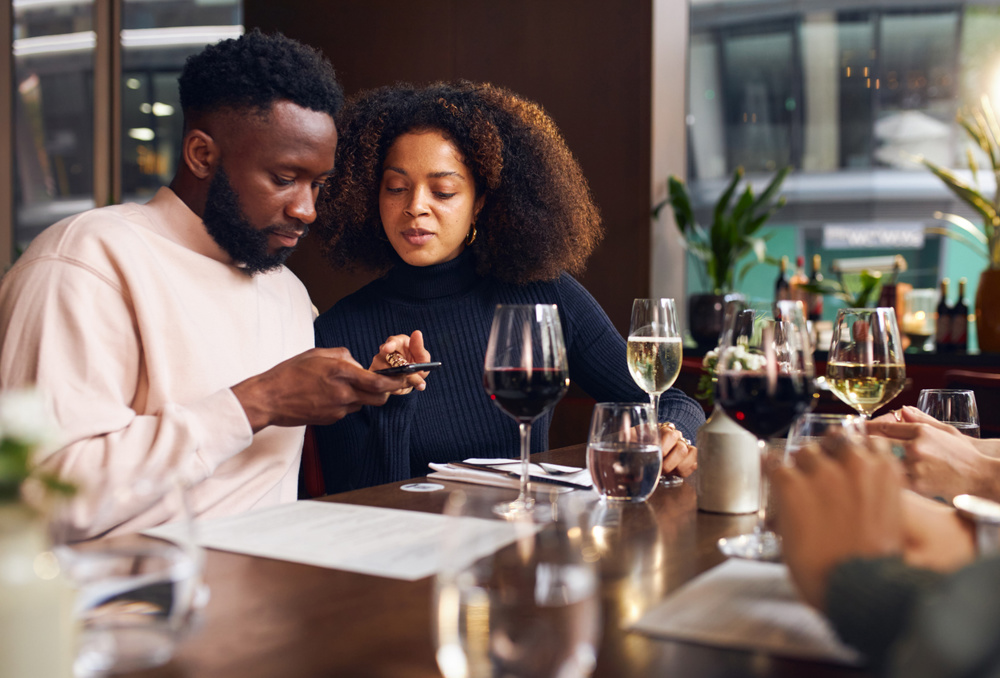
The bigger problem is psychological. QR menus don’t just show you food—they pull you back into your phone environment. Even if you only mean to check the menu, the phone is never just a menu. It’s a message. Social apps. News alerts. A group chat. A notification you didn’t ask for. A random scroll that turns into ten minutes.
Restaurants used to be one of the last socially acceptable “mini-offline” zones. Not perfectly offline—people always checked their phones—but the default expectation was: you’re here, at the table, together. QR menus quietly broke that spell by making the phone mandatory in the first five minutes. That matters because modern life is already overstimulating. When your day is full of screens, the most relaxing thing about going out is the chance to be a person again—face-to-face, not app-to-app.
Analog Luxury Isn’t Nostalgia—It’s Presence
The pushback isn’t about hating technology. It’s about protecting the vibe. In 2026, “analog” doesn’t mean anti-modern. It means intentional. It’s the difference between tech that serves the experience and tech that becomes the experience. A printed menu is a tiny act of care. It says: we considered your attention. We don’t want your first interaction with this meal to be a loading screen. We want you to stay at the table.
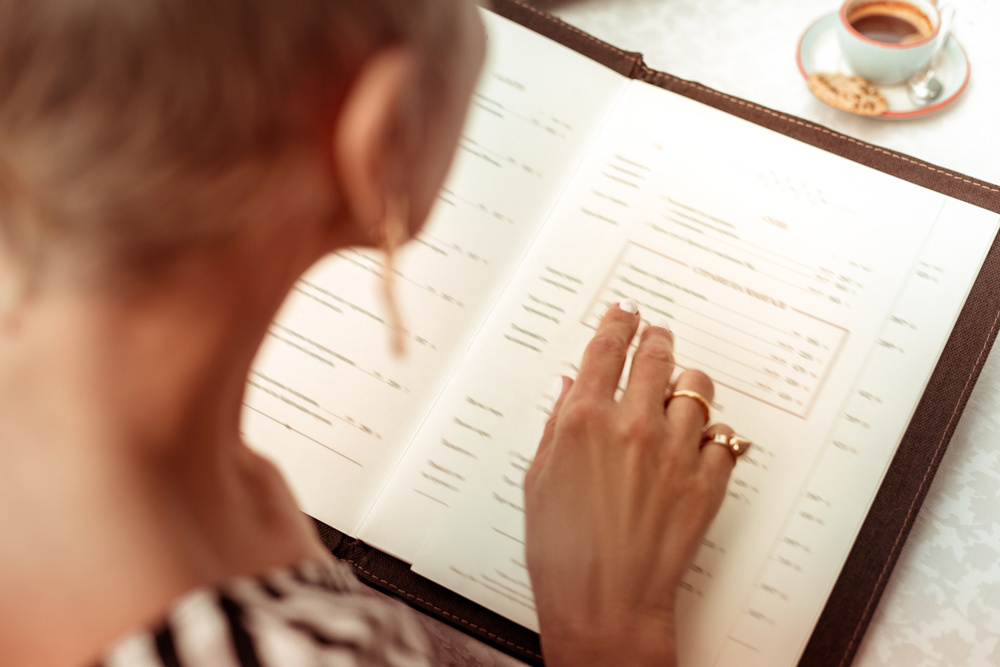
Analog luxury is also sensory. A well-designed menu has weight, texture, typography. It’s part of the atmosphere. You can annotate it with your finger, point at items, share it across the table. It creates a micro-moment of togetherness that a phone can’t replicate. When so much of life feels disposable and digital, physical objects carry meaning again.
The Status Signal Has Changed: “I Don’t Need to Be Reachable”
A big reason analog is trending is that the status symbol is shifting from visibility to privacy. The old flex was being constantly online: posts, stories, updates, availability. The new flex is being unreachable for an hour because you’re living your life.
You can see this status shift in small cultural cues: phones face-down, people leaving devices in bags, “no photos” dinners, quiet corners that feel protected from content culture. Restaurants that don’t force QR menus are offering more than convenience. They’re offering permission: put your phone away and nothing breaks. That’s what makes it feel luxurious. Not the paper itself but freedom.
This Is Bigger Than Menus: The 2026 “Back to Tactile Life” Reset
The QR backlash fits neatly into a broader 2026 move toward slower, more human systems. People are choosing micro-rituals over big resets: reading physical books, buying film cameras, writing notes, wearing watches again, collecting objects that aren’t optimized for sharing. It’s the same cultural logic behind appointment TV’s return and the popularity of watch parties.
When everything is personalized, shared moments feel rare. When everything is on-demand, a shared timeline feels special. Analog experiences create a collective rhythm—people in the same room, on the same page, literally and metaphorically. And yes, it’s also aesthetic. Analog signals taste. A printed menu can read as “old money,” “European café,” “classic bistro,” “we care about design.” But the deeper reason it works is emotional: it lets people stay present, and presence is what everyone’s chasing right now.
The Trade-Offs: Sustainability, Accessibility, and What QR Does Well
To be fair, QR menus have real benefits.
- Sustainability: They reduce reprinting, which can lower paper waste—especially for restaurants that change menus frequently.
- Flexibility: They’re easy to update for availability, specials, pricing changes, and seasonal shifts.
- Accessibility (sometimes): They can offer translations, larger text, and allergen info more easily than a single printed menu can. Some digital menus also work well with screen readers.
Those are legitimate upsides, and any “QR is always bad” take ignores reality. The problem isn’t QR as a tool. The problem is QR as a default-only requirement—especially when the digital experience is poorly designed. There’s also an accessibility flip side: not everyone has a charged smartphone, strong signal, or comfort navigating digital menus. For some diners—older guests, tourists without data, anyone with low battery—QR menus create friction where none should exist. That’s why the best solution isn’t ideological. It’s practical.
The Best Version: Hybrid, With Choice Built In
The most modern approach is hybrid: printed menus available by default, QR as an optional add-on for people who prefer it. This is where “analog luxury” becomes less about rejecting tech and more about using it correctly.
Here’s what that looks like in real life:
- Printed menus arrive automatically when you’re seated. No need to ask.
- QR codes exist quietly for translations, photos, allergen breakdowns, and quick updates.
- Servers still guide: specials explained, questions answered, recommendations offered.
- Tech stays invisible: used behind the scenes to improve operations, not pushed onto the guest as extra labor.
Choice is the key word. Luxury is not forcing one workflow on everyone. Luxury is flexibility that makes the guest feel cared for.
The Real Luxury: Hospitality That Feels Human
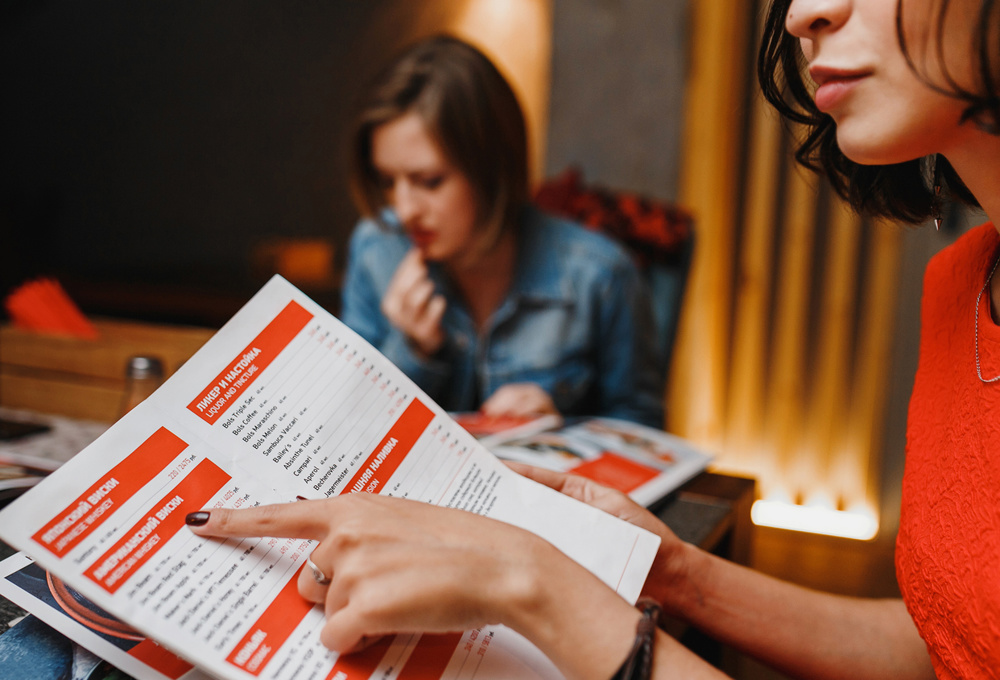
A printed menu is really a symbol of something deeper: the return of hospitality. In the QR era, service often felt outsourced to systems—scan to order, tap to pay, get a text when your table is ready. Efficient, yes. But slightly cold. The relationship becomes transactional: you and the interface.
In 2026, the places that stand out are the ones bringing back human touches: staff who explain specials without rushing, tables that aren’t optimized only for turnover, menus that feel curated instead of templated, a moment of eye contact that says you’re welcome here. Analog isn’t the point. The point is care. The menu is just the first signal, and in a culture where everything feels optimized, care is what reads as premium.
What Happens Next: Less Default Tech, More Intentional Tech
QR codes aren’t going away entirely. They’re too useful. But the era of QR as the default experience is fading because people are prioritizing moments that reduce screen time and increase presence.
The places that will win aren’t the ones rejecting tech completely. They’ll be the ones using tech invisibly—behind the scenes—while keeping the guest experience tactile, calm, and human. The future is not anti-tech. It’s anti-friction.
Conclusion
RIP QR code menus—not because they were evil, but because they symbolized the moment, we let convenience replace experience. In 2026, the new luxury is analog because analog protects the vibe: it keeps you off your phone, brings you back to the table, and makes the world feel touchable again. When everything is optimized, the thing that feels most premium is care. And sometimes care looks as simple as handing you a real menu, letting your phone stay in your bag, and allowing dinner to just be dinner.