

When MTV first aired in 1981, few people realized they were witnessing the start of a cultural shift. The screen flickered, a rocket launched, and music suddenly had a new home. For young viewers, it felt alive and unpredictable. Artists who had been voices on the radio now had faces, moves, and personalities that jumped off the screen. MTV quickly became a force that shaped trends, challenged ideas, and connected people through sound and image in ways that felt entirely new.
The Birth of a New Era (1981)
On August 1, 1981, MTV made its debut with the words, “Ladies and gentlemen, rock and roll.” The first music video to play was “Video Killed the Radio Star” by The Buggles—a fitting choice for a network that would forever change how people experienced music.
MTV was the brainchild of Warner-Amex Satellite Entertainment. It was built on a simple idea: a 24-hour television channel dedicated entirely to music videos. At first, it reached only a small audience of cable subscribers, but that didn’t last long. Viewers spread the word, and demand for the channel grew so quickly that cable companies scrambled to carry it.
The format was raw, fast, and full of energy. VJs (video jockeys) introduced videos, shared trivia, and interviewed musicians, giving the channel a casual, insider feel. It felt like hanging out in a friend’s living room where music never stopped.
When Music Met Television

Before MTV, music was mostly heard, not seen. The occasional concert special or late-night performance was as close as fans could get to seeing their favorite artists on screen. MTV changed that overnight. It turned every living room into a stage and gave artists a new way to tell their stories.
Music videos became an extension of the song itself. They gave meaning, style, and emotion to the music. Artists started thinking visually—how to dress, how to move, how to connect through image as much as sound. Directors like Russell Mulcahy and John Landis helped turn the format into an art form, creating mini-movies that made songs unforgettable.
The Faces and Sounds of the ’80s
MTV didn’t just reflect the 1980s—it helped define them. The channel turned ambitious musicians into global icons almost overnight. Michael Jackson’s “Thriller” raised the bar for what a music video could be, blending story, dance, and cinematic scale. Madonna used MTV to reinvent herself again and again, turning every new release into an event. Duran Duran brought sleek visuals that made pop glamorous, while Prince added intensity and attitude that no one could ignore.
MTV shaped how an entire generation dressed, talked, and dreamed. Fans copied the looks they saw on screen. Teenagers decorated their rooms with posters of the artists they watched every day. For millions, MTV became part of growing up—a shared experience that blended music, fashion, and youth identity in a way that felt revolutionary.
Breaking Barriers and Sparking Change
As MTV’s influence grew, so did its impact on social and cultural conversations. Early criticism about limited representation pushed the channel to broaden its lineup and highlight different voices. In 1988, Yo! MTV Raps gave hip-hop its first major national platform, introducing acts like Run-D.M.C., LL Cool J, and Public Enemy to a mainstream audience. Around the same time, 120 Minutes championed alternative rock, giving exposure to underground artists long before they hit the charts.
MTV News added another dimension, with journalists like Kurt Loder and Tabitha Soren covering not only music but also social issues, politics, and world events that mattered to its young viewers. The channel began to feel less like pure entertainment and more like a reflection of what youth culture cared about.
The Rise of Reality and Reinvention
By the 1990s, MTV started shifting away from nonstop music videos. The rise of new competitors and the changing habits of audiences led to experimentation. In 1992, The Real World premiered, introducing viewers to a format that mixed real people, real drama, and unscripted television. It became one of the first successful reality shows, paving the way for others like Road Rules, Jackass, and The Osbournes.
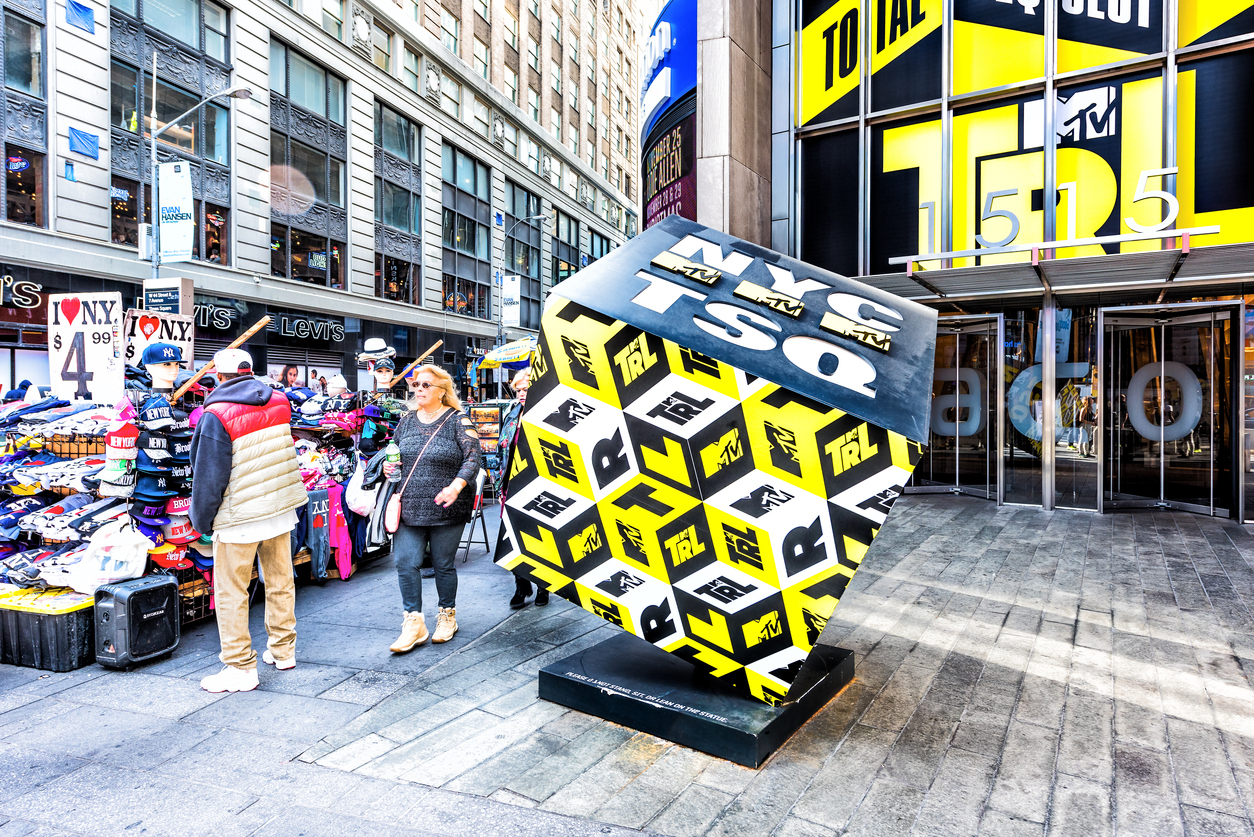
Music programming adapted too. Total Request Live (TRL) brought back fan interaction, turning countdowns into live events hosted in Times Square. Even as reality took over, MTV still managed to stay connected to its roots through artists and trends that defined each new generation.
The Digital Age and the End of the Music Video Era
The 2000s brought major change. As YouTube and social media emerged, viewers no longer needed MTV to see music videos. Fans could watch anything, anytime, anywhere. The network tried to adapt with new shows and digital platforms, but the original format that made MTV iconic faded into nostalgia.
Still, its influence lingered. The visual style of early music videos shaped how artists now approach online content. The energy of TRL lives on in today’s live-streamed releases. And the idea of connecting fans directly with artists continues through platforms like TikTok and Instagram.
MTV’s Legacy and Lasting Impact
Even if MTV no longer plays wall-to-wall music videos, its legacy runs deep. It changed the way musicians build their careers, how brands connect with youth, and how visual media defines pop culture. MTV gave the world a new way to experience music, one that blended creativity, performance, and emotion into something unforgettable.
For those who grew up watching it, MTV wasn’t just background noise. It was the rhythm of everyday life—an endless stream of sound, style, and imagination that captured what it meant to be young and curious in a changing world.
Where MTV Stands Today
MTV today looks very different from the channel that launched in 1981. It’s no longer the 24-hour music video destination that once ruled cable TV, but it still plays a role in shaping entertainment. The network now focuses on reality and competition shows, award specials, and digital content designed for a new generation that lives online.
While the way people watch music has changed, the spirit of MTV never really disappeared. Its mix of style, creativity, and rebellion lives on in social media, streaming platforms, and the visual storytelling that defines today’s artists. The logo, once a symbol of a youth revolution, now carries a sense of nostalgia for those who remember its early chaos and excitement.
MTV may have evolved with the times, but its influence remains permanent. It taught audiences that music could move beyond sound—into image, emotion, and shared experience—and that lesson continues to echo through every beat and every screen.