

Specialized beauty pageants have carved unique spaces in the industry by prioritizing cultural expression, community advocacy, and personal empowerment. Unlike traditional global competitions, these pageants focus on celebrating diversity and fostering individual growth.
From showcasing national heritage to mentoring young leaders, these platforms provide opportunities for contestants and their communities to gain visibility.
As pageantry evolves, competitions like Most Beautiful Girl in Nigeria (MBGN) and Miss Teen USA are redefining beauty standards and transforming cultural differences into strengths. Their emphasis on inclusivity, digital innovation, and social impact reflects a shift toward relevance in a rapidly changing world.
Key Takeaways
- MBGN and Teen USA showcase cultural identity and youth empowerment in modern pageantry.
- Revenue streams include entry fees, sponsorships, and digital platforms, supporting diverse operations.
- Digital innovations and social media are vital to audience engagement and transparency.
- Titleholders lead advocacy projects, redefining beauty as purposeful and inclusive.
- Emerging trends like hybrid formats and sustainability shape the future of specialized pageants.
The Rise of Cultural Identity in Niche Pageant Brands
Niche pageant brands have emerged as cultural powerhouses, offering platforms where contestants express their identities authentically. These competitions go beyond superficial beauty, focusing instead on how participants embody their communities’ values and traditions. By highlighting ethnic attire, traditional performances, and cultural advocacy, these pageants challenge Eurocentric norms and celebrate unique heritage.
In these spaces, contestants actively reclaim cultural narratives, using their platforms to amplify marginalized voices. Much like 1960s counterculture movements, these events foster self-expression and invite critical conversations about race, gender, and representation. They have become arenas for both personal transformation and cultural diplomacy.
Much like the Flower Children of the 1960s who gathered in major cities to express their countercultural values, these pageants create spaces for authentic self-expression.
Behind the Scenes: How MBGN Celebrates Nigerian Heritage
View this post on Instagram
The Most Beautiful Girl in Nigeria (MBGN) pageant stands as a leading example of cultural celebration in pageantry. Contestants don elaborate attire inspired by Nigeria’s diverse ethnic groups, incorporating symbolic patterns, beadwork, and textiles rooted in Yoruba, Igbo, and Hausa-Fulani traditions. Performances often include traditional dances and music, creating a vibrant showcase of Nigeria’s cultural wealth.
Founded in 1986 by Ben Murray-Bruce, MBGN has grown from humble beginnings into a national institution.
In 2023, it was restructured into Miss Universe Nigeria and Miss World Nigeria to better align with global franchises while maintaining its commitment to cultural authenticity. Titleholders serve as cultural ambassadors, promoting heritage initiatives and representing Nigeria on international stages.
The pageant’s emphasis on cultural celebration reminds many of how The Beatles’ arrival in America in 1964 transformed global cultural exchange.
Teen USA’s Strategy for Empowering Young Contestants
Miss Teen USA has positioned itself as a leadership platform for youth, emphasizing personal growth and advocacy. Contestants participate in mentorship programs, community service initiatives, and skill-building workshops that help them develop confidence beyond physical appearance. Programs like Beautifully Confident encourage teens to embrace individuality and authenticity.
While contestants must still meet traditional eligibility requirements, the organization has made strides in promoting inclusivity and diversity. By connecting participants with causes such as the Special Olympics and local outreach programs, Teen USA cultivates a new generation of leaders ready to challenge stereotypes and inspire positive change.
Revenue Models: How Specialized Pageants Stay Competitive
Specialized pageants sustain themselves through diversified revenue streams tailored to their audience and scale. Entry fees, typically ranging from $500–$1,000, form a significant portion of their income. Many organizations also offer professional coaching services, with average hourly rates between $50 and $100 depending on location and expertise.
Sponsorships and media rights provide additional financial support, enabling organizers to offer prizes and scholarships. Merchandise sales, ticketed events, and digital streaming platforms have further expanded revenue potential. By partnering with marketing agencies, these brands effectively align their values with corporate sponsors to reach target demographics.
Digital Transformation in the Pageant Industry
Pageants are embracing technology to stay relevant in the digital age. AI-powered scoring systems, virtual auditions, and cloud-based contestant management have streamlined operations and improved transparency. These innovations became especially vital during the COVID-19 pandemic, which accelerated the adoption of hybrid and fully virtual events.
Social media platforms like Instagram and TikTok have become essential tools for audience engagement. Pageants now leverage analytics to tailor content and expand their reach, particularly among younger viewers. Digital transformation is no longer optional—it’s central to the survival and growth of specialized pageant brands.
The Social Impact Factor: Causes That Define Modern Pageants
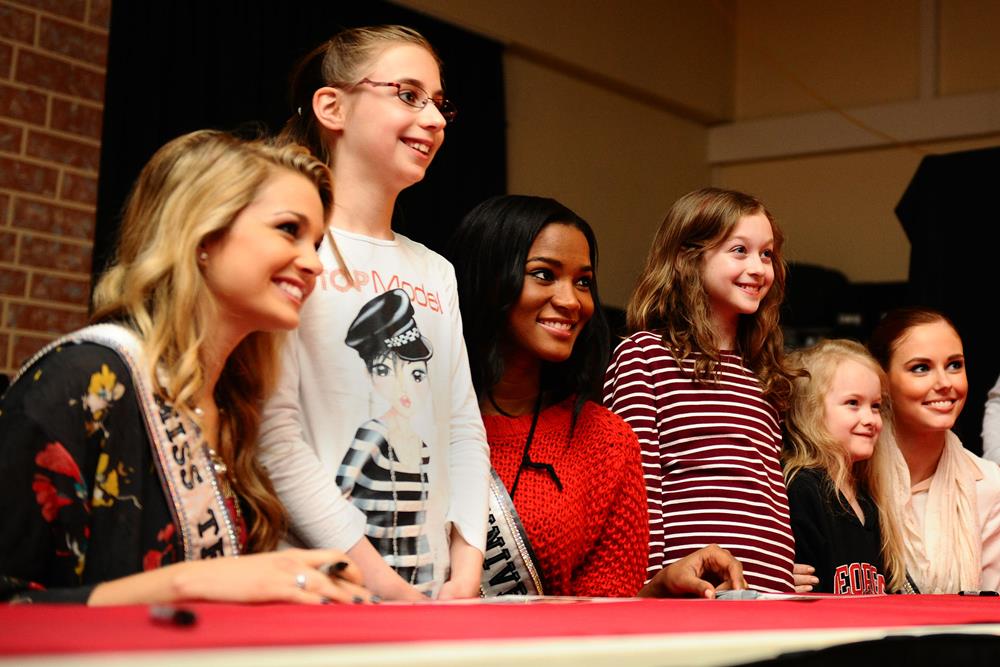
Modern pageants increasingly prioritize advocacy and measurable community impact. Titleholders are expected to lead initiatives addressing issues like women’s rights, education, and environmental sustainability. Their projects often form part of their official scoring, ensuring that beauty is paired with purpose.
This shift reflects a broader redefinition of pageantry as a force for social good. Programs like MBGN’s cultural heritage outreach and Teen USA’s youth empowerment initiatives demonstrate how contestants use their platforms to drive meaningful change within and beyond their communities.
Audience Demographics: Who’s Watching Niche Pageants?
The audience for niche pageants is diverse, with younger demographics (ages 18–34) engaging heavily through social media. Events like MBGN attract strong interest from the Nigerian and African diaspora, while Teen USA appeals to American families invested in youth development and scholarship opportunities.
Contrary to stereotypes, these audiences include both men and women, with engagement often driven by cultural pride and personal connections to the contestants. Social media trends show that nearly 80% of pageant enthusiasts actively follow contestants online, amplifying their reach and impact globally.
Future Outlook: Emerging Trends for Specialized Pageant Brands
Specialized pageants are innovating to meet the demands of modern audiences. Hybrid event formats, real-time voting apps, and sustainability initiatives are reshaping the landscape. For example, biodegradable sashes and digital programs are replacing traditional materials to reduce environmental impact.
Fashion trends in pageantry are also evolving, with designers introducing avant-garde elements that reflect cultural identity while appealing to global audiences. As these brands forge international partnerships and diversify contestant pools, they continue redefining beauty as inclusive, dynamic, and socially conscious.