

For years, minimalism dominated design, fashion, and lifestyle trends. Clean lines, neutral colors, uncluttered spaces, and carefully curated aesthetics became the standard across social media and popular culture. Recently, however, a very different style has been making a comeback. Known as “messy maximalism,” this trend embraces abundance, personality, and visual complexity rather than restraint.
Messy maximalism celebrates collections, bold colors, layered patterns, sentimental objects, and spaces that feel lived in rather than perfectly organized. Instead of striving for simplicity, it encourages people to surround themselves with things they genuinely enjoy. The movement reflects a growing desire for individuality in a world where many interiors, wardrobes, and online profiles have begun to look remarkably similar.
What Is Messy Maximalism?
Traditional maximalism has long embraced bold design, but messy maximalism takes the concept a step further. Rather than creating carefully planned displays of luxury or excess, it welcomes imperfections, eclectic combinations, and a certain degree of visual chaos. The style values personality over polish and encourages people to surround themselves with objects that genuinely reflect their interests and experiences.
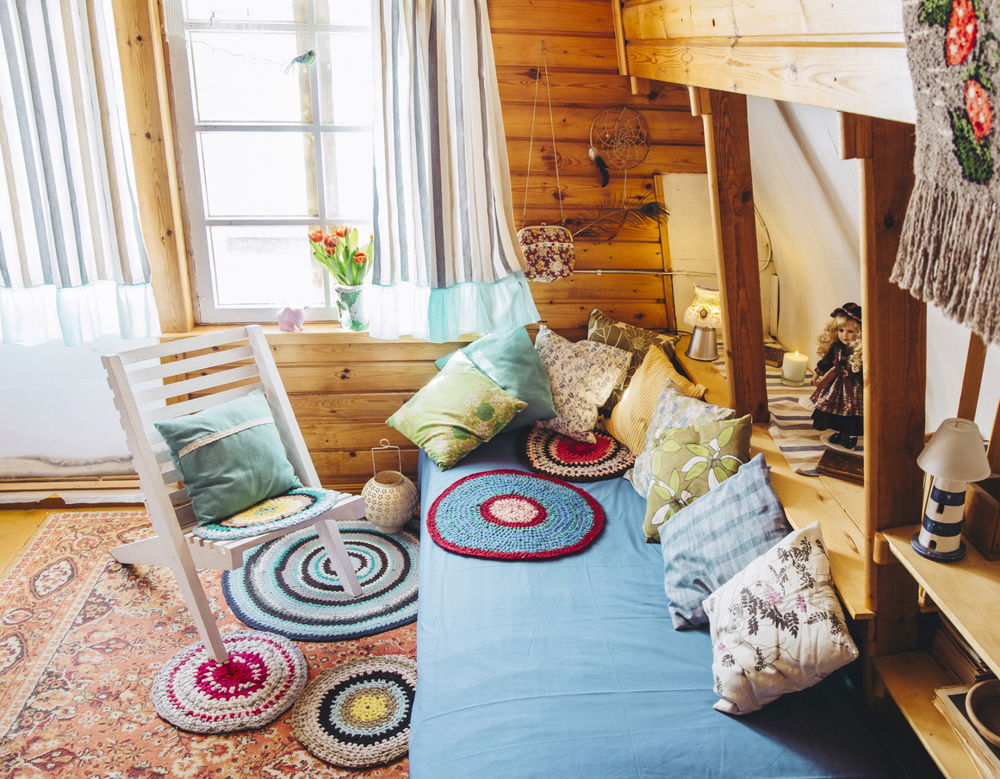
A messy maximalist room might feature books stacked in multiple places, walls covered with artwork, shelves packed with collectibles, and furniture gathered from different eras. Colors, textures, and decorative styles often coexist in ways that would seem unconventional in more minimalist spaces. The goal is not perfection but personality, with every object contributing to a story about the person who lives there.
This approach stands in sharp contrast to minimalist interiors, where empty surfaces and strict organization often take priority over personal display. Messy maximalism embraces the idea that a home should feel lived in and expressive rather than carefully staged, making individuality one of its defining features.
A Reaction Against Minimalism
Many trend cycles emerge as reactions to what came before them, and messy maximalism is no exception. After years of white walls, neutral palettes, uncluttered shelves, and highly curated interiors, some people began feeling that minimalist spaces lacked warmth, character, and individuality. What once felt refreshing eventually started to feel repetitive.
Social media contributed significantly to this shift. As countless homes adopted nearly identical aesthetics, many consumers started searching for ways to make their environments feel more unique and personal. The clean, simplified look that dominated design platforms began to seem less like self-expression and more like conformity.
Messy maximalism offers an alternative by encouraging people to embrace the objects, colors, collections, and memories that make their spaces distinctive. Rather than hiding personal belongings to achieve a particular look, the trend celebrates them as important parts of a home’s identity.
Social Media Helped Fuel the Trend
Ironically, the same platforms that popularized minimalism have helped drive the rise of messy maximalism. TikTok, Instagram, and Pinterest are now filled with creators showcasing colorful rooms, overflowing bookshelves, gallery walls, vintage collections, and highly personalized interiors that reject conventional design rules.
Viewers often respond positively because these spaces feel authentic and lived-in. Rather than presenting an image of perfection, messy maximalist environments appear approachable and realistic. They reflect actual hobbies, interests, and lifestyles rather than carefully edited versions of everyday life.
As these images spread online, they inspire others to experiment with their own spaces and challenge traditional design expectations. Social media has transformed messy maximalism from a niche aesthetic into a widely recognized movement embraced by people seeking more creative and personal living environments.
Nostalgia Plays a Major Role
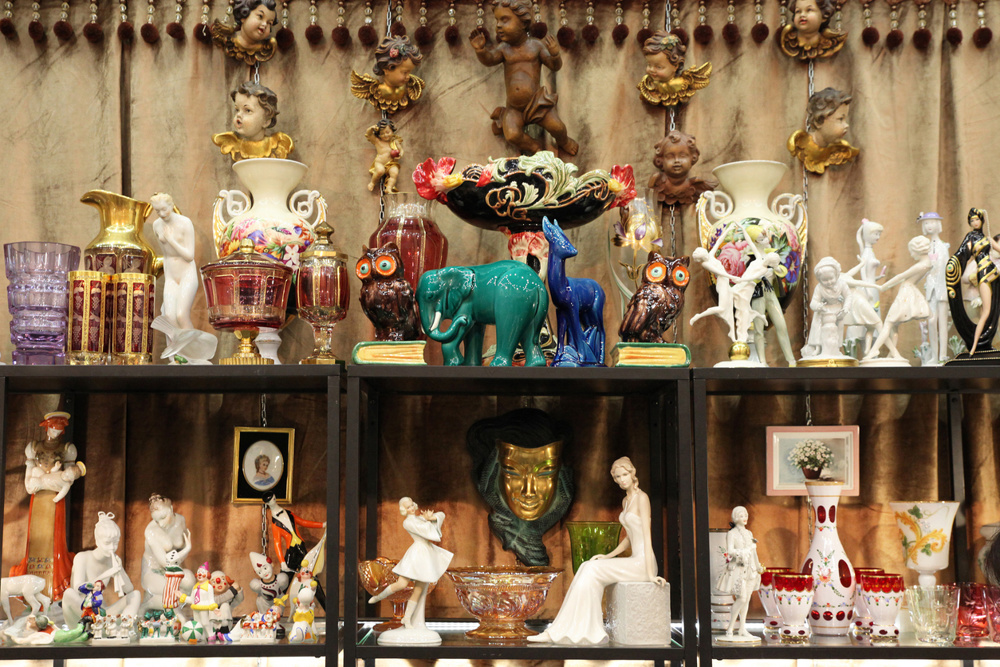
Much of messy maximalism is rooted in nostalgia. Vintage furniture, childhood collectibles, retro décor, old photographs, and secondhand finds frequently play important roles within the aesthetic. Many of the objects displayed are valued not for their monetary worth but for the memories and emotions they represent.
People increasingly seek comfort in familiar objects and cultural references, particularly during periods of uncertainty. Displaying personal collections and sentimental items allows individuals to create spaces filled with emotional significance. These items often tell stories about family history, favorite hobbies, or important life experiences.
This emphasis on nostalgia helps explain why messy maximalism often feels warm and inviting despite its visual complexity. Instead of appearing cluttered, successful maximalist spaces feel deeply personal because every object contributes to a larger narrative about the people who inhabit them.
Collecting Is Back in Style
For years, decluttering trends encouraged people to reduce possessions and eliminate anything that was not considered essential. Messy maximalism embraces a very different philosophy by celebrating collections, hobbies, and personal interests. Objects are no longer viewed as unnecessary clutter but as meaningful expressions of identity.
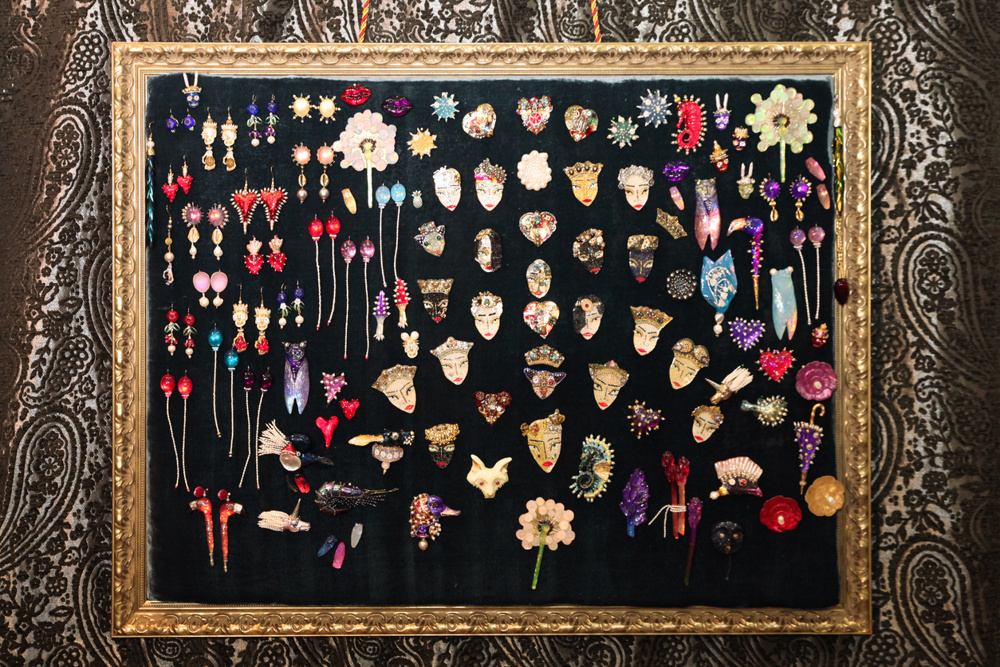
Books, records, action figures, postcards, ceramics, vintage clothing, and countless other items are proudly displayed rather than hidden away. These collections become part of a room’s visual identity and often serve as conversation starters. They transform living spaces into reflections of individual passions and experiences.
The trend reflects a growing appreciation for personal interests and the stories attached to physical objects. In an increasingly digital world, many people find value in surrounding themselves with tangible items that carry memories, meaning, and a sense of connection to their lives and interests.
Fashion Embraces the Same Energy
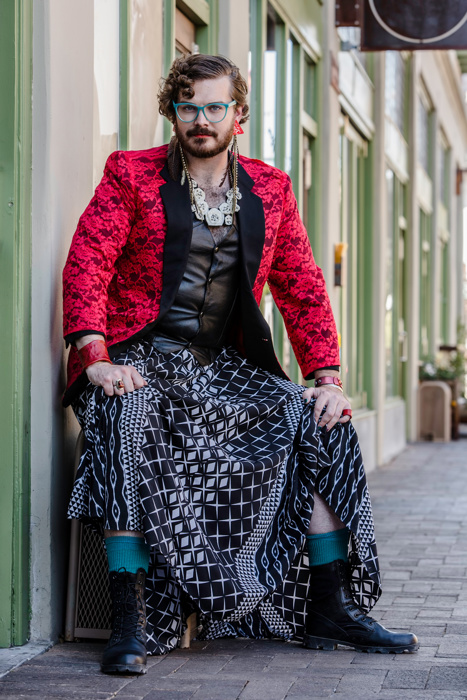
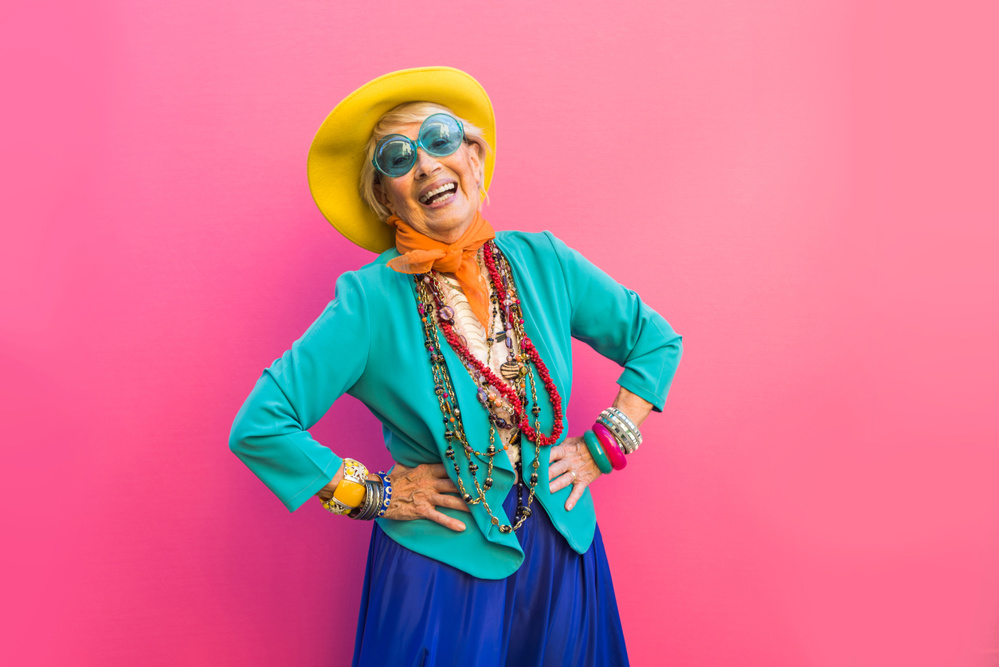
The influence of messy maximalism extends well beyond interior design. Fashion has also moved toward bolder combinations, layered accessories, mixed patterns, and expressive styling choices that prioritize personality over strict coordination. The trend encourages people to experiment with clothing rather than follow rigid fashion rules.
Many contemporary styles embrace unexpected combinations. Vintage pieces may be paired with luxury items, bright colors mixed with contrasting prints, and accessories layered in ways that would once have been considered excessive. The goal is not achieving perfect balance but creating a look that feels distinctive and personal.
Just as maximalist interiors reject uniformity, maximalist fashion celebrates individuality and creativity. It allows people to showcase their interests, influences, and personal tastes through clothing, making self-expression more important than following established trends.
The Appeal of Visual Abundance
Part of messy maximalism’s appeal lies in its richness and complexity. Every corner of a room offers something interesting to discover, whether it is a piece of artwork, a travel souvenir, a stack of books, or a treasured collection accumulated over many years.
This abundance creates an experience that differs significantly from minimalist design. Rather than emphasizing empty space and visual restraint, maximalist environments reward curiosity and exploration. Visitors often notice new details each time they enter a room, creating a sense of depth and personality.
For many people, this constant sense of discovery makes spaces feel more engaging and alive. Instead of appearing static or carefully staged, maximalist rooms often feel dynamic, evolving, and deeply connected to the lives of the people who inhabit them.
Sustainability Encourages Maximalism
The rise of secondhand shopping has also contributed to the popularity of messy maximalism. Thrift stores, vintage markets, estate sales, and online resale platforms provide access to unique items that help people create highly personalized environments without relying entirely on new purchases.
Rather than purchasing matching furniture sets or replacing décor every time trends change, many maximalists prefer mixing old and new pieces collected gradually over time. This approach allows homes to develop organically while reducing unnecessary consumption and waste.
As interest in sustainability grows, the appeal of collected and curated spaces continues to increase. Many people appreciate the idea of giving older items new life, creating homes that feel both environmentally conscious and visually distinctive.
Why Younger Generations Are Drawn to It
Many younger consumers are embracing messy maximalism because it offers greater freedom for self-expression. Rather than following strict decorating rules or trying to recreate identical online aesthetics, they can build spaces that reflect their interests, personalities, and experiences.
Gen Z in particular has shown enthusiasm for decorating with books, posters, collectibles, plants, vintage finds, vinyl records, and nostalgic pop-culture references. These items help transform living spaces into personal statements that communicate identity and individuality. Rooms become reflections of hobbies, memories, and creative interests rather than carefully curated showrooms.
The trend aligns with a broader preference for authenticity over perfection. Younger generations often value spaces that feel real, lived-in, and meaningful, making messy maximalism a natural fit for an era that increasingly celebrates personal expression and uniqueness.
View this post on Instagram
Critics and Challenges
Despite its popularity, messy maximalism is not without criticism. Some observers argue that the style can become cluttered, overwhelming, or difficult to maintain if taken to extremes. What one person views as a vibrant and personality-filled environment, another may see as disorganized or visually exhausting.
Without thoughtful organization, a maximalist space can quickly lose its visual coherence. Too many competing colors, patterns, or decorative objects can make a room feel chaotic rather than inviting. The challenge lies in balancing abundance with enough structure to ensure that individual pieces complement one another instead of competing for attention.
Successful messy maximalism often requires careful curation, even when the final result appears effortless and spontaneous. The most effective spaces typically reflect deliberate choices about what to display and how to arrange it, proving that even a seemingly chaotic aesthetic benefits from thoughtful planning.
More Than a Design Trend
Messy maximalism represents more than a simple change in decorating preferences. It reflects a broader cultural shift toward personalization, nostalgia, and visible self-expression in an era when many people are seeking ways to distinguish themselves from increasingly standardized aesthetics.
Rather than presenting an idealized version of perfection, the trend embraces individuality and lived experience. It encourages people to celebrate the books they love, the souvenirs they have collected, the artwork they admire, and the memories attached to everyday objects. Personal history becomes an important part of the design itself.
In this sense, messy maximalism is as much about identity as it is about design. The movement suggests that a home should tell a story about the people who live there, making self-expression more important than achieving a flawless or trend-driven appearance.
Why Messy Maximalism Is Here to Stay
Like all trends, messy maximalism will eventually evolve. However, its underlying appeal seems likely to endure because it satisfies a deeply human desire for personal expression and meaningful surroundings. Unlike trends built primarily on aesthetics, maximalism is rooted in emotional connection and individuality.
People naturally collect memories, interests, and objects that reflect who they are. A style that encourages displaying those things openly offers something many modern design movements have struggled to provide: a sense of warmth, authenticity, and personal history. Rather than asking people to remove evidence of their lives, messy maximalism encourages them to celebrate it.
As long as individuals continue seeking spaces that feel personal rather than perfect, messy maximalism will remain an influential force in contemporary culture. Its emphasis on creativity, nostalgia, and self-expression ensures that its core ideas will continue shaping interiors, fashion, and lifestyle trends for years to come.
Conclusion
The return of messy maximalism marks a significant shift away from the minimalist ideals that dominated much of the past decade. By embracing collections, color, nostalgia, and personal expression, the trend encourages people to create spaces that feel uniquely their own.
Its popularity reflects changing attitudes toward design, consumption, and identity. Rather than valuing perfection above all else, many people now prefer environments filled with character, memories, and visual interest. In a world increasingly shaped by uniform digital aesthetics, messy maximalism offers something refreshing: permission to be expressive, eclectic, and unapologetically personal.