

Few fashion pieces have evolved as elegantly as the pink slip dress. What began as a minimalist lingerie-inspired silhouette eventually transformed into one of fashion’s most versatile and glamorous wardrobe staples. Over the decades, the pink slip dress has shifted effortlessly between understated sophistication and full Hollywood drama.
Part of the dress’s enduring appeal comes from its remarkable flexibility. Depending on the fabric, styling, and era, it can feel delicate and romantic, sleek and modern, or boldly seductive. From the stripped-back minimalism of the 1990s to today’s flowing red carpet interpretations, the pink slip dress has repeatedly proven that simplicity can often create the strongest visual impact.
The Origins of the Slip Dress Aesthetic
Few garments blurred the line between underwear and outerwear more dramatically than the slip dress. Inspired by traditional slips worn beneath dresses during the early twentieth century, designers gradually transformed the intimate silhouette into legitimate eveningwear. Satin fabrics, thin straps, and body-skimming cuts gave the style a softness that felt both relaxed and quietly daring.
The appeal of the slip dress came largely from its refusal to rely on heavy structure or excessive decoration. Unlike formal gowns with layers of tailoring and embellishment, the slip dress embraced fluidity and restraint. Its elegance came from movement, fabric, and silhouette rather than ornamentation. That minimalist philosophy eventually became one of the defining aesthetics of modern fashion.
What made the design especially influential was its versatility. A slip dress could appear understated during the day or effortlessly glamorous at night depending on styling choices. That adaptability allowed the silhouette to survive changing fashion trends while remaining consistently relevant across decades.

Source: yarissvntg
Why Pink Became the Perfect Slip Dress Color
Few colors transformed the mood of the slip dress as effectively as pink. While black versions emphasized sleek minimalism and white variations leaned toward romantic purity, pink introduced softness, warmth, and playful femininity. Different shades of pink also allowed the dress to shift dramatically in personality, ranging from delicate blush tones to bold hot pink statements.
The color worked especially well with satin and silk fabrics because light reflected gently across the surface, enhancing the dress’s fluid appearance. Pale pink shades often created an almost glowing effect under evening lighting, giving the garment a dreamy and luxurious quality. Brighter pink tones, meanwhile, added confidence and theatricality without sacrificing elegance.
What made pink especially enduring was its emotional versatility. Depending on the styling, the same pink slip dress could feel youthful, sophisticated, flirtatious, or highly glamorous. That range helped the garment appeal to multiple fashion eras without becoming locked into a single identity.
The 1990s Minimalist Revolution
Few decades embraced the slip dress more completely than the 1990s. During an era dominated by minimalist fashion, designers stripped eveningwear down to its simplest possible form. Supermodels and actresses appeared in sleek satin slip dresses with barely-there straps, clean silhouettes, and almost no accessories. The look felt modern, effortless, and quietly rebellious compared to the structured glamour of previous decades.
Pink slip dresses became especially popular because they softened minimalism without losing sophistication. Celebrities often paired pale pink satin dresses with natural makeup, delicate jewelry, and understated hairstyles, allowing the silhouette itself to remain the focus. The simplicity of the styling created an elegance that felt relaxed rather than overly polished.
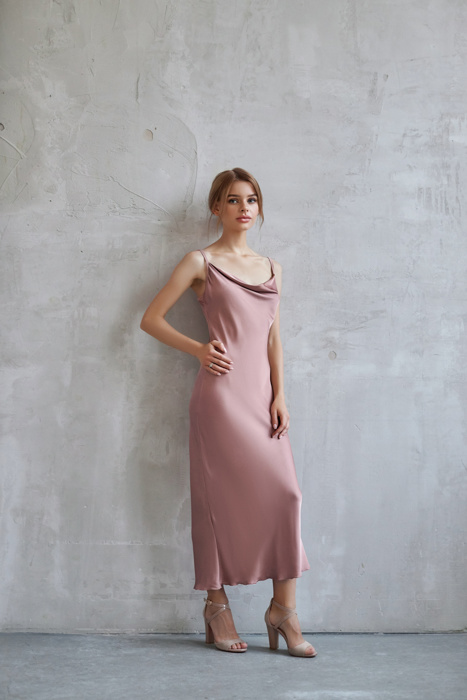
What made the 1990s interpretation so influential was its confidence in restraint. The dresses relied on cut, texture, and attitude rather than dramatic embellishment. That minimalist approach continues shaping modern red-carpet fashion and remains one of the most recognizable aesthetics associated with the decade.
From Runways to Red Carpets
Few fashion pieces transitioned to red carpet glamour as naturally as the pink slip dress. Designers gradually expanded the silhouette into more dramatic eveningwear by incorporating luxurious fabrics, flowing trains, plunging necklines, and shimmering embellishments. Despite these additions, the dress usually retained the clean lines and fluid movement that originally defined the style.
Modern celebrities frequently use pink slip dresses to balance elegance with effortlessness. The silhouette photographs beautifully because satin and silk catch light softly while maintaining movement and shape. Whether styled with diamonds and dramatic heels or kept intentionally minimal, the dress continues to project a sense of understated luxury that feels timeless on camera.
What makes the pink slip dress especially effective on red carpets is its emotional contrast. The softness of pink offsets the sensuality of the silhouette, creating a look that feels romantic rather than overly severe. That balance allows the dress to remain visually striking without appearing overly complicated or forced.
The Influence of Celebrity Fashion
Few garments benefited from celebrity influence more than the pink slip dress. From supermodels in the 1990s to modern Hollywood stars, celebrity styling helped transform the dress into a recurring fashion icon. High-profile appearances repeatedly reintroduced the silhouette to new audiences and ensured its continued relevance across generations.
The dress became particularly associated with effortless glamour because celebrities often styled it with surprising simplicity. Instead of relying on extravagant accessories, many appearances focused on clean makeup, soft hair, and minimal jewelry. That styling philosophy reinforced the idea that the slip dress itself was strong enough to carry an entire look without excessive decoration.
What made celebrity influence especially powerful was the dress’s adaptability across personalities and aesthetics. Different wearers could make the same silhouette feel romantic, edgy, vintage-inspired, or boldly modern. That flexibility helped the pink slip dress avoid becoming tied to a single trend or fashion moment.
View this post on Instagram
Modern Interpretations of the Pink Slip Dress
Few classic garments have adapted to contemporary fashion as smoothly as the pink slip dress. Modern designers continue experimenting with fabrics, cuts, layering, and textures while preserving the silhouette’s minimalist foundation. Some versions embrace vintage-inspired satin elegance, while others introduce asymmetrical tailoring, sheer panels, or bold structural details.
The rise of street style also expanded how the dress could be worn outside formal settings. Fashion enthusiasts began pairing slip dresses with oversized jackets, sneakers, boots, and layered knitwear, transforming what was once considered eveningwear into an everyday fashion piece. That versatility helped the garment remain relevant far beyond special occasions.
What makes the modern pink slip dress especially enduring is its ability to evolve without losing its identity. Even when designers reinterpret the silhouette through contemporary trends, the essential appeal remains unchanged: simplicity, fluidity, and effortless elegance.
The Rise of Satin and Silk Luxury
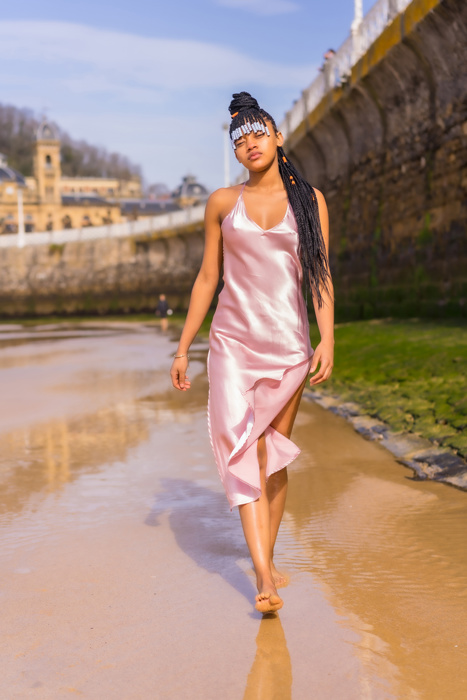
Few fabrics became more closely associated with the pink slip dress than satin and silk. These materials helped define the garment’s signature look by emphasizing softness, movement, and subtle sensuality. Unlike heavier fabrics that rely on structure, satin and silk allowed the dress to flow naturally with the body, creating an appearance that felt effortless and elegant at the same time.
The reflective quality of these fabrics also transformed how the dress appeared under different lighting conditions. Soft pink satin could look understated during daylight while appearing luminous and glamorous at night. Designers frequently used this effect to create dresses that felt visually luxurious without requiring excessive embellishment or dramatic tailoring.
What made these fabrics especially important was their ability to elevate minimalism itself. A simple slip dress design could suddenly feel couture-level sophisticated purely because of texture and movement. That relationship between fabric and silhouette became one of the defining elements of the dress’s lasting appeal.
How the Pink Slip Dress Became a Bridal Fashion Trend
Few modern bridal trends gained popularity as quickly as the satin slip dress silhouette. As contemporary weddings began moving away from heavily structured gowns, many brides embraced softer and more minimalist designs inspired by classic slip dresses. Pale blush and soft pink variations became especially fashionable for receptions, after-parties, and nontraditional ceremonies.
The simplicity of the silhouette offered a more relaxed form of elegance compared to traditional bridal wear. Thin straps, flowing fabrics, and minimal detailing created a look that felt romantic without appearing overly formal. Many brides also appreciated how easily the dresses could be styled differently through jewelry, veils, gloves, or dramatic footwear.
What made the trend especially influential was its connection to modern ideas of understated luxury. Rather than focusing entirely on volume and embellishment, the slip dress emphasized confidence, movement, and personal style. That shift reflected broader changes in contemporary bridal fashion toward cleaner and more wearable aesthetics.
The Influence of 2000s and Y2K Fashion
Few fashion revivals have brought the pink slip dress back into mainstream culture as strongly as the return of Y2K aesthetics. During the late 1990s and early 2000s, celebrities frequently wore silky pink slip dresses paired with rhinestones, tiny handbags, glossy makeup, and strappy heels. The look combined minimalist silhouettes with playful pop-star glamour.
Modern fashion trends have heavily revisited this era, reintroducing pastel satin dresses, lace-trimmed slips, and layered styling inspired by early 2000s celebrity fashion. Social media platforms helped accelerate the revival by celebrating vintage-inspired looks that blend nostalgia with contemporary styling. Younger audiences embraced the slip dress again because it felt both retro and timeless simultaneously.
What makes the Y2K influence especially interesting is how naturally it fits with current fashion cycles. The slip dress already possessed a clean and adaptable silhouette, making it easy to reinterpret through modern accessories and updated styling choices. That flexibility allowed the trend to return without feeling outdated.
View this post on Instagram
Why the Pink Slip Dress Remains Timeless
Few fashion staples manage to survive changing trends as consistently as the pink slip dress. While countless silhouettes disappear as styles evolve, the slip dress continues returning because its appeal is rooted in simplicity rather than novelty. The design avoids excessive detailing, allowing it to adapt naturally to different decades and fashion movements.
Its versatility also plays a major role in its longevity. The same dress can appear elegant, romantic, bold, or casual depending on styling choices and fabric selection. Layered under oversized jackets, paired with sneakers, or styled with couture accessories, the silhouette adjusts effortlessly without losing its core identity.
What ultimately makes the pink slip dress timeless is its balance between softness and confidence. It feels glamorous without being restrictive and minimal without feeling plain. That rare combination ensures the dress continues resonating with designers, celebrities, and everyday fashion enthusiasts alike.
Conclusion
The pink slip dress has survived changing fashion eras because it understands the power of restraint. Its clean silhouette, soft movement, and emotional versatility allow it to shift effortlessly between minimalist chic and full red carpet glamour without ever feeling outdated. Few garments balance sensuality and sophistication so naturally.
As fashion continues cycling between maximalism and minimalism, the pink slip dress remains uniquely positioned to thrive in both worlds. Whether styled casually for modern streetwear or elevated into dramatic couture, its timeless simplicity ensures it will continue evolving while remaining one of fashion’s most enduring icons.