

Before smartphones lived permanently in everyone’s hands, there was the pager. Tiny, loud, clipped to belt loops, and impossible to ignore, beepers turned communication into a full social performance. And when pink pagers entered the picture? That’s when technology became fashion.
Covered in rhinestones, dangling charms, glitter stickers, and translucent cases, pink pagers weren’t just practical devices—they were accessories with attitude. In the late ’90s and early 2000s, carrying one meant you were connected, busy, and part of a culture obsessed with visibility, style, and constant social motion.
The Pager Before the Smartphone
Pagers originally developed as practical communication devices used by doctors, emergency workers, and business professionals. Their primary function was simple: alert the user that someone was trying to contact them, usually through a numeric message or callback number.
By the 1990s, however, pagers had moved far beyond professional use. Teenagers, musicians, club promoters, retail workers, and students increasingly adopted them as part of everyday social life. They represented mobility in a period before affordable cellphones became widespread.
This mattered culturally because pagers introduced the idea of constant availability. People no longer needed to remain near landlines to stay connected. Even though pagers were technologically limited compared to modern devices, they carried enormous symbolic value at the time. Owning one suggested social activity, independence, and modernity.
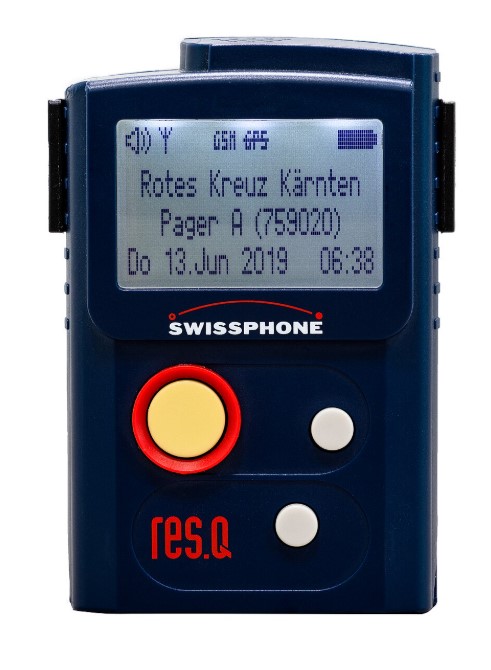
Florian Fuchs/Wikipedia/CC-BY-SA 4.0, Swissphone RES.Q Hybrid with GSM and GPS module, CC BY-SA 4.0
Why Pink Became the Defining Color
Pink pagers became especially popular because they aligned perfectly with the aesthetics of late-1990s and early-2000s youth culture. Technology was no longer expected to appear purely functional or corporate. Devices increasingly reflected personality and style.
Unlike the muted tones associated with office equipment, pink suggested visibility and individuality. Bright fuchsia, bubblegum pink, translucent rose tones, and glitter finishes transformed pagers into fashion accessories rather than neutral tools.
The color also fit seamlessly into the broader Y2K aesthetic emerging during the era. Metallic fabrics, glossy lip gloss, butterfly clips, rhinestones, inflatable furniture, and brightly colored electronics all shared the same fascination with playful futurism and visible self-expression. A pink pager did not blend into an outfit—it completed it.
Bedazzling Turned Technology Into Fashion
One of the most defining aspects of pager culture was customization. Owners rarely left their devices untouched. Pagers became decorated objects covered in rhinestones, glitter stickers, gems, decals, and dangling charms.
This process reflected a larger trend in late-1990s fashion where personalization became central to style. Mass-produced objects were expected to carry visible individuality. The goal was not minimalism—it was a recognizable personality. Pink pagers especially encouraged embellishment because their bright surfaces already resembled fashion accessories.
Rhinestones amplified the theatricality of the device, turning something technological into something glamorous and socially performative. The pager became less about communication itself and more about presentation. Pulling it out publicly became part of the performance.
View this post on Instagram
The Social Drama of Getting Paged
Part of what made pagers culturally powerful was the visibility of communication itself. Unlike modern smartphones, which quietly vibrate inside pockets, pagers announce activity publicly through beeps, vibrations, and flashing screens.
Receiving a page in public created immediate social drama. Someone was trying to reach you. Someone considered you important enough to contact immediately. This visibility transformed communication into performance.
People checked screens dramatically, rushed to nearby payphones, or decoded numeric pager messages in real time. Entire social rituals formed around these interactions. The pager made connection feel urgent and noticeable in ways modern communication often no longer does.
Numeric Codes Became a Secret Language
Pager culture also introduced its own coded communication system. Because many pagers displayed only numbers, users developed shorthand numeric messages that carried emotional or social meaning.
Codes like “143” (“I love you”), “911” (urgent), or “07734” (which resembled “hello” upside down) became widely recognizable among young users. This transformed pagers into devices that encouraged playful secrecy and insider communication.
The limitations of the technology actually strengthened its cultural appeal. Because messaging space was restricted, communication became condensed into symbols, codes, and shared references. This created a sense of exclusivity and community that felt distinctly pre-social-media.
View this post on Instagram
Hip-Hop and Pop Culture Made Pagers Stylish
Music culture played a major role in turning pagers into fashion statements. Throughout the 1990s, hip-hop artists frequently referenced pagers in lyrics, music videos, and public appearances. Beepers became associated with social movement, nightlife, hustle culture, and visibility.
At the same time, teen pop culture helped normalize brightly colored and customized devices among younger audiences. Television shows, mall culture, and celebrity fashion increasingly framed portable technology as part of personal style.
Pink pagers existed at the intersection of these influences. They carried the social importance associated with communication technology while also functioning as visibly fashionable accessories. This crossover between technology and style became a defining characteristic of the Y2K era more broadly.
Accessories Became Part of the Pager Look
The pager itself was only part of the aesthetic. Clips, chains, holders, charms, and translucent carrying cases became equally important to the overall look. Many users attached pagers visibly to low-rise jeans, metallic handbags, or brightly colored belts.
Others coordinated pager colors with nail polish, lip gloss, platform sneakers, or butterfly hair clips, turning the device into another carefully styled accessory within the outfit. This emphasis on coordination reflected the highly accessorized nature of late-1990s fashion culture.
Technology was not expected to disappear into everyday life invisibly. It was expected to contribute to the visual identity of the outfit itself. The pink pager became wearable technology before that phrase even existed. Customization also made pagers feel personal in a way modern devices often do not.
View this post on Instagram
The Pager as a Status Symbol
Before affordable cellphones became common, pagers represented accessibility and social importance. Owning one suggested that people needed to reach you regularly. Even if the messages themselves were casual, the device carried an aura of busyness and connection.
For teenagers especially, pagers symbolized independence. They allowed communication outside the family landline system and created a sense of personal mobility that felt exciting during the era. Bright pink versions amplified that visibility further. They turned the pager from a simple communication tool into a highly recognizable social object. Technology itself became aspirational.
This visibility made pagers feel connected to popularity and social movement. In schools, malls, concerts, and nightlife scenes, carrying a pager suggested involvement in a wider network of people and activity. The device implied that your social life extended beyond the immediate space you occupied.
The Transition to Cellphones
By the early 2000s, cellphones rapidly began replacing pagers as mobile communication became more advanced and affordable. Flip phones combined paging, calling, and eventually texting into a single device, reducing the need for separate beepers entirely.
Yet many of the aesthetic ideas associated with pager culture carried directly into early cellphone styling. Bright colors, rhinestone cases, dangling charms, and visible customization remained central to Y2K technology fashion. The pager era helped establish the idea that communication devices could reflect identity rather than functioning purely as neutral tools. That influence never fully disappeared.
Early flip phones inherited much of the pager’s performative energy. Like pagers, they were designed to be seen. Metallic pink Razrs, translucent Nokia models, glittery faceplates, and charm-covered flip phones continued the trend of turning communication technology into fashion accessories. The transition from pagers to phones felt less like a complete cultural shift and more like an evolution of the same aesthetic language.
Why the Pink Pager Still Feels Nostalgic
Today, pink pagers evoke nostalgia because they represent a highly specific moment in technological and cultural history. Communication still felt tactile, visible, and socially performative. Devices beeped, clipped onto clothing, flashed brightly, and demanded physical interaction. Unlike modern smartphones, which quietly disappear into everyday life, pagers constantly announce their presence.
Every vibration or beep interrupted the moment publicly, turning communication into something people around you could actually notice. Unlike modern smartphones, pagers carried limits that made communication feel more deliberate. Messages were shorter, responses slower, and public interaction more noticeable.
There was anticipation built into the process. Getting paged meant finding a payphone, decoding a number message, or deciding whether the situation felt urgent enough to respond immediately. That delay created emotional space around communication that modern instant messaging rarely allows anymore. Even simple interactions felt dramatic because they required visible effort and movement.
Pager Shops and Mall Kiosks Became Part of Youth Culture
Part of the pink pager era’s nostalgia also comes from the places where the devices were sold and customized. Throughout the late 1990s, mall kiosks and small electronics shops became major social spaces where teenagers browsed colorful pagers, swapped accessories, and picked out decorative add-ons.
These stores often displayed rows of translucent beepers in bright pink, blue, purple, and silver finishes alongside glitter cases, clips, and flashing antenna charms. The shopping experience itself felt performative and exciting. Choosing a pager was not simply about communication—it was about selecting a style identity.
Sales displays leaned heavily into Y2K aesthetics, with chrome surfaces, neon lighting, and futuristic packaging designed to make technology feel fashionable and aspirational. For many young people, getting a pager felt similar to buying jewelry or sneakers rather than purchasing practical electronics. This connection between malls, fashion culture, and portable technology helped cement pagers as emotional symbols of the era.
View this post on Instagram
Conclusion
The pink pager era wasn’t just about staying connected—it was about being seen. Between the rhinestones, coded messages, loud beeps, and glossy Y2K styling, pagers became tiny fashion statements that carried huge social energy.
Long before smartphones turned technology minimalist and invisible, pink beepers made communication feel dramatic, playful, and personal. Every page felt important. Every clip-on accessory mattered. And honestly? That’s exactly why the era still feels iconic today.