

Few forms of comedy are as uniquely American as the celebrity roast. Built around a simple premise—gather a group of comedians, friends, colleagues, and rivals to humorously insult a guest of honor—the roast has become one of comedy’s most enduring traditions. While the jokes can be brutally sharp, the underlying purpose is usually celebration rather than hostility.
Over the decades, celebrity roasts have evolved from exclusive private gatherings into major television events watched by millions. Along the way, they helped launch careers, created unforgettable comedy moments, and demonstrated how audiences enjoy seeing famous people become the target of jokes.
The Origins of the Roast
The roots of roast comedy can be traced to informal gatherings among entertainers, athletes, and public figures during the early twentieth century. These events often involved good-natured teasing, humorous speeches, and playful insults directed toward a guest of honor. What began as private social traditions gradually evolved into a recognizable form of comedy.
The concept emerged from social clubs and entertainment circles where performers regularly mocked one another as a sign of friendship and respect. Rather than avoiding insults, participants embraced them, turning criticism into comedy. The humor often relied on shared experiences, personal stories, and inside jokes that strengthened bonds between participants.
What made these gatherings unique was the understanding that everyone involved was participating willingly. The jokes could be harsh, but they were delivered within an atmosphere of mutual affection and admiration. That balance between ridicule and respect remains one of the defining characteristics of roast comedy today.
The Friars Club and the Birth of Modern Roasts
No organization played a larger role in shaping roast comedy than New York’s Friars Club. Founded in 1904, the club became a gathering place for comedians, actors, writers, and entertainers, providing a social environment where humor and celebrity culture naturally intersected.
By the mid-twentieth century, Friars Club roasts had become legendary within the entertainment industry. These private events brought together some of the biggest names in show business for evenings dedicated to celebrating and mocking a chosen guest. Being selected as a roast subject became a sign that someone had achieved significant status within the industry.
The club helped formalize many traditions still associated with roasts today, including celebrity panels, prepared speeches, recurring themes, and the expectation that no topic was entirely off limits. Many of the conventions audiences now associate with televised roasts originated within the Friars Club’s walls.
Early Roast Legends
Some of the most famous entertainers of the twentieth century participated in Friars Club roasts. Comedians such as Milton Berle, George Burns, Jack Benny, and Don Rickles became renowned for their ability to deliver devastating jokes while maintaining a sense of warmth and camaraderie.
These performers understood that a successful roast required balance. The goal was not simply to insult someone but to entertain the audience while honoring the guest’s achievements and public image. Their jokes often worked because they highlighted truths audiences already recognized about the person being roasted.
Their performances helped establish many of the conventions that later generations of roast comedians would adopt. Through their skillful blend of humor, timing, and affection, they helped transform roasts into a respected comedy tradition.
Don Rickles Changed Everything
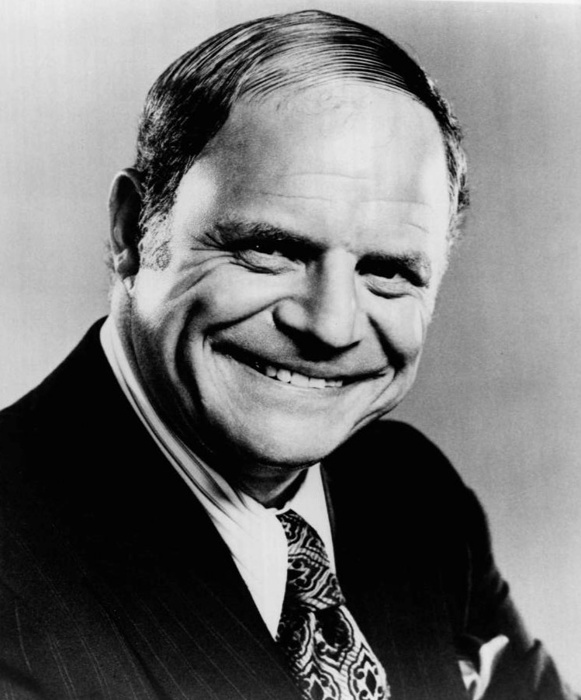
Few figures are more closely associated with roast comedy than Don Rickles. Nicknamed “Mr. Warmth,” Rickles built an entire career around insult comedy and became one of the most feared and admired performers in entertainment.
Unlike many comedians who used insults occasionally, Rickles made them the centerpiece of his act. He targeted celebrities, audience members, and fellow entertainers with equal enthusiasm, delivering sharp remarks with remarkable speed and confidence. His fearless approach created a style that felt spontaneous and unpredictable.
His success demonstrated that audiences could enjoy aggressive humor when it was delivered with obvious playfulness and charm. Rickles became one of the defining influences on roast comedy and inspired generations of comedians who embraced similar styles of humor.
Television Brings Roasts to a Wider Audience
For many years, most roasts remained private industry events attended primarily by entertainers and invited guests. That changed as television networks recognized their entertainment value and began broadcasting them to larger audiences.
Viewers were fascinated by the opportunity to see famous people mocked by their peers. The combination of celebrity appearances, insider jokes, and unpredictable interactions created a format unlike anything else on television. Audiences enjoyed seeing public figures laugh at themselves and participate in the humor.
Televised roasts introduced the tradition to millions of viewers who otherwise would never have experienced it. By bringing roast culture into living rooms across the country, television helped transform an industry tradition into a mainstream comedy phenomenon.
The Dean Martin Celebrity Roasts
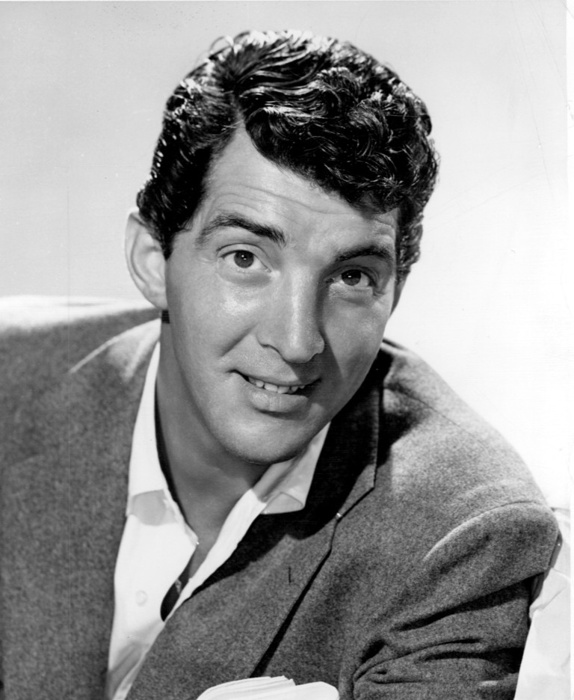
The most important milestone in roast history arrived with The Dean Martin Celebrity Roasts, which aired between 1974 and 1984. Building on the traditions established by the Friars Club, the series brought roast comedy to a national television audience and helped transform a relatively exclusive entertainment-industry tradition into a mainstream phenomenon.
Hosted by Dean Martin, the series featured actors, athletes, politicians, musicians, and television personalities as guests of honor. Celebrity panels gathered to deliver jokes, tell stories, and gently ridicule the featured guest while celebrating their accomplishments. The format combined comedy, celebrity culture, and unpredictability in a way that appealed to a broad audience.
The program’s popularity helped establish many of the expectations audiences still associate with roast comedy today. Its influence remains significant, serving as the foundation for many modern roasts and proving that affectionate mockery could become a successful television format.
Why the Dean Martin Roasts Worked
The Dean Martin roasts succeeded because they combined sharp comedy with an atmosphere of genuine affection. While the jokes could be brutal, viewers understood that the participants respected and admired the guest of honor. That understanding allowed audiences to enjoy the humor without viewing it as genuinely hostile.
The celebrity panels often featured performers who had known one another for years, giving the comedy a sense of authenticity. Personal stories, old rivalries, and shared experiences frequently became the basis for jokes, making the humor feel more personal and engaging than standard stand-up material.
This balance between celebration and mockery became one of the defining characteristics of successful roast comedy. The best roasts entertain while simultaneously acknowledging the accomplishments and popularity of the person being honored.
The Influence of Roast Writing
Roasts also elevated the importance of comedy writing. Unlike many stand-up performances, roast appearances required highly customized material tailored specifically to the guest and fellow panelists. Generic jokes rarely worked because audiences expected material that felt unique to the occasion.
Writers spent considerable time researching personal histories, public controversies, career highlights, and celebrity relationships. The strongest roast jokes often combined factual details with clever observations, allowing them to feel both personal and surprising. Successful writers learned how to push boundaries while remaining entertaining.
As a result, roast writing became a specialized skill within the comedy industry. Many comedians developed reputations not only for performing at roasts but also for their ability to craft memorable and highly targeted material.
The Rise of Insult Comedy
The popularity of televised roasts helped fuel broader interest in insult comedy. During the 1980s and 1990s, audiences increasingly embraced comedians who specialized in sharper and more confrontational forms of humor. Roast-style jokes began appearing more frequently in stand-up acts and television appearances.
Performers such as Joan Rivers, Gilbert Gottfried, Lisa Lampanelli, and others became known for delivering particularly ruthless material. Their willingness to tackle sensitive subjects and target celebrities directly helped distinguish them from more traditional comedians. Audiences often enjoyed the sense of danger that accompanied their performances.
This trend expanded the possibilities of roast comedy while also generating debates about taste and offensiveness. As insult comedy grew more popular, performers continually tested the boundaries of what audiences would accept in the name of humor.
Comedy Central Revives the Format
After a period of declining visibility, roast comedy experienced a major revival when Comedy Central launched its own celebrity roast series in the early 2000s. The network recognized that modern audiences still enjoyed the combination of celebrity culture and aggressive humor.
Comedy Central modernized the format by focusing on contemporary celebrities and encouraging edgier material than earlier broadcasts typically allowed. Roasts featuring Pamela Anderson, William Shatner, Flavor Flav, Charlie Sheen, and Justin Bieber attracted significant attention and generated substantial media coverage.
The revival introduced roast comedy to a new generation of viewers and helped make the format relevant once again. By adapting the tradition to contemporary tastes, Comedy Central ensured that celebrity roasts remained an important part of modern comedy culture.

Norman Wong, Pamela Anderson 2024 Headshot by Norman Wong, CC BY-SA 4.0
The Charlie Sheen Roast Phenomenon
One of the most successful modern roasts was the 2011 Comedy Central Roast of Charlie Sheen. Airing during a period of intense media attention surrounding Sheen, the event became a cultural phenomenon and attracted enormous public interest.
The roast benefited from a guest whose public controversies provided an almost endless supply of comedic material. Comedians, celebrities, and Sheen himself embraced the absurdity of the situation, creating an atmosphere where nearly every joke landed because audiences were already familiar with the headlines being referenced.
Its success demonstrated the continued appeal of roast comedy in the social-media era. Clips and quotes from the event spread rapidly online, showing how modern technology could amplify the impact of a roast far beyond the original broadcast.
Roasts in the Age of Social Media
Social media transformed how audiences experience celebrity roasts. Rather than watching an entire program from beginning to end, many viewers now encounter individual jokes through short clips, memes, and viral posts shared across multiple platforms. A single moment can reach millions of people who never saw the original broadcast.
A particularly strong roast joke can circulate online within minutes, reaching audiences far larger than the event’s television viewership. This has increased both the rewards and risks associated with participating in roasts. A successful joke can boost a comedian’s profile overnight, while a poorly received one can generate widespread criticism just as quickly.
Comedians now perform knowing that individual moments may generate global attention almost instantly. This reality has changed how roasts are written and delivered, making every appearance a high-profile opportunity in the digital age.
The Challenges of Modern Roasts
As cultural attitudes toward comedy evolve, roast comedy faces new challenges. Material that might have been considered acceptable decades ago is often viewed differently today, requiring performers to navigate a much more complex entertainment landscape. Jokes that once passed without controversy can now generate immediate public debate, especially when clips spread rapidly online.
Modern roast comedians must balance audience expectations for edgy humor with changing social norms. The strongest performers still push boundaries, but they do so through clever writing, originality, and precise targeting rather than relying solely on shock value. Successful roast jokes often focus on public personas, career choices, and well-known controversies rather than material that feels unnecessarily personal or mean-spirited.
This balancing act has become one of the defining challenges of contemporary roast comedy. The format continues to thrive because audiences still enjoy sharp, fearless humor, but modern roasts demand greater creativity, awareness, and judgment than ever before. The ability to be ruthless and funny while remaining entertaining is now one of the most valuable skills a roast comedian can possess.

Super Festivals from Ft. Lauderdale, USA, William Shatner Photo Op GalaxyCon Richmond 2026, CC BY 4.0
Why Audiences Enjoy Roasts
Part of the appeal of roast comedy comes from seeing powerful, wealthy, and famous individuals become the target of jokes. Roasts temporarily level social hierarchies by allowing comedians and peers to mock public figures openly, creating a sense of playful equality that audiences find entertaining.
Viewers also enjoy the unpredictability of the format. Unlike traditional stand-up, roasts involve multiple performers responding to one another, creating opportunities for unexpected moments, surprise punchlines, and spontaneous interactions. The possibility that anything might happen adds excitement to the event.
The combination of celebrity culture, sharp writing, and genuine risk helps distinguish roasts from other forms of comedy. Audiences know that even experienced performers can be surprised, making the format feel more immediate and unpredictable.
The Legacy of Celebrity Roasts
Celebrity roasts have influenced numerous areas of entertainment beyond their own format. Elements of roast comedy can be found in late-night television monologues, award-show hosting, stand-up specials, podcasts, and even social-media humor. The ability to playfully mock public figures has become a common feature of modern comedy.
Many comedians have used roasts as opportunities to showcase their writing skills and reach larger audiences. Memorable roast performances have helped elevate careers, introduce performers to new fans, and demonstrate a comedian’s ability to write highly personalized material under pressure.
The format has also preserved a long-standing tradition of playful mockery that remains deeply embedded in comedy culture. Despite changing technologies and audience expectations, celebrity roasts continue to demonstrate the enduring appeal of sharp humor delivered in the spirit of entertainment.
Conclusion
From private Friars Club gatherings to viral Comedy Central broadcasts, celebrity roast comedy has undergone a remarkable evolution. What began as an insider tradition among entertainers eventually became one of the most recognizable forms of televised comedy.
Along the way, performers such as Don Rickles, Dean Martin, Joan Rivers, Gilbert Gottfried, and countless others helped shape a format built on sharp humor, mutual respect, and fearless joke-writing. Despite changing cultural expectations and media landscapes, celebrity roasts continue to thrive because they offer something audiences rarely see elsewhere: famous people willingly stepping into the spotlight and becoming the punchline.