

Peabody Awards, Keegan-Michael Key and Jordan Peele 2014, CC BY 2.0
Before solo stand-up specials and streaming-era comedians dominated the spotlight, comedy often came in pairs—or groups. Comedy teams were once at the heart of entertainment, built on chemistry, contrast, and perfectly timed interaction that a single performer couldn’t replicate alone. These duos and ensembles thrived across vaudeville, radio, film, and early television.
Their routines depended on rhythm, roles, and repetition, creating a dynamic where humor emerged from the relationship itself rather than just the joke. Looking back, these teams reveal a different era of comedy—one where partnership was the performance, and the interplay between personalities created something greater than the sum of its parts.
Abbott and Costello: The Perfect Setup and Punchline
Abbott and Costello didn’t just perform comedy—they engineered it. Their act was built on precision, where every line, pause, and reaction served a purpose. Bud Abbott’s role as the straight man wasn’t passive; he actively guided the rhythm, setting up scenarios that allowed Lou Costello’s confusion and frustration to explode into humor.
“What’s on First?” remains one of the most studied comedy routines for a reason. It demonstrates how repetition, misdirection, and escalation can turn a simple misunderstanding into a layered, increasingly absurd exchange. The joke doesn’t rely on a punchline—it becomes the structure itself.
Their influence goes far beyond nostalgia. The straight-man/comic dynamic they perfected is still used in sitcoms, sketch comedy, and even interview formats today. Anytime one person grounds a scene while another disrupts it, you’re seeing a blueprint Abbott and Costello helped define.
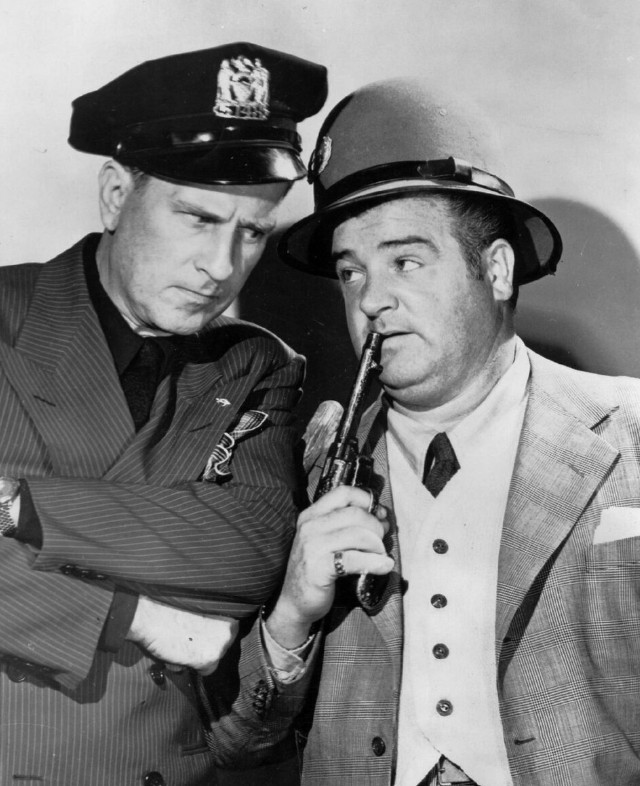
Laurel and Hardy: Physical Contrast and Visual Comedy
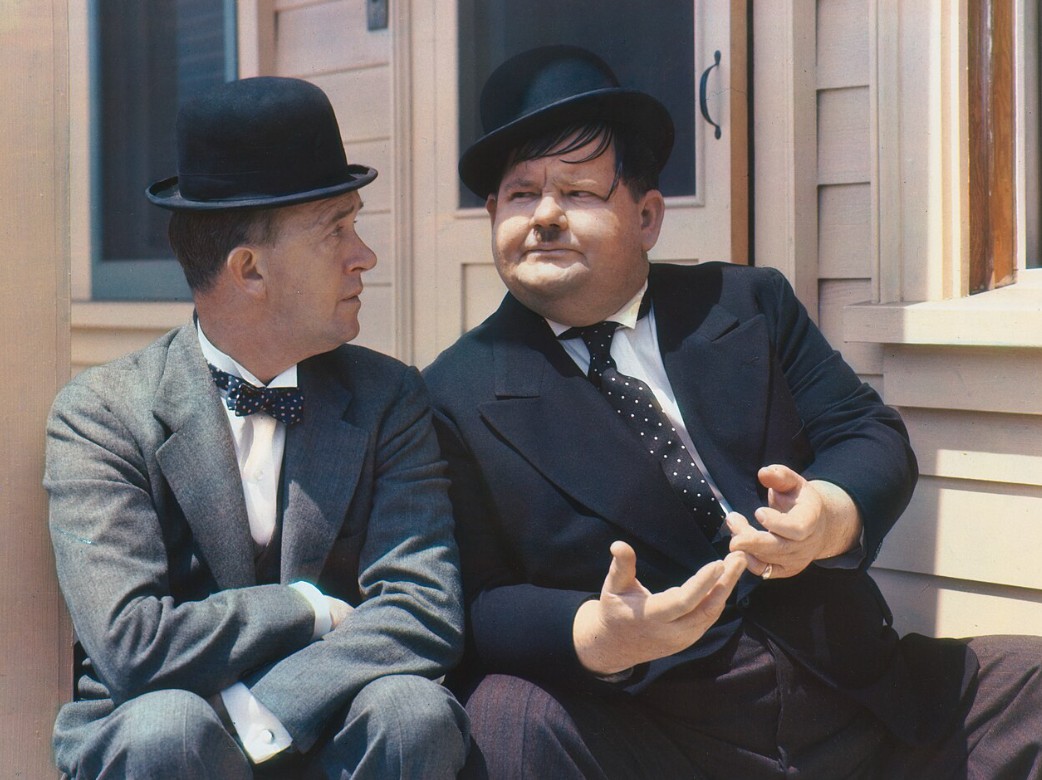
Laurel and Hardy understood something fundamental about comedy: the body can be just as expressive as language. Their humor thrived on visual storytelling, where movement, posture, and timing conveyed as much meaning as dialogue.
The contrast between them was immediate and effective. Stan Laurel’s wide-eyed innocence and slow reactions created vulnerability, while Oliver Hardy’s controlled dignity—constantly slipping into frustration—added tension. That tension was key. It gave their routines a rhythm where small problems escalated into full-blown chaos.
What made their work enduring was its universality. Their comedy translated across languages and cultures because it relied on physicality and emotion rather than words alone. Modern visual humor—from silent reaction memes to physical comedy in film—still echoes the patterns they established.
Martin and Lewis: Energy Meets Control
Martin and Lewis brought a new kind of volatility to comedy. Their partnership thrived on imbalance—Dean Martin’s calm, effortless presence clashing with Jerry Lewis’s unpredictable, almost manic energy.
This wasn’t just contrast; it was tension in motion. Lewis often disrupted the flow of a performance, breaking structure, improvising, and pushing boundaries, while Martin anchored the act, pulling it back just enough to keep it coherent. That push-and-pull dynamic created a sense of spontaneity that audiences found electrifying.
Their work reflected a cultural shift toward faster, louder entertainment. Comedy was no longer confined to tight routines—it could be chaotic, personality-driven, and emotionally expressive. This shift paved the way for performers who rely heavily on stage presence and individuality, making Martin and Lewis a bridge between classic structure and modern performance.
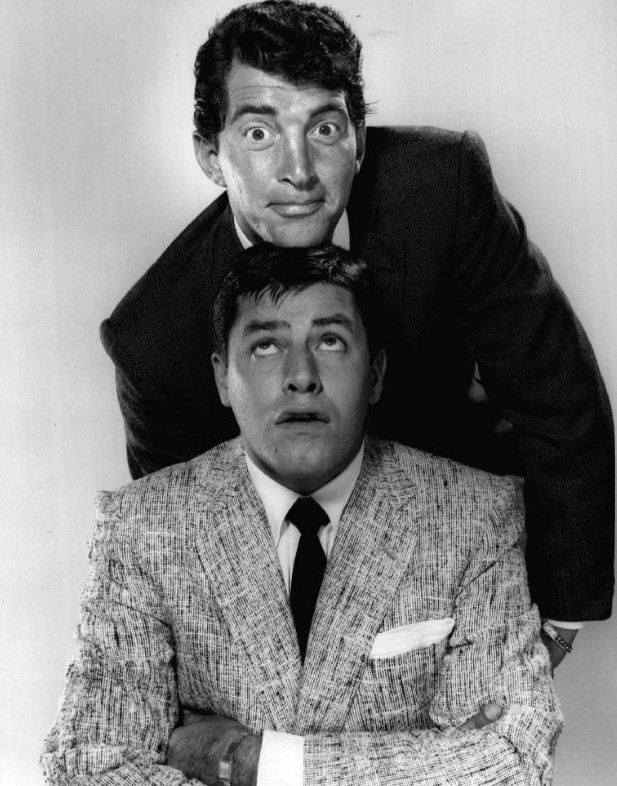
Nichols and May: Intelligent and Conversational Comedy
Nichols and May redefined what comedy could sound like. Instead of relying on obvious setups or exaggerated delivery, they leaned into subtlety, crafting sketches that felt like overheard conversations rather than performances.
Their humor lived in nuance—awkward pauses, miscommunication, and the small absurdities of everyday interaction. They trusted audiences to follow along without over-explaining, allowing the comedy to emerge naturally from the situation.
This approach influenced an entire generation of writers and performers. Modern sketch comedy, improvisational theater, and even scripted dialogue-driven shows owe a debt to the realism Nichols and May introduced. They proved that comedy didn’t need to be loud to be effective—it could be quiet, precise, and deeply observant.
Smothers Brothers: Comedy with Commentary
The Smothers Brothers expanded the role of comedy teams by integrating humor with social awareness. Their act wasn’t just about entertaining—it was about engaging with the world around them.
Their television show became a platform for discussing political and cultural issues at a time when such topics were often avoided. By blending music, satire, and conversation, they created a format that felt both approachable and provocative.
This approach changed expectations. Comedy teams could now be voices in public discourse, not just performers. The idea that humor could challenge authority and spark conversation became more widely accepted, influencing later comedians who use their platforms to address current events and societal issues.
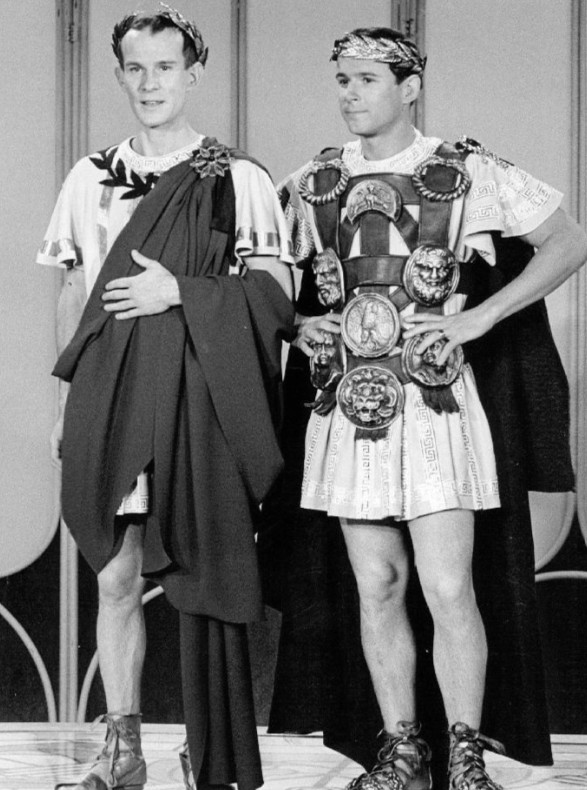
Cheech and Chong: Counterculture Comedy
Cheech and Chong didn’t just reflect the counterculture of the 1970s—they embodied it. At a time when mainstream comedy still aimed for broad appeal, they leaned unapologetically into a specific lifestyle and perspective, building humor around themes of rebellion, anti-establishment thinking, and alternative living.
Their characters weren’t one-off creations—they were extensions of a cultural identity that resonated deeply with their audience. The laid-back, stoner personas they developed became instantly recognizable, creating a shared comedic universe that felt consistent and immersive. Audiences didn’t just laugh at their jokes—they entered their world.
What made their approach so influential was its specificity. They proved that comedy didn’t need to speak to everyone to succeed—it just needed to speak authentically to someone. This opened the door for future comedians and teams to embrace niche perspectives, trusting that strong identity and point of view could build loyal, dedicated audiences.
Key and Peele: Modern Sketch Duo Dynamics
Key and Peele represent a modern evolution of the comedy team—one that embraces flexibility rather than fixed roles. Unlike traditional duos where one performer consistently plays the straight man, Keegan-Michael Key and Jordan Peele move fluidly between positions, depending on the needs of each sketch.
This adaptability gives their work a unique energy. In one moment, Key might heighten a scene with exaggerated intensity, while Peele grounds it with subtle realism. In the next, those roles reverse completely. This constant shift keeps their sketches unpredictable and dynamic, preventing the formula from becoming stale.
Their comedy also operates on multiple levels. On the surface, it delivers immediate humor—physical comedy, strong characters, and memorable scenarios. Beneath that, it often engages with deeper themes like race, identity, and social perception. This layering allows their work to resonate with a wide audience while still maintaining specificity.

Gage Skidmore from Surprise, AZ, United States of America, Cheech Marin & Tommy Chong (51985415509), CC BY-SA 2.0
The Structure Behind Comedy Teams
At the core of nearly every successful comedy team is a carefully balanced contrast. This contrast doesn’t just define the performers—it drives the humor itself. Whether it’s logic versus confusion, calm versus chaos, or control versus unpredictability, the difference between personalities creates the tension that fuels each interaction.
This structure allows comedy to unfold organically. Instead of delivering isolated jokes, teams create scenarios where humor emerges through dialogue and reaction. A misunderstanding can escalate, a simple comment can spiral into absurdity, and a small conflict can grow into a full comedic sequence—all because of how the performers respond to each other.
What makes this structure enduring is its flexibility. Even when roles aren’t clearly defined, the principle of contrast remains. The interaction becomes the focus, turning the relationship itself into the source of humor. This is why comedy teams often feel more dynamic—because the joke isn’t just being told, it’s being built in real time.
Why Comedy Teams Declined
The decline of comedy teams wasn’t the result of a single shift, but a combination of changes in how entertainment is produced, distributed, and consumed. As stand-up comedy gained popularity, audiences began to gravitate toward individual voices—performers who could share personal stories and perspectives directly.
Television and film reinforced this trend by centering narratives around singular stars. It became easier to market one recognizable personality than to promote a partnership, especially as branding and celebrity culture grew more prominent.
The rise of digital platforms accelerated this shift even further. Comedians could now create, publish, and promote content independently, without needing a partner or a traditional platform. This opened the door for more voices, but it also reduced the necessity of collaboration.
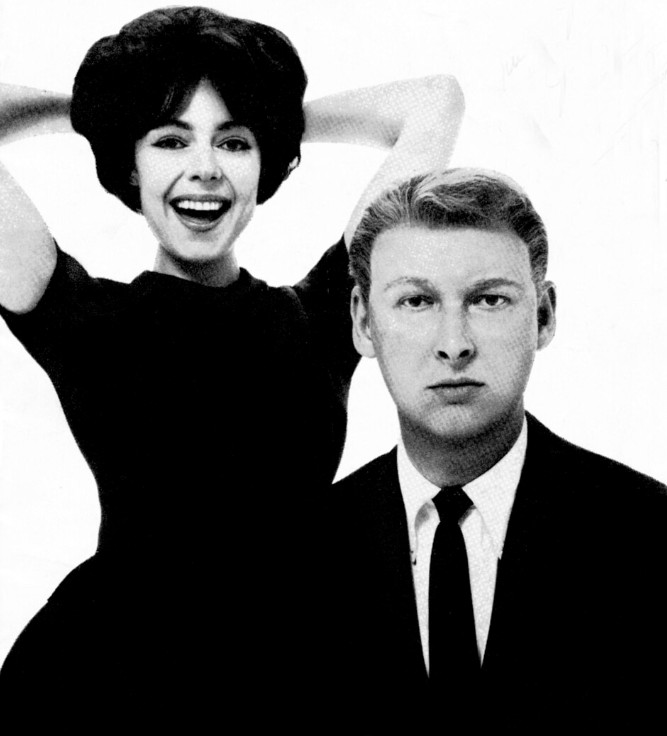
The Return of Collaboration in the Digital Age
While traditional comedy teams may no longer dominate the spotlight, collaboration hasn’t disappeared—it’s simply taken new forms. In the digital age, partnerships often emerge in less formal ways, through recurring collaborations, group content, and shared creative projects.
Platforms like YouTube, podcasts, and social media have made it easier for comedians to work together without being permanently tied as a duo. Creators frequently appear in each other’s content, building chemistry over time and creating a sense of continuity for audiences.
This shift reflects a broader change in how comedy is produced. Instead of fixed teams, we now see flexible networks of collaborators who come together for specific projects. The structure is looser, but the core appeal remains the same: interaction, contrast, and shared timing.
The Lasting Appeal of Partnership in Comedy
There’s something inherently compelling about watching two people create humor together. Unlike solo performance, partnership introduces unpredictability—moments where reactions aren’t entirely scripted, where timing emerges naturally from interaction.
This dynamic adds depth to comedy. A look, a pause, or an unexpected response can become just as funny as a punchline. The audience isn’t just following the joke—they’re observing a relationship in motion, which makes the experience feel more immediate and alive.
Partnership also creates a sense of balance. One performer can push boundaries while the other pulls back, allowing the humor to evolve without losing structure. This interplay keeps the performance engaging, giving it a rhythm that’s difficult to replicate alone.
Even in today’s comedy landscape, this appeal persists. Whether in duos, ensembles, or collaborative formats, audiences continue to respond to chemistry—the intangible connection that turns interaction into entertainment.
Conclusion
Comedy teams were once the backbone of entertainment, shaping how humor was performed and experienced. From structured routines to improvisational dialogue, they created a style that relied on connection and contrast.
Though the format has evolved, their influence remains embedded in modern comedy. The dynamics they perfected continue to inspire performers across different platforms and styles. In the end, comedy teams remind us that humor isn’t just about jokes—it’s about interaction, timing, and the unique energy that comes from working together.