

The 1960s was a time of change, with music, fashion, and culture evolving rapidly. Psychedelic rock emerged as a new genre, blending folk, blues, and rock with experimental sounds. Influenced by hallucinogenic drugs like LSD, it created dreamy, surreal music that defined the counterculture movement.
Bands like The Beatles, The 13th Floor Elevators, and Pink Floyd shaped the genre. Albums like Sgt. Pepper’s Lonely Hearts Club Band and The Psychedelic Sounds of the 13th Floor Elevators revolutionized music. Psychedelic rock peaked in the late 1960s, especially at Woodstock in 1969. However, societal changes led to its decline, paving the way for new styles. Let’s explore its origins, influences, and lasting impact on music history.
Origins and Influences of Psychedelic Rock

Psychedelic rock officially emerged in the mid-1960s, but its roots stretch further back. It took inspiration from blues and folk music while embracing new technology and effects. Electric guitars became more powerful with effects like reverb and distortion. Bands also used unusual instruments, such as the electric jug, to create hypnotic sounds.
A major influence on psychedelic rock was the hippie movement. This cultural shift promoted peace, love, and self-discovery. Musicians reflected these ideas in their lyrics and music, creating songs that felt otherworldly.
Some early albums that shaped the genre include:
- Pet Sounds (1966) by The Beach Boys – known for its lush arrangements and emotional depth.
- Revolver (1966) by The Beatles – introduced backward guitar solos and dreamy melodies.
- The Psychedelic Sounds of the 13th Floor Elevators (1966) – widely considered the first true psychedelic rock album.
These albums laid the groundwork for the psychedelic explosion that followed.
The Role of Hallucinogenics in Music Evolution
One of the defining aspects of psychedelic rock was its connection to hallucinogenic drugs, particularly LSD. Many musicians experimented with LSD, believing it expanded their creativity. The Beatles, for example, openly discussed their use of the drug and how it influenced their music.
LSD inspired artists to push the boundaries of sound. Effects like reverb, phasing, and feedback became essential tools in creating trippy, immersive music. Jimi Hendrix, The Grateful Dead, and Pink Floyd became masters at using these effects to craft mind-bending soundscapes.
Some key albums influenced by LSD include:
- Sgt. Pepper’s Lonely Hearts Club Band (1967) by The Beatles – an album full of experimental studio techniques.
- The Piper at the Gates of Dawn (1967) by Pink Floyd – filled with cosmic sounds and surreal lyrics.
- Are You Experienced (1967) by Jimi Hendrix – showcased revolutionary guitar effects and psychedelic themes.
As more people embraced the counterculture lifestyle, psychedelic rock became the soundtrack of a generation seeking new experiences.
Key Characteristics of Psychedelic Sound
Psychedelic rock had a distinct sound that set it apart from other rock genres. Some defining characteristics included:
- Trippy Effects – Musicians used effects like echo, reverb, and phasing to create a dreamlike experience.
- Unusual Instruments – Sitar, Mellotron, harpsichord, and synthesizers were common, adding a mystical quality to the music.
- Extended Guitar Solos – Songs often featured long and improvised solos meant to mimic a psychedelic journey.
- Surreal Lyrics – Lyrics often described dreamlike landscapes or altered states of consciousness.
- Complex Compositions – Songs frequently changed tempo and structure, moving away from the standard verse-chorus format.
These elements worked together to transport listeners to new sonic worlds, making psychedelic rock one of the most immersive music genres of the time.
Pioneering Bands and Their Contributions

Several bands played a crucial role in shaping psychedelic rock. Each brought a unique sound and perspective to the genre:
- The 13th Floor Elevators – Their 1966 album The Psychedelic Sounds of the 13th Floor Elevators is considered the first psychedelic rock album.
- The Beatles – Albums like Revolver and Sgt. Pepper’s introduced psychedelic sounds to a global audience.
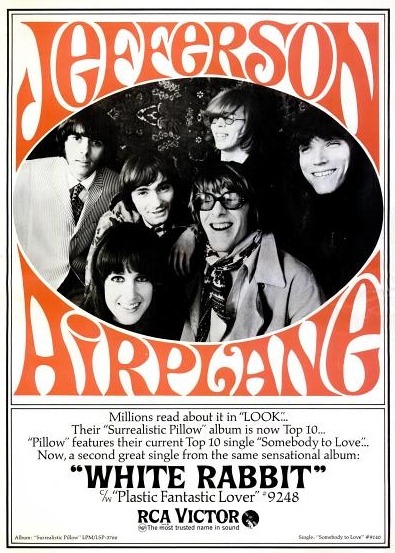
- Jefferson Airplane – Their hit song White Rabbit became an anthem of the psychedelic movement.
- The Grateful Dead – Known for their extended live jams and fusion of folk, blues, and rock.
- Pink Floyd – Early albums like The Piper at the Gates of Dawn featured spacey, surreal music that defined British psychedelia.
Each of these bands helped expand psychedelic rock’s reach and influence, making it a defining genre of the 1960s.
The Cultural Impact of Psychedelic Rock
Psychedelic rock was part of a larger cultural movement. The 1960s were a time of social and political upheaval. The Vietnam War sparked massive protests, and many young people rejected traditional values in favor of peace and self-expression.
Psychedelic rock became the voice of this counterculture. Festivals like Woodstock (1969) and the Monterey Pop Festival (1967) brought thousands together to celebrate music, love, and freedom. Bands like The Beatles, Jefferson Airplane, and The Grateful Dead wrote songs that reflected the era’s ideals.
The genre also influenced fashion, art, and literature. Bright, colorful clothing, tie-dye shirts, and swirling album covers became symbols of the psychedelic movement. Even today, psychedelic aesthetics continue to inspire artists and musicians worldwide.
The Rise and Decline of Psychedelic Rock
Psychedelic rock reached its peak in the late 1960s. Woodstock 1969 was the height of the movement, bringing together over 400,000 people for three days of music and peace. However, by the early 1970s, the genre started to decline. Several factors contributed to this:
- LSD Outlawed – Governments began cracking down on LSD and other drugs linked to psychedelic culture.
- Deaths of Key Musicians – The deaths of Jimi Hendrix, Janis Joplin, and Jim Morrison marked the end of an era.
- Shift to Hard Rock and Progressive Rock – Bands like Led Zeppelin and Yes introduced new styles, moving away from psychedelic sounds.
As the 1970s progressed, psychedelic rock faded, making way for heavier, more structured music.
The Legacy and Revival of Psychedelic Rock
Even though psychedelic rock declined in the early 1970s, its influence never disappeared. In the 1980s and 1990s, bands like The Flaming Lips and The Brian Jonestown Massacre revived psychedelic sounds, blending them with modern rock.
The early 2000s saw another wave of psychedelic revival, with bands like Tame Impala and MGMT bringing psychedelic elements back into mainstream music. Songs like Electric Feel and Feels Like We Only Go Backwards showcased dreamy, trippy production reminiscent of the 1960s.
Psychedelic art and fashion also made comebacks, fueled by a renewed interest in vintage music and vinyl records. Today, psychedelic rock continues to inspire new generations of musicians and fans.
Conclusion
Psychedelic rock was a cultural revolution. It shaped the 1960s, inspiring musicians to experiment with sound and creativity. While it peaked during Woodstock, its influence lives on in modern music.
From The Beatles to Tame Impala, the psychedelic spirit remains alive. Whether through trippy effects, surreal lyrics, or dreamy melodies, psychedelic rock continues to captivate listeners, proving that its legacy will never fade away.