

The 1960s marked a pivotal era in American office culture, where formal dress codes, rigid hierarchies, and limited technology defined daily work life. Job security was prized, but workplace norms were vastly different from today’s standards. This article explores the key elements of office life in the 1960s, including the strict rules, changing technology, and early social shifts that laid the foundation for the modern office.
Strict Dress Codes and Office Etiquette
In the 1960s, office life was marked by strict formality, starting with how employees dressed. Men were expected to wear suits, ties, and polished shoes, while women adhered to a dress code that required skirts, blouses, and dresses. Pantyhose and modest heels were standard attire for women, reflecting their supporting roles in the office. These formal clothing choices reinforced the serious and professional nature of the workplace.
Manners and etiquette were equally important. Employees addressed each other using titles and last names (e.g., “Mr. Smith” or “Mrs. Johnson”) rather than first names. Workers followed strict rules about who to stand for, when to speak, and how to greet superiors. This formal code of behavior kept clear boundaries between employees, managers, and executives.
Smoking, Drinking, and Office Norms
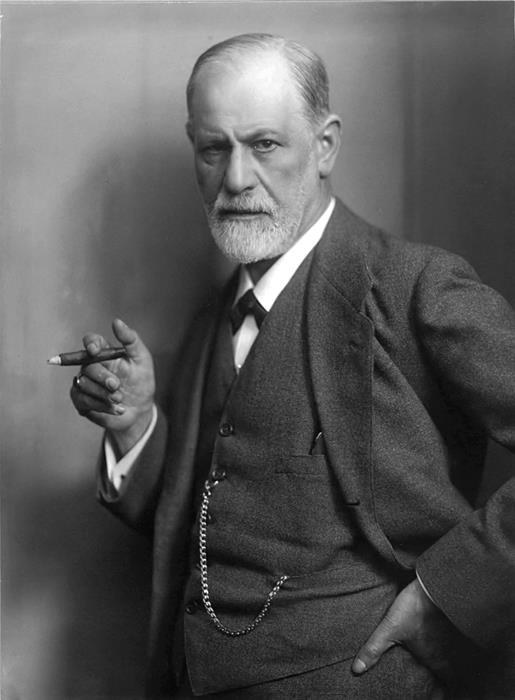
Smoking in the workplace was a common and widely accepted practice. Almost every desk had an ashtray, and it wasn’t unusual for employees to light up a cigarette during meetings or while working at their desks. Smoking was so ingrained in office culture that it often acted as a social bridge between workers.
Drinking on the job was also socially acceptable, particularly for higher-level executives. Many offices had liquor cabinets or small bars where a drink could be poured during lunch or meetings. While this behavior may seem shocking today, at the time, it was viewed as a way to entertain clients or unwind during the workday.
Break rooms, lounges, or even in-office bars became social hubs where workers could relax and socialize, blurring the lines between professionalism and personal enjoyment.
Rigid Hierarchies and Gender Roles
The office hierarchy in the 1960s was deeply entrenched. Most workers sat at individual desks in open areas, but managers and executives had private offices. These private spaces signified power and authority, reinforcing the notion that leadership roles were out of reach for the average employee.
Gender roles were also firmly established. Men dominated leadership positions, making all significant decisions and holding most of the power. Women, on the other hand, were often relegated to clerical or secretarial roles. Their work involved typing, answering phones, and managing schedules—tasks that supported their male counterparts rather than allowed for advancement.
These rigid hierarchies made it difficult for women and minorities to climb the corporate ladder. While women began entering the workforce in greater numbers, their opportunities for leadership were limited, and men continued to occupy the vast majority of management roles.
Technology in the 1960s Office
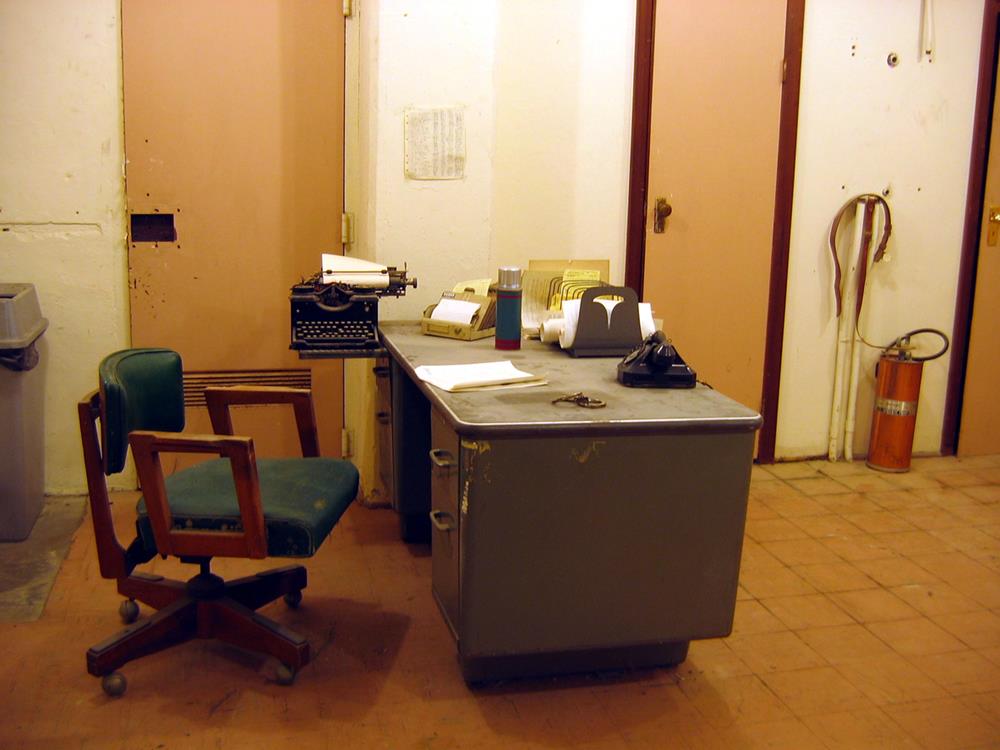
Technology in the 1960s office was basic compared to today’s digital world. The typewriter was the primary tool for writing, and most documents were created using manual or electric typewriters. If copies were needed, carbon paper was used to create duplicates, making document production laborious and time-consuming.
Large filing cabinets were essential for storing paper records, as digital storage didn’t exist yet. Offices were filled with rows of cabinets containing everything from contracts to employee records, taking up valuable space and requiring extensive organization.
Communication relied on phone calls and memos. Without email or instant messaging, employees had to deliver memos physically or rely on the telephone to communicate with colleagues. This slower pace of communication influenced how quickly tasks could be completed and decisions made.
Changing Office Design: From Open Spaces to Cubicles
The layout of the 1960s office was quite different from the modern-day workspace. Most employees worked in open areas with rows of desks, while only managers and executives had the luxury of private offices. This setup reinforced the hierarchical structure of the workplace, as the open space indicated that lower-level employees were under constant supervision.
However, by the late 1960s, office design began to evolve. Designer Robert Propst created the “Action Office” system for Herman Miller, which introduced movable walls, desks, and storage units. This concept aimed to give workers more flexibility and privacy, allowing them to arrange their workspaces according to their needs.
This design would eventually give birth to the cubicle, which became widespread in the 1980s and 1990s. Cubicles changed the office landscape by offering individual spaces for workers without the need for large, private offices, bridging the gap between open-office layouts and full privacy.
The Role of Women and Civil Rights in the Office
The Civil Rights Act of 1964 was a landmark piece of legislation that banned workplace discrimination based on race, color, religion, sex, or national origin. While this law was a critical step toward equality, change was slow to take hold, particularly in the corporate world. Women and minorities were still underrepresented in leadership positions, and office environments remained largely male-dominated.
Professional opportunities for women in the 1960s were limited to administrative and support roles. However, the feminist movement was gaining momentum, and women began to challenge the glass ceiling that kept them out of higher-paying decision-making positions. By the late 1960s and early 1970s, women started entering professions like law, medicine, and business in greater numbers, pushing for workplace equality.
While the fight for civil rights and gender equality would continue into the following decades, the 1960s laid the groundwork for more inclusive workplaces and greater opportunities for women and minorities.
Pros and Cons of the 1960s Office Life
The 1960s office had its advantages and disadvantages, shaping the careers and lives of workers.
Pros:
- Job Security: Workers generally were able to enjoy secure, long-term employment, especially with large companies.
- Clear Career Paths: Employees could expect a clear and structured career path, often staying with the same company for decades.
- Work-Life Balance: Clear boundaries between work and personal life were maintained, and after-work hours were generally respected.
Cons:
- Rigid Hierarchies: The strict office hierarchy limited opportunities for advancement, particularly for women and minorities.
- Outdated Technology: Manual processes, slow communication, and paper-based systems made work less efficient.
- Limited Diversity: The workplace lacked diversity, with few women or people of color in leadership positions.
The Shift Toward Modern Work Culture
The 1960s was a decade of transition for office life as changes in technology, social movements, and design began to reshape the work environment. The introduction of electric typewriters and photocopiers marked the beginning of a technological shift that would eventually lead to computers and digital communication in the following decades.
Social movements, particularly the Civil Rights Movement and the Feminist Movement, began advocating for equality in the workplace. Women and minorities gradually started moving into professional roles, and these early pushes for change set the stage for more significant social shifts in later decades.
Office design was also evolving, with the introduction of the “Action Office” and, later, cubicles. These designs offered more flexibility and privacy, reflecting the growing demand for a less hierarchical and more adaptable workspace.
Strange Workplace Etiquette of the 1960s
Smoking at the Desk: A Common Sight
In the 1960s, it was normal to see offices filled with cigarette smoke. Smoking at one’s desk wasn’t just allowed—it was expected. Roughly 42% of American adults smoked during this period, and lighting up in the office was common practice. Employees, from entry-level workers to top executives, kept ashtrays on their desks and smoked freely throughout the day. Meetings, break rooms, and even office parties were often conducted with a cloud of smoke in the air.
The U.S. Surgeon General released a landmark report in 1964 linking smoking to various health risks, but this had little immediate effect on office culture. Smoking remained a deeply ingrained part of work life for decades. It wasn’t until the 1990s and early 2000s that workplaces began to impose smoking bans, marking a major cultural shift. Today, the idea of smoking in the office seems unthinkable, but in the 1960s, it was an accepted part of daily work life.
Drinks at the Office: A Boozy Work Culture
In addition to smoking, drinking alcohol at work was a surprisingly common practice in the 1960s. Many executives kept liquor cabinets in their offices or had bar carts readily available for afternoon drinks. Alcohol was often consumed during long lunches, with employees and bosses heading to local bars for a drink—or several—before returning to the office. After-work gatherings at bars were another common ritual, where colleagues continued their conversations over drinks.
This casual approach to alcohol in the office was particularly prevalent in certain industries, such as advertising, where the lines between business and socializing often blurred. Alcohol was seen as a tool for building relationships with clients or sealing deals, and boozy lunches were a regular part of the workday.
The Formal Office Dress Code

Dress codes in the 1960s office were strict and formal. Men were expected to wear tailored suits, ties, and polished shoes, while women donned skirts, dresses, and stockings. Women were not allowed to wear pants in most offices despite the growing popularity of trousers in casual settings. The look was sharp and professional, reflecting the serious, no-nonsense attitude toward work during the era.
However, there were some early signs of change. In Hawaii, the concept of “Casual Friday” started to take root as local businesses encouraged Hawaiian shirts at work to support the clothing industry. While this trend gained some traction in the late 1960s, the rest of the U.S. remained slow to adopt more relaxed office attire. It wasn’t until the 1990s that Casual Fridays became mainstream in corporate America.
Rigid Office Hierarchies and Gender Roles
The office hierarchy of the 1960s was deeply entrenched. Managers and executives worked in private offices, while lower-level employees were seated in large, open spaces with desks lined up in rows. This setup reflected the clear pecking order of the workplace. Supervisors were physically and metaphorically separated from their subordinates, reinforcing the idea that authority figures were to be respected and followed.
Gender roles were equally rigid. Men held nearly all leadership positions, while women were relegated to secretarial or clerical roles. Female employees handled administrative tasks such as typing, answering phones, and filing documents. Advancement opportunities for women were limited, and the office was a male-dominated space. The lack of diversity extended beyond gender, as racial minorities were rarely seen in corporate settings.
Office Structure and Layout: From Rows of Desks to Cubicles
In the 1960s, the office layout resembled a factory floor, with rows of desks placed in open spaces for regular employees and private offices reserved for executives. Employees worked face-to-face and communicated primarily through personal interaction or written memos. This setup reinforced the idea of constant supervision and strict oversight, with few barriers between workers and their managers.
However, office design began to change toward the end of the decade. The introduction of the “Action Office” concept, designed by Herman Miller, aimed to create more privacy and flexibility for employees. The Action Office evolved into the cubicle, which allowed workers to have their own semi-private space while still being part of a larger office environment.
Office Etiquette and Workplace Manners
Workplace etiquette in the 1960s placed a heavy emphasis on formality and respect. Employees were expected to show deference to their superiors, often standing up when a boss entered the room or addressing them by their formal title (e.g., “Mr.” or “Mrs.”). Strict social rules governing when and how employees could speak to their superiors and informality was discouraged.
Gendered manners were also prevalent. Women were often expected to perform small, socially accepted tasks like fetching coffee for their male colleagues. The division of duties based on gender reinforced the idea that women were in the office to support the men rather than advance their own careers.
The Impact of Social Changes in the 1960s Workplace
The 1960s was a decade marked by significant social upheaval, and these changes began to influence the workplace as well. The feminist movement and civil rights movement pushed back against the rigid gender roles and racial inequalities that defined many workplaces. Although progress was slow, these movements laid the foundation for future advancements in workplace diversity and inclusion.
The passage of the Civil Rights Act of 1964, which prohibited employment discrimination based on race, color, religion, sex, or national origin, was a significant milestone in the fight for workplace equality. However, change did not happen overnight, and the office environment of the 1960s remained largely homogenous in terms of race and gender.
Conclusion
The 1960s office may seem like a world away from today’s modern workplace, but it laid the foundation for many of the practices and changes we see today. From strict dress codes and rigid hierarchies to the early introduction of office technology and design, the office life of the 1960s shaped how Americans worked, communicated, and interacted in the professional world. The decade also saw the early stirrings of social change, as women and minorities began to challenge the status quo and push for greater equality in the workplace.