

The 1960s seemed to spin a little faster, and American pop culture was right at the center of the whirlwind. It was a decade where boundaries were pushed, norms were questioned, and creativity flourished in ways that still resonate today. From the colorful explosion of fashion to the rebellious beats of new music genres, the 1960s weren’t just about change—they were about revolution.
1960s Icons and Cultural Touchstones
The 1960s saw a boom in pop culture that shaped modern society. Music took center stage with the rise of rock and roll. The Beatles led the British Invasion, sparking Beatlemania across America. Their catchy tunes and mop-top haircuts made them global stars.
Bob Dylan emerged as a folk hero. His poetic lyrics tackled social issues and inspired a generation. The Rolling Stones brought a grittier edge to rock music. Their bad-boy image contrasted with the clean-cut Beatles.
In sports, Muhammad Ali became a boxing legend and cultural icon. His quick wit and bold stance on social issues made him more than just an athlete.
Movies and books left their mark, too. “To Kill a Mockingbird” hit theaters in 1962, bringing Harper Lee’s powerful novel to life on screen. Its themes of racial injustice resonated with audiences.
TV shows like “Bonanza” and “The Andy Griffith Show” were family favorites. They offered a mix of drama, comedy, and moral lessons.
Kids had fun with new toys and games. G.I. Joe action figures, Easy-Bake Ovens, and Etch A Sketch were popular choices. Board games like Twister were added to family game nights.
Cars got sleeker and more powerful. The Ford Mustang debuted in 1964, kicking off the “pony car” craze. Muscle cars with big engines thrilled speed lovers.
1960s News and Events
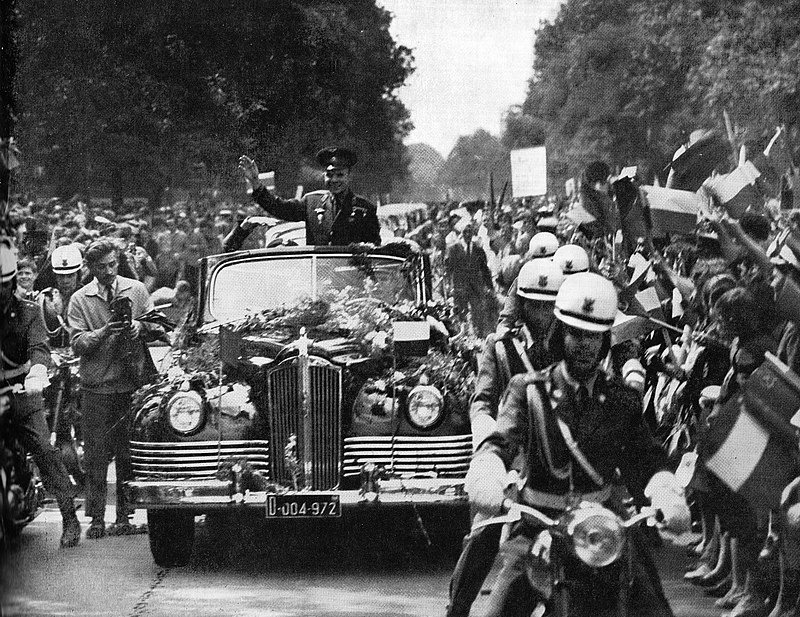
The 1960s saw many important events that shaped history. In 1961, Yuri Gagarin became the first person in space, starting the space race between the US and the USSR.
John F. Kennedy became president in 1961. He gave a famous speech where he said, “Ask not what your country can do for you, but what you can do for your country.” Sadly, JFK was killed in Dallas in 1963.
Sports had some big moments, too. In 1961, Roger Maris hit 61 home runs, breaking Babe Ruth’s record. The first Super Bowl was played in 1967.
The Cuban Missile Crisis in 1962 almost led to a nuclear war between the US and the USSR. It was a very scary time for many people.
Pop culture changed a lot in the 1960s. The Beatles became hugely popular after appearing on TV in 1964. That same year, the Ford Mustang came out and became a classic car.
Some other important events:
- Harper Lee’s book “To Kill a Mockingbird” came out in 1960
- Wal-Mart opened its first store in 1962
- In 1964, doctors said smoking causes lung cancer
- Muhammad Ali (born Cassius Clay) became a famous boxer
- Neil Armstrong walked on the moon in 1969
Fashion and Style Trends
The 1960s weren’t just a revolutionary time for music; fashion also underwent a radical transformation, reflecting the decade’s spirit of change and rebellion.
- Mod Fashion: Originating in London, Mod fashion was characterized by its sharp, clean lines, bold patterns, and youthful energy. The look featured mini skirts, A-line dresses, and go-go boots, often in bright colors and geometric prints. Icons like Twiggy epitomized the Mod style, which quickly spread to America, influencing everything from high fashion to streetwear.
- Hippie Fashion: As the counterculture movement gained momentum, so did the rise of hippie fashion. This style was all about freedom and self-expression, with tie-dye shirts, bell-bottom jeans, and flowing dresses becoming wardrobe staples. Accessories like headbands, peace symbol necklaces, and sandals completed the look, creating a fashion statement that was as much about lifestyle as it was about clothing.
- The Shift in Beauty Standards: The 1960s also saw a shift in beauty standards. Gone were the voluptuous curves that had defined beauty in the 1950s; in their place was a more androgynous, waif-like look, exemplified by models like Twiggy. Makeup trends included bold eyeliner, pale lips, and big, teased hair or short pixie cuts, all contributing to a new definition of beauty that was youthful, edgy, and modern.
- Designer Influence: Designers like Mary Quant and Yves Saint Laurent played a significant role in shaping 1960s fashion. Mary Quant is credited with popularizing the mini skirt, a symbol of women’s liberation and sexual freedom, while Yves Saint Laurent introduced the “Le Smoking” tuxedo suit for women, challenging traditional gender norms and paving the way for more androgynous fashion.
The Counterculture Movement
The counterculture movement was a defining aspect of the 1960s, challenging traditional values and embracing new ways of thinking.
- The Summer of Love: In 1967, the Summer of Love brought thousands of young people to San Francisco, where they celebrated peace, love, and communal living. This gathering symbolized the height of the counterculture movement, with its emphasis on anti-materialism, spiritual exploration, and social activism. The music, fashion, and attitudes of the Summer of Love had a lasting impact on American culture.
- The Anti-War Movement: The Vietnam War was a significant catalyst for the counterculture movement, sparking widespread protests across the country. Young Americans, especially students, became vocal opponents of the war, using music, art, and demonstrations to express their dissent. The anti-war movement not only influenced politics but also left a deep imprint on pop culture, with protest songs and films reflecting the era’s turbulence.
- Civil Rights and Social Justice: The civil rights movement was another major force in the 1960s, challenging segregation and discrimination. The fight for equality and justice was reflected in every aspect of pop culture, from music and literature to television and film. Figures like Martin Luther King Jr. became cultural icons, inspiring a generation to stand up for their rights and demand change.
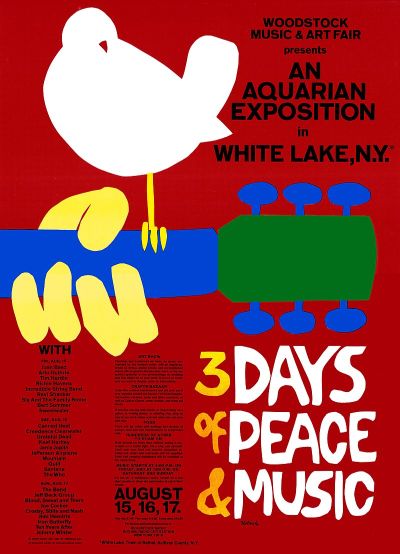
- Woodstock and Music Festivals: Woodstock, held in 1969, became the ultimate symbol of the counterculture movement. This music festival brought together hundreds of thousands of people for three days of peace, love, and music. Woodstock wasn’t just a concert—it was a cultural event that encapsulated the ideals of the counterculture, cementing its place in history.
Key Population Statistics
The US population reached nearly 178 million in 1960. Most people lived in urban areas, with only 8.7% on farms. Women typically lived longer than men, with life expectancies of 73 and 66 years. Birth rates were high at 23.7 per 1,000 people. Marriage rates exceeded divorce rates. Heart disease was the leading cause of death, followed by cancer. Car accidents claimed 21.3 lives per 100,000 people.
Economic Landscape
The 1960s saw a mix of growth and challenges. Unemployment stood at 3.8 million people. The Gross National Product reached $503.7 billion. Federal spending totaled $92.3 billion, while the national debt hit $286.3 billion.
Labor unions had 17.5 million members. That year, there were 3,333 strikes. The prime interest rate was 3.9%. Car sales topped 6.6 million units. Workers earned an average yearly salary of $4,743.
Society and Culture
The 1960s saw significant changes in American society. Men made up a larger portion of the workforce, with 49% of males employed compared to 23% of females. Education trends showed more men earning college degrees than women. For every bachelor’s degree awarded to a woman, about 1.6 went to men. This gap widened at the doctoral level.
Americans spent lots of free time at the movies, with 40 million people going to theaters weekly. Baseball also drew big crowds, attracting over 20 million fans each year to ballparks across the country.
Consumer Goods
Prices for everyday items in the 1960s were quite low compared to today. A dozen eggs cost under 60 cents, while a quart of milk was just 26 cents. Bread was a bargain at 20 cents a loaf. Meat prices were also affordable, with bacon selling for 66 cents per pound and round steak at $1.06 per pound. A dozen oranges or a pound of coffee could be bought for 75 cents each.
Conclusion
The 1960s weren’t just a chapter in American history—they were a vivid, swirling canvas of creativity and change. This decade taught us that music can be more than just sound, that fashion can be a statement, and that television and film can reflect and challenge society’s norms. The echoes of the ’60s are still with us today, in the rebellious chords of a guitar, the bold patterns in our closets, and the way we view the world around us.