

The 1960s marked a revolutionary period in fashion and culture. Young people led a style revolution, rejecting the conservative norms of the previous decade. This shift brought about bold new trends that challenged societal expectations and reflected the era’s social movements.
Fashion became a powerful form of self-expression and protest during this time. Designers drew inspiration from youth culture, creating looks that broke free from traditional constraints. The decade saw a mix of elegant styles popularized by figures like Jackie Kennedy alongside more daring and unconventional fashion choices. Many of these iconic 60s trends continue to influence modern style, leaving a lasting impact on the fashion world.
It’s a MOD mod world!
The 1960s saw a fashion revolution centered in London. The mod style took center stage, with young people embracing bold new looks. Designers pushed boundaries, creating clothes that broke the tradition.
Models played a key role in showcasing these cutting-edge styles. Jean Shrimpton and Twiggy became icons, known for their striking looks and ability to pull off daring outfits. Their long legs were perfect for showing off the latest miniskirts.
Mary Quant was a driving force behind mod fashion. She popularized the mini skirt and helped create what we now call fast fashion. Quant produced many collections each year, aimed at young women looking for the latest trends.
The mod style wasn’t just about clothes. It was a whole lifestyle. Music, art, and attitudes all changed. Young people rejected old ways of thinking and dressing. They wanted to look toward the future, not the past.
Some key elements of mod fashion:
- Mini skirts
- Bright colors and bold patterns
- Go-go boots
- Geometric shapes
- Space-age looks
Mod wasn’t just for women. Men got in on the action, too. They wore slim-cut suits, narrow ties, and Chelsea boots. Both sexes sported short, sleek haircuts.
While mod started in London, it spread around the world. Stars like Diana Ross helped popularize the look in the United States. The mod style influenced music, art, and design far beyond the fashion world.
Turtleneck Trend

Turtlenecks became a fashion staple in the 1960s. They were worn by many different groups, from smart thinkers to cool kids. The style got big after it was seen in French movies. Artists like Andy Warhol made turtlenecks part of their look. People liked them because they could be worn in lots of ways. Turtlenecks were seen as both classy and rebellious.
Babydoll Dresses

Babydoll dresses became a symbol of freedom in the 1960s. These loose-fitting garments offered a comfortable alternative to tight-fitting styles. The dresses often featured short hemlines and simple designs. Many had Peter Pan collars or off-the-shoulder tops.
Celebrities have kept this trend alive. Anya Taylor-Joy wore a flowy babydoll dress in the film “Last Night in Soho.” The style made a comeback in the 1990s grunge scene, too. Today, babydoll dresses remain popular for nights out and casual wear.
Tiny Skirts, Big Impact

Miniskirts made a splash in the 60s. They showed off their legs and broke fashion rules. These short skirts became a sign of freedom for women. They marked a shift from old ideas about how women should dress. The look caught on fast and is still popular today. Many young women love miniskirts for their bold style.
Space-Age Synthetics

New materials transformed fashion in the 1960s. Designers embraced plastics and synthetic fabrics to create futuristic looks. André Courrèges led the charge with sleek, modern designs. He used PVC and nylon to craft clothes that seemed straight out of a sci-fi movie.
Pierre Cardin and Paco Rabanne also pushed boundaries. They experimented with unconventional materials like metal and plastic discs. Rabanne even created dresses from chainmail. These bold choices reflected the era’s excitement about space exploration and technological progress.
Swing Coats
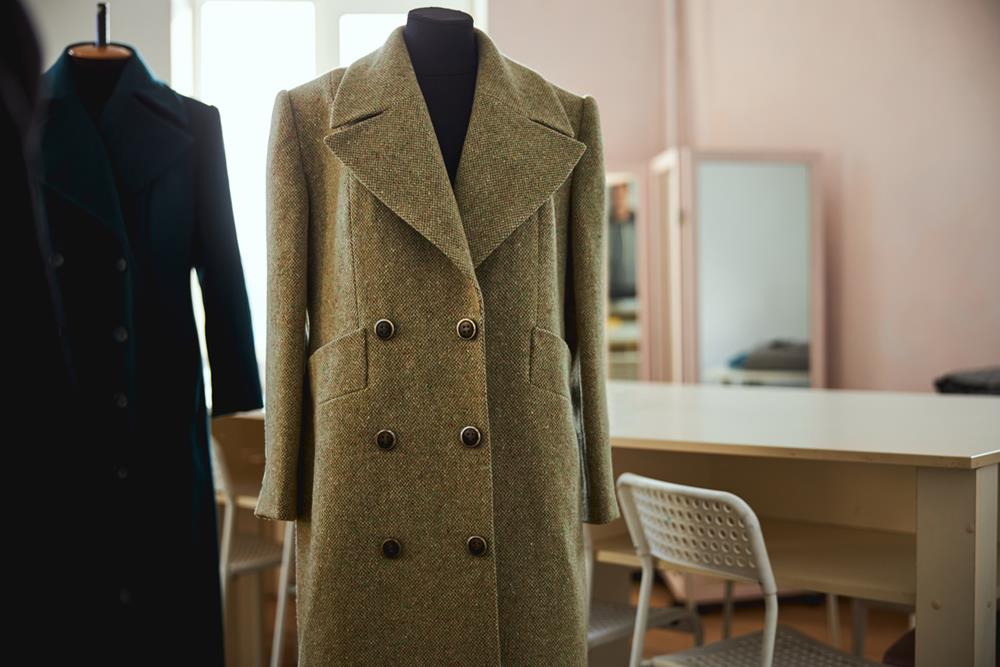
Swing coats became a popular outerwear choice in the 1960s. These coats had a loose, A-line shape that flared out from the shoulders. The style allowed for easy movement and comfort. Designers often made swing coats in bright colors and bold patterns. Some versions featured oversized buttons or funky collars. The playful look of swing coats fit well with the fun, youthful fashion of the era. Many young people liked how these coats could easily slip over their mod dresses and other trendy outfits.
White Boots That Walked Into History
Go-go boots made a bold statement in 1960s fashion. These eye-catching shoes typically reached mid-calf or knee-high. They often came in white with a low heel and round toe. Nancy Sinatra helped make go-go boots famous with her hit song “These Boots Are Made for Walkin’.” The catchy tune and Sinatra’s confident attitude perfectly matched the bold style of the boots. Many women embraced go-go boots as a symbol of fashion independence. The sleek look paired well with short skirts and dresses of the era.
Vibrant Color Blocks
The mid-1960s saw a burst of artistic influence in fashion. Designers drew inspiration from famous paintings, creating dresses that were like wearable art. These pieces featured bold, solid colors separated by black lines. The simple look hid complex construction techniques. Seamstresses had to carefully join different fabric pieces from inside the garment. This made the edges between colors seem to disappear. The straight, boxy shape of the dresses fit well with this style. Emilio Pucci also made his mark with bright, eye-catching prints. His designs used bold colors in swirling patterns. These clothes captured the energy of the era.
The Rise of the Jumpsuit
Jumpsuits made a big splash in the 1960s fashion scene. These one-piece outfits went from practical gear for skydivers to stylish statements. Vogue magazine first showed them off in 1964. Jumpsuits come in many styles. Some are sporty, while others are made of leather for nights out. They cover the whole body, making a bold look. Jumpsuits are more eye-catching than the cargo pants often seen today. When you wear a jumpsuit, you’re sure to stand out in any crowd.
Elegant First Lady Fashion
Jackie Kennedy set a new standard for First Lady style in the 1960s. Her fashion choices blended timeless elegance with modern trends, making her a style icon.
Kennedy’s signature look often included:
- Pillbox hats
- Simple sheath dresses
- Oversized sunglasses
- Pearls
- Elbow-length gloves
These classic pieces created a polished, sophisticated image. Kennedy worked closely with designers like Hubert de Givenchy to craft her wardrobe. She favored clean lines and solid colors that complemented her slim figure.
The First Lady’s style influenced women across America. Many sought to copy her refined look. Kennedy showed that fashion could be both stylish and appropriate for serious settings. Her wardrobe choices helped shape the image of the White House and American politics.
Beyond Kennedy, other style icons emerged in the 1960s. Audrey Hepburn popularized the “little black dress” as a versatile wardrobe staple. This simple garment allowed women to look chic on any budget.
Fashion in the 1960s saw major changes. Hemlines rose, and pants became acceptable for women to wear. Colors grew bolder and prints more daring. Still, the elegant looks favored by Kennedy remained popular for more formal occasions. American and British designers gained influence during this time. They began to rival the dominance of French fashion houses. This shift expanded fashion’s boundaries and brought fresh ideas to women’s wardrobes.
Shift Dress
The shift dress became a fashion icon in the 1960s. Its simple, straight shape appealed to both trendy and classic dressers. First Lady Jackie Kennedy helped make it popular by wearing designs from French and American creators. Women across the U.S. soon copied her style. The dress’s clean lines and easy fit made it a favorite for many.
- A-line shape
- Straight silhouette
- Popular with different fashion groups
- Worn by Jackie Kennedy
- Designs from French and American creators
Skirt and Jacket Combo
The skirt suit gained popularity as a structured style. It paired a boxy jacket with a matching skirt. This look moved away from the tight-fitting clothes of earlier years. The skirt suit gave a strong, professional image. It became a go-to choice for women in business settings. The outfit’s clean lines and tailored fit projected confidence and competence.
Menswear for Everyone
In the late 1960s, fashion took a bold turn. Yves Saint Laurent shook up the industry with his groundbreaking ‘Le Smoking’ collection. This daring line featured women in suits, a style once reserved for men. It caused quite a stir at the time.
The ‘Le Smoking’ suit became a symbol of female empowerment. It gave women a new way to express themselves through clothing. Saint Laurent believed this look would stand the test of time. He saw the tuxedo as a key piece in any woman’s wardrobe.
Pencil Skirt
The pencil skirt became a fashion icon in the 1950s and early 1960s. Its slim, tapered shape hugged the body and created a sleek silhouette. Women loved this flattering style for both work and social events.
As more women joined the workforce, the pencil skirt gained practical appeal. It offered a professional look while still being feminine. The skirt’s versatility made it a wardrobe essential. Paired with a blouse or sweater, it was perfect for the office or a night out.
The Little Black Dress
The little black dress is a timeless fashion staple. It’s a versatile piece that works for many occasions. The dress is simple yet elegant, often knee-length, with minimal details. It doesn’t overshadow the wearer but enhances their natural beauty.
Many famous women have worn iconic little black dresses. Audrey Hepburn‘s dress in “Breakfast at Tiffany’s” is especially well-known. Elizabeth Taylor also wore memorable black dresses throughout her career.
Big Shades Make a Statement
Oversized sunglasses are a bold fashion choice. They cover a large part of the face, creating a striking look. These glasses offer more than style. They give good sun protection for the eyes and skin around them. Many people like how they can hide tired eyes or no makeup. Celebs often wear big shades to stand out or stay private in public.
Hippie Culture and Style
The hippie movement of the 1960s brought a fresh wave of self-expression and free-spirited living. Hippies rebelled against mainstream culture and embraced a more relaxed, nature-inspired lifestyle. Their fashion choices reflected this mindset, favoring comfort and individuality over trendy styles.
Hippie fashion was all about loose, flowing garments. Popular items included:
- Bell-bottom jeans
- Tie-dye shirts
- Fringe vests
- Peasant blouses
- Flower crowns
These clothes often featured bright colors and bold patterns. Hippies mixed and matched pieces to create unique looks that spoke to their personal style.
Music played a big role in hippie culture. Artists like John Lennon and Cher became icons of the movement. Their songs and style influenced many young people to join the hippie way of life. Hippies cared deeply about social and political issues. They spoke out against war and fought for civil rights. This activism shaped their fashion choices, too. Many hippies wore peace symbols and other meaningful accessories to show their beliefs.
Wide-Legged Denim
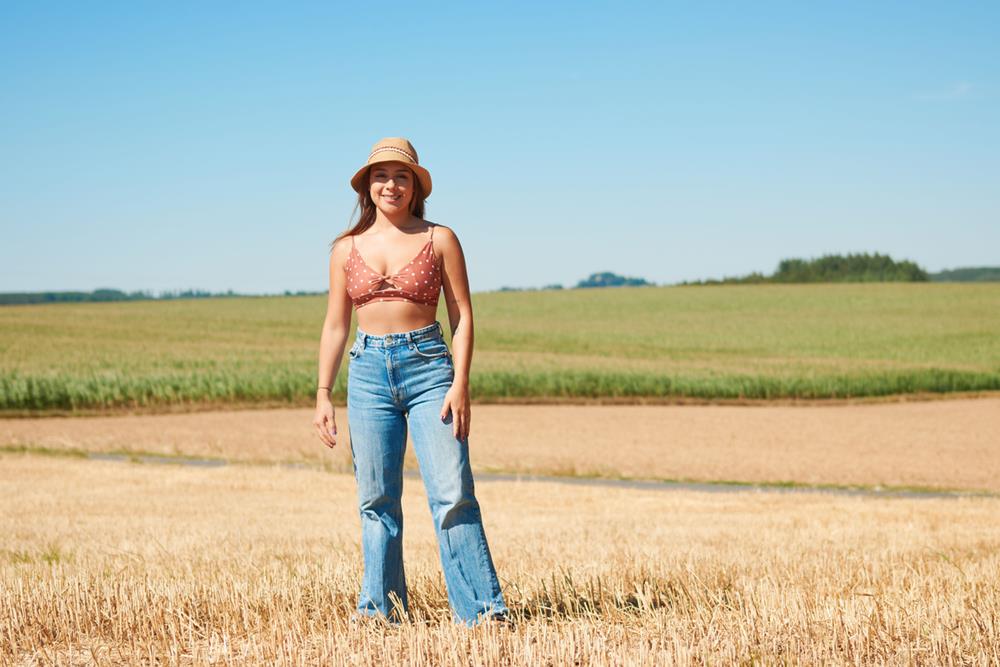
Bell-bottom jeans, also known as flares, became a symbol of youth culture in the 1960s. These pants started narrow at the thigh and widened from the knee down. At first, wearing jeans was seen as rebellious. Young people sometimes snuck out of the house in them.
The style gained popularity and became mainstream. Flares represented freedom and change during a time of social shifts. Both men and women embraced the look.
- Made from denim
- Tight fit at hips and thighs
- Flared out below the knee
- Popular among young people
Bell bottoms went beyond fashion. They stood for new ideas and attitudes. The wide legs swished as people walked, making a statement with each step.
Linking Style with Chain Belts
Chain belts were a fun ’60s accessory that added flair to outfits. These belts often had circular or square designs that gave a geometric look. They could dress up a simple outfit or add an edgy touch. Chain belts were versatile and worked with many styles popular during that decade.
Trippy Threads
Psychedelic fashion brings a burst of color to everyday life. Swirling patterns and bright hues mix together in eye-catching ways. Tie-dye shirts are a big part of this look. People make them by twisting fabric and adding dye.
Polka dots also fit into the psychedelic style. They mix well with other bold designs. Artists like Roy Lichtenstein shaped these wild fashions. Their art inspired clothing makers to try new things. Wearing these funky clothes can lift moods. It’s a fun way to stand out and express yourself.
Flower Power
Floral patterns became a major fashion trend in the 1960s. This style took off rapidly, becoming popular with many groups. Flowers appeared on clothes, accessories, and artwork. The look was linked to ideas of peace and love. People wore bright, bold flower prints to express themselves and their beliefs.
Paisley Power
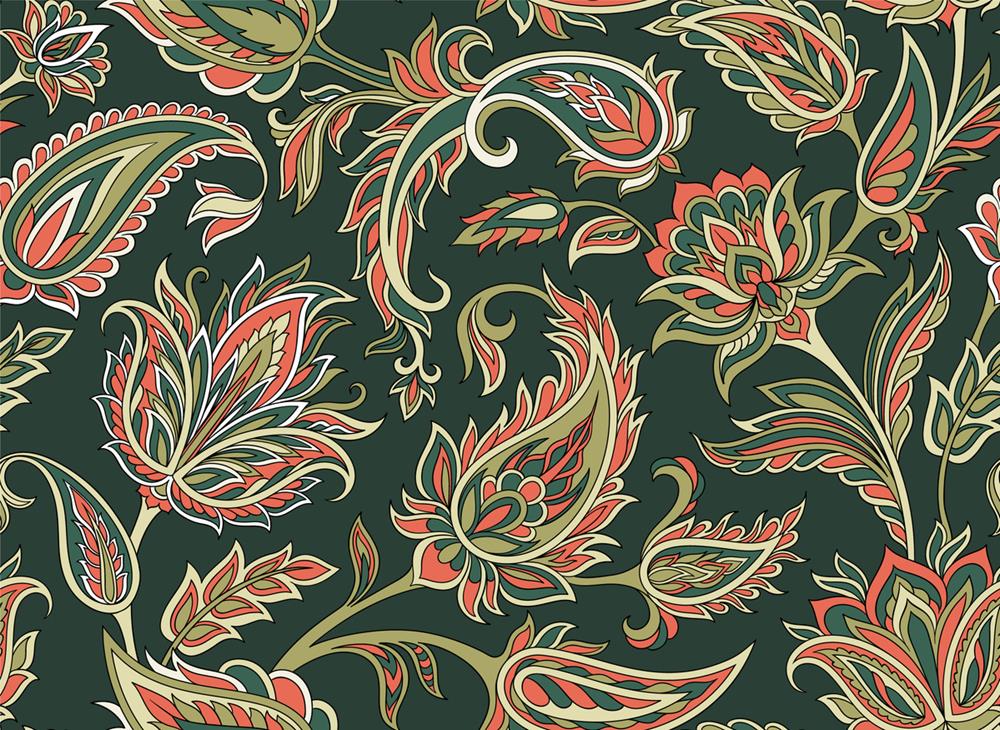
Paisley print made a big splash in 1960s fashion. The swirling, teardrop-shaped pattern caught on like wildfire. It became a symbol of the hippie movement and Summer of Love. Big names in music, like The Beatles, helped spread its popularity. They wore paisley during their India-inspired phase. Fashion designers jumped on the trend, too. They put paisley on everything from shirts to dresses. The print’s exotic look fits perfectly with the free-spirited vibe of the era. It was bold, eye-catching, and different from anything before.
Farmhouse Chic
Hippies in the 1960s embraced a rustic style inspired by European peasant clothing. This trend mixed loose fabrics with free-thinking ideals. People wore flowy garments that allowed for easy movement. Scarves became a popular accessory, often tied around the neck or head. Crochet items like vests and bags added a handmade touch to outfits.
The look aimed to reject mainstream fashion and celebrate a simpler way of life. It reflected the counterculture’s interest in getting back to nature and questioning societal norms. While the trend romanticized rural life, it overlooked the hard work of actual farmers.
Afghan Coat
The Afghan coat became a fashion icon in the 1960s and 1970s. These unique garments blended Eastern influences with Western counterculture style. Made from sheepskin and adorned with intricate embroidery, Afghan coats quickly caught on among hippies and musicians.
The coats gained massive popularity when John Lennon wore a yellow one to a Beatles album launch in 1967. Soon, they were sold in trendy London boutiques. Afghan coats symbolized rebellion against mainstream fashion and a desire for exotic self-expression.
Conclusion
The fashion trends of the 1960s were a bold departure from the conservative styles of the previous decade, ushering in a new era of self-expression, freedom, and cultural influence. From mod styles and miniskirts to the vibrant colors of psychedelic fashion and the bohemian flair of hippie culture, the decade was marked by innovation and rebellion. These iconic looks reflected the social movements of the time and continue to inspire today’s fashion world.