

Pet-friendly travel didn’t emerge as a trend overnight—it developed as culture. As pets became more integrated into daily routines, it started to feel inconsistent to exclude them from major experiences like travel. What was once seen as impractical—bringing animals on trips, into hotels, or across long distances—slowly shifted into something expected.
Today, pet-friendly travel exists as both behavior and identity. It reflects how people define family, how they spend their time, and how they present their lives publicly. What began as a practical adjustment has evolved into a recognizable pattern embedded in pop culture.
Why Traveling With Your Dog Is Now Completely Normal
Traveling with your dog has become normalized because everyday expectations have changed. Pets are no longer viewed as separate from major life activities. Instead, they are included in routines, decisions, and experiences, including travel. This shift reflects a broader move toward integrating personal relationships into all aspects of life.
As this mindset spread, infrastructure adapted. More accommodations, transportation options, and public spaces began to support pet inclusion. This didn’t happen instantly—it developed as businesses responded to consistent demand. Over time, what once required special planning became part of standard travel preparation.
Social behavior reinforced this change. Seeing others travel with pets made the idea more familiar and accessible. As participation increased, it created a feedback loop where inclusion became the default. Traveling with a dog is no longer seen as an exception—it’s simply part of how many people experience travel.
How Pop Culture Made Pet Travel the New Family Vacation
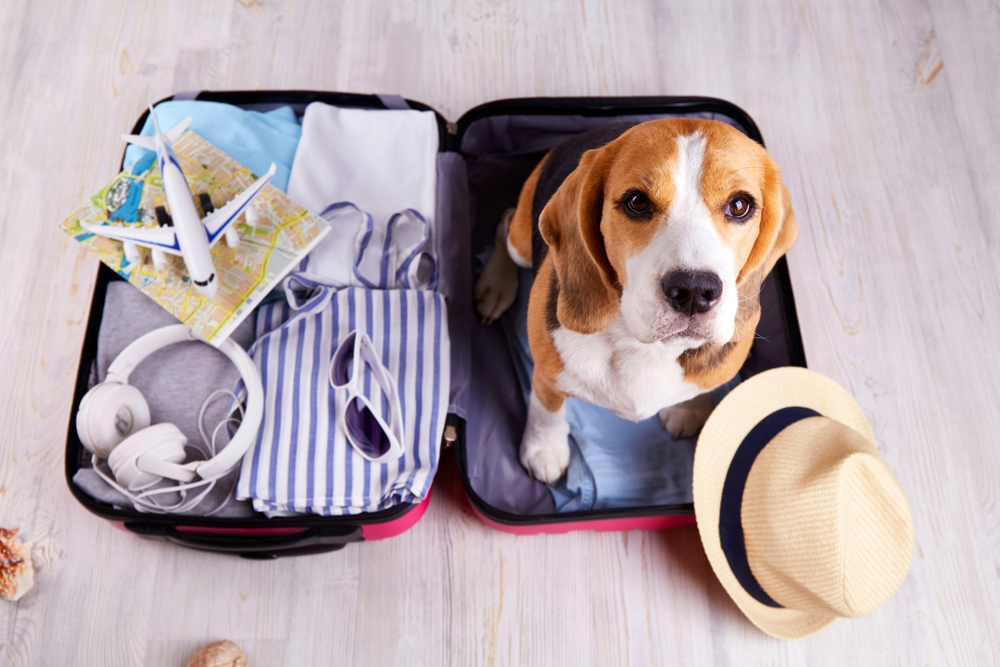
Pop culture played a major role in redefining what a family vacation looks like. Influencer pets and celebrity appearances helped shift public perception, turning animals into visible participants in lifestyle content. These representations normalized the idea that pets belong in shared experiences rather than being left behind.
This visibility changed expectations. When audiences repeatedly saw pets included in travel, it reframed what felt typical. The presence of animals in media made pet-inclusive travel feel less like a choice and more like a natural extension of daily life. Over time, this influenced real-world behavior, shaping how people plan their trips.
As a result, the concept of a “family vacation” expanded in a meaningful way. Pets are now treated as active participants rather than passive companions, shaping where people go and how they experience those places. This evolution reflects the broader influence of media on everyday life, where representation leads to adoption.
The Pet-Friendly Cities Worth Planning a Trip Around
Certain cities have become known for how well they accommodate pet-inclusive lifestyles. These places go beyond simply allowing pets—they actively design environments where animals are part of everyday life. Parks, walking trails, outdoor dining areas, and public spaces are structured in ways that make it easy for pets to be present without disrupting the flow of activity.
These cities also function as cultural examples of what happens when infrastructure and behavior align. Businesses, local policies, and community norms all contribute to an environment where pet-friendly travel feels effortless rather than intentional. Cafés expect dogs on patios, parks include designated off-leash areas, and events often incorporate pet participation as part of the experience.
Over time, these destinations begin to influence expectations elsewhere. Travelers who experience this level of integration start to look for it in other places, raising the standard for what qualifies as “pet-friendly.” As demand grows, other cities adapt, gradually adopting similar features and policies. What starts as a localized advantage becomes part of a broader shift, shaping how travel environments are designed and how people expect to move through them with their pets.
Where to Stay When You Travel With Your Pet
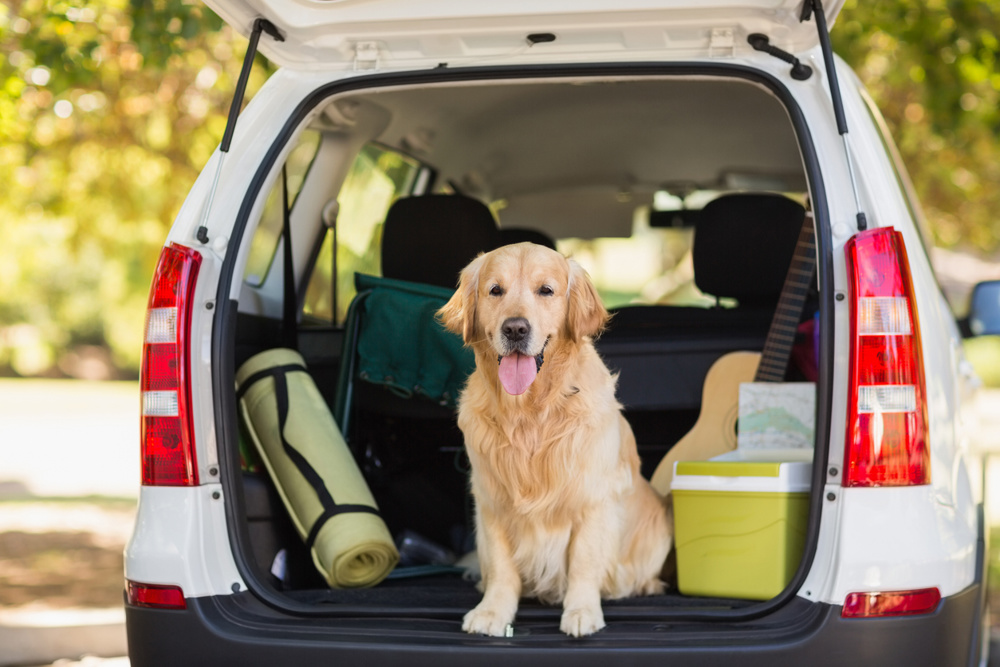
Accommodation plays a central role in how pet-friendly travel is experienced. Hotels, rentals, and short-term stays are no longer just places to sleep—they shape how comfortable and flexible a trip can be. When pets are included, these spaces must balance practicality with comfort, ensuring that both the traveler and the animal can settle in without disruption.
As a result, accommodations have become more intentional in how they support pet-inclusive stays. Clearer policies around size limits, fees, and behavior expectations reduce uncertainty before arrival. Amenities such as designated pet areas, easy outdoor access, and durable room materials reflect a growing awareness of what pet owners actually need.
At the same time, these spaces reflect broader cultural values. Welcoming pets signals an understanding of how modern lifestyles are structured, where comfort extends beyond the individual to include companions. This shift influences how accommodations position themselves in a competitive market, with pet-friendly policies becoming less of a niche feature and more of a standard expectation.
What to Look for in a Pet-Friendly Destination
Choosing a destination now involves more than just scenery or attractions. Travelers increasingly evaluate whether a place supports their lifestyle as a whole, including how easily pets can be included. This shifts travel from an individual experience to a shared one, where comfort, accessibility, and flexibility apply to both the person and the pet.
Key elements begin to shape that decision more clearly. Accessible outdoor spaces, such as parks, trails, and walkable areas, allow pets to be part of daily activities rather than an afterthought. Clear policies around dining, lodging, and transportation reduce uncertainty, making it easier to plan without constant adjustments.
This approach reflects a broader shift in how people think about travel itself. Instead of adapting to rigid environments, travelers now look for destinations that align with how they already live. Pet-friendly travel becomes part of a larger pattern of personalization, where experiences are selected based on compatibility rather than compromise.
How Airlines and Trains Are Catching Up With Pet-Friendly Travel
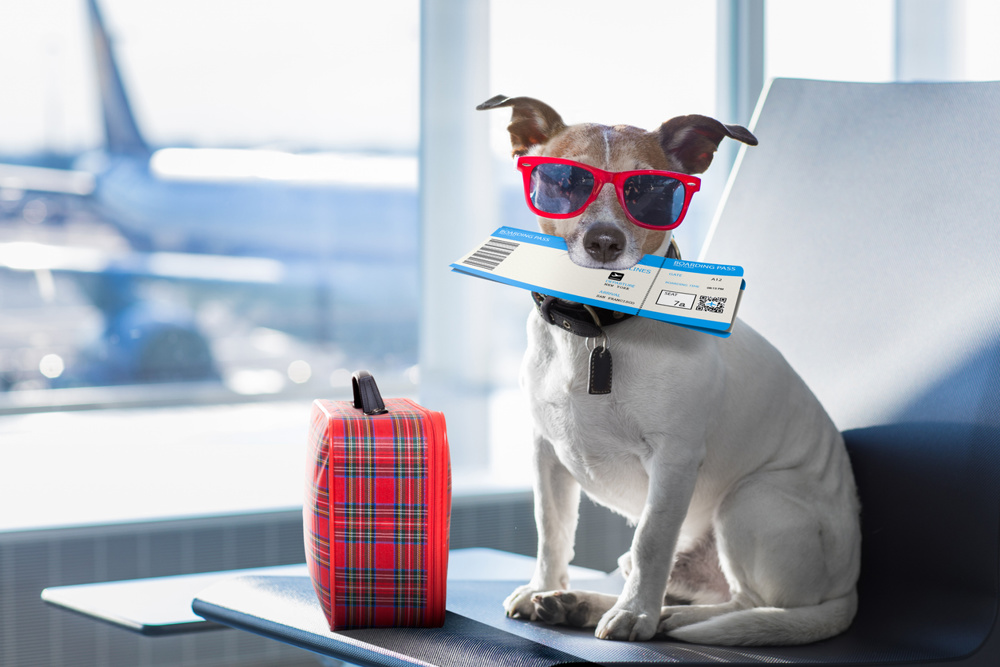
Transportation systems have historically been slower to adapt, largely because of safety, logistics, and regulatory challenges. However, visible changes are beginning to emerge as demand for pet-inclusive travel continues to grow. Airlines and rail services are recognizing that travelers increasingly expect pets to be included, not excluded, and this expectation is gradually reshaping how mobility is designed.
These adjustments are appearing in multiple forms. Airlines are introducing clearer guidelines for in-cabin travel, expanding size and weight allowances, and improving safety measures to reduce stress for both pets and owners. Rail systems, often more flexible by design, are also refining their policies to accommodate small and medium-sized animals more comfortably.
This progression highlights a larger pattern of infrastructure responding to cultural demand. As more people integrate pets into their daily lives, transportation systems are forced to evolve alongside them. Over time, these incremental changes contribute to a more seamless travel experience, where including a pet feels like a natural part of planning rather than a complicated workaround.
How Social Media Made Dog Travel a Lifestyle Statement
Social media transformed pet travel from a private activity into a highly visible and repeatable cultural behavior. Platforms like Instagram and TikTok allow users to document trips in real time, turning everyday moments into curated content that reaches global audiences.
This visibility creates aspiration—when people repeatedly see pets included in travel experiences, it begins to feel like a standard rather than a novelty. The visual nature of these platforms plays a major role in shaping perception. Scenic landscapes, coordinated aesthetics, and carefully framed moments all contribute to how pet travel is presented.
Over time, these repeated patterns create a recognizable identity around pet-friendly travel. It becomes associated with values like companionship, flexibility, and intentional living. Pets are no longer just part of the trip—they become central to the narrative being communicated. In this way, pet travel moves beyond practicality and enters the realm of self-expression.
How Pet Travel Became a Form of Lifestyle Signaling
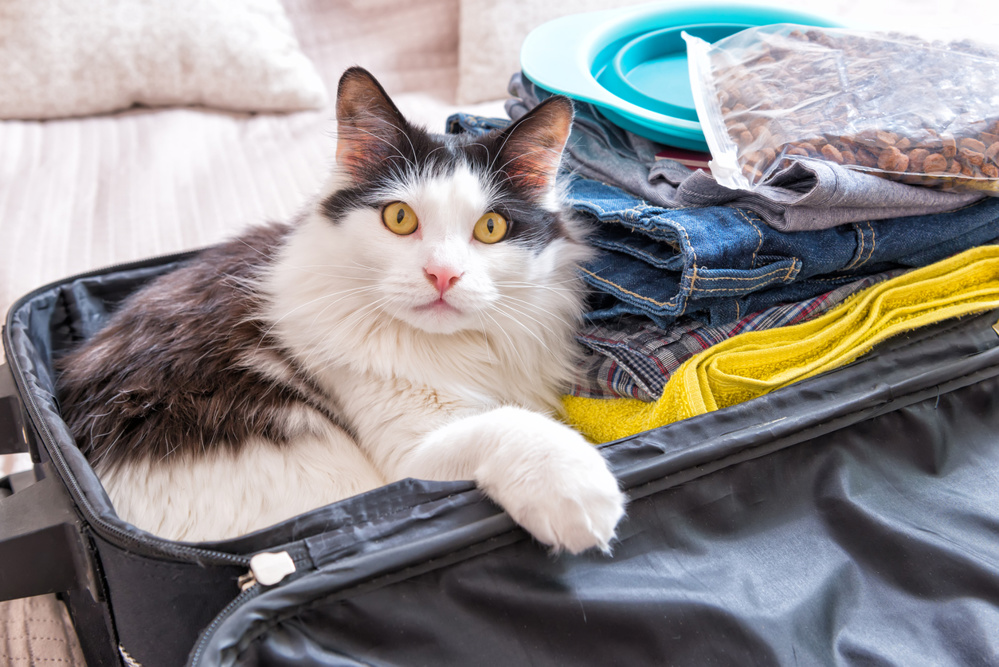
Pet travel now functions as a subtle but powerful form of communication. Bringing a pet along on trips signals priorities—connection, flexibility, and the importance of shared experiences. These signals aren’t explicitly stated, but they are widely recognized within contemporary culture.
This is particularly visible in digital spaces, where pet-inclusive travel is consistently documented and shared. Photos and videos of dogs in airports, hotels, or scenic destinations present a curated version of life that emphasizes balance and intentional living. The presence of a pet transforms ordinary travel moments into something more meaningful.
Because of this, pet travel carries cultural weight beyond practicality. It reflects how individuals choose to present themselves and what they prioritize in their lives. Over time, this signaling becomes part of a broader visual language, where including a pet communicates identity just as clearly as the destination or activity itself.
Why Pet-Friendly Travel Reflects Changing Definitions of Family
The rise of pet-friendly travel reflects a broader shift in how people define family. Pets are increasingly viewed as central members of the household rather than secondary companions. This change influences decisions across daily life, from housing and work routines to how people plan their time and experiences.
Travel becomes a natural extension of these relationships. Instead of separating pets from major activities, people integrate them into experiences that were once considered human-only. This approach reinforces the idea that family is defined by emotional connection rather than traditional structures, making inclusion a default rather than an exception.
As this perspective becomes more widespread, it reshapes cultural expectations. Pet-friendly travel is one visible outcome of this shift, illustrating how evolving definitions of family influence behavior. It highlights a move toward more flexible, inclusive ways of living, where relationships are prioritized across all aspects of life.
How the Travel Industry Is Reshaping Itself Around Pets
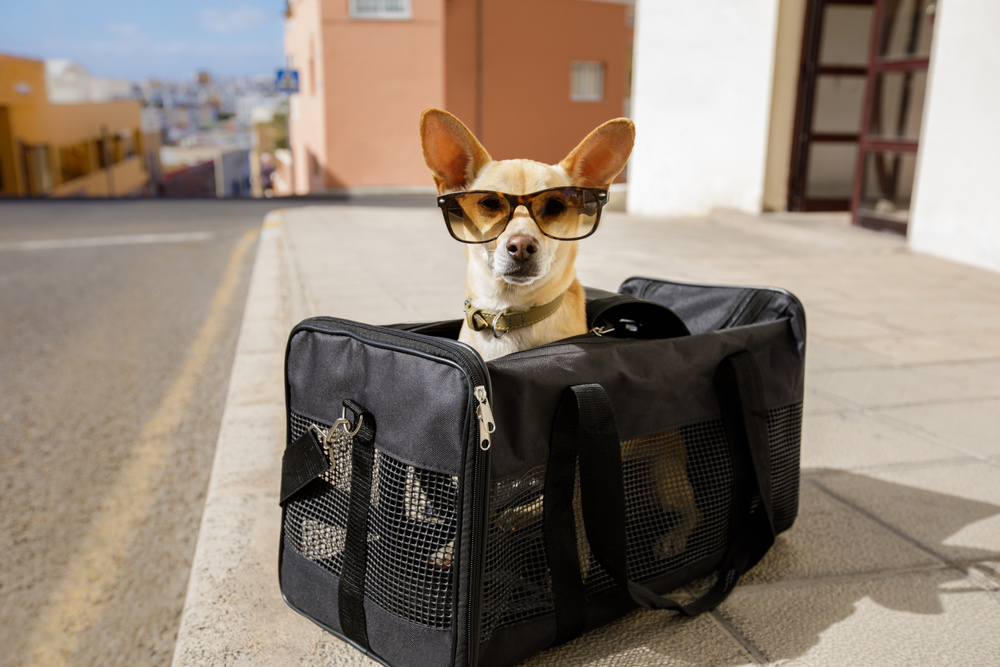
The travel industry is actively adapting to support pet-inclusive lifestyles. Services are being redesigned to include pets at every stage of the journey, from booking systems to on-site experiences. Clearer policies, expanded amenities, and improved coordination between providers make it easier for travelers to include pets without added complexity.
This transformation reflects a broader trend toward personalization. Travelers increasingly expect experiences that align with their individual needs, and pets are now part of that expectation. Businesses that recognize this shift are adjusting their offerings, creating environments that accommodate both people and their animals more seamlessly.
Over time, these changes reinforce the normalization of pet-friendly travel. What was once considered an extra feature becomes a standard part of the experience. This progression shows how deeply the trend has been integrated into modern travel culture, reshaping both industry practices and consumer expectations.
Conclusion
Pet-friendly travel is no longer a niche behavior—it reflects a broader shift in how modern life is structured. As pets become more integrated into daily routines, it feels increasingly natural to include them in experiences like travel rather than leaving them behind.
As a result, pet-friendly travel continues to expand—not as a short-lived trend, but as an ongoing cultural shift. It reflects how people design their lifestyles around relationships, prioritize emotional connection, and express identity through everyday decisions. In this way, traveling with pets becomes more than a practical choice—it becomes a visible expression of modern living.