

DIY tool culture didn’t just appear on social media—it evolved over centuries before becoming a recognizable part of modern life. What began as a necessity for survival gradually transformed into a form of expression, shaped by rebellion, media, and technology. Today, tools are no longer just functional objects; they carry cultural meaning, appearing in films, online content, and everyday identity.
What makes DIY tool culture unique is how it bridges past and present. From early craftsmanship to viral videos, it reflects how people relate to creation, independence, and self-expression. Understanding how it developed helps explain why it continues to resonate so strongly in pop culture today.
Where DIY Tool Culture Actually Started
DIY tool culture began long before modern tools existed. Early humans created basic implements from stone, bone, and wood, not as hobbies but as essential tools for survival. These early innovations allowed people to hunt, build, and adapt, forming the foundation for human development and cooperation.
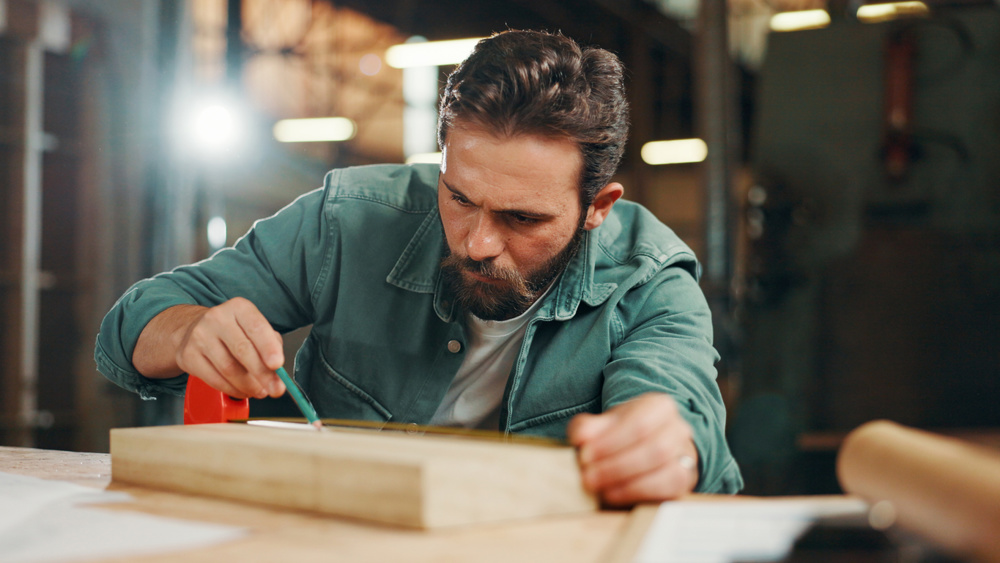
As societies evolved, tool use became embedded in everyday life. Before industrialization, people built their own homes, made their own clothing, and relied on handcrafted tools for nearly every task. Skill and self-reliance were not optional—they were necessary. This period established a deep connection between tools and identity, where what you could make defined how you lived.
Even as industrialization shifted production toward factories, the cultural memory of self-made work remained. DIY never disappeared—it simply changed form. What was once required for survival became something people returned to for control, creativity, and independence.
How Punk Gave DIY Tools a Rebellious Identity
When punk exploded onto the scene in the 1970s, it didn’t just challenge mainstream music — it weaponized DIY culture as an act of defiance. Punks rejected corporate merchandise entirely, choosing instead to create their own patches, pins, and accessories from scrap fabric, bottle caps, and aluminum cans.
Patch symbolism ran deep — every hand-stitched band name, anarchist icon, or protest message declared your identity and political stance without compromise. Your battle jacket wasn’t bought; it was built. This anti consumerism ethos extended beyond fashion into music and media, fueling independent labels, zines, and DIY venues. Fast-fashion brands eventually commodified the aesthetic, but true punk culture pushed back by keeping production personal.
Zines, in particular, became powerful grassroots tools covering everything from DIY ideas to queer issues and human rights, serving as vital information sources for those without access to libraries. Much like the silhouette’s origins in France, where the cheapest portrait method became a symbol of folk identity and resistance against elite culture, punk’s handmade aesthetic turned economic limitation into artistic defiance.
When DIY Tools Moved From Garages to Mainstream Shelves
For years, DIY tools were associated with specialists—people with dedicated workshops and technical knowledge. Over time, that changed. Tools became more affordable, widely available, and easier to use, bringing DIY into everyday households.
This accessibility reshaped who could participate. You no longer needed professional training to complete projects. Hardware stores, simplified tool designs, and instructional resources made it possible for beginners to engage with DIY in a practical way. What was once niche became mainstream.
As tools became more accessible, DIY shifted from a specialized skill to a common activity. This expansion laid the groundwork for its presence in pop culture, making it something people could recognize, relate to, and participate in.
How Movies, TV, and Ads Made DIY Tools Part of Pop Culture
DIY tools didn’t just spread through hardware stores and home workshops — they worked their way into living rooms through commercials, TV shows, and films that made building and fixing things look genuinely cool.
Film influence and ad nostalgia shaped how you perceive tools today. Tracking how these ads perform is easier than ever, with resources like the Super Bowl LX Ad Performance Report available for download to measure effectiveness.
These memorable moments cemented DIY culture:
- Apple’s 1984 Super Bowl ad inspired individuality, influencing how tool brands frame empowerment
- The 1995 Cool Tools Power Workbench commercial made toy DIY tools a childhood must-have
- Lego’s 1981 ad promoted daily reinvention through building, revived in 2008 for its 50th anniversary
- Ikea’s 2019 Christmas ad used home repair themes for viral cultural impact
- Yellow Pages’ JR Hartley ad proved character-driven storytelling builds lasting emotional connections
The DIY Tools That Became Genuine Cultural Icons
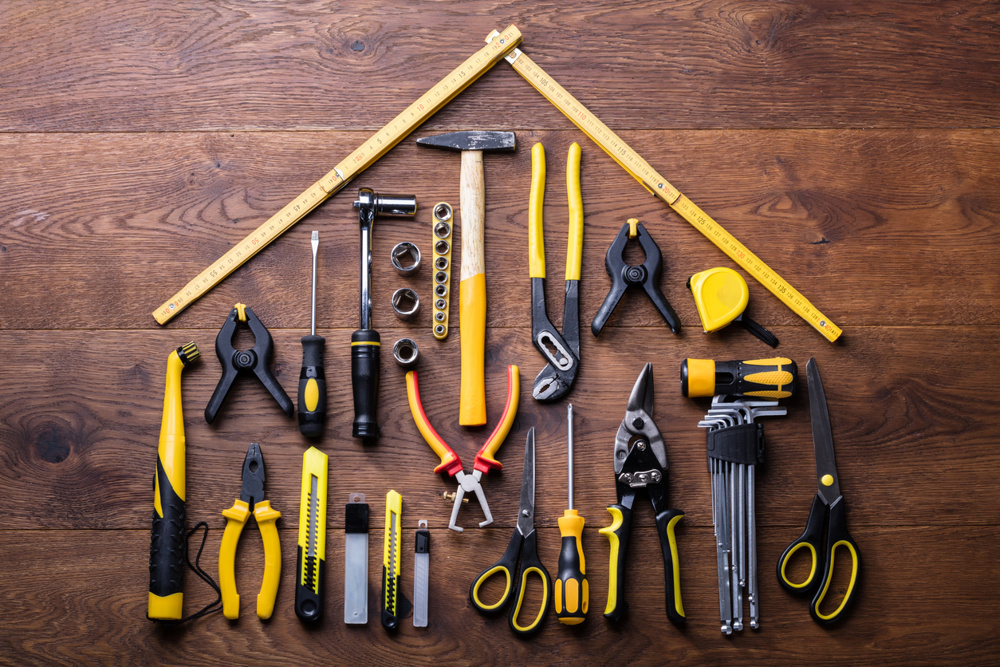
Some tools have moved far beyond their original purpose and taken on recognizable cultural meaning. Power drills, saws, and toolkits are no longer just functional items—they appear consistently in advertisements, films, and digital content as visual shorthand for capability. When these tools show up on screen, they immediately communicate action, and transformation without needing explanation.
That symbolic role is tied closely to what the tools represent. They signal independence—the ability to build something yourself rather than rely on outside help. They also represent creativity, turning raw materials into finished results through skill and effort. Because of this, tools often stand in for a broader idea: control over one’s environment.
As a result, tools are no longer neutral within cultural storytelling. They communicate identity, values, and intent, even when used casually. Their continued presence across media keeps reinforcing these associations, ensuring they remain recognizable and meaningful. In this way, DIY tools have become part of a shared visual language that connects everyday activity with larger cultural ideas.
Why Cosplayers and Fandoms Took DIY Tools Seriously
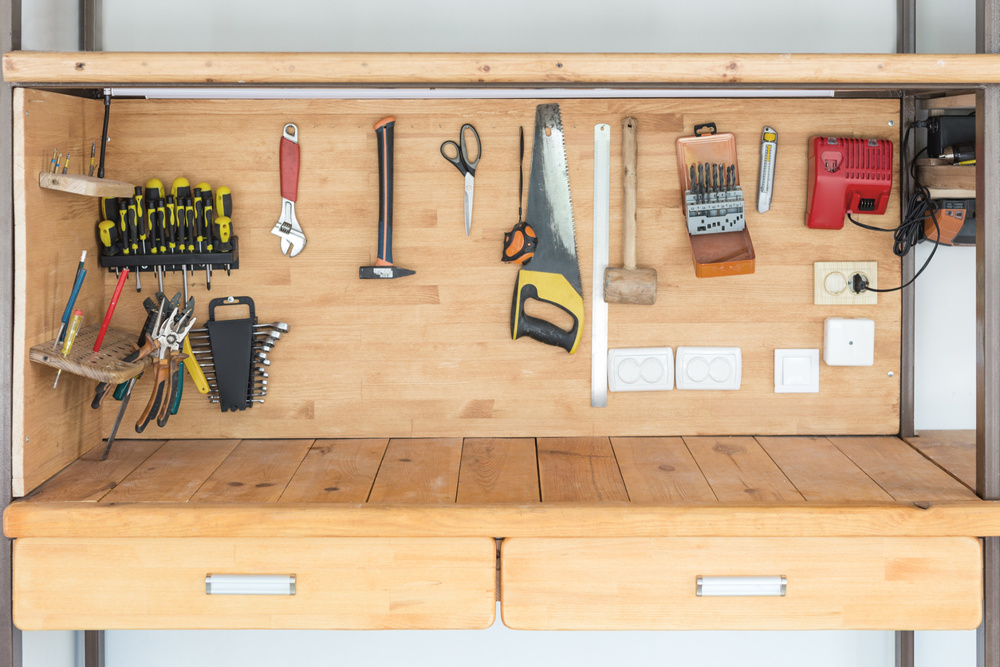
Cosplay and fandom communities have pushed DIY into a highly specialized and creative space. Recreating characters from films, games, and comics requires a level of precision that goes beyond casual crafting. Tools are essential in this process, enabling builders to shape materials, construct detailed components, and refine designs to closely match original sources.
Within these communities, DIY is treated as both art and discipline. Builders invest time in learning techniques, experimenting with materials, and improving accuracy. The process involves multiple stages—cutting, assembling, painting, and finishing—each requiring different tools and skills. This structured approach turns DIY into a craft that demands both creativity and technical understanding.
This connection between fandom and DIY highlights a deeper cultural function. Creating a costume or prop is not just about making an object—it’s about participating in a larger narrative. Tools make that participation possible, allowing individuals to physically engage with the stories they care about. In this way, DIY becomes a bridge between imagination and reality.
Maker Culture, 3D Printing, and the New DIY Toolkit
Modern technology has significantly expanded what DIY can achieve. Tools like 3D printers, laser cutters, and digital design software allow individuals to create objects with precision that was previously limited to industrial settings. This shift has transformed DIY from primarily manual work into a combination of physical and digital creation.
At the same time, these technologies have lowered barriers to entry. Beginners can start with simple designs, while more experienced creators can build complex prototypes and products. Maker spaces, online tutorials, and shared resources provide access to both tools and knowledge, making participation more inclusive.
This evolution has reshaped how DIY is perceived. It is no longer limited to traditional crafts or repairs—it includes innovation, experimentation, and even entrepreneurship. By blending creativity with technology, maker culture reflects how modern tools are redefining what it means to create.
Why DIY Tool Culture Continues to Grow in Pop Culture
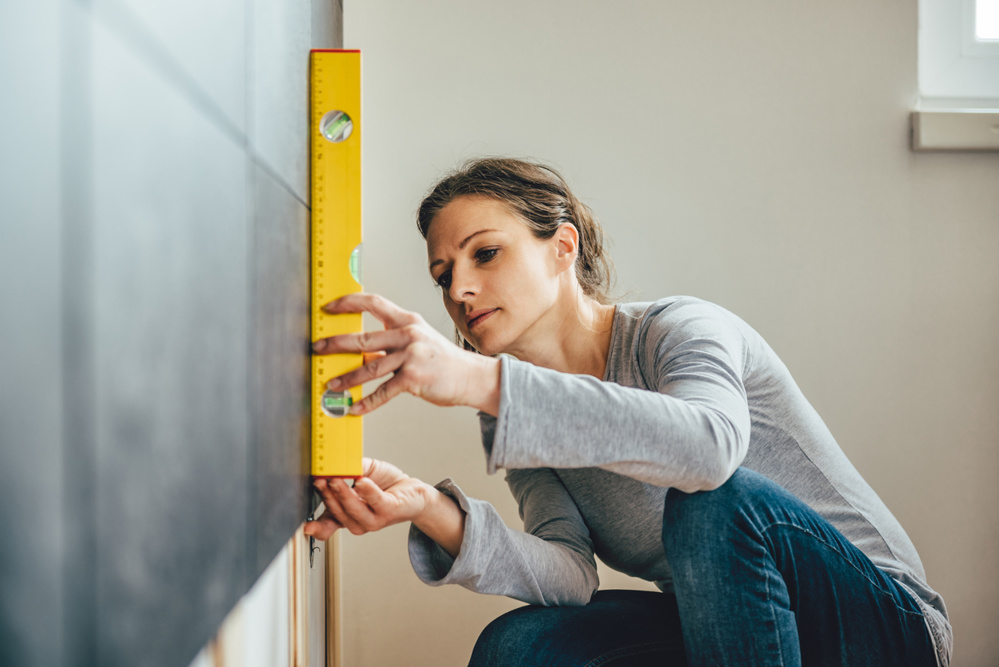
DIY tool culture continues to grow because it aligns closely with modern values. People increasingly prioritize personalization, authenticity, and control over their surroundings. DIY provides a direct way to achieve these goals, allowing individuals to shape their environment according to their preferences rather than relying on standardized products.
This alignment keeps DIY highly visible in media and lifestyle trends. Home renovation shows, online tutorials, and social media content all reinforce the appeal of building and creating. These representations make DIY feel both achievable and desirable, encouraging more people to engage with it. As a result, it remains a consistent presence in popular culture.
As long as these values remain relevant, DIY culture will continue to expand. It adapts easily to changing trends, whether through new tools, platforms, or creative styles. This flexibility ensures that DIY remains not just a practice, but an ongoing cultural movement.
How DIY Tools Became a Form of Identity Expression
DIY tools have become closely connected to how people express identity. The projects individuals choose, the materials they work with, and the styles they prefer all communicate personal taste and values. Tools make this expression possible, turning abstract ideas into tangible results.
Unlike mass-produced items, DIY creations are inherently unique. Each project reflects a series of decisions, from design to execution, making the final product a direct extension of the creator. This individuality adds meaning, transforming everyday objects into representations of personal effort and creativity.
Because of this, tools are no longer just functional—they are part of how people define themselves. The act of creating becomes a form of communication, shaping how others perceive both the work and the person behind it. This connection reinforces the cultural significance of DIY in modern life.
How DIY Turns Everyday Consumption Into Participation
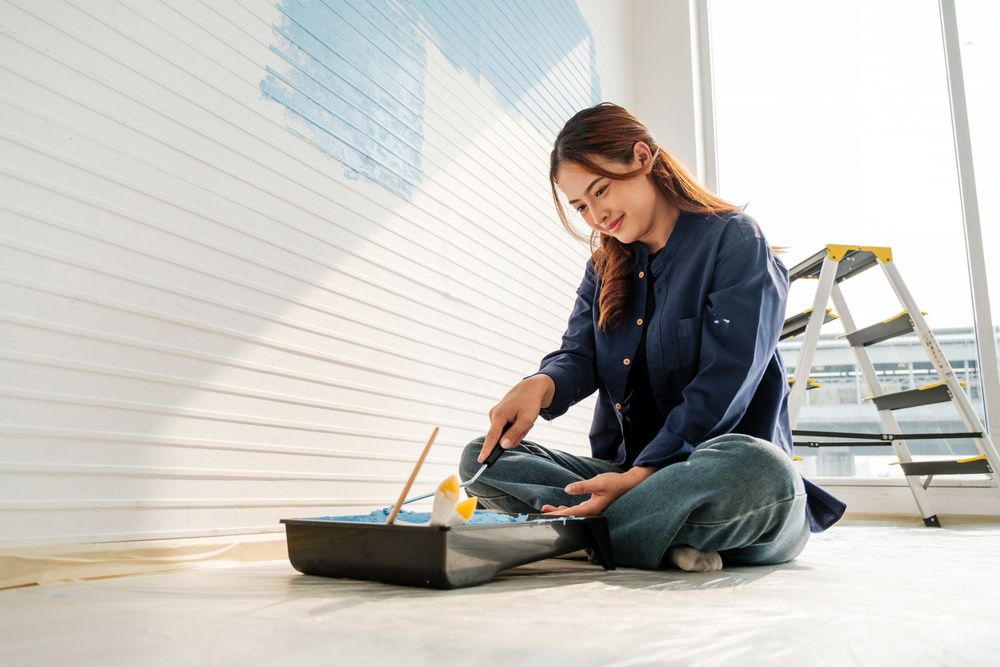
One of the most significant shifts in DIY culture is how it transforms consumption into participation. Instead of simply purchasing finished products, people engage directly in the process of creating or modifying them. This involvement changes the role of the consumer, turning passive behavior into active engagement.
As a result, value is perceived differently. Items are no longer defined solely by price or brand—they carry meaning based on the effort and creativity invested in them. The process of making becomes just as important as the final outcome, adding depth to everyday objects.
This shift reflects a broader cultural movement toward interaction and intentionality. DIY encourages people to take part in shaping their environment rather than simply accepting it. In doing so, it reinforces its role in modern culture as both a practical activity and a form of participation.
Conclusion
DIY tool culture has evolved from a basic survival necessity into a defining element of modern pop culture. What began with early human innovation has been reshaped by rebellion, media, and technology into something deeply connected to identity and expression.
What makes this transformation significant is its consistency across different areas. Tools appear in media, social platforms, and everyday life, reinforcing the same idea: creation is meaningful. This alignment turns individual projects into part of a larger cultural narrative.