

Beauty pageants have journeyed from symbolic celebrations in ancient cultures to sophisticated international spectacles. Over thousands of years, they have mirrored humanity’s evolving concepts of beauty, femininity, and public representation.
From localized festivals and early photography contests to televised global events and digital platforms, pageants now blend tradition with modern values like advocacy and inclusion. This evolution reflects society’s changing attitudes toward gender roles and cultural ideals.
Key Takeaways
- Ancient kallisteia and the Judgment of Paris symbolize early cultural connections between beauty and power.
- The 1888 Spa contest and Miss America 1921 marked the birth of modern pageantry.
- The Big Four pageants globalized beauty standards while reflecting diverse cultural values.
- Social movements in the 1960s–1980s transformed pageants into platforms for advocacy and inclusion.
- Modern contests emphasize diversity, intelligence, and leadership, redefining global beauty ideals.
Ancient Festivals and Medieval Beauty Competitions

While modern pageants are associated with entertainment, their roots can be traced symbolically to ancient Greece, where localized festivals like kallisteia celebrated male beauty. These events had religious significance but were not directly connected to contemporary pageantry.
Similarly, the Judgment of Paris myth reinforced beauty’s association with power and conflict, inspiring later artistic and cultural narratives.
In medieval Europe, festivals such as May Day celebrations crowned queens for their beauty and character, reflecting community values. Participants adorned with floral crowns became symbolic figures of renewal and grace. Though these traditions celebrated aesthetics, modern pageants emerged much later, influenced by evolving societal norms and entertainment culture.
Much like the flower children of the 1960s who adorned themselves with blossoms as symbols of peace and beauty, these early pageant participants often wore floral crowns to signify their special status.
The Birth of Modern Pageantry (1888-1921)
The modern beauty pageant began in Spa, Belgium, with the 1888 Inter-City Beauty Contest, where Bertha Soucaret became the first winner of a formal competition judged by photographs and profiles. This structured approach set the stage for contemporary pageantry.
In the United States, beauty contests gained popularity with the 1880 Rehoboth Beach competition and expanded into larger events like Miss America, launched in 1921 in Atlantic City to boost tourism. Early controversies over objectification prompted organizers to include criteria beyond physical appearance, incorporating poise and personality.
This evolution mirrors how traditional print media like USA Today adapted to changing times by creating television shows in the late 1980s. The tension between celebration and criticism reflected society’s evolving views on gender roles and women’s public visibility.
Expanding Globally: The Rise of International Beauty Contests
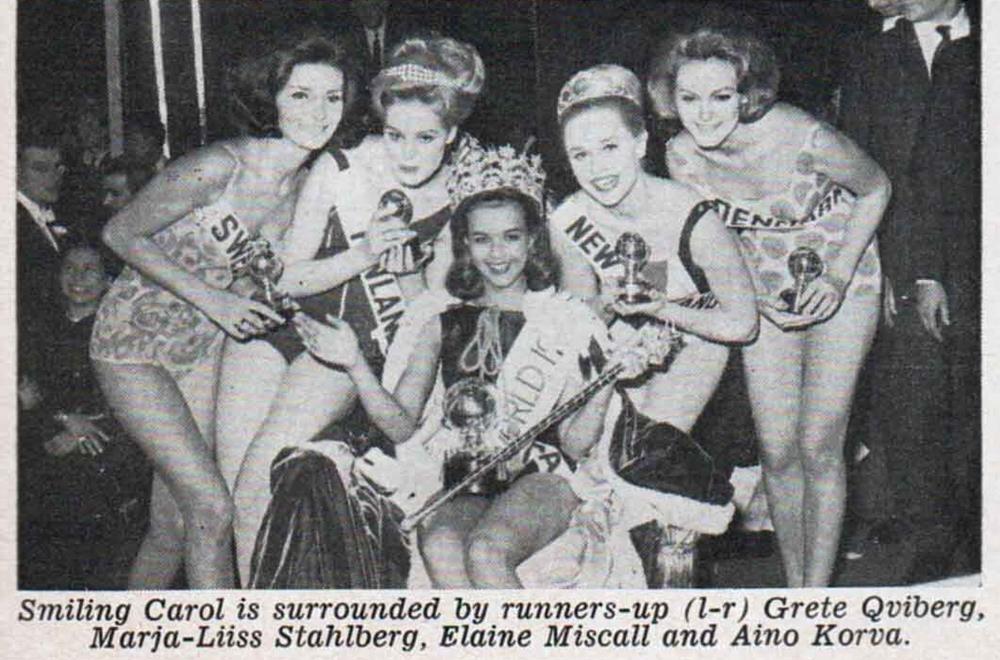
By the mid-20th century, beauty pageants transformed into a global phenomenon. The creation of the Big Four pageants—Miss World (1951), Miss Universe (1952), Miss International (1960), and Miss Earth (2001)—provided platforms for countries worldwide to celebrate diverse cultural ideals.
Pageants often reflected geopolitical tensions, as seen in Miss World 2002 relocating from Nigeria to London after civil unrest. Nations like the Philippines, Venezuela, and India emerged as powerhouses, while contemporary competitions increasingly emphasize environmentalism, social causes, and inclusive representation.
Social Movements Reshape Pageant Culture (1960s-1980s)

The 1968 Miss America protest in Atlantic City marked a turning point, as feminists criticized pageants for reducing women to objects of beauty. This movement ignited public debate about gender roles and the cultural relevance of such competitions.
Simultaneously, the Civil Rights Movement inspired changes in representation. The creation of Miss Black America (1968) and the inclusion of diverse contestants challenged exclusionary practices, pushing mainstream pageants toward multicultural ideals. Talent, education, and advocacy became central criteria, redefining what it meant to wear the crown.
Evolution of Beauty Standards and Contemporary Pageant Values
Modern pageants emphasize intelligence, leadership, and advocacy alongside aesthetic appeal. Contestants champion causes ranging from education to environmental awareness, redefining the cultural significance of pageants in the 21st century.
Diversity milestones like 2019, when four African American women simultaneously held major titles, underscore a shift toward inclusive beauty ideals. Today’s competitions blend glamour with empowerment, positioning winners as global ambassadors of progress and representation.
From Glamour to Advocacy: The Lasting Legacy of Pageantry
The evolution of beauty pageants illustrates a broader societal journey—from narrow definitions of femininity to celebrations of multidimensional achievement. Pageants remain cultural touchstones, balancing entertainment with meaningful platforms for advocacy and change.
As they embrace digital innovation and global causes, beauty pageants continue to shape and reflect ideals of beauty, empowerment, and identity in a rapidly changing world.