

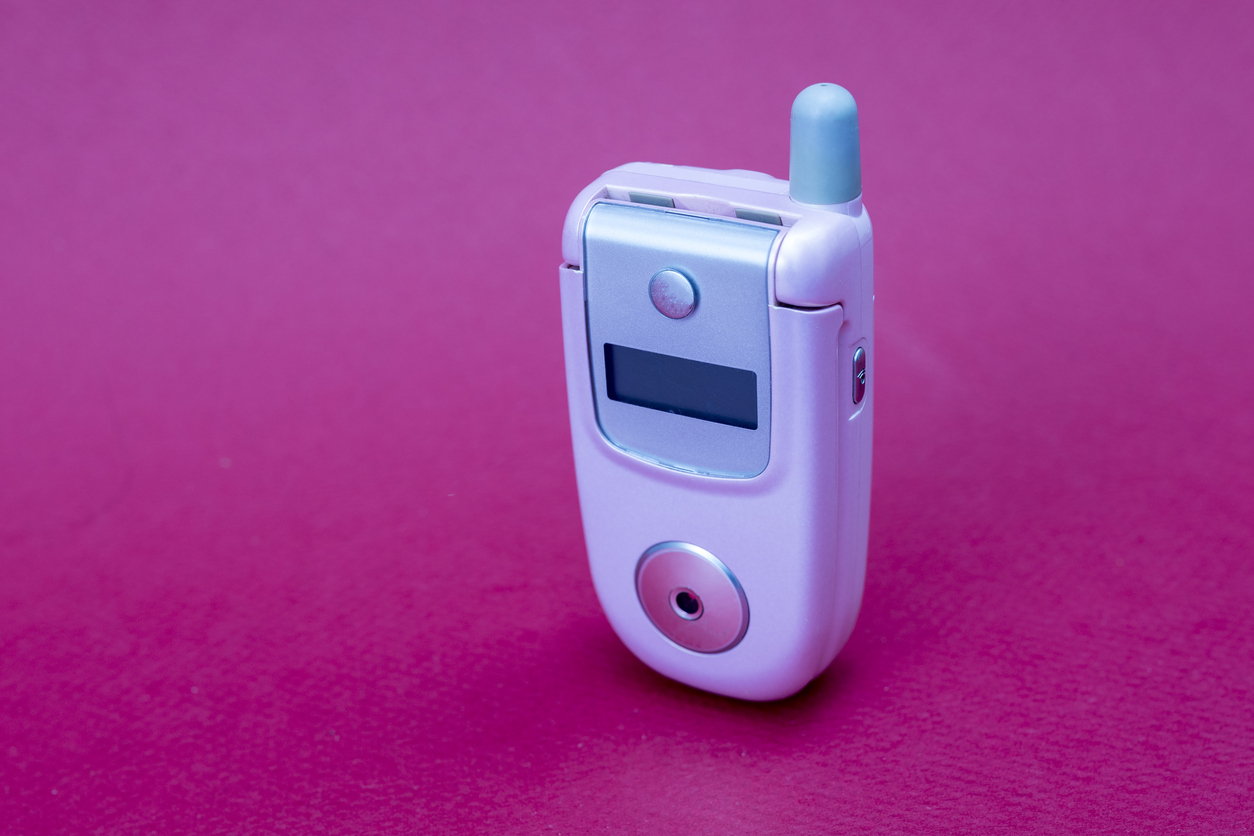
Before smartphones flattened technology into sleek black rectangles, mobile phones carried personality. In the early 2000s, flip phones existed not only as communication devices but as visual accessories—objects that reflected mood, identity, and social presence. Among the countless silver, navy, and metallic models dominating the market, one variation stood apart with unusual confidence: fuchsia.
Bright without being neon and glamorous without appearing formal, the fuchsia flip phone transformed everyday communication into performance. Opening the phone became theatrical. Snapping it shut became punctuation. A phone call was no longer a private background activity—it became an event, a gesture, a visible extension of personality.
The Flip Phone as Fashion Object
By the early 2000s, phones had moved beyond pure utility. Manufacturers increasingly treated them as lifestyle products, designing devices around color, texture, and silhouette rather than functionality alone. The flip phone became central to this transformation because of its physicality. Unlike later touchscreen devices, flip phones had movement, rhythm, and performance built into their design.
The act of flipping a phone open carried dramatic intention. It created anticipation before conversation even began. Closing the phone delivered instant finality, turning the end of a call into a visible gesture. These physical interactions gave users a sense of control and style that felt almost cinematic.
Color amplified that effect. While black and silver suggested professionalism or technological sophistication, fuchsia projected visibility and self-expression. It refused neutrality. A bright pink flip phone was designed to stand out inside handbags, on cafeteria tables, and in glossy magazine advertisements. Technology became a wearable culture.
View this post on Instagram
Why Fuchsia Felt Different
Fuchsia occupied a unique visual space during the 2000s. Unlike softer pastel pinks associated with minimalism or delicacy, fuchsia felt louder, sharper, and more performative. It carried energy without needing sparkle or decoration.
The color aligned perfectly with the aesthetic direction of early-2000s pop culture. Fashion embraced saturated tones, glossy textures, rhinestones, metallic fabrics, and hyper-visible accessories. Reality television, teen dramas, and celebrity tabloids all contributed to a visual culture where visibility itself became aspirational.
Within that environment, a fuchsia flip phone communicated confidence and social presence. It suggested someone who understood performance—not necessarily in a theatrical sense, but in the everyday performance of identity. Pulling out a bright pink phone in public meant inviting attention rather than avoiding it. This made the object emotionally expressive in ways most technology rarely becomes.
The Main Character Energy of the Flip Phone Era
The early 2000s were filled with moments designed around visibility. Music videos emphasized glamorous entrances, reality television turned ordinary social interaction into spectacle, and teen films framed high school life with exaggerated emotional intensity.
The flip phone fit naturally into this world because it transformed communication into choreography. Characters in films and television shows answered calls dramatically, ignored calls visibly, or snapped phones shut after delivering final lines. The phone became part of storytelling itself.
A fuchsia model intensified that cinematic quality. Its brightness drew attention immediately, making even routine interactions appear intentional. Whether placed beside lip gloss in a handbag or held during a hallway conversation, the phone became part of the visual composition of the scene. This is partly why the object still feels nostalgic today. It represents a moment when technology was expressive, tactile, and socially theatrical in ways modern devices rarely are.
Pop Stars and the Glamour of Communication
Celebrity culture played a major role in elevating brightly colored flip phones into status symbols. Pop stars and actresses frequently appeared carrying customized or brightly colored devices in paparazzi photography, music videos, and magazine shoots.
Artists like Paris Hilton, Britney Spears, Christina Aguilera, and Lindsay Lohan helped popularize a visual culture built around hyper-feminine accessories and visible luxury. Phones became part of this ecosystem alongside oversized sunglasses, metallic handbags, low-rise denim, and glossy makeup.
The fuchsia flip phone fit perfectly within this aesthetic because it blurred the line between technology and fashion accessory. It functioned less like a tool and more like an extension of personal branding. This visibility also changed how communication itself felt. Taking a phone call in public became socially performative. The phone was no longer hidden—it was displayed.
Ringtones, Charms, and Customization
Another reason flip phones became culturally iconic was their emphasis on personalization. Users customized wallpapers, assigned unique ringtones, added stickers, and attached dangling phone charms or rhinestone decorations.
This level of visible customization made devices feel emotionally specific. A fuchsia flip phone rarely existed alone—it was often part of a larger aesthetic system involving glitter cases, decorative straps, or themed accessories.
Unlike modern smartphones, which prioritize sleek uniformity, early-2000s phones encouraged individuality through visible alteration. No two devices looked exactly alike. This helped strengthen emotional attachment to the object itself. Phones became memory containers connected to friendships, relationships, music tastes, and everyday rituals.
View this post on Instagram
The Sound of the Snap
Part of the flip phone’s cultural impact came from sound. The sharp snap of opening or closing the device added a physical and emotional dimension to communication that modern smartphones almost completely eliminated. Unlike touchscreens, which operate silently through taps and swipes, flip phones transformed simple interactions into dramatic gestures audiences could both hear and recognize instantly.
That snapping sound carried emotional meaning. Ending a conversation by sharply closing the phone created a sense of finality that became deeply embedded in pop culture. In movies and television shows, characters would end arguments, dismiss rivals, or exit conversations with a dramatic snap that functioned almost like visual punctuation. The sound communicated attitude before a single additional word was spoken.
Teen dramas, romantic comedies, and early-2000s sitcoms relied heavily on this effect because flip phones naturally made communication more performative. Characters didn’t simply stop talking — they physically ended interactions. Closing the phone after an emotional confession or heated argument gave scenes a theatrical rhythm that smartphones no longer provide.
Technology Before Minimalism Took Over
The popularity of fuchsia flip phones also reflects a broader difference between early-2000s technology culture and modern design philosophy. Before sleek black rectangles became the universal standard, personal technology was far more experimental, colorful, and visually expressive.
Modern devices prioritize minimalism, neutrality, and seamless integration. Most smartphones now look remarkably similar regardless of manufacturer. Thin bezels, muted color palettes, and smooth glass surfaces dominate contemporary tech design because companies increasingly market sophistication through restraint and simplicity.
The flip phone era operated very differently. Technology companies actively encouraged individuality through design variation. Phones appeared in metallic reds, translucent blues, silver chrome finishes, lime greens, patterned plastics, glossy purples, and bright pinks. Devices often featured external screens, dangling charms, decorative stickers, interchangeable faceplates, and illuminated keypads.
Texting Before Instant Messaging Took Over
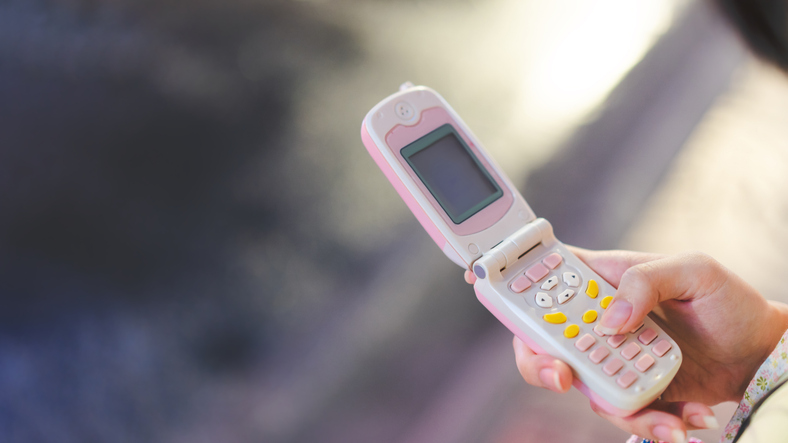
Before messaging apps created nonstop communication, texting on flip phones felt slower, more intentional, and oddly more emotional. Sending a message required physical effort. Users pressed numbered keys repeatedly to cycle through letters using T9 predictive text or multi-tap typing systems, turning even short conversations into tactile routines.
That slower pace changed how communication felt socially. People waited longer for replies, reread messages more carefully, and attached greater emotional significance to small interactions. A simple “hey” or late-night text often carried more anticipation because instant responses were never guaranteed. Communication unfolded with pauses and uncertainty that modern read receipts and typing indicators largely eliminated.
The fuchsia flip phone intensified this emotional atmosphere because texting itself became visually stylized. The glowing external screen, illuminated keypad, and bright casing turned private conversations into visible accessories within public life. Teenagers typed messages in classrooms beneath desks, at shopping malls, during concerts, or while sitting inside parked cars lit by dashboard lights. The device itself became part of the emotional memory attached to those moments.
Nostalgia and the Return of Y2K Aesthetics
In recent years, the revival of Y2K fashion and aesthetics has renewed fascination with flip phones, particularly brightly colored models associated with early-2000s celebrity culture. Social media platforms have transformed flip phones into nostalgic symbols of a pre-algorithmic internet era—one perceived as more playful, tactile, and visually expressive.
Younger audiences often romanticize the period for its visible individuality and slower digital pace. The fuchsia flip phone has become especially symbolic because it captures the optimism and theatricality of the era so clearly.
It represents a time when technology still felt experimental, glamorous, and emotionally specific rather than standardized. Its appeal today is not purely technological nostalgia. It is aesthetic nostalgia for a culture that treated everyday objects as opportunities for visible self-expression.
View this post on Instagram
One of the most fascinating aspects of flip phone culture was how public and performative communication felt during the early 2000s. Phones were not passive background objects the way smartphones often are today. They demanded movement, gesture, sound, and visual attention. Using a phone became something people physically acted out rather than something quietly absorbed into daily life.
Every interaction involved a sequence of motions. Answering a call meant reaching into a pocket or handbag, flipping the device open with one hand, raising it visibly to the face, and speaking into a device that occupied physical space differently from today’s thin touchscreen slabs. Typing text messages required pressing actual buttons repeatedly, often with rhythmic clicking sounds that made communication feel tactile and deliberate.
Ending a conversation also became part of the performance. Hanging up wasn’t silent or invisible — it involved snapping the phone shut with audible finality. That movement could communicate annoyance, confidence, flirtation, dismissal, or emotional tension depending on the situation. In movies and television, characters often used flip phones almost like props in theatrical scenes because the physical gestures naturally amplified emotion.
Conclusion
The fuchsia flip phone was never just a phone. It was an accessory, a social signal, and a small performance object that turned ordinary communication into visible style. In the early 2000s, technology still carried texture, sound, color, and movement in ways that felt deeply personal.
Its bright pink finish rejected neutrality, transforming phone calls into moments of presence and personality. Combined with ringtone culture, celebrity aesthetics, and the theatrical energy of Y2K fashion, the flip phone became one of the era’s defining symbols of expressive identity.