

There was a time when personal style was about picking a lane and staying there. Minimalist. Streetwear. Clean girl. Indie sleaze. One aesthetic, one algorithm, one identity. But 2026 has officially broken that rule. The new cool isn’t consistency—it’s range.
Welcome to the Cinematic Outfit Era, where you can be a European art student at 11 a.m. and a ’70s rock star by 9 p.m.—and both feel authentic. The shift isn’t about chaos. It’s about storytelling. Outfits aren’t just clothes anymore; they’re scenes. And you’re allowed more than one genre. This isn’t trend-hopping. It’s narrative dressing, and it’s changing the way we think about identity, fashion, and even pop culture itself.
The Death of the Single-Aesthetic Girl
For most of the 2010s and early 2020s, internet culture loved labels. “That girl”, “coastal grandmother”, “downtown cool”, and “clean girl.” These aesthetics weren’t just style references—they were identity containers. They made you legible. They made you brandable.
But eventually, aesthetic rigidity started to feel suffocating. The same feeds that once rewarded consistency began rewarding personality instead. The pendulum swung from quiet luxury sameness to bold individuality. Suddenly, it wasn’t impressive to look like everyone else in beige. It was impressive to look like yourself—even if that self had layers.
Pop culture mirrored that shift. Album rollouts became era-driven. Celebrities stopped dressing randomly and started dressing narratively. Press tours turned into fashion storyboards. The message was clear: identity isn’t static. It’s episodic.
Pop Culture Made “Era Energy” the Default
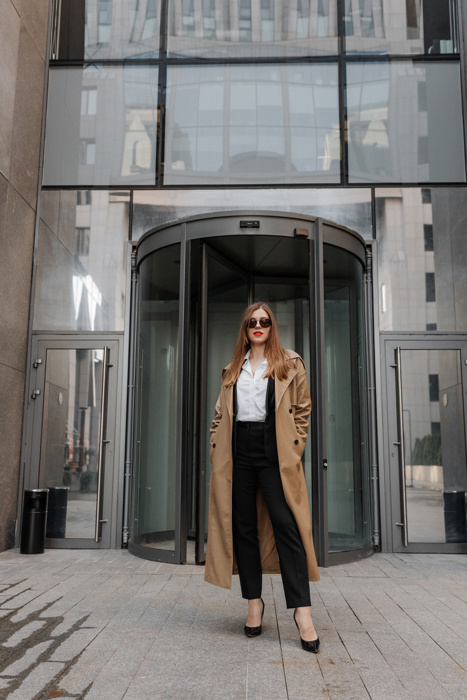
Look at how we consume culture now. Every major pop girl has an era. One album cycle might be hyper-feminine and pastel. The next might be dark, leather-clad, and rebellious. Fans don’t find that inconsistent—they find it exciting. It’s world-building.
Actors have done the same on press tours. Zendaya’s Challengers run leaned into tennis-core sensuality. Margot Robbie’s Barbie appearances turned nostalgia into wearable iconography. The outfits weren’t random. They were chapters. And audiences loved decoding them. Even off the red carpet, this narrative thinking has taken over. Social feeds are full of “main character energy,” curated playlists for different moods, and outfit dumps labeled like film stills. The culture doesn’t just dress anymore. It references.
What “Cinematic” Style Actually Means
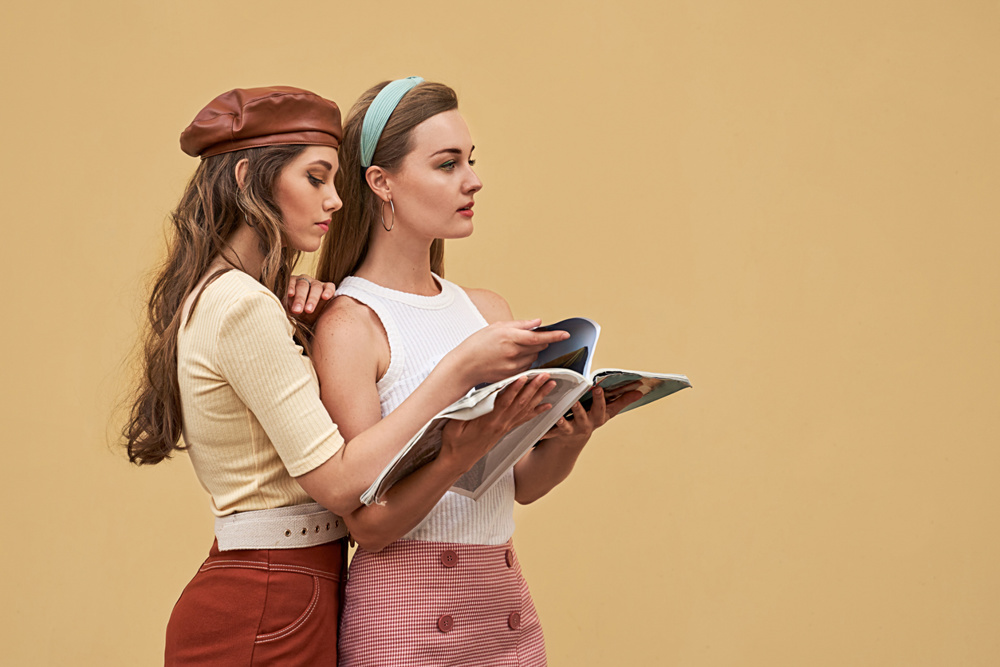
Cinematic style isn’t chaos. It’s not throwing on random pieces and calling it eclectic. It’s dressing like your day has a tone, a lighting cue, and a soundtrack. A European art student’s look might feel like a slow, French indie film. Oversized knit, muted palette, worn-in loafers, and a leather tote with a notebook inside. Hair that looks like you forgot about it because you were thinking about something bigger. The vibe is intellectual, quiet, a little romantic, and unbothered.
A ’70s rock star night look shifts the genre. Leather jacket, flared trousers, metallic accents, and smudged eyeliner. A heel that clicks when you walk. The soundtrack gets louder. The lighting gets dimmer. The energy gets electric. Both looks can live in the same closet. They just belong to different scenes. That’s the key difference between “cinematic” and “random”: cinematic dressing is intentional mood-shifting. You’re not abandoning your style—you’re expanding it.
The Influence of Music and “Main Character Energy”
Music culture especially has normalized the idea of fluid identity. One week you’re in your “soft girl acoustic” era. Next, you’re blasting glam rock and dressing accordingly. Playlists have replaced aesthetic purity.
The rise of “yearning men,” cinematic pop rollouts, and hyper-visual album campaigns has made atmosphere everything. We don’t just listen to songs—we dress for them. We don’t just attend concerts—we theme our outfits around them. The Cinematic Outfit Era thrives because it aligns with how we already think. We narrate our lives like episodes. We describe weeks as “chaotic,” “romantic,” “villain arc,” “healing season.” Of course our clothes are going to follow suit.
Why This Shift Feels So 2026
After years of micro-trends cycling at breakneck speed, people are tired of chasing aesthetics that expire every three months. The Cinematic Outfit Era offers something more sustainable: internal direction instead of external trend pressure.
Instead of asking, “What’s trending?” you ask, “What’s the mood of this week?” Instead of rebranding, you reframe. Your wardrobe becomes flexible enough to support multiple tones without losing cohesion. It also reflects a broader cultural mood: we’re embracing complexity. The idea that you must be one thing—minimalist, maximalist, edgy, classic—feels outdated. We’re more comfortable admitting that identity shifts with context.

Your “Genre List”: Pick Three Worlds You Love
You don’t need ten aesthetics. Three is enough to create range without turning your closet into a costume warehouse. Think of them as genres you naturally rotate through. Example genre sets:
- European Art Student / Modern Minimalist / Night-Out Muse
- Sporty Off-Duty / Romantic Vintage / Sleek Workwear
- Soft Academia / Downtown Edge / Glam Weekend
Now here’s the trick: your genres should be based on how you actually live, not how you wish you lived. If your week is 70% errands and work, you need genres that can show up for that reality. The goal isn’t fantasy. It’s translation—making real life feel like your movie.
The Secret to Range: Signature Anchors
Range only works if there’s something tying it together. In pop culture, even artists with wildly different eras have a throughline—voice, attitude, presence. Your wardrobe needs the same. Signature anchors are the repeatable cues that make your style recognizable even when the “genre” changes. They’re your recurring characters.
Anchors can be:
- One consistent jewelry choice (gold hoops, a cuff, layered chains)
- A repeating shoe silhouette (loafers, tall boots, sneakerinas, heels you always return to)
- A specific bag shape (slouchy tote, structured top-handle, shoulder bag)
- A recurring color (black, chocolate brown, burgundy, silver)
- A signature hair vibe (slick bun, claw clip uniform, big waves)
Anchors are what keep “European art student” and “’70s rock star” from feeling like two different people. They remind the audience—aka you—that the lead is the same, even when the scene changes.
Avoiding Costume Energy
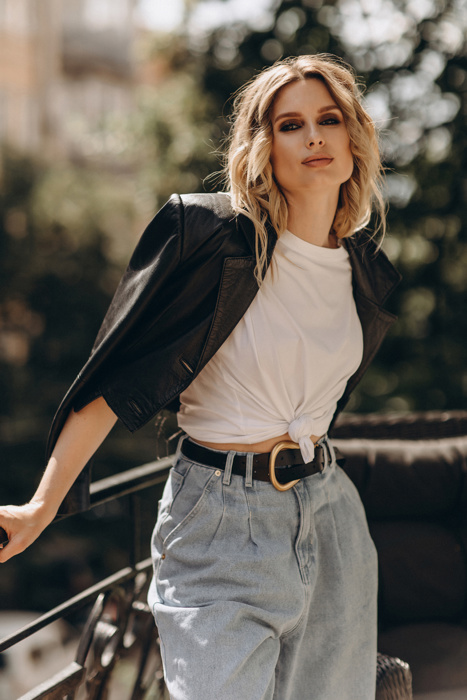
The only real risk of cinematic dressing is leaning so hard into a theme that it feels like cosplay. You don’t need a literal beret and paint-splattered jeans to communicate “art student,” just like you don’t need head-to-toe sequins and platform boots to sell “rock star.” When every piece screams the same reference, the outfit can start to feel performative instead of personal. Subtlety is what keeps the look elevated and wearable.
The trick is restraint. Let one or two elements carry the mood—a fabric, a silhouette, a beauty detail. A leather jacket over clean denim can suggest rock-star energy without overwhelming your frame. A slouchy knit, wide-leg trousers, and loafers can nod to European academia without turning into a costume. Cinematic doesn’t mean theatrical. It means choosing details on purpose and letting the rest breathe.
Why This Era Feels Weirdly Liberating
The Cinematic Outfit Era feels freeing because it removes the pressure to shrink yourself into one digestible aesthetic. For years, the internet encouraged people to pick a lane and stay there. Now, there’s space to admit that identity shifts with context, mood, and season. You’re not inconsistent—you’re layered.
It also reflects a broader cultural truth: identity has chapters. You can love museums and mosh pits. Poetry and eyeliner. Linen and leather. The current moment doesn’t demand that you collapse those contrasts into one neat label. Instead, it invites you to move between them—confident that all of it still counts as you.
Conclusion
Pop culture reminded us that eras are powerful. Those references can be playful. That storytelling isn’t just for films and album rollouts—it’s a way of moving through the world. Now that same energy has slipped into everyday life. European art student this morning. ’70s rock star tonight. Your wardrobe isn’t a brand box you have to stay inside; it’s a rotating cast of characters waiting for their moment. You’re the lead, and the story isn’t fixed. Let the outfits evolve with you.