

Picture your life edited like a movie trailer. The beat drops. Quick cuts. You walk into Monday like a plot twist, Wednesday like a montage, Friday like a premiere. For most of the internet era, “good style” meant looking effortless—like the outfit just happened, like you didn’t think about it at all. But in 2026, the cool-girl shift is obvious: the best looks don’t feel accidental. They feel directed.
That’s the rise of method dressing for real life—a way of getting dressed that treats your week like it has a mood board, a narrative arc, and a main character who actually knows what she’s doing. Method dressing isn’t about costumes. It’s about clarity. Because when life is loud, the strongest style move isn’t chasing more trends. It’s building a story your wardrobe can stick to.
What Method Dressing Means Off the Red Carpet
Celebrity method dressing is easy to spot: an actor promotes a project and dresses like the project has spilled into real life. It’s not just “a great look.” It’s a look with context—tone, references, a consistent visual world. Press tours become chapters. Outfits become part of the rollout. People don’t just see a dress; they see a clue.
Real-life method dressing uses the same idea, just with different “projects.” Your projects are your days: presentations, errands, creative sprints, dates, travel, family obligations, low-energy weeks, high-stakes meetings. Instead of asking, What’s trending? you ask, What am I walking into—and who do I need to be when I get there? The difference is subtle, but it changes everything. Your outfit stops being a last-minute decision. It becomes a tool: for confidence, focus, mood, and momentum. Not a mirror selfie. A storyline move.
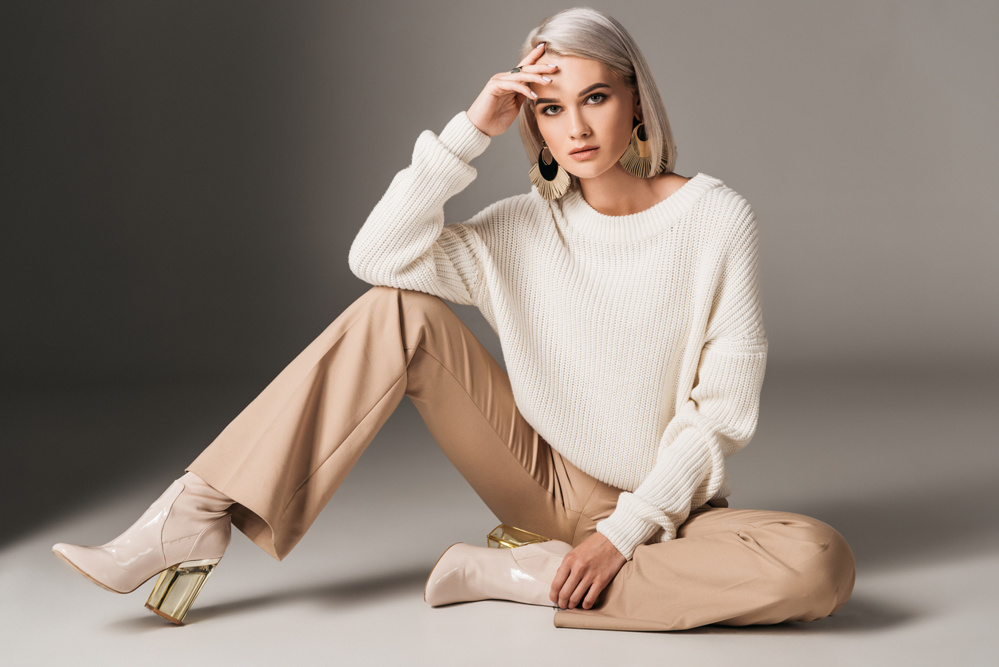
Why This Is a Pop-Culture Thing (Not Just a Style Trick)
Method dressing for real life is rising because pop culture trained us to think in eras and storylines again. Celebrity style isn’t just “best dressed” now—it’s part of the rollout: themed looks, visual callbacks, and outfits that feel like chapters. Fans decode references the way they decode lyrics, and a good look becomes content, discourse, and meme fuel all at once. That same mindset has quietly trickled into everyday life: people want their outfits to mean something, not just match.
It also fits the 2026 shift toward “main character energy,” where identity is built through consistent cues—your silhouette, your palette, your signature shoes—like recurring symbols in a show. When culture feels fragmented and fast, dressing with a storyline becomes a way to create continuity. You’re basically borrowing pop culture’s favorite strategy (world-building) and using it to make your own week feel more intentional, memorable, and you.
Why 2026 Is the Perfect Time for This Trend
Method dressing is rising because the culture is tired of randomness. After years of micro-trends and “core” aesthetics that changed weekly, people want wardrobes that feel cohesive again. Not boring—cohesive. The pendulum is swinging from constant reinvention to consistent identity.
It also matches the wider 2026 vibe: more personality, more narrative, less flattening. We’re craving things that feel specific and lived-in, not copy-pasted from the feed. Method dressing delivers that without requiring you to buy a whole new closet. It’s a structure with room for play.
And there’s a practical reason too: life is busy. When your schedule changes tone three times a day, the “figure it out each morning” approach gets exhausting. Method dressing is a shortcut to feeling pulled together—because it gives you a repeatable logic. You’re not creating a new outfit from scratch. You’re casting yourself in a role you already understand.
The Trailer Theory: Dress for the Scene You’re About to Enter
If your week has a trailer, each day has a scene type. Monday might be “the serious protagonist takes control.” Tuesday might be “creative build.” Thursday might be “soft recovery.” Friday might be “night-out glow.” The trailer theory is simple: dress for the scene, not the closet.
This is why some outfits feel instantly right. They match the environment and the purpose. It’s also why an outfit can feel wrong even if it’s objectively cute—because it belongs to a different movie. A romantic satin skirt can feel amazing on a date and confusing on a chaotic workday. A sharp blazer can feel powerful in a meeting and too stiff at brunch. Method dressing fixes that by making you pick the tone first. Once you know the tone, the outfit gets easier. You’re not styling in a vacuum. You’re styling for context.
Build Your “Season Bible”: A 3-Part Framework That Makes It Easy
To method dress your life, you need a structure that’s flexible but consistent—like a season bible for a show. Think recurring themes, recognizable visuals, and a few signature cues.
Step 1: Choose your core silhouette
This is the shape you repeat, the thing people associate with you. Maybe it’s structured shoulders. Maybe it’s longline coats. Maybe it’s a sleek monochrome base with one dramatic outerwear piece. Your silhouette is your visual signature.
Step 2: Lock your palette.
A palette doesn’t have to be boring. It’s just a set of colors that cooperate. Neutrals plus one signature shade is the easiest method dressing hack because it makes everything feel connected without thinking too hard.
Step 3: Pick your “props.”
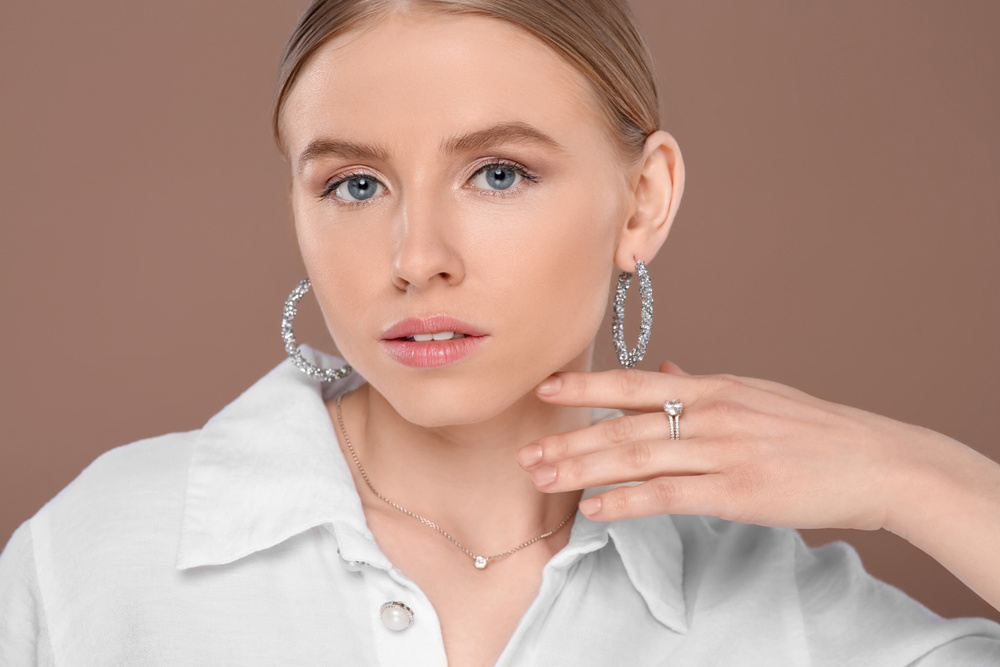
Props are your recurring symbols: gold hoops, a specific bag shape, sneakerinas, troafers, a leather jacket, a signature watch, a red lip. Props create recognition. They’re the little details that make your outfits feel like episodes in the same series.
Once those three are set, your week starts dressing itself.
Image: Woman with hoop earrings – https://www.istockphoto.com/photo/beautiful-young-woman-with-elegant-jewelry-on-light-brown-background-gm1661927637-535063969?searchscope=image%2Cfilm (Alt-txt: )Beautiful young woman with elegant jewelry on light brown background)
Method Dressing as a Time Strategy, Not Just a Style Strategy
This trend isn’t only aesthetic. It’s functional. Themes create boundaries, and boundaries make getting dressed easier. Try mapping your week like a production schedule:
- Two hero looks for your biggest days (meeting, event, presentation)
- Three supporting looks that are easy but still polished
- Two recovery looks that feel like you, but don’t require effort
You can even prepare it in ten minutes on Sunday. Not to be perfect—just to reduce the daily scramble.
Here’s a simple example:
- Mon: Boardroom protagonist
- Wed: Creative montage
- Fri: Night premiere
Everything else becomes the supporting cast.
The Signature Detail Rule: Consistency Without Repeating Outfits
The fear people have with uniforms or method dressing is: “Won’t I look like I’m repeating outfits?” Here’s the secret: repetition is only obvious when your whole outfit repeats. If you repeat one signature detail, you look intentional instead. Your signature detail could be:
- big hoops + a cuff
- a slick bun + bold lip
- gray socks + loafers/troafers
- a long coat silhouette
- a specific bag shape
- all-black base + gold jewelry
That single repeated cue becomes your brand. It’s the visual equivalent of a catchphrase—something people recognize before they can explain it.
Why This Matters: Style as Self-Direction in a Loud Year
This is bigger than outfits. Method dressing matters because it’s a way of choosing yourself—on purpose—inside a world that constantly tries to style you. Algorithms flatten taste. Micro-trends demand quick identity swaps. Work schedules pull you in different directions. Social life has you toggling between “professional,” “fun,” and “exhausted” in the same 24 hours.
Method dressing is a quiet form of agency. It helps you stay legible to yourself. It turns getting dressed into a small act of direction: “This is the tone I’m bringing. This is who I’m being today.” It also protects your energy. When you’re dressed for the scene, you spend less time second-guessing, adjusting, or feeling out of place. You’re not performing. You’re aligning. And in 2026, alignment is the real luxury.
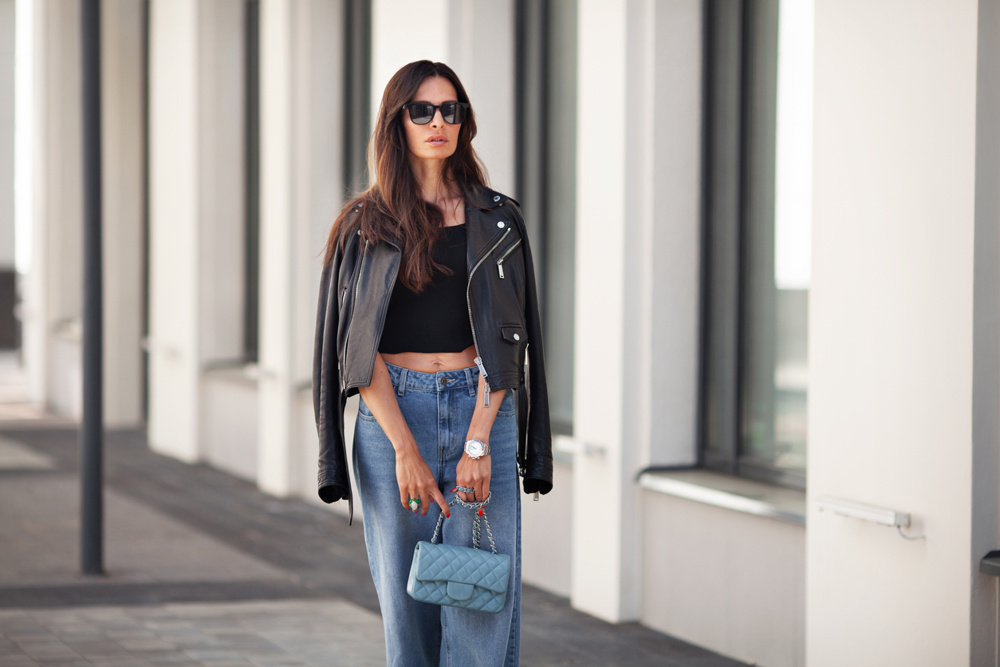
The Line Between Method Dressing and Costume (How to Keep It Modern)
Method dressing turns into a costume when it becomes too literal. If your “romantic side plot” means head-to-toe lace every day, you’ll feel like you’re acting, not living. The goal is inspiration, not imitation.
Keep the story in the details: texture, color, silhouette, one reference point. Let the rest be simple. The best method-dressed looks are grounded enough to be wearable and themed enough to feel intentional. Think “chapter,” not “cosplay.”
Conclusion
Method dressing for real life is trending because it solves a modern problem: when everything is loud and fast, you need tools that bring you back to yourself. Dressing like your week has a trailer isn’t about being dramatic. It’s about being directed. It’s a way to walk into each day with a clearer tone, stronger presence, and a wardrobe that feels like it belongs to the same story. In 2026, style isn’t just about looking good. It’s about looking like you’re the lead—because you are. Not for the internet. For your actual life. One intentional episode at a time.