

A red carpet look is a hit. A good book recommendation is a ripple. That’s the very 2026 shift: celebrity influence isn’t only about what someone wears anymore—it’s about what they choose. What they read, watch, listen to, and quietly stand behind. And that’s why Jacob Elordi’s book sightings keep landing harder than his best tailoring moments.
Yes, Jacob Elordi: Euphoria, The Kissing Booth, Saltburn. His fits still trend, but the internet has developed a whole separate obsession with something slower and less glossy: his reading list. A paparazzi photo of him holding a paperback sparks more curiosity than a premiere outfit, because it feels like a clue to who he is when he’s not performing. This is the “curated by your fave” era—and books are one of the strongest currencies in it.
Why a Book List Hits Harder Than an Outfit Right Now
Red carpet fashion is designed for impact. It’s a spectacle. It’s a hit of culture that spikes fast and fades fast. Next week, there’s another premiere: another look, and another “best dressed” list. Even iconic outfits often live as images more than experiences.
Books move differently. They ask more of you: time, attention, patience. They’re not optimized for a 20-second scroll. They don’t autoplay, and they don’t show up as a “quick watch.” You have to choose them, return to them, stay with them.
That slowness is exactly why celebrity book clout feels heavier than fashion clout right now. A suit might inspire a shopping cart. A reading list can genuinely shift what someone thinks about, what they talk about, what they feel drawn to next. It turns influence into something internal, not just aesthetic. And in 2026, internal flex.
View this post on Instagram
The New Status Symbol Isn’t Visibility—It’s Taste
Celebrity influence used to be simple. You wore the dress, you carried the bag, you posted the campaign, and the public did the rest. That still works—sometimes. But the internet has gotten allergic to empty signals. In 2026, audiences don’t just want to see a celebrity. They want to know what they stand for, what they notice, what they choose when there’s no obvious payoff.
Taste is the new currency because it feels rarer than fame. Fame is everywhere. Taste—real, consistent taste—feels like proof of interiority. That’s why a book list lands. It doesn’t read like “I’m selling you something.” It reads like “I have a mind.” Even if that impression is partly constructed, it’s still powerful in a culture that’s tired of celebrities functioning like glossy mannequins.
Pop Culture Made This Inevitable
Pop culture has been moving toward curation for years. We’re watching it happen everywhere: weekly-release “appointment TV” returning because people miss shared timelines, method dressing turning style into storyline, and sober-curious nightlife rising because “feeling good tomorrow” is part of the flex.
Book-list obsession fits that same mood. It’s a backlash to hyper-speed culture. It’s also perfect for the internet’s favorite hobby: decoding. Just like fans analyze outfits, lyrics, and celebrity “soft launches,” they analyze a book in someone’s hand like it’s a clue. The reading list becomes a fandom artifact, not just a private habit.
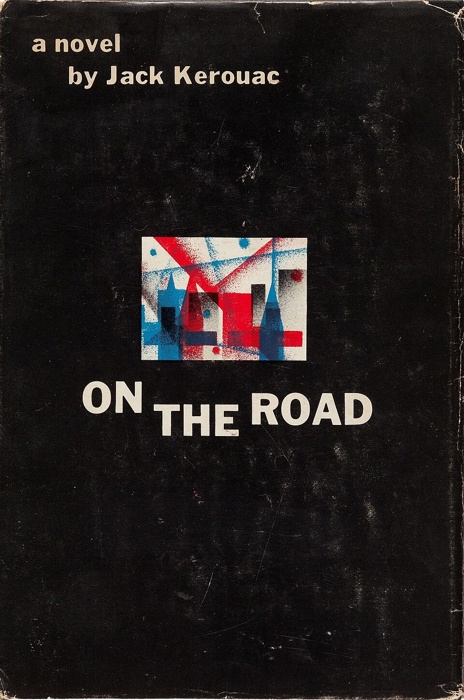
Jacob Elordi’s Book List: Quick Reads + What They’re About
Jacob Elordi’s reading list isn’t just “hot guy with a book” optics—it’s a map of his taste. The picks lean dark, intense, and a little existential: big American sagas, messy morality tales, and classics about longing, identity, and what it costs to grow up. If you want to understand the vibe he’s curating (and why it keeps going viral), start here.
- The Secret History — Donna Tartt: Dark-academia thriller about a tight-knit group of classics students whose elitism, obsession, and secrecy spiral into murder—and aftermath.
- On the Road — Jack Kerouac: A restless, cross-country odyssey of friendship and freedom—Beat Generation myth-making, written like motion.
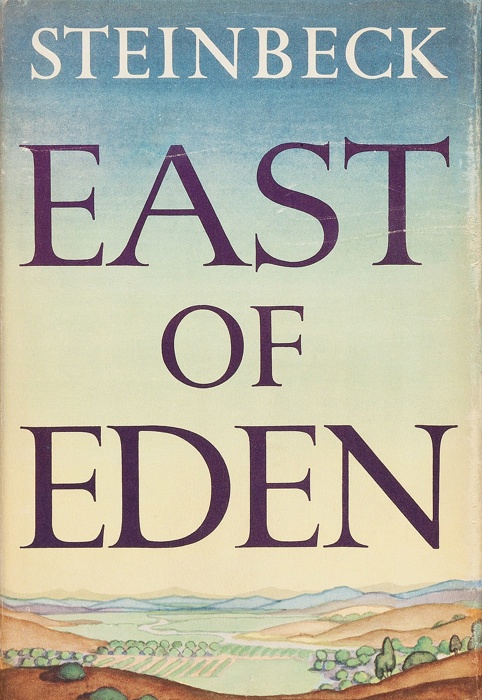
- East of Eden — John Steinbeck: Big, emotional American family saga about morality, desire, jealousy, and the question of whether people can change.
- Nausea — Jean-Paul Sartre: Existential classic where ordinary life starts feeling unbearably strange—identity, meaning, and “why am I here?” dread.
- The Odyssey — Homer: The original long-form adventure: war’s over, but the journey home is the real test—monsters, temptation, grief, and endurance.
- A Bright Ray of Darkness — Ethan Hawke: A novel about an actor unraveling after a marriage breaks—fame, ego, heartbreak, and what’s real when your life is performance.
The “Hot Guy With a Book” Archetype Isn’t Just Aesthetic—It’s Narrative
Let’s be honest: the visuals help. A handsome actor with a paperback tucked under his arm photographs well. It’s the same reason “guy reading on the subway” has always been attractive. Books imply quiet confidence. They imply you can sit with yourself. It’s like you have something going on beyond your face card. But the reaction to Elordi isn’t just thirst. It’s fascination.
A visible reading habit rewrites the story people tell themselves about him. In a world where celebrity is often flattened into branding, reading suggests depth without needing a speech. It’s the softest possible signal with the biggest possible halo effect: thoughtful, introspective, maybe a little mysterious, but in a grounded way—not in a “won’t text back” way.
This is why “book boyfriend” has jumped genres. It’s not only a romance trope anymore. It’s a real-life pop culture archetype: the man who looks like he belongs on a red carpet but seems like he also has a private inner life. In 2026, that combination is catnip.
Curation Is Power in an Overwhelmed World
We’re living through the paradox of infinite options. Streaming platforms offer endless shows. Music apps offer endless playlists. Online bookstores offer endless “if you liked this, try that” pathways. The algorithm can recommend forever—and somehow, that makes choosing feel harder. That’s why “curated by your fave” has become its own kind of relief.
A celebrity reading list functions like a filter. A human shortcut. Even when it’s parasocial, it feels personal: if this book shaped him, maybe it’ll shape me. If he’s drawn to a certain tone—melancholy, intense, literary—maybe that’s the energy I want right now too.
This is the same cultural logic behind the celebrity “creative director” era. Brands don’t just want a face; they want a point of view. Books are point of view in pure form. They’re not just taste—they’re taste with evidence. And when people are overwhelmed, evidence matters.
Masculinity, Rewritten in the Margins
There’s another reason this trend hits: it scratches a cultural itch about masculinity. For years, mainstream male celebrity archetypes leaned hard on physicality, wealth, and distance. The “cool guy” posture was often emotional vagueness. But pop culture is in a soft masculinity swing: audiences are craving men who feel real, have depth, and don’t perform detachment as a personality trait.
Reading—especially reading that signals seriousness—becomes a subtle form of that shift. It implies emotional range. It implies empathy. It implies the ability to sit with ambiguity instead of running from it. Nobody is saying reading makes you automatically enlightened. But culturally, it reads as a different kind of strength: calm, thoughtful, self-contained.
View this post on Instagram
Okay, But Is It Still a Performance?
It can be. Obviously. A celebrity carrying a book can still be an image strategy. A reading list can still be curated for vibe. “Intellectualism” can still become an accessory. And yes, sometimes people treat books like aesthetic props. But here’s the thing: even if the entry point is aesthetic, the outcome can be real.
If Elordi being seen with a novel leads thousands of people to pick up a book they wouldn’t have otherwise read, that’s not nothing. If it nudges someone from scrolling into reading—even for a week—that’s a shift in attention. If it sends fans into bookstores, libraries, author backlists, and actual discussions about themes and writing, then the influence has substance, even if it started as a crush. Culture is messy like that. Sometimes fandom becomes literacy by accident.
Why This Trend Matters
This is bigger than Jacob Elordi. It’s about what we reward in celebrity culture now. For years, influence mostly pushed consumption—buy the outfit, copy the aesthetic, recreate the lifestyle. Book influence pushes attention. It sends people offline; iIt encourages longer focus, deeper thinking, slower pleasure.
That matters in 2026 because we’re burned out on being fed endless content with no residue. A celebrity book moment suggests a different kind of aspiration: not just looking good, but growing. It also shifts masculinity narratives in pop culture. A male celebrity being publicly associated with reading can normalize emotional complexity and curiosity as “hot,” not just dominance or mystery.
Conclusion
Jacob Elordi’s book list has clout because it represents what “cool” looks like now: not just being seen, but having taste people trust. We’ll still care about the red carpet. But we’re also paying attention to what happens off-camera—because in a culture saturated with visuals, curiosity is the rarest flex. So yes, people will keep asking: what’s he wearing? But more and more, they’ll also ask: what’s he reading?