

Television history is filled with memorable sitcoms, but the shows that endure often owe much of their success to unforgettable characters. Long after episodes stop airing and series finales conclude, certain sitcom personalities remain part of popular culture. Their catchphrases, quirks, relationships, and comedic timing continue entertaining new generations of viewers through reruns, streaming services, and endless cultural references.
What makes these characters especially enduring is their ability to feel both larger than life and deeply relatable. Whether they were lovable dreamers, sarcastic troublemakers, eccentric neighbors, or well-meaning parents, they represented universal personality traits that audiences could recognize in themselves and others. Their popularity has outlasted changing television trends because great characters rarely go out of style.
Lucy Ricardo (I Love Lucy)
Few sitcom characters are as iconic as Lucy Ricardo. Played by Lucille Ball, Lucy became one of television’s first true comedy superstars through her endless schemes, boundless optimism, and unmatched physical comedy. Her willingness to fully commit to outrageous situations set a new standard for comedic performance on television.
Much of the humor came from Lucy’s constant attempts to break out of her everyday life and chase bigger dreams. Whether sneaking into Ricky’s performances or hiding one mistake after another, her determination always pushed her into increasingly absurd situations. Even when her plans failed, her confidence and energy made every moment entertaining.
Lucy’s lasting appeal comes from her universality. Her ambition, curiosity, and resilience still resonate today, while her physical comedy remains some of the most recognizable in television history. She didn’t just define early sitcom humor—she helped shape what TV comedy could become.

Barney Fife (The Andy Griffith Show)
Few supporting characters have left as lasting an impression as Barney Fife. Don Knotts brought the character to life with a perfect mix of nervous energy, exaggerated confidence, and comedic timing that made Barney unforgettable.
The humor often centered on Barney’s tendency to overestimate his abilities while quickly unraveling under pressure. His misunderstandings, overreactions, and constant need to prove himself created a steady stream of comedic situations. Yet beneath the bluster was a character who genuinely cared about doing the right thing.
What makes Barney stand out is his balance of humor and heart. Audiences laugh at his mistakes, but they also root for him. That combination of vulnerability and comedy helped turn a supporting role into one of television’s most beloved characters.
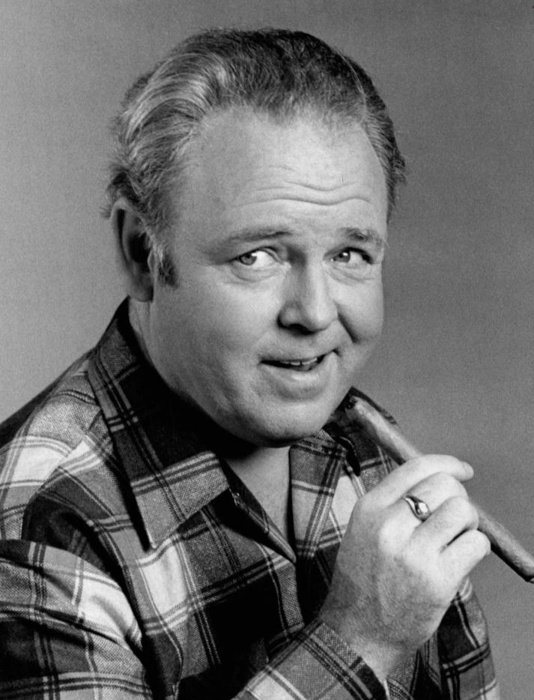
Archie Bunker (All in the Family)
Few sitcom characters have had as much cultural impact as Archie Bunker. Portrayed by Carroll O’Connor, Archie became a defining figure in television by bringing social and generational tensions directly into comedy.
The humor often came from his stubborn opinions and frequent clashes with those around him. Through these conflicts, the show explored serious social issues while still maintaining its comedic edge. Archie’s worldview, though often outdated, became a tool for highlighting cultural change.
What makes Archie enduring is his complexity. He wasn’t simply a source of jokes—he represented a moment in cultural history. His character pushed sitcoms beyond light entertainment, proving that comedy could also be a platform for meaningful conversation.
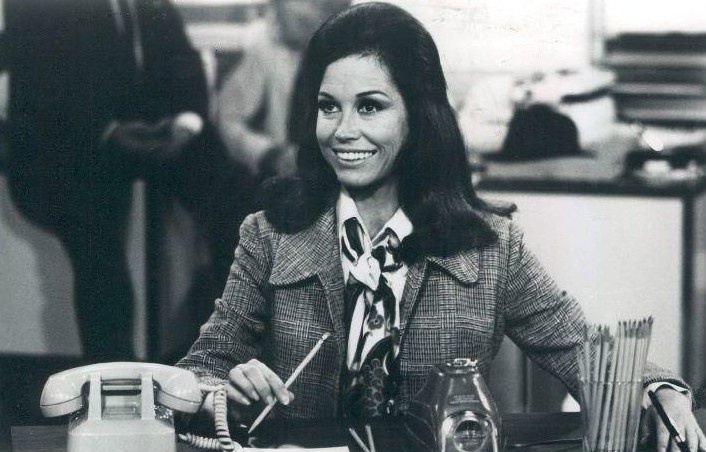
Mary Richards (The Mary Tyler Moore Show)
Mary Richards stands as one of television’s most important and influential sitcom characters. Portrayed by Mary Tyler Moore, she brought a sense of independence and optimism that helped redefine female roles on television.
The humor often emerged from her work life and relationships, blending everyday challenges with lighthearted storytelling. Mary was capable and ambitious, yet still relatable, creating a character audiences could connect with on multiple levels.
Her legacy goes beyond comedy. Mary helped shift how women were portrayed in sitcoms, proving that a character could be both strong and approachable. That balance made her not only funny, but also culturally significant.
Kramer (Seinfeld)
Few sitcom characters are as instantly recognizable as Cosmo Kramer. Played by Michael Richards, Kramer became famous for his wild entrances, eccentric behavior, and unpredictable personality.
The humor often came from his complete confidence in bizarre ideas and unconventional logic. While other characters operated within some version of reality, Kramer seemed to exist in his own world, creating constant surprises and chaos.
What makes Kramer so memorable is that unpredictability. Audiences never knew what he would do next, which turned even the simplest scenes into comedic highlights. His physical comedy and unique energy made him a standout in an already iconic ensemble.
Carla Tortelli (Cheers)
Carla Tortelli remains one of sitcom television’s sharpest and most memorable voices. Rhea Perlman’s performance combined quick wit, sarcasm, and fearless delivery, making Carla a standout character in Cheers.
Much of the humor came from her blunt observations and relentless insults. She rarely held back, whether dealing with coworkers or customers, and her comedic timing made every line hit harder. Yet beneath that tough exterior was a character with loyalty and emotional depth.
Carla’s appeal lies in her consistency. She remained unapologetically herself throughout the series, contributing to the strong ensemble dynamic that made Cheers a classic. Her presence proved how powerful a well-written supporting character can be.

Angela George, RheaPerlmanAug2011, CC BY-SA 3.0
Roseanne Conner (Roseanne)
Roseanne Conner brought a level of realism to sitcoms that audiences hadn’t seen before. Played by Roseanne Barr, the character reflected the challenges of working-class family life with honesty and humor.
The comedy often came from everyday struggles—raising children, managing finances, and navigating relationships. Unlike more polished sitcom families, the Conners felt authentic, and Roseanne’s straightforward personality grounded the show in reality.
Her impact lies in that authenticity. Roseanne helped shift sitcom storytelling toward more relatable and imperfect portrayals of family life. This approach influenced many shows that followed, making her one of the most important characters of her era.
Michael Scott (The Office)
Michael Scott stands as one of the most influential modern sitcom characters. Played by Steve Carell, he combined awkward humor with genuine emotion, creating a character that audiences both laughed at and sympathized with.
The humor often stemmed from his desperate need to be liked, paired with a lack of social awareness. His attempts to connect frequently led to uncomfortable and hilarious situations, defining the show’s signature style of “cringe comedy.”
Beneath the awkwardness was a character who truly cared about his employees and wanted to build relationships. That emotional layer gave the comedy depth, making him one of the most memorable figures in modern television.

Why Great Sitcom Characters Feel Timeless
Few television elements age as well as strong characters. While cultural references, technology, and fashion may quickly feel outdated, compelling personalities remain engaging because they are grounded in recognizable human behavior. Viewers may not relate to the setting anymore, but they still recognize the people.
Great sitcom characters often embody universal traits such as ambition, insecurity, stubbornness, optimism, or social awkwardness. These qualities are not tied to a specific era, which is why audiences continue connecting with them across generations. Even when situations are exaggerated for humor, the emotional reactions behind them feel authentic and familiar.
What makes timeless characters especially valuable is their ability to continually attract new viewers. As shows are rediscovered through streaming and syndication, these characters remain accessible and relevant, proving that strong personality-driven storytelling can outlast shifting trends in entertainment.
How Characters Became Bigger Than Their Shows
Television occasionally produces characters who outgrow the programs that introduced them. Long after audiences forget specific episodes or storylines, certain personalities remain instantly recognizable, becoming cultural references that exist far beyond their original series.
This transformation usually occurs when a character combines memorable traits with universal appeal. Lucy Ricardo’s endless schemes, Archie Bunker’s outspoken opinions, Kramer’s unpredictable entrances, and Michael Scott’s awkward attempts at leadership all created distinct identities that viewers could recognize immediately. Their personalities were so clearly defined that they became shorthand for entire types of behavior.
As years pass, these figures often take on lives of their own. People who have never watched I Love Lucy can still recognize Lucy’s image, just as many who have never seen The Office understand references to Michael Scott. At that point, the character has transcended television and entered the broader landscape of popular culture.

photo by Alan Light, Michael Richards (1993), CC BY 2.0
The Supporting Characters Who Stole the Spotlight
Some of television’s most beloved sitcom figures were never intended to be the stars. They entered shows as supporting players, yet their personalities proved so entertaining that they often became just as memorable as the leads.
Characters such as Barney Fife, Carla Tortelli, and Cosmo Kramer brought a different kind of energy to their respective series. They disrupted routines, introduced unexpected complications, and frequently delivered the moments audiences remembered most. Their appearances added variety to each episode and prevented shows from becoming predictable.
Their popularity also demonstrates an important truth about sitcoms: success rarely depends on a single character. Great ensemble comedies thrive because every personality serves a purpose, and sometimes the most unforgettable contributions come from the people standing slightly outside the spotlight.
How Great Sitcom Characters Influenced Future Television
The most successful sitcom characters rarely remain confined to a single era. Their influence extends into future generations of television, shaping how writers create new personalities and how performers approach comedic roles.
Mary Richards helped redefine what a television heroine could be, presenting an independent and ambitious woman at a time when such characters were still relatively uncommon. Archie Bunker showed that flawed and controversial personalities could anchor successful comedies, while Lucy Ricardo demonstrated the enduring appeal of physical comedy and relentless determination. Decades later, traces of these characters can still be found throughout modern sitcoms.
Television is constantly evolving, but creators often build upon foundations established by earlier successes. Many familiar character types that audiences enjoy today can be traced back to pioneering sitcom figures who first proved those approaches could resonate with viewers.
Why Audiences Form Emotional Connections With Sitcom Characters
Unlike film characters, who often appear for only a few hours, sitcom characters can become part of viewers’ lives for years. Audiences watch them navigate careers, relationships, friendships, disappointments, and personal milestones across dozens or even hundreds of episodes.
That extended exposure creates a unique sense of familiarity. Over time, characters begin to feel less like fictional creations and more like acquaintances whose personalities, habits, and reactions viewers understand intimately. Their successes become satisfying, their mistakes become frustrating, and their growth becomes genuinely meaningful.
This connection helps explain why classic sitcoms continue attracting audiences long after their original broadcasts. Viewers return not only for the jokes but also for the comfort of spending time with characters who feel familiar. The laughter matters, but the sense of companionship often proves just as important to a show’s lasting appeal.
Conclusion
Classic sitcom characters continue captivating audiences because they represent the very best of television comedy. Through memorable personalities, relatable flaws, and unforgettable performances, they helped transform successful sitcoms into lasting cultural landmarks.
Even today, new generations continue discovering these characters through reruns and streaming platforms. Their enduring popularity proves that while television trends may change, great comedic characters remain timeless sources of laughter, comfort, and connection.