

The 1960s marked a period of profound change in American society. Young people began to question long-held beliefs and push back against traditional values, giving rise to a counterculture movement that shook the foundations of the nation. Embracing new ideas about politics, music, and lifestyle, the counterculture of the 1960s redefined American norms in a way that left a lasting impact on society. This article explores the key elements of this movement, from its beginnings in rebellion to its influence on modern-day culture.
The Birth of the Counterculture
As the 1960s unfolded, a wave of young Americans began rejecting the conventional norms that had defined previous generations. Many of these norms were tied to conservative values about war, civil rights, and personal freedoms. The post-World War II boom had created a relatively stable and traditional society, but by the 1960s, this stability was being questioned. The Vietnam War, the Civil Rights Movement, and the changing roles of women caused young people to rebel against what they saw as an outdated, conformist culture.
The counterculture embraced a spirit of non-conformity and radical exploration. Many young people grew their hair long, experimented with drugs, and sought new forms of spirituality. This movement wasn’t just about rebellion—it was about seeking a more authentic, liberated way of life, free from societal constraints.
Music as a Catalyst for Change

Music became one of the most powerful tools for spreading counterculture ideas during the 1960s. British bands like The Beatles and The Rolling Stones became household names in America, but their music began to evolve beyond mere entertainment. The Beatles’ shift toward psychedelic sounds and socially conscious lyrics reflected the changing mindset of a generation. Songs like “All You Need Is Love” and “Revolution” embodied the era’s message of peace and transformation.
In the U.S., artists like Bob Dylan, Jimi Hendrix, and Jefferson Airplane also played critical roles in shaping the counterculture sound. Their lyrics challenged the status quo, addressing issues like war, freedom, and civil rights. Dylan’s “The Times They Are A-Changin'” became an anthem for a generation pushing for social change.
Rock festivals symbolized the free-spirited nature of the era, bringing together huge crowds to celebrate music and counterculture values. The Monterey Pop Festival in 1967 and Woodstock in 1969 were defining moments, showcasing legendary performances from the likes of Hendrix, Janis Joplin, and The Who. These multi-day events became a physical manifestation of the counterculture’s emphasis on peace, love, and community.
Haight-Ashbury and the Hippie Movement

San Francisco’s Haight-Ashbury neighborhood became a focal point of the counterculture in the 1960s. The area attracted young people, known as “hippies,” who were looking to escape mainstream society. They formed communes, experimented with drugs like marijuana and LSD, and embraced alternative lifestyles based on love, peace, and freedom.
The “Summer of Love” in 1967 marked the height of the movement in Haight-Ashbury. Thousands of young people flocked to the neighborhood, turning it into a haven for counterculture ideals. Communes and shared living spaces reflected the rejection of materialism, while the widespread use of psychedelics promoted a search for deeper consciousness and spiritual awakening.
The Psychedelic Movement and Ken Kesey
The psychedelic movement was a key part of the 1960s counterculture, challenging mainstream perceptions of reality through the use of hallucinogenic drugs. One of the most influential figures in spreading this movement was Ken Kesey, author of One Flew Over the Cuckoo’s Nest, and his group known as the Merry Pranksters.
In 1964, Kesey and the Merry Pranksters embarked on a cross-country trip in a colorful, wildly painted school bus, holding “Acid Tests” where people would take LSD and experience new levels of consciousness. These events spread the idea that psychedelic drugs could be used as tools to expand the mind, leading many in the counterculture to experiment with LSD as a path to personal and spiritual enlightenment.
Redefining Sex, Relationships, and Gender Roles
The counterculture also led to a rethinking of traditional views on sex, relationships, and gender roles. The availability of the birth control pill allowed for greater sexual freedom, which helped fuel the rise of the free love movement. Many young people rejected the idea of monogamy and embraced open relationships, believing that love and sex should not be bound by societal constraints.
This era also saw the beginnings of conversations about LGBTQ rights. Gender roles, too, were questioned. Women were fighting for equality both in and out of the home, challenging traditional norms that had defined their roles for decades. Feminist leaders began advocating for women’s reproductive rights, pay equity, and greater representation in public life, laying the groundwork for future gender equality movements.
Political Activism and Protest
Political activism was a central focus of the 1960s counterculture, and protests became a defining feature of the era. Many young people were fiercely opposed to the Vietnam War, seeing it as an unjust conflict that needlessly cost American and Vietnamese lives. College campuses became hotbeds of activism, with students organizing demonstrations, teach-ins, and rallies to protest U.S. involvement in the war.
Civil rights was another key issue for the counterculture. Many young activists were inspired by the Civil Rights Movement, pushing for racial equality and an end to segregation. Groups like the Yippies—a radical youth-oriented counterculture group—used theatrical protests and public stunts to grab attention for their causes, bringing civil disobedience into the mainstream.
The Role of Underground Media
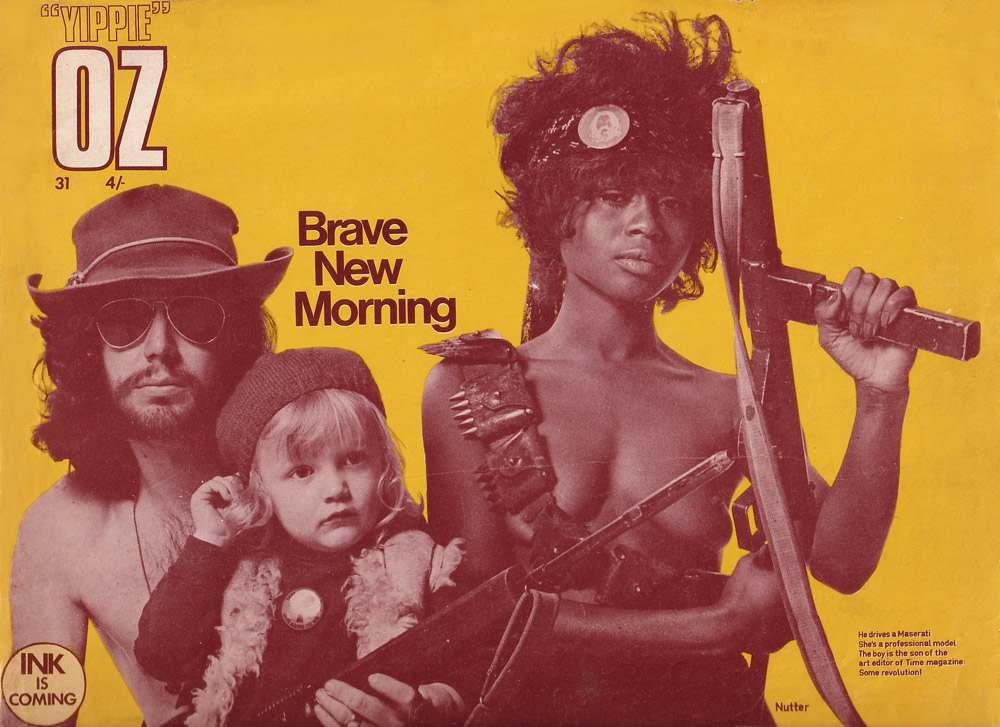
As the mainstream media often ignored or misrepresented the counterculture movement, underground newspapers and alternative media outlets rose to fill the gap. Publications like the Berkeley Barb in California and Oz Magazine in the U.K. became important platforms for counterculture voices. These publications provided alternative perspectives on the news, culture, and society, often addressing issues that mainstream outlets avoided.
Artists like Robert Crumb, with his edgy and subversive comic strips, also played a key role in the underground media scene. His work pushed boundaries and challenged the status quo, offering counter-narratives to mainstream culture.
Communes and New Spiritual Paths
For many in the counterculture, the goal wasn’t just to rebel—it was to create a new, more harmonious society. Communes began to pop up across the country, where people could live according to the ideals of peace, love, and equality. These communities often rejected material wealth and traditional societal structures, opting instead for shared resources and simple living.
Along with these communes came a growing interest in Eastern religions and philosophies. Many in the counterculture began exploring Buddhism, Hinduism, and other spiritual practices, seeking alternatives to the more rigid religious traditions of their parents’ generation. Meditation, yoga, and other spiritual practices became popular as part of the movement’s search for deeper meaning and inner peace.
Generational Conflict and the Culture War
The rapid shifts in values during the 1960s led to a sharp divide between generations. Older Americans, who had lived through the Great Depression and World War II, often viewed the counterculture as a direct threat to society’s stability. Many saw the changes in attitudes toward sex, drugs, and authority as a rejection of everything they had worked for. This clash between the counterculture and the older generation sparked what is often referred to as a culture war.
This conflict wasn’t just about personal values—it also played out on a political level, influencing elections and shaping public policy. The tension between the conservative values of the older generation and the progressive ideals of the counterculture set the stage for ongoing political and social battles in the decades to come.
The Decline of the Counterculture Movement
By the early 1970s, the counterculture movement began to fade. The idealism of the 1960s gave way to disillusionment as some of its key figures moved on, and the country faced new challenges. However, while the movement itself may have lost momentum, many of its core ideas remained. Concepts like environmentalism, civil rights, and personal freedom became part of mainstream American thought.
The counterculture’s influence is still visible today. Its impact can be seen in music, fashion, politics, and lifestyle choices. The 1960s’ legacy is one of challenging the status quo and pushing for a more open, inclusive society.
Conclusion
The 1960s counterculture movement was a time of radical change that redefined American values in ways that continue to resonate today. From challenging the norms around war, gender, and race to creating new artistic and spiritual movements, the counterculture sparked a revolution that went beyond rebellion. While the movement eventually faded, its influence can still be felt in many aspects of modern culture. The era not only challenged traditional values but also laid the groundwork for a more progressive, open-minded world.