

The 1950s was a time of cultural change, and the slang of the decade reflected this excitement. People used colorful words and phrases to describe their experiences, social activities, and trends. Some of these expressions have faded over time, but others are still part of our vocabulary today. Let’s take a closer look at the best slang from the 1950s and what it meant.
What is a Slang?
Slang is a type of informal language that includes words and phrases used by specific groups of people. It often changes over time and can be influenced by culture, trends, and social groups. Slang words may not always follow standard grammar rules, and their meanings can be different from their literal definitions.
For example, in the 1950s, saying someone was a “cool cat” meant they were stylish and confident, not that they were an actual cat. Today, saying something is “lit” means it’s exciting or fun.
Slang is commonly used in casual conversations, music, and pop culture, but it may not always be appropriate in formal settings.
Popular Slang Terms for People

Certain slang words in the 1950s were used to describe different types of people. Here are some of the most common:
- Ankle-biter – A playful term for a small child. Parents often used this to refer to their little ones running around the house.
- Beatnik – A person who embraced a bohemian lifestyle, often involved in poetry, jazz, and artistic expression. Beatniks rejected traditional norms and preferred deep discussions about life and society.
- Greaser – A young man with slicked-back hair, usually wearing leather jackets and jeans. Greasers were heavily influenced by rock and roll and car culture.
- Square – Someone who was considered old-fashioned or boring. If you weren’t into rock and roll or the latest trends, you were called a square.
- Cool cat – A person who was fashionable, confident, and effortlessly stylish. This term was often used in jazz and rock and roll circles.
- Daddy-O – A friendly way of addressing someone, similar to “dude” or “man.”
- Doll – A term of endearment for a woman, often used in a flirtatious or affectionate way.
- Jitterbug – Someone who loved to dance, especially to swing and rock and roll music.
Everyday Expressions and Their Meanings

Slang wasn’t just about people—it also shaped everyday conversations. Here are some common expressions and their meanings:
- Flip your lid – To get very angry or excited.
- Made in the shade – To be in a great or successful situation.
- Big tickle – Something that was very funny.
- Take a picture – A playful way of telling someone they were staring too much.
- Kookie – Something or someone quirky, strange, or unusual.
- Knuckle sandwich – A punch in the face.
- Nifty – Another way to say something was really cool or impressive.
- What’s buzzin’, cousin? – A friendly way to ask, “What’s going on?”
Automotive Influence on Language
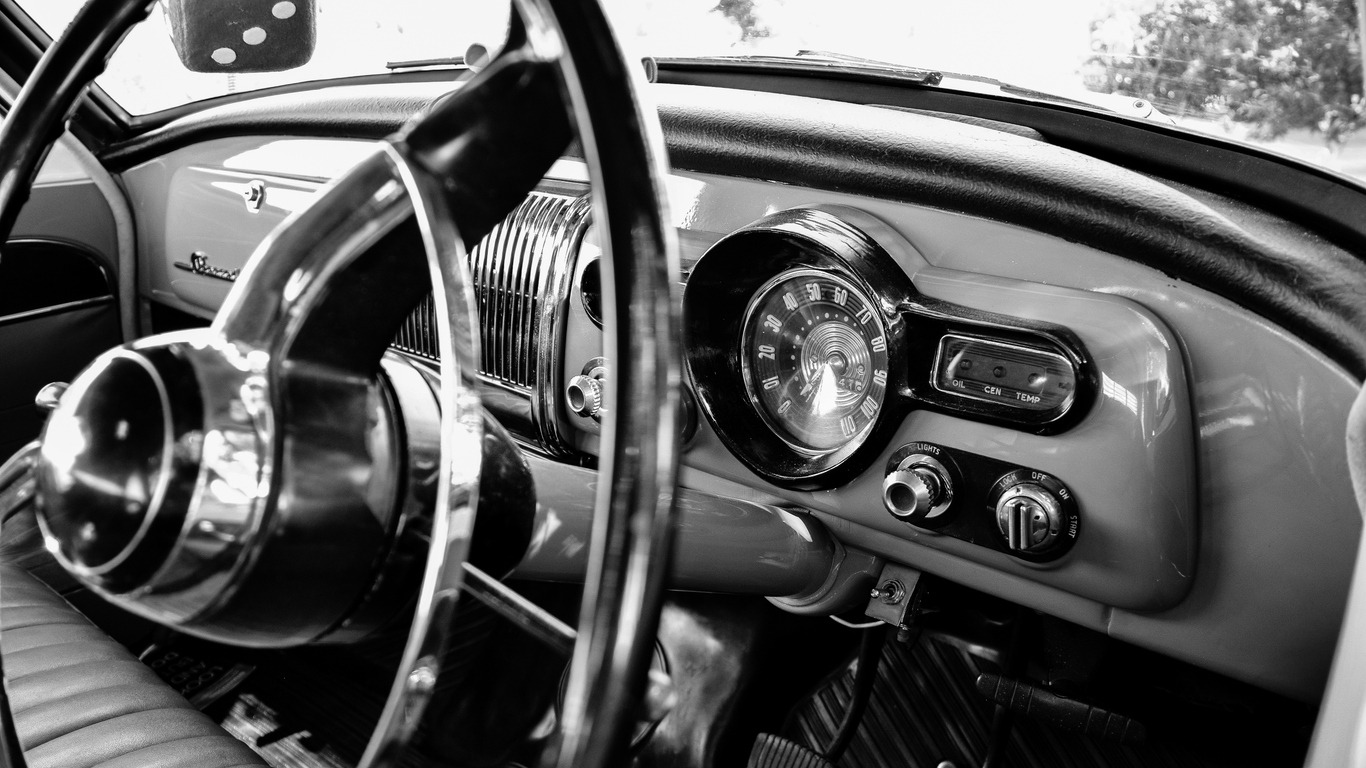
The 1950s was the golden age of cars, and that passion showed up in the slang of the time. Here are some popular car-related terms:
- Chariot – A slang term for a car.
- Souped up – A car that had been modified for better speed and performance.
- Passion pit – A drive-in movie theater, where couples often went on dates.
- Agitate the gravel – To leave quickly.
- Burn rubber – To drive fast and make the tires smoke.
- Punch it – To press the gas pedal hard for a quick start.
- Lead sled – A heavy, customized car with a sleek, lowered design.
- Grease monkey – A mechanic or someone who worked on cars.
Social Activities and Entertainment Phrases
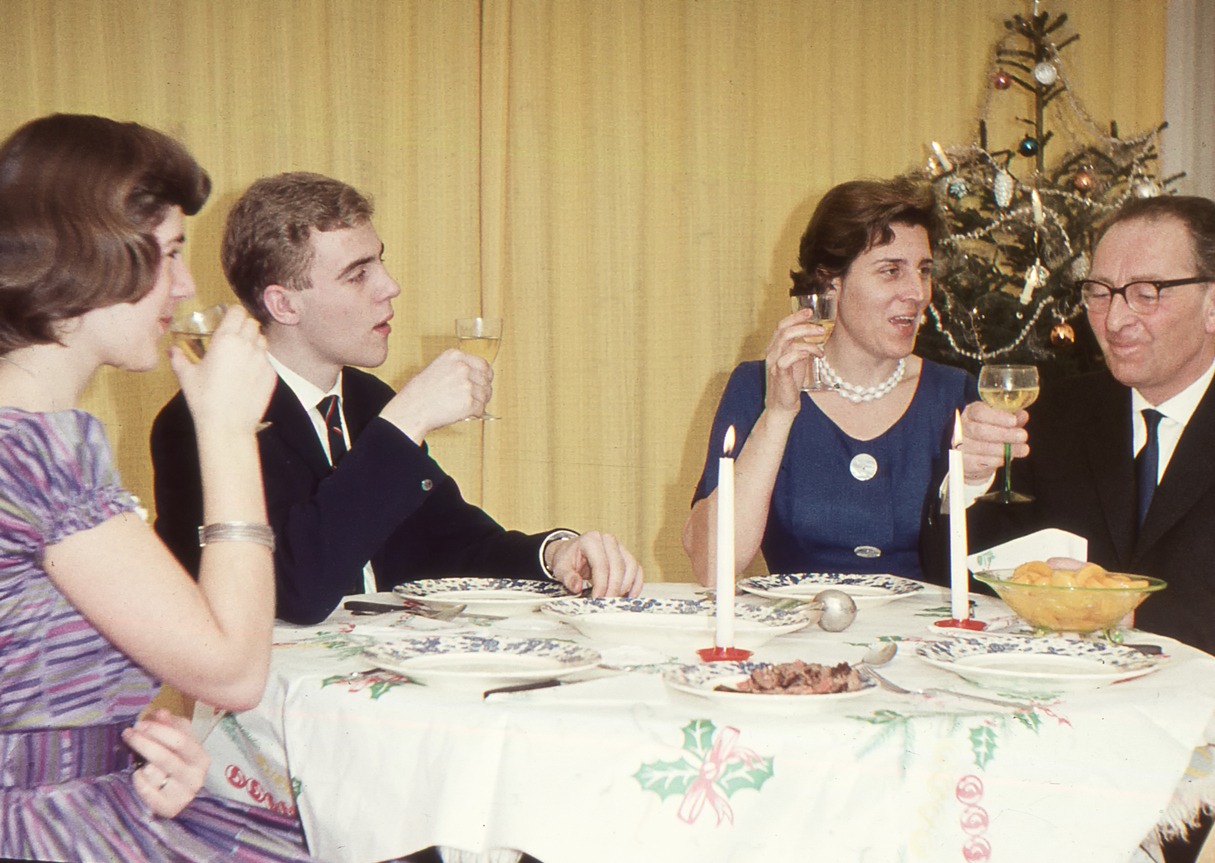
In the 1950s, fun times were often described with unique slang. Here are some expressions related to social life:
- Bash – A big party.
- Flick – A movie.
- Backseat bingo – A playful term for making out in a car.
- Cut a rug – To dance, especially in a lively way.
- Bee’s knees – Something outstanding or excellent.
- Threads – Clothes, particularly stylish ones.
- Made in the shade – To be in a great situation with everything going well.
- Split – To leave quickly.
Music and Pop Culture Slang
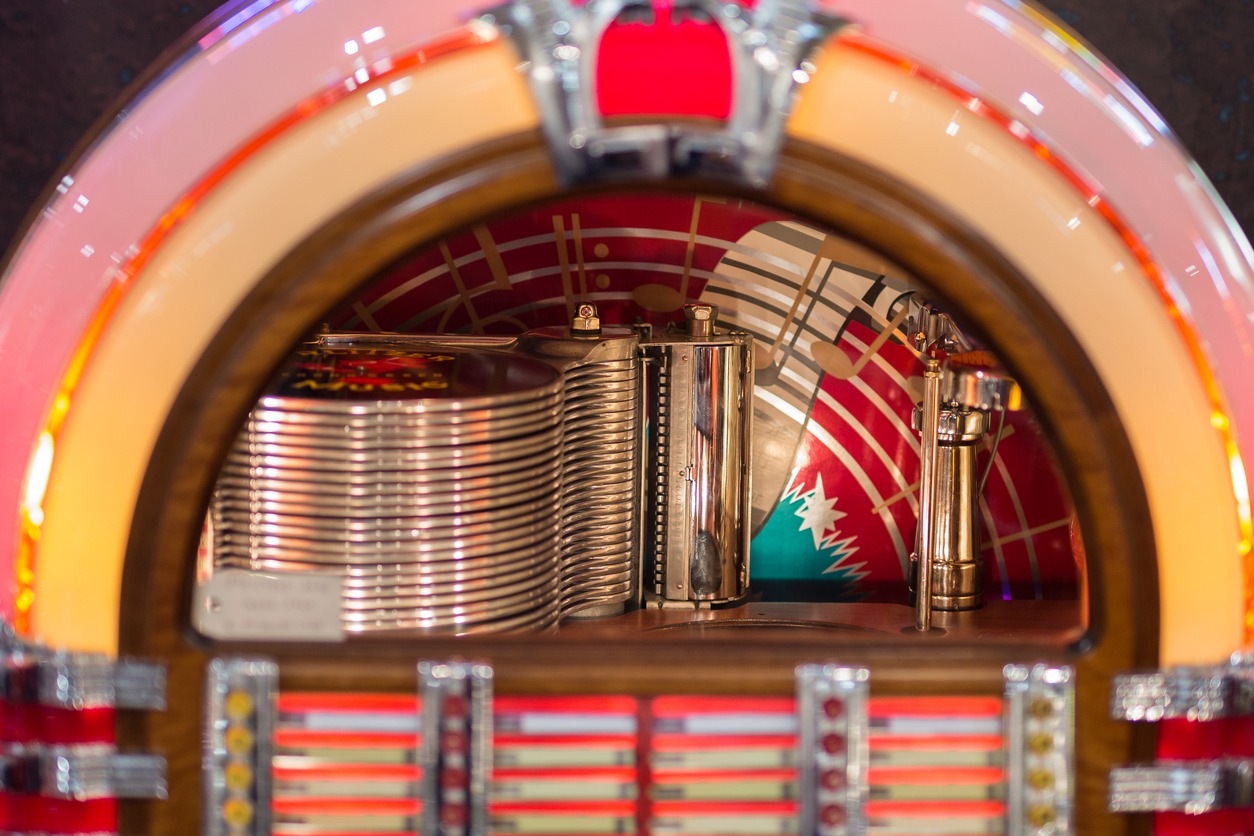
Rock and roll was booming in the 1950s, and it influenced a lot of slang. Here are some music-related expressions:
- Rockin’ and rollin’ – Having a great time, often related to dancing and partying.
- Crazy, man! – A way to show excitement about something cool.
- Solid – A way to say something was great or impressive.
- Hipster – Someone who was up to date on the latest music and trends.
- Jukebox – A machine that played music when you inserted coins, commonly found in diners and soda shops.
- Daddy-O – A term for someone who was cool and confident.
Love and Romance Slang

Dating and relationships in the 1950s had their own special language. Here are some romantic terms from the decade:
- Going steady – Being in an exclusive romantic relationship.
- Pinned – A girl wearing a guy’s fraternity pin or jacket, symbolizing a steady relationship.
- Dreamboat – A very attractive person.
- Peachy keen – Something that was great, often used to describe a happy relationship.
- Smooch – A kiss.
- Make out – To kiss passionately.
- Crush – A strong infatuation with someone.
Work and School Slang
Even work and school had their own slang in the 1950s. Here are some common terms:
- Brainiac – A very smart person.
- Drag – Something boring or unpleasant.
- Do the ducktail – A popular hairstyle among young men, especially greasers.
- Book it – To move fast, often used when running to class.
- Cookin’ with gas – Doing something really well or efficiently.
- Ace – To do exceptionally well on something, like a test.
- Paper shaker – A cheerleader.
Lingering Impact of 1950s Slang
Many of the slang words from the 1950s have disappeared, but some are still in use today. Words like cool, pad (meaning home), and threads (clothes) continue to pop up in conversations. The influence of rock and roll, cars, and pop culture from the ‘50s remains strong, keeping some of these expressions alive.
Language constantly changes, but looking back at old slang gives us a glimpse into the culture and spirit of the past. Whether you’re a fan of vintage movies, music, or just enjoy learning about history, 1950s slang is a fun and fascinating part of American culture.