

It wasn’t just a color—it was a whole mood. In the 1990s, pink moved beyond soft associations and became a defining visual language of girlhood. From mall storefronts to music videos, it showed up everywhere, wrapped in glitter, gloss, and a kind of playful confidence that felt both carefree and intentional.
This wasn’t the delicate, ornamental pink of earlier decades. It was brighter, louder, and far more visible—splashed across baby tees, platform sneakers, plastic accessories, and bedroom walls. Pink became something you wore, something you performed, and something you lived inside. It signaled youth, femininity, and a specific kind of cultural belonging shaped by pop stars, teen magazines, and after-school television.
The Rise of the Baby Tee as a Cultural Staple
The baby tee became one of the most recognizable fashion items of the decade, with pink serving as its most iconic color. Its cropped, fitted shape contrasted with the oversized styles of earlier years, creating a more defined silhouette. This shift aligned with a growing emphasis on personalization and individuality in youth fashion.
What made the baby tee particularly influential was its adaptability. It could feature bold graphics, playful slogans, or minimal branding, allowing wearers to project different identities while staying within the same aesthetic framework. Pink versions of these shirts amplified their visibility, making them central to the overall look.
Over time, the baby tee became more than just a trend—it became a symbol. It represented a specific intersection of comfort, style, and cultural influence. Its continued revival in modern fashion highlights how strongly it is tied to the visual memory of the ’90s.
View this post on Instagram
Mall Culture and the Spread of the Pink Aesthetic
The shopping mall played a central role in shaping and spreading the pink aesthetic. It functioned as a curated environment where trends were not only sold but also experienced. Store layouts, window displays, and product groupings all reinforced a consistent visual identity centered around pink.
Retail spaces like Limited Too and Delia’s created immersive environments filled with coordinated colors and textures. Pink clothing was displayed alongside matching accessories, creating a sense of completeness that encouraged consumers to adopt the full look. This presentation made the aesthetic feel cohesive and accessible.
As a result, the mall became a cultural hub where identity was shaped through consumption. The repetition of pink across different stores and products ensured its dominance. It wasn’t just available—it was everywhere, making it a defining feature of the era.
Pop Stars as the Blueprint for Pink Style
Pop stars played a crucial role in defining how pink was worn and understood during the ’90s. Artists like Britney Spears and the Spice Girls incorporated the color into their performances and public appearances, turning it into a key element of their visual branding. Their influence extended far beyond music.
Each artist interpreted pink differently, giving the color a range of meanings. Some emphasized softness and approachability, while others used pink to create contrast with edgier styles. This flexibility allowed the color to appeal to a wide audience while maintaining its central role in fashion.
Fans adopted these styles, translating celebrity looks into everyday outfits. This process reinforced pink’s cultural significance, as it became associated with both aspiration and accessibility. The connection between pop culture and personal style made the color even more impactful.
View this post on Instagram
Music Videos and the Visual Saturation of Pink
Music videos in the ’90s played a critical role in amplifying the pink aesthetic. With the rise of MTV, visual presentation became just as important as sound, turning color into a storytelling tool. Pink was frequently used to create moods that felt youthful, energetic, and emotionally engaging.
Artists used carefully designed sets, coordinated outfits, and lighting to reinforce the color’s presence. These visuals weren’t random—they were intentional, building a recognizable style that audiences could immediately associate with specific artists or genres. Pink became part of a broader visual identity that extended beyond clothing.
As these videos aired repeatedly, their imagery became deeply embedded in cultural memory. Viewers didn’t just watch them—they absorbed their aesthetics. This constant exposure helped normalize pink as a dominant element of youth culture, reinforcing its role in shaping ’90s girlhood.
Accessories, Plastics, and the Power of Shine
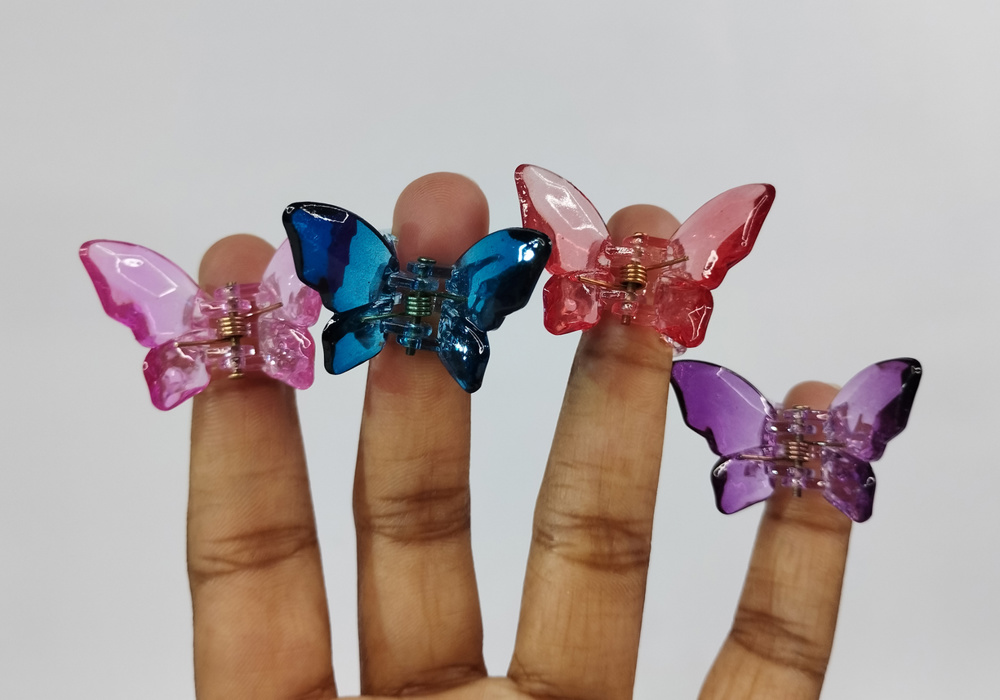
Accessories were essential in completing the pink aesthetic of the ’90s, adding texture and dimension to outfits. Items like butterfly clips, chokers, and translucent bags introduced a playful, tactile quality that enhanced the overall look. Pink served as the unifying color across these elements.
The use of synthetic materials contributed to the aesthetic’s distinct feel. Glossy finishes and plastic textures reflected light, making the color appear more vibrant and dynamic. This emphasis on shine aligned with the decade’s fascination with futuristic and experimental design.
These accessories transformed simple outfits into fully realized styles. They reinforced the idea that pink was not just a color but a complete sensory experience. The layering of materials and textures made the aesthetic more immersive and memorable.
Beauty Trends and the Glossy Pink Look
Beauty trends in the ’90s further solidified pink’s dominance, particularly through makeup and hair accessories. Lip gloss, often in soft pink or clear shimmer, became a defining feature of the era’s look. It added a reflective quality that complemented the synthetic textures seen in fashion.
Blush tones and pastel eyeshadows contributed to a cohesive aesthetic that emphasized softness and glow. These choices aligned with the broader visual language of the decade, where shine and light reflection were key elements. Pink became a central component of beauty routines, not just clothing.
This integration of color across different aspects of appearance created a unified style. Fashion, accessories, and beauty all worked together to reinforce the same aesthetic. The result was a complete visual identity that defined how girlhood was presented and perceived.
Media, Magazines, and the Reinforcement of the Look
The media played a significant role in standardizing the pink aesthetic across the decade. Teen magazines consistently featured pink-heavy fashion spreads, presenting the color as central to youth style. These publications acted as guides, shaping how audiences interpreted trends.
Television further reinforced these visuals. Characters in teen-focused shows often wore outfits that mirrored those seen in magazines and stores, creating continuity across different platforms. This repetition strengthened the association between pink and girlhood.
The constant exposure ensured that the aesthetic remained consistent. By appearing in multiple contexts, pink became normalized as the default visual language. This widespread reinforcement made it a defining characteristic of the era.
View this post on Instagram
Teen Marketing and the Construction of Identity
Marketing strategies in the ’90s played a major role in embedding pink into youth culture. Brands targeted young audiences with campaigns that emphasized belonging, self-expression, and aspiration. Pink became a key visual tool in communicating these messages.
Advertisements often featured coordinated outfits, stylized environments, and idealized representations of teenage life. These images presented a version of girlhood that felt both attainable and desirable. The repetition of pink across campaigns reinforced its association with this identity.
This approach shaped how young consumers understood themselves. By consistently linking pink with specific values and lifestyles, marketing contributed to the construction of a shared cultural identity. The color became a symbol of participation in a larger social narrative.
The Emotional Language of Pink in ’90s Girlhood
Pink carried a strong emotional significance during the ’90s, representing a mix of innocence, playfulness, and self-expression. It became a way for individuals to navigate identity during adolescence, reflecting both personal and cultural influences. The color held meaning beyond its visual appeal.
This emotional dimension allowed pink to function as a form of communication. It signaled belonging while still allowing for variation in style and interpretation. Wearers could express individuality within a shared framework, making the aesthetic both personal and collective.
As a result, pink became deeply tied to memory and experience. It was not just something seen—it was something felt. This connection contributed to its lasting impact, ensuring that it remained significant even after the decade ended.
The Subtle Tension Between Innocence and Performance
While pink was often associated with innocence and playfulness, it also carried an element of performance. Wearing pink was not just a passive choice—it was an active expression of identity shaped by external influences. This duality added complexity to the aesthetic.
The contrast between softness and visibility created a layered meaning. Pink could signal vulnerability while also drawing attention, making it both comforting and performative. This tension reflected the transitional nature of adolescence, where identity is constantly being negotiated.
Understanding this duality reveals why the aesthetic was so powerful. It allowed individuals to navigate multiple aspects of identity at once, blending personal expression with cultural expectation. This balance contributed to the enduring significance of pink in ’90s girlhood.
From Uniform to Legacy: Why Pink Still Resonates
The influence of ’90s pink continues to shape contemporary fashion and culture. Elements of the aesthetic regularly reappear, often framed through nostalgia and reinterpretation. This persistence highlights the strength of the original visual system.
Modern adaptations often combine vintage elements with contemporary styling, creating a blend of past and present. The core features—baby tees, glossy textures, and playful tones—remain recognizable, even as they evolve. This adaptability keeps the aesthetic relevant.
Ultimately, pink’s legacy lies in its ability to define a cultural moment. It represents a period where fashion, media, and identity aligned in a way that felt cohesive and impactful. Its continued presence demonstrates how deeply it is embedded in cultural memory.
View this post on Instagram
Conclusion
Pink in the ’90s was never just a passing trend—it became a fully realized cultural language that shaped how girlhood was seen and experienced. Across fashion, media, and everyday life, it created a consistent visual identity that connected individuals to a larger shared moment.
Today, its legacy continues to influence contemporary style and cultural memory. The return of baby tees, glossy finishes, and playful tones reflects a desire to reconnect with that era’s distinct identity. In this way, pink remains more than a color—it endures as a defining element of how a generation expressed itself.